
In brief: Create a green oasis in an urban courtyard with vertical gardening, space-saving furniture and hardy, low-maintenance plants. Start by planning separate areas for relaxing and growing. Mobile planters, shade and a well-planned layout can transform even the smallest courtyard into a productive, inviting outdoor space.
How do I create a green oasis in a city courtyard?
Maybe your courtyard is an unused gravel patch or a gray concrete space. Now’s the time to change that. Urban garden design follows a few simple principles: use every vertical surface, choose movable solutions and pick plants that offer more than one benefit. Start by assessing what you have. How many hours of sunlight does the courtyard get? Where are the water connection and power supply? These details will shape your plan.
Whatever its size, it’s worth dividing the space into zones. Set aside an area for relaxing and sitting. Designate a corner for vegetables or herbs. You may even have room for a small lawn or play area. Use walls and fences as extra growing space. You can hang planters there or install trellises later.
Urban soil is often compacted or contaminated. That’s why urban gardening often means growing in containers, pots and raised beds. These let you control the soil. Well-drained, nutrient-rich soil is key. Find everything you need in our seed selection. You’ll also need space to store your tools. Our garden tools section has practical helpers for the job.
Pro tip
Sketch your courtyard to scale on graph paper. Try different arrangements for furniture and garden beds. Plant taller shrubs and trees to the north so they don’t shade lower areas.
Choosing the right plants for an urban garden
Choose plants that can handle urban conditions, including drought, root competition and potentially low light. Hardy favorites include stonecrop (Sedum), lady’s mantle (Alchemilla) and cranesbill (Geranium). Bamboo can create a quick privacy screen, but only grow it in root-proof containers.
For an edible garden, perennial herbs such as thyme, rosemary and sage are ideal. They’re easy to grow and smell wonderful. For vegetables, start with cut-and-come-again salad greens, radishes and bush beans. They have a short growing season and do well in containers. Find specialty varieties in the vegetables category.
Add flowering plants that attract pollinators. Lavender, catmint (Nepeta) and culinary herbs attract bees and butterflies. This supports biodiversity and brings your courtyard to life. Mix edible and ornamental plants. Swiss chard has colorful stems, while nasturtiums are bright and edible.
How can I make the most of limited space?
Every inch counts. The solution is to grow upward and make use of the space at different levels. Vertical gardening makes use of walls. You can install shelving, hanging planters or trellis panels with built-in planters. Climbing vegetables such as cucumbers, pole beans and mini pumpkins grow upward, leaving room for shorter plants below.
Choose furniture that serves more than one purpose. A bench with built-in storage for cushions or tools is ideal. Stools can double as side tables or extra seats. Add a seat cushion to a raised bed to turn it into a bench. That gives you flexible extra seating for guests.
Make use of the space beneath benches or tables. Place shallow boxes of herbs or strawberries there. The inside of a fence also works well for narrow shelves holding pots. Quickly create a green, durable surface for your furniture or play area with the
, made with artificial grass.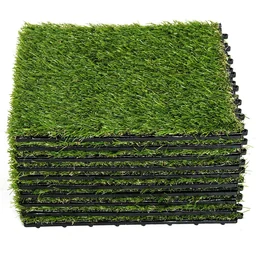
Important note
Check the condition and structural integrity of walls before adding planters. Heavy, waterlogged containers can put enormous strain on the structure. Use suitable wall brackets from a specialist retailer and consult a professional if you’re unsure.
An urban garden is a laboratory for adaptability. The plants that thrive here are survivors that achieve more with less – less soil, less water and often less light. That is the true art of gardening in the city.
Materials for a low-maintenance courtyard
Your choice of materials determines how much maintenance your courtyard needs. Wood requires upkeep, metal can rust and concrete can look cold. Combine materials thoughtfully. For structural elements such as raised-bed frames, use treated wood or weather-resistant plastic composites. Fill paths with permeable bark mulch or gravel.
For permanent repairs to sheeting, tarps or small cracks, the
, UV-resistant green silage tape is an indispensable helper. It sticks to wet surfaces and stays flexible. Keep your garden tools and delicate accessories dry and protected. A clear patio furniture cover helps them last longer.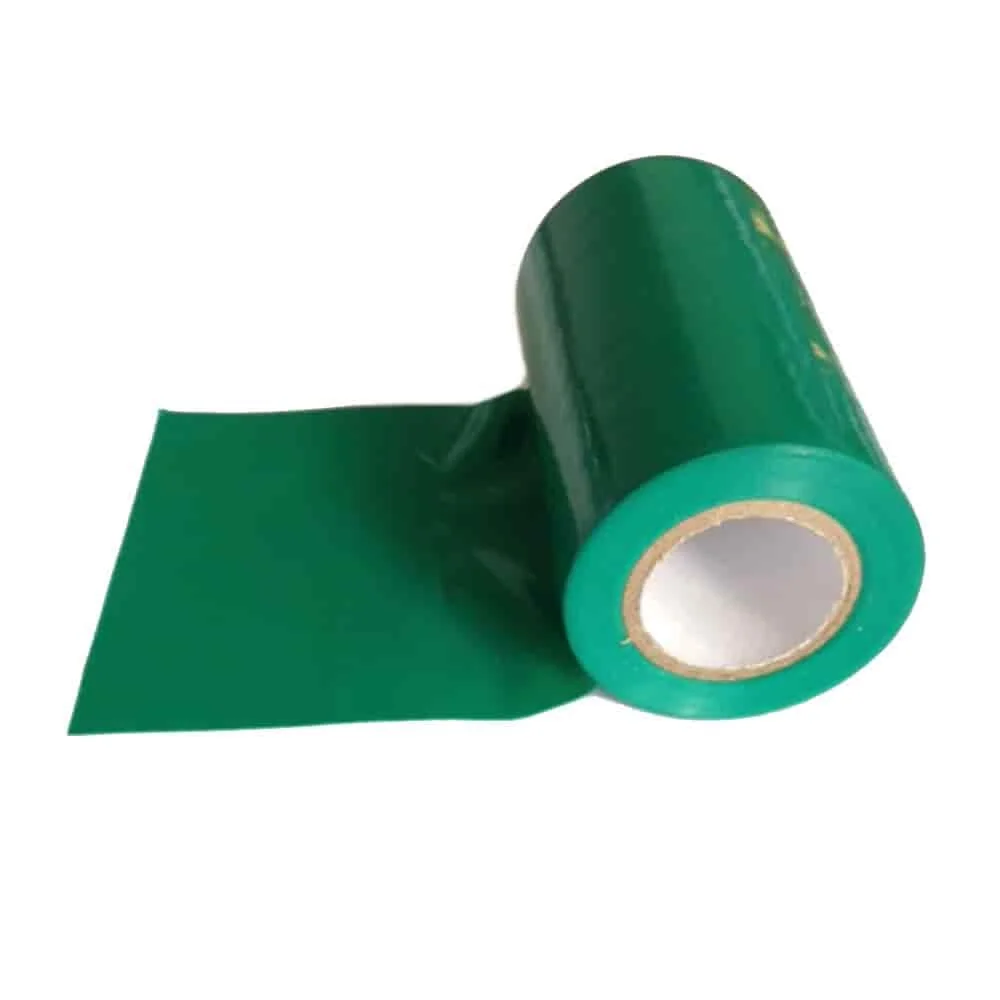
For flooring, permeable options such as grass pavers or wood decking are a good choice. They prevent water from pooling and let rain soak into the ground. Fill the gaps with sand or gravel, or plant them with drought-tolerant herbs such as thyme. This creates a lively green surface.
How can I create atmosphere and privacy?
Light, scent and sound all help create atmosphere. Hang solar lights in bushes or along the house wall. Plant fragrant geraniums or evening primrose, which release their scent in the evening. A small water feature in a large pot or a fountain stone adds soothing trickling water and helps mask city noise.
Privacy is essential in densely built-up areas. Fast-growing annual climbers such as runner beans, black-eyed Susan or nasturtiums can cover a fence in a single summer. For year-round screening, evergreen climbers such as ivy or winter-hardy jasmine are ideal.
Give your garden different levels. A wooden platform for the seating area raises it slightly and creates a sense of openness. Combine tall planters with medium-height perennials and low-growing ground cover. This tiered design adds visual interest and helps screen the area.
Additional advice
Use old, high-quality wine bottles as decorations or for watering. The
, the sturdy green wine bottle box, helps you neatly store or transport empty bottles you’re saving for a DIY project such as a bottle wall.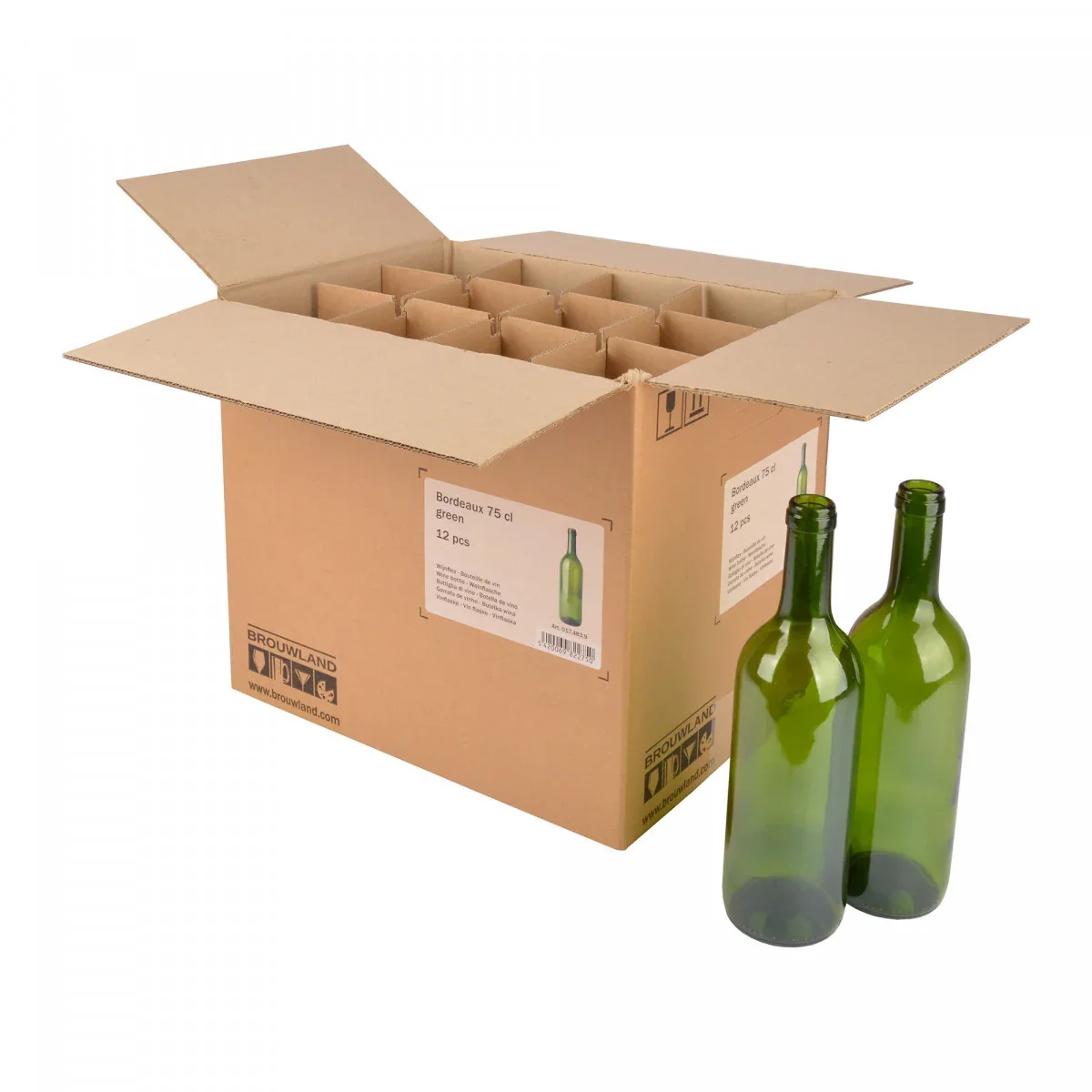
Garden furniture for small spaces
Folding and stackable furniture are essential in an urban garden. After use, a folding bistro table and two chairs can be stored in a utility room without taking up much space. Hanging chairs take up very little floor space and create an airy place to sit.
Choose materials that are easy to clean. Aluminum frames with mesh fabric dry quickly after a rain shower. Wood needs more maintenance but looks more natural. A large umbrella or awning provides shade and helps keep the space cool. Remember to get a suitable cover for the winter months.
Build seating into your garden. A wooden bench along the house wall or a brick seating ring around a tree needs no storage space. Add weather-resistant cushions in vibrant colors to these permanent features. This also turns the garden into a comfortable extension of your living space.
Clever perspective can create the illusion of more space. A narrow path that disappears behind a planting looks longer than it really is. A large mirror on the far wall visually doubles the space, while climbing plants along the edges help disguise it.
How do I start growing vegetables in my backyard?
Start small and set yourself up for success. Choose two or three vegetables you enjoy eating and that are easy to grow. Radishes germinate quickly and offer an early win. You can harvest leaf lettuce over several weeks without removing the whole plant. Bush beans are highly productive.
Choose containers that are large enough. Deep-rooted vegetables such as carrots and beets need tall pots. Shallower planters work for lettuce and herbs. Make sure there’s good drainage: a layer of expanded clay or gravel at the bottom of the container helps prevent root rot. Fill the containers with a specialty vegetable potting mix formulated to provide the right nutrients.
Location is key. Most vegetables need at least six hours of sun a day. Watch how the sun moves across your courtyard, then place the pots where they’ll get the most light. A rolling raised bed lets you move your plants to follow the sun. Browse our lettuce and cabbage category for inspiration.
Watering and caring for an urban garden
Urban gardens dry out faster. The surrounding stone and concrete absorb heat and draw moisture from the air. Water early in the morning. This reduces evaporation and gives leaves time to dry, helping prevent fungal diseases.
Install a simple drip irrigation system. A basic setup with garden irrigation accessories, a timer and drip tubing delivers water directly to the roots of your container plants. This saves time and water. Cover the soil in pots with pine bark mulch or gravel. This helps suppress weeds and reduce evaporation.
Fertilize regularly, but sparingly. Nutrients in containers get used up quickly. Use an organic liquid fertilizer for vegetables or slow-release fertilizer sticks. Compost small amounts of garden and kitchen waste in a sealed rapid composter or worm bin.
With these practical steps, you can transform your backyard one step at a time. Start with a planting plan that inspires you, then set up a comfortable seating area. The rest will take shape over time as you gain experience gardening in the city.
Frequently asked questions
- Which plants are best for a shady backyard?
- Hostas, ferns, barrenwort (Epimedium) and barren strawberry (Waldsteinia) are ideal for shady spots. For vegetables, lettuce, spinach, Asian greens and radishes can also grow well with less sun. Choose plants that naturally thrive in woodland soil or undergrowth.
- How can I create privacy in a small courtyard?
- Grow fast-climbing plants such as ivy, Virginia creeper or honeysuckle on trellises or climbing frames. Tall, narrow planters filled with bamboo or columnar cypress create green screens. A pergola with fabric or willow screening also provides effective privacy.
- Is backyard gardening in the city suitable for beginners?
- Yes, absolutely. Start with easy-care, hardy plants such as radishes, leaf lettuce, bush beans or herbs like chives and mint. Use high-quality potting mix from a garden center and begin with just a few varieties so you can gain experience.
- How can I water my urban garden efficiently?
- Mulch your beds with grass clippings or bark mulch to reduce evaporation. Collect rainwater in a rain barrel. A garden hose with a drip irrigation system or automatic watering system saves time and water. Water early in the morning.
- How much does it cost to turn a backyard into a green oasis?
- Costs vary widely. You can get started for under 100 euros with homemade raised beds made from pallets, secondhand furniture and seed packets. Larger projects involving patio tiles, permanent furniture and large planters can cost several hundred euros. Plan your project one step at a time.
You may also be interested in
- Designing urban greenery: your small city garden
- Vertical gardens: green oases for small spaces and facades
- Urban jungle: turn your home into a green oasis
- Front yard landscaping: ideas for a blooming oasis
- Creating a sunken garden: ideas for terraced garden oases
- Balcony ideas: turn your balcony into a green oasis