
Kurz erklärt: Sie legen eine Wildblumenwiese im Spätsommer an, weil der Boden noch warm ist und ausreichend Feuchtigkeit bietet. Die Samen keimen noch vor dem Winter, wurzeln tief und starten im Frühjahr stark durch. Diese Methode verdrängt Unkraut effektiv und schafft eine robuste, artenreiche Wiese, die Bienen, Schmetterlinge und andere Nützlinge langfristig fördert.
Wildblumenwiese anlegen: Im Spätsommer für mehr Artenvielfalt
Der Spätsommer ist der optimale Zeitpunkt, um eine artenreiche Blumenwiese auszusäen. Der Boden speichert noch Wärme, die Herbstfeuchtigkeit unterstützt die Keimung. Sie schaffen so einen lebendigen Naturgarten, der Bienen, Schmetterlinge und Vögel anlockt.
Eine insektenfreundliche Wiese benötigt weniger Pflege als ein englischer Rasen. Sie mähen seltener, verzichten auf Dünger und bewässern kaum. Das Ergebnis ist eine dynamische, bunte Fläche, die jedes Jahr anders blüht.
Warum ist der Spätsommer die beste Zeit zum Aussäen?
August und September bieten ideale Bedingungen für die Keimung. Die Sommertrockenheit ist meist vorbei, der Boden bleibt konstant feucht. Die noch warmen Temperaturen beschleunigen den Keimprozess.
Die jungen Pflanzen haben bis zum Winter Zeit, kräftige Wurzeln zu bilden. Sie überstehen Frost problemlos und starten im nächsten Frühjahr mit einem Wachstumsvorsprung. Diese natürliche Stratifikation durch die Winterkälte bricht bei vielen Arten die Keimruhe.
Profi-Tipp
Mischen Sie die feinen Samen mit Sand. Das erleichtert die gleichmäßige Verteilung. Säen Sie an einem windstillen Tag. Halten Sie die Fläche die ersten vier Wochen stets leicht feucht, aber nicht nass.
Die Konkurrenz durch Unkräuter ist im Spätsommer geringer. Einjährige Beikräuter haben ihren Zyklus bereits abgeschlossen. So geben Sie den Wildblumen den Raum, den sie brauchen.
Wie wandele ich meinen Rasen in eine Blumenwiese um?
Die Umwandlung beginnt mit einer gründlichen Vorbereitung. Mähen Sie den vorhandenen Rasen so kurz wie möglich. Entfernen Sie das Schnittgut komplett, um Nährstoffe abzutransportieren.
Vertikutieren Sie die Fläche in zwei Richtungen. Das öffnet die Grasnarbe und schafft Lücken für die neuen Samen. Bei stark verfilztem oder dichtem Rasen kann das Abtragen der obersten Bodenschicht notwendig sein.
Boden vorbereiten: Mager ist besser
Wildblumen gedeihen auf mageren, nährstoffarmen Böden. Reicher Gartenboden fördert vor allem Graswachstum. Entfernen Sie daher vor der Aussaat keine Wurzeln oder Steine – sie sorgen für die benötigte Struktur.
Verdichtete Böden lockern Sie mit einer Grabegabel auf. Eine schwere Walze oder ein Gartenwerkzeug wie ein Grubber hilft bei größeren Flächen. Ziel ist ein krümeliges, feinkrümeliges Saatbeet.
Wichtiger Hinweis
Verzichten Sie unbedingt auf Dünger. Weder vor noch nach der Aussaat. Jede zusätzliche Nährstoffgabe begünstigt Gräser und konkurrenzstarke Kräuter auf Kosten der zarten Wildblumen. Die passenden Werkzeuge für die Bodenbearbeitung finden Sie in unserer Kategorie Gartenaustattung.
Nach der Bodenbearbeitung warten Sie etwa zwei Wochen. So können noch vorhandene Unkräuter keimen, die Sie dann leicht entfernen. Erst dann erfolgt die eigentliche Aussaat.
Welche Samenmischung wähle ich für meinen Standort?
Die Auswahl der richtigen Mischung entscheidet über den Erfolg. Heimische, mehrjährige Arten sind insektenfreundlicher und anpassungsfähiger als exotische Einjährige. Achten Sie auf die Lichtverhältnisse in Ihrem Garten.
Für sonnige Lagen eignen sich Mischungen mit Klatschmohn, Kornblume und Schafgarbe. Halbschattige Bereiche besiedeln Arten wie Waldmeister oder Lungenkraut. Eine spezielle Blumenmischung wie die
bietet eine ausgewogene Zusammensetzung für Bienen und andere Bestäuber.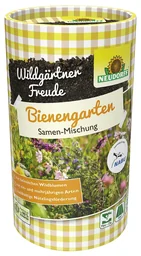
„Eine regionale Saatgutmischung ist die Basis für eine erfolgreiche Blumenwiese. Die Pflanzen sind an Klima und Boden angepasst und bieten unseren heimischen Insekten die passende Nahrung.“
Mischen Sie gegebenenfalls Sand unter das Saatgut. Das verbessert die Streufähigkeit. Die Aussaatstärke beträgt etwa 5 Gramm pro Quadratmeter. Weniger ist oft mehr – zu dichte Saat führt zu schwachen Pflanzen.
Nach der Aussaat: Die richtige Pflege
Drücken Sie die Samen nach dem Ausstreuen leicht an. Ein Brett oder eine Rasenwalze eignet sich dafür. Wässern Sie die Fläche mit einem feinen Strahl, beispielsweise mit einem Gartenschlauch und Brauseaufsatz.
Halten Sie die Oberfläche in den ersten vier bis sechs Wochen konstant feucht. Vermeiden Sie Staunässe. Sobald die Keimlinge etwa 5 cm hoch sind, reduzieren Sie die Bewässerung. Das fördert tiefe Wurzeln.
Zusätzlicher Rat
Markieren Sie die ausgesäte Fläche mit Stöcken oder einem kleinen Zaun. So vermeiden Sie Betreten. Legen Sie bei Hanglagen ein Gartenvlies aus, um Abschwemmung bei starkem Regen zu verhindern.
Wie pflege ich meine Wildblumenwiese nach der Etablierung?
Die Pflege einer artenreichen Blumenwiese ist extensiv. Mähen Sie ein- bis zweimal im Jahr. Der erste Schnitt erfolgt nach der Hauptblüte im Juli oder August. Lassen Sie das Mähgut zwei bis drei Tage liegen, damit Samen ausfallen können.
Entfernen Sie das Schnittgut anschließend. Das entzieht dem Boden Nährstoffe und erhält die gewünschte Magert. Der zweite Schnitt kann im Spätherbst oder erst im zeitigen Frühjahr erfolgen.
Verwenden Sie für diese Pflege eine scharfe Sense oder eine Balkenmähmaschine. Herkömmliche Rasenmäher zerkleinern die Pflanzen zu stark. Eine scharfe
schneidet sauber und schont die Pflanzenstängel.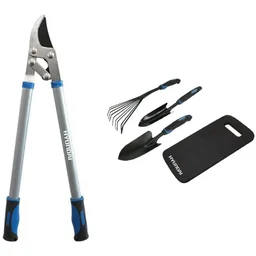
„Der richtige Schnittzeitpunkt ist entscheidend. Mähen Sie portionsweise, sodass immer ein Teil der Wiese als Rückzugsraum und Nahrungsquelle für Insekten stehen bleibt.“
Beobachten Sie die Entwicklung Ihrer Wiese. Dominieren nach einigen Jahren bestimmte Arten, können Sie durch gezieltes Nachsäen gegensteuern. Entfernen Sie invasive Neophyten wie das Indische Springkraut konsequent von Hand.
Werkzeuge für die nachhaltige Pflege
Die richtige Ausrüstung macht die Pflege leichter. Eine robuste Astschere wie die hilft beim Auslichten von Gehölzaufwuchs. Bewahren Sie Ihre Werkzeuge trocken und geschützt in einer
auf.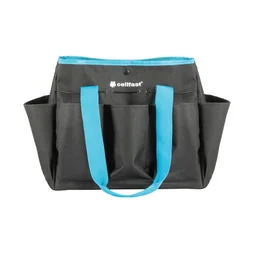
Für das Abtransportieren des Mähguts sind Gartenabfallsäcke praktisch. Verzichten Sie auf chemische Unkrautvernichter komplett. Jäten Sie unerwünschte Pflanzen bei feuchtem Boden von Hand.
Welche Vorteile bietet eine naturnahe Blumenwiese?
Sie fördern aktiv die Artenvielfalt. Eine blütenreiche Wiese bietet Pollen und Nektar für Bienen, Hummeln und Schmetterlinge. Samenstände dienen Vögeln als Winterfutter. Die Pflanzenvielfalt lockert den Boden und verbessert dessen Struktur.
Der Wasserverbrauch sinkt erheblich. Tiefwurzelnde Wildblumen kommen besser mit Trockenperioden zurecht als konventioneller Rasen. Sie sparen Zeit bei der Pflege und reduzieren den Einsatz von Maschinen und Energie.
Eine Wildblumenwiese ist ein lebendiges Gestaltungselement. Sie verändert ihr Gesicht mit den Jahreszeiten und bietet immer neue Entdeckungen. Dieser Naturgarten schafft eine direkte Verbindung zur heimischen Tier- und Pflanzenwelt.
Beginnen Sie jetzt im Spätsommer mit der Planung. Beobachten Sie die Lichtverhältnisse in Ihrem Garten. Wählen Sie eine passende Samenmischung und bereiten Sie den Boden vor. Mit etwas Geduld erschaffen Sie so eine dauerhafte Oase für die Natur.
Häufige Fragen
- Kann ich eine Wildblumenwiese auch im Frühjahr anlegen?
- Ja, eine Frühjahrsaussaat ist möglich, birgt aber Risiken. Trockenheit und Konkurrenz durch schnellkeimende Unkräuter sind höher. Die Spätsommer-Aussaat nutzt die natürliche Bodenfeuchte, unterdrückt Unkraut besser und führt zu kräftigeren, winterharten Pflanzen, die im nächsten Frühjahr sofort durchstarten.
- Wie bereite ich meinen bestehenden Rasen für die Umwandlung vor?
- Mähen Sie den Rasen sehr kurz. Vertikutieren Sie dann intensiv, um dichte Grasnarbe und Moos zu öffnen. Für beste Ergebnisse fräsen Sie die Fläche um oder entfernen die oberste Rasenschicht komplett. So schaffen Sie offenen Boden, auf dem die feinen Wildblumensamen direkten Kontakt finden und keimen können.
- Welche Samenmischung ist die richtige für meinen Garten?
- Wählen Sie eine regionale, mehrjährige Mischung mit heimischen Arten wie Klatschmohn, Kornblume und Schafgarbe. Achten Sie auf die Lichtverhältnisse: Es gibt Mischungen für sonnige Lagen und für Halbschatten. Produkte wie die PRODUCT_80621 bieten eine speziell auf Bienen abgestimmte Auswahl.
- Wie oft muss ich eine Wildblumenwiese mähen?
- Sie mähen nur ein- bis zweimal im Jahr. Der erste Schnitt erfolgt nach der Hauptblüte im Hochsommer, der zweite im Spätherbst. Lassen Sie das Mähgut einige Tage liegen, damit Samen ausfallen können. Diese extensive Pflege fördert die Artenvielfalt und gibt den Pflanzen Zeit zur Vermehrung.
- Warum wächst auf meiner Blumenwiese hauptsächlich Gras?
- Das deutet auf zu nährstoffreichen Boden hin. Wildblumen brauchen mageren Untergrund. Stellen Sie vor der Aussaat keine Düngung ein. Auf ehemaligen Rasenflächen kann das Abtragen der humusreichen Oberfläche helfen. Geduld ist key: In den ersten Jahren etablieren sich die Blumen, während das Gras zurückgeht.
Das könnte Sie auch interessieren
- Blühwiesen anlegen: So wird Ihr Garten zur Blumenpracht
- Wildbienen im Garten: Lebensraum schaffen und schützen
- Sommerblumen für den Garten: Farbenpracht die ganze Saison
- Blumen säen: Der perfekte Zeitpunkt für Ihre Blütenpracht
- Schnittblumengarten anlegen: Blumen zum Selberschneiden
- Pflanzenvielfalt im Garten entdecken