
In brief: A wind-protected garden seating area can significantly extend the time you spend outdoors. The key is careful planning: note the prevailing wind direction and choose a suitable location. Use natural barriers such as hedges or flexible, opaque options like privacy screens or dense climbing plants. Pair wind protection with comfortable furniture, inviting lighting and a well-planned color scheme to create a true outdoor retreat.
Windbreak Ideas for a Sheltered Patio
A garden seating area is only perfect when you can enjoy it without uncomfortable drafts. A well-planned windbreak can turn your patio or seating area from a place you use only occasionally into a true second living room. It shields you from unpleasant breezes and makes the space more comfortable, so you can spend more time outdoors.
Start planning your seating area with a simple observation: which direction does the wind usually come from? Use existing structures such as house walls, dense hedges or garden sheds as natural barriers. Then position your seating area in their shelter. This initial assessment is the most important step toward a successful project.
For everything you need for the next steps, explore our garden equipment. From planning to maintenance, we offer practical solutions.
How do I choose the ideal location for my seating area?
The location affects both comfort and how often you use the space. A spot in full sun may be tempting, but it often offers little protection from the wind. An area close to the house is practical, but the building can channel gusts. Observe your garden throughout the day.
Note where the sun falls and how the wind moves through your garden. A spot sheltered on two sides is often ideal, such as one protected by a house wall and tall plants. Consider the evening sun, too. A west-facing seating area catches the last warm rays and invites you to linger.
The size of the area depends on your furniture and how much open space you want. Leave at least one meter of clearance around the table and chairs. A cozy lounge area with a sofa and armchairs needs more room. A well-planned layout is the foundation of garden planning.
Top tip
Try setting up your garden furniture, chairs and boxes at the spot you're considering. Spend 15 minutes there at different times of day. This gives you a firsthand feel for the wind, sunlight and atmosphere, so you can properly assess the location before building or planting anything permanent.
What role does the ground surface play?
A firm, level surface is essential. Grass works only as a temporary option because it gets muddy when wet. Permanent seating areas need a stable base. Concrete or natural stone patio slabs, wood decking or a gravel bed with a permeable patio tarp are sturdy choices.
Make sure the surface slopes slightly—around two percent—away from the house. This helps rainwater drain reliably and prevents puddles. For wood decking, ventilation gaps help extend its life. The right sub-base prevents frost damage and unwanted moss growth.
What types of windbreaks are available, and what are their benefits?
Your choice of windbreak shapes the look of your seating area and determines how much upkeep it needs. Windbreaks fall into two broad categories: natural and structural. Both have benefits, and you can combine them.
Natural windbreaks grow and change over time. A dense hedge of hornbeam or privet filters the wind, provides a habitat for birds and serves as a green, living room divider. However, it takes patience and regular trimming. Fast-growing alternatives include bamboo or hardy ornamental grasses in large planters.
Structural solutions work right away. Options include privacy screens made of wood, metal or plastic, glass panels, fabric screens and dense windbreak mesh. They last, need little upkeep and often provide extra privacy. A
is an affordable way to block unwanted views and wind right away.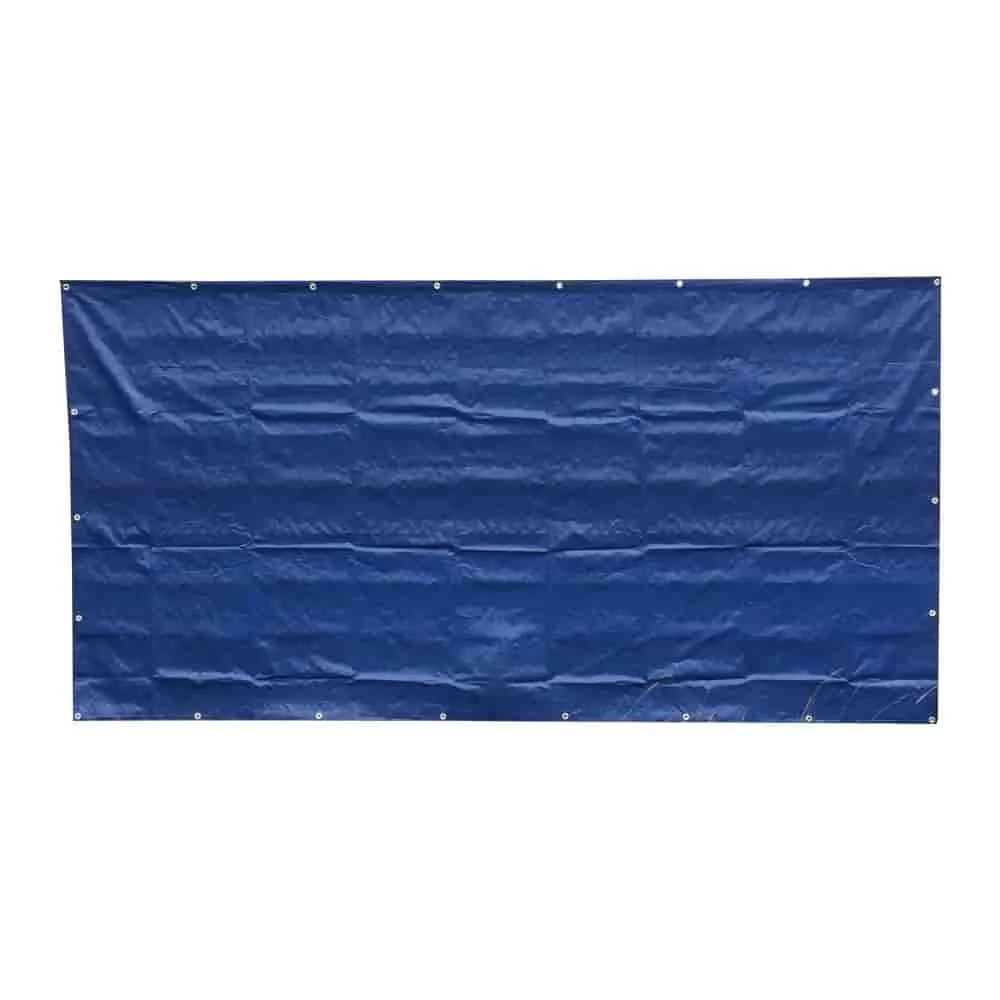
A windbreak should slow the airflow rather than block it completely. A solid wall can create unpleasant turbulence. Semi-permeable options such as dense hedges or fabric screens are better because they redirect the wind smoothly.
Portable or permanent solutions
Permanent features such as walls or securely anchored wooden screens add structure to your garden and become a lasting part of the design. Portable options such as planters on casters, movable screens or retractable shade sails offer maximum flexibility. You can reposition them based on the sun, the season or the occasion.
For temporarily attaching nets or tarps,
are ideal. They hold securely on railings or frames without damaging them. This makes it easy to adjust your windbreak as your needs change.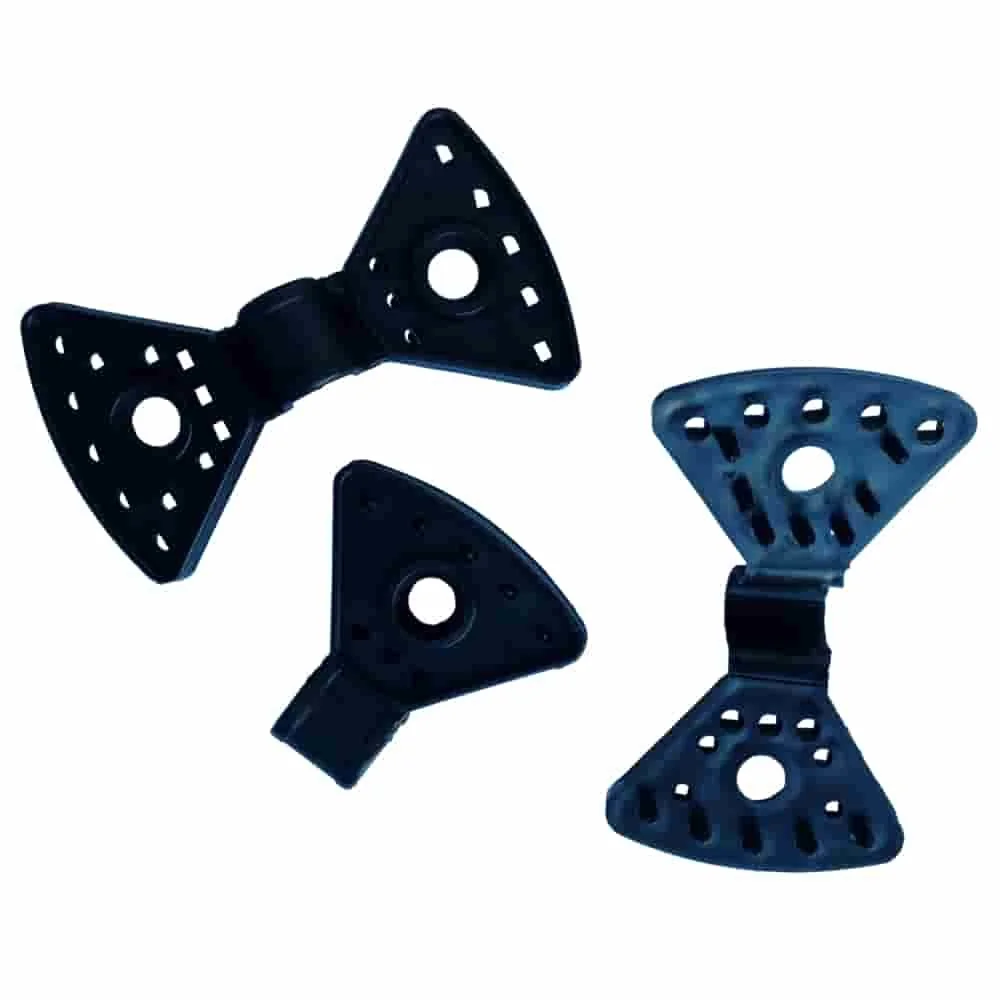
Important note
For tall, permanently installed windbreaks, check the structural requirements and local building codes. In many communities, privacy screens over 1,80 or 2,00 meters tall are subject to special rules or require a permit. Contact your local building department before installation.
How can I make my seating area cosy and functional?
A windbreak provides the foundation; the finishing touches make the space cosy. Start with the furniture. Choose weather-resistant materials such as aluminum, teak or synthetic rattan. Cushions should be made from quick-drying outdoor fabric. A
offers comfortable seating for relaxing outdoors, thanks to its sturdy construction and integrated backrest.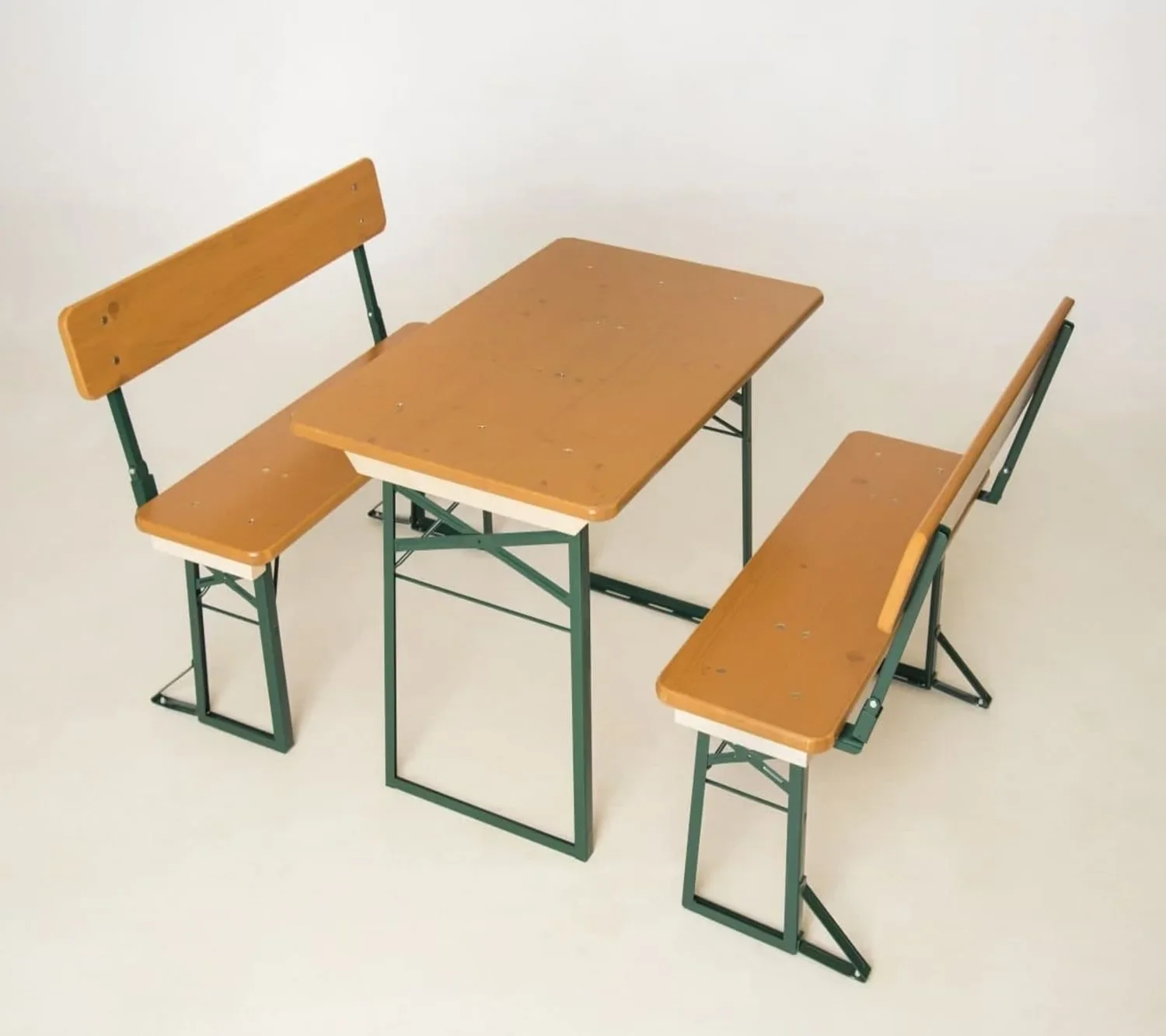
Textiles add warmth and a homely feel. Outdoor cushions with water-repellent covers, a sturdy blanket for cooler evenings and a spacious table for drinks and snacks are essentials. You might also want practical accessories, such as a trolley for crockery or a permanent water connection nearby.
The power of color and light
A well-planned garden color scheme helps the seating area blend with its surroundings. Earthy shades such as terracotta, olive green and natural wood create a harmonious look. Accents in blue or light gray add a fresh, modern touch. Repeat a key color in the cushions, planters and, if you have one, the awning.
Lighting transforms your seating area in the evening. Solar-powered LEDs are practical and need no cables. Use lights at different heights: string lights in trees, ground spotlights to illuminate a wall, or wind-protected candles in lanterns. Together, they create a magical, welcoming atmosphere.
Additional advice
Include practical storage in your plans. A small side table beside each seat, a built-in shelf in the privacy screen or a fixed sideboard helps keep things tidy. Books, glasses and a tablet then have a place of their own instead of being left on the ground.
Which plants are perfect for a sheltered seating area?
Plants bring a seating area to life. They soften hard edges, add fragrance and create privacy. Choose varieties suited to the light conditions in your chosen spot. For sunny areas, Mediterranean herbs such as lavender or rosemary are ideal in containers. They smell wonderful and are useful, too.
Hostas, ferns and hydrangeas are good choices for partial shade. Taller plants in large containers, such as a small olive tree or an ornamental cherry, can act as living room dividers. Choose high-quality planters with drainage to prevent waterlogging.
Make use of vertical space, too. Climbing roses, clematis or Virginia creeper can grow up a trellis or wall, adding coverage and abundant flowers. They create a soft, natural backdrop for your seating area.
The best plant for a windbreak is one that suits the amount of maintenance you’re willing to take on. For many people, an easy-care evergreen cherry laurel hedge is more practical than a box hedge that needs regular pruning to keep its shape. Being honest about your gardening preferences can save frustration in the long run.
Caring for and overwintering your outdoor features
A little upkeep helps preserve both appearance and function. Stain or oil wooden surfaces every one to two years. Clean textile items such as cushions or the with mild soapy water. Check that fixings are secure regularly, especially after severe storms.
In winter, protect sensitive furniture with a suitable cover for garden furniture. Empty planters that are vulnerable to frost or move them to a sheltered spot. Clear leaves from wooden decks and patios to prevent moisture from building up.
Practical guide: create your own relaxing retreat step by step
1. Assess the site: Identify the wind direction, sun path and your preferred location. 2. Plan: Sketch the size, shape and features you want. Choose your materials. 3. Prepare the ground: Create a level, stable surface. 4. Add a windbreak: Install the main wind protection, whether a hedge, wall or netting. 5. Furnish: Set up the essential furniture. 6. Add finishing touches: Bring in plants, lighting and decorative accessories.
Start with the essentials. A table, two chairs and a simple windbreak are enough to get started. Then expand your outdoor oasis step by step. Spring and fall are ideal seasons for installation.
Follow these steps and choose the right products from our range of garden tools to create a retreat you can enjoy all year round. A sheltered seating area is an investment in your quality of life outdoors.
Frequently asked questions
- Which plants make the best natural windbreak for a patio?
- Evergreen, dense hedging plants such as cherry laurel, yew or privet provide year-round protection. Bamboo planted with a root-proof rhizome barrier and robust grasses such as Chinese silver grass are fast-growing alternatives. For a living wall, train climbing plants such as ivy or clematis up a sturdy trellis.
- How do I secure windbreak netting on my patio?
- Use sturdy posts or your existing patio cover as a frame. Special PRODUCT_3586 provide a secure hold without damaging the material. Tension the net firmly, but do not overstretch it, so it can withstand gusts. A reinforced edge with eyelets makes it more durable.
- What is the best material for a durable privacy and wind screen?
- For lasting protection, choose weather-resistant materials such as powder-coated metal, pressure-treated wood (e.g. larch or Douglas fir) or sturdy plastic slats. These materials resist warping and fading and need little maintenance. Make sure they are securely anchored in the ground.
- Can I add wind protection to my seating area later?
- Yes. Flexible options include large potted plants, movable wood or fabric privacy screens, and a shade sail with side panels. A PRODUCT_12838 can be temporarily attached with hooks and tension straps, then removed when needed.
- How can I add lighting to a wind-protected seating area?
- Choose weatherproof low-voltage or solar lights. Fit LED strips beneath benches or into the cover, hang pendant lights above the table, or place sturdy ground spotlights behind planters. They create a warm atmosphere even on cooler evenings.
You may also be interested in
- Designing Garden Seating Areas: Ideas for a Peaceful Retreat
- Garden Fences and Privacy Screens: Design, Materials and Installation
- How to Make a Privacy Screen Storm-Proof: Keep Your Fence Screen Secure in Any Weather
- Privacy Screen Netting: A Smart Solution for Gardens, Balconies and Building Sites
- Outdoor Living: Use Your Garden as an Extension of Your Home
- Build Your Own Garden Privacy Screen: Ideas for More Privacy