
In brief: Choosing between a wood-burning stove and a masonry heater depends on your heating needs. A wood-burning stove releases heat directly and intensely. It heats up quickly but also cools down quickly. A masonry heater stores heat in firebricks and releases it slowly over many hours. It provides even, long-lasting warmth. A wood-burning stove is ideal for occasional, quick heating. A masonry heater is better suited to continuous background heating.
Wood-Burning Stove or Masonry Heater: Which Is the Best Heating System?
Are you planning to install a wood-burning stove and facing the fundamental question: wood-burning stove or masonry heater? Both systems burn wood, but the way they provide heat differs fundamentally. This comparison looks at how they work, as well as their advantages and disadvantages. It will help you make the right choice for your home.
How does a wood-burning stove work?
A traditional wood-burning stove is a convection heater. It generates heat primarily through air circulation. Cool room air flows into the stove casing from below. It warms up around the firebox and rises out again as warm air at the top.
You feel the heat quickly. Within a few minutes of lighting it, the stove begins to warm the room. The heat is direct and intense, similar to the sun on a clear day. Watching the fire is often a key attraction.
A modern wood-burning stove is an efficient direct heater. Its advantage lies in its speed. It transforms the chemical energy in wood into noticeable room heat within minutes. This is perfect when you want instant warmth in the evening.
How does a masonry heater work?
A masonry heater works on the principle of heat storage. Its core is a massive filling of firebricks. These bricks surround the combustion chamber.
You fire the stove vigorously for one to three hours. The flames and hot flue gases do not release their energy directly into the room; instead, they heat the firebricks. These store the heat like a battery.
Once the fire has burned out, the hot bricks release the stored heat slowly and evenly. This radiant heat can last for eight to twenty-four hours. It penetrates the room's surfaces and feels particularly comfortable.
Expert tip
Allow enough time for a masonry heater to warm up. Light it in the late afternoon so that stored heat keeps you warm throughout the evening and night. Getting the timing right is the key to comfort.
What are the direct advantages in comparison?
Compare the two systems directly. The overview below shows the key differences at a glance.
Wood-burning stove: The advantages
- Fast heat: You will feel the first heat within 10-20 minutes.
- Intense fire atmosphere: Large viewing windows and bright flames create a lively fire display.
- Lower weight: The lighter construction makes installation easier, often without an extensive structural assessment.
- Lower purchase cost: The investment is generally lower than that of a comparable masonry heater.
- Flexibility: Ideal for occasional use at weekends or on cool summer evenings.
Masonry heater: The advantages
- Long-lasting heat: Once heated, it provides constant warmth for hours without needing more wood.
- Comfortable radiant heat: The heat feels like sunshine and warms solid objects directly.
- High efficiency: The long residence time of the flue gases in the system results in almost complete combustion.
- Lower running costs: Fewer firing cycles and optimum use of the wood help you save fuel.
- Suitable for background heating: In well-insulated homes or during transitional seasons, it can replace central heating.
What are the disadvantages of each system?
No system is perfect. One system's strengths are the other's weaknesses. Consider these points when making your decision.
Disadvantages of a wood-burning stove
The heat disappears quickly as soon as the fire goes out. The room temperature can drop rapidly once the fire has burned out. If you need continuous heat, you have to add wood frequently, which increases fuel consumption.
Direct convection heat may feel less comfortable and causes stronger air circulation and more dust movement. It is generally unsuitable for background heating.
Important note
Do not overheat a wood-burning stove. Its fast heat output can quickly make small rooms too hot. Use the air controls to regulate combustion, and ventilate deliberately if the temperature becomes excessive.
Disadvantages of a masonry heater
Its high mass makes it slow to respond. You need to plan your heating needs in advance because there is no instant heat. Purchase costs are significantly higher due to the complex construction and the large amount of firebrick.
The high weight requires a structurally suitable, load-bearing base. The fire atmosphere is often less intense because the viewing window may be smaller and the flames are positioned behind the storage bricks.
How do you choose the right heating system for your home?
The decision is not about good or bad, but about what is suitable for your needs. Ask yourself these questions.
What is your primary heating purpose?
Do you want an atmospheric focal point for occasional cosy evenings? Then it is hard to beat a wood-burning stove. Are you looking for a reliable heat source that warms your home for long periods and saves on heating costs? Then a masonry heater is likely to be the better choice.
Many households also combine the two: a masonry heater for daily background warmth in the living area and a smaller wood-burning stove in a hobby room or conservatory for occasional use. Browse our Garden + Outdoor range for additional accessories.
The building envelope is the decisive factor. In a well-insulated new build, the slow but constant heat of a masonry heater is often sufficient. In an old, draughty house, the fast, intense heat of a wood-burning stove may be better at combating the perceived chill.
What spatial requirements do you have?
Check the installation location. Due to its weight, a masonry heater often requires its own foundation strip. A professional must check the load-bearing capacity of the floor. Its space requirements are usually greater because of its solid construction.
A wood-burning stove is more flexible. Nevertheless, make sure you observe the required safety distances from combustible materials. The same applies to both systems: The right Plumbing + Irrigation specialist can also advise you on the chimney and flue system.
Additional advice
Do not forget about fuel storage. Both types of stove require dry, well-stored logs. Plan a dry, well-ventilated storage area close to your home. You can find well-designed storage solutions in the Garden Equipment section.
Electric fireplaces: The flexible alternative?
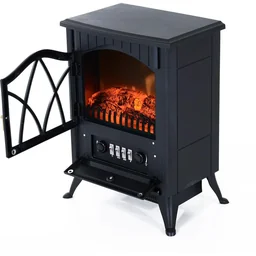
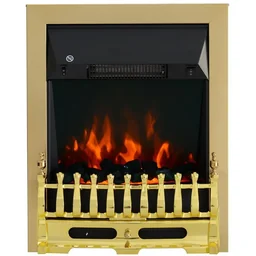
Do you want the ambience of flames without having to deal with wood, ash and a chimney? An electric fireplace offers a practical alternative. It simulates remarkably realistic flames using LED technology and optionally provides instant supplementary heat via a fan heater.
An electric fireplace is portable, requires no chimney and is ready to use immediately. It is perfect for rented homes or rooms where solid-fuel appliances are not permitted. The choice of designs is extensive, from modern freestanding models to classic stove imitations.
For this solution, we offer various models, such as the
or the powerful . Another simple model is the . They all offer the magic of flames without the hassle.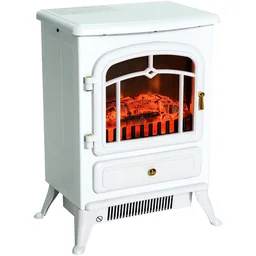
How much does it cost to buy and run?
The investment varies considerably. A good-quality wood-burning stove costs between 800 and 2.500 Euro. A professionally crafted masonry heater starts at 3.000 Euro and can easily cost 8.000 Euro or more.
When it comes to running costs, the masonry heater comes out ahead. Its high efficiency and long heat-retention time result in lower wood consumption. Expect a wood-burning stove to require around 10-20% more fuel for the same amount of heat spread over the course of a day.
Remember to factor in ongoing costs for the chimney sweep, who must regularly sweep and inspect both systems. The intervals and costs are comparable.
Conclusion: Your personal decision
The question “wood-burning stove or masonry heater?” cannot be answered in general terms. You need to set your priorities. Choose a wood-burning stove for quick heat, lively flames and flexible use. Choose a masonry heater for cosy, long-lasting heat, maximum efficiency and the feeling of being surrounded by a natural heat store.
Consider your heating habits, your building and your budget. Whichever system you choose, make sure you opt for quality, professional installation by a stove-building specialist and use only dry wood. Then you will enjoy your wood-burning heating system for many years to come.
For everything you need for cosy hours outdoors, also take a look at our BBQ + Smoking category.
Frequently asked questions
- Can I heat a room quickly with a masonry heater?
- No, that is not the strength of a masonry heater. Its firebrick mass first needs to heat up over a longer firing period. The heat is then released slowly, but over many hours. For quick heat, choose a lightweight wood-burning stove with direct radiant heat.
- Which stove uses less wood?
- A properly sized masonry heater is generally more economical. You only fire it once or twice a day for several hours at high intensity. The stored heat is sufficient for the entire day or night. A wood-burning stove needs to be refuelled more often when heat is required continuously, which can increase consumption.
- Does a masonry heater require special flooring?
- Yes, the weight is crucial. A masonry heater with its heavy firebrick core can easily weigh 300 to 600 kg. The floor must be able to safely support this load. Always check the manufacturer's structural specifications and consult a structural engineer if in doubt.
- Is the same chimney suitable for both types of stove?
- Basically yes, but the requirements differ. A masonry heater with long firing phases at high temperatures places greater demands on the chimney's ability to withstand continuous loads. Always have your chimney sweep check whether the chimney is suitable before installation.
- Can I convert an old wood-burning stove into a masonry heater?
- A true conversion is not possible. The operating principle is determined by the design. However, with some models you can place additional heat-storage stones in the firebox to slightly increase heat retention. A genuine, efficient masonry heater is designed and built as such from the ground up.
You may also be interested in
- Finding the right wood-burning stove: warmth and cosiness
- How to use and maintain a wood-burning stove for efficient heating
- Home heating systems: costs and efficiency compared directly
- Find the right heating system for your home
- Solar PV system: with or without battery storage?
- Heat pump vs. gas heating: Which heating system is right for you?