
In brief: Our 2026 review and comparison shows that the best wood glue depends on your project. Fast-drying wood glue is ideal for quick repairs, while classic PVA glue creates strong, durable bonds for furniture and indoor projects. Consider drying time, bond strength and weather resistance. Our buying guide helps you find the right adhesive for your woodworking projects.
A good wood glue is invisible, yet its bond can last a lifetime. Whether you are repairing furniture, building a cabinet or working on a creative project, choosing the right adhesive is key to a strong, lasting result. Our 2026 review and comparison looks at the latest products, weighs their strengths and helps you find the right glue for your project.
Table of contents
What types of wood glue are there?
Not every glue bonds every type of wood equally well. Its chemistry determines properties such as drying time, strength and durability.
PVA glue (white glue)
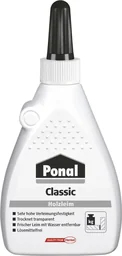
This classic, water-based wood glue is an all-purpose choice for most indoor projects. It is easy to use, solvent-free and creates a very strong, flexible bond. However, it takes about 24 hours to reach full strength.
PU glue (polyurethane glue)
Polyurethane glue cures when it reacts with moisture in the air. It is known for its high strength and water resistance, making it ideal for tools and outdoor projects. Make sure the area is well ventilated while you work.
Express or fast-drying glue
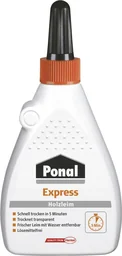
Short on time? Express glues such as our set quickly, often in just a few minutes. They are often made with cyanoacrylate (super glue) or modified PU formulas. They are ideal for quick repairs when there is no time for a long clamping period.
Contact adhesive
Apply contact adhesive to both surfaces, let it dry briefly, then press the parts together. It bonds immediately. This makes it useful for large areas or uneven surfaces that are difficult to clamp. However, its final bond strength is often lower than that of other types of glue.
Tip: If you are new to gluing wood, classic PVA glue is a great choice. It is forgiving to use, easy to clean up and more than strong enough for most indoor DIY projects.
Buying criteria: What should you look for?
Before buying wood glue, check the following properties.
Final strength and load-bearing capacity
Final strength describes how much force a glued joint can withstand. It is measured in Newtons per square millimetre (N/mm²). For load-bearing joints or furniture that gets heavy use, choose a glue with high final strength. Our provides a reliable starting point.
Drying and curing time
Distinguish between initial drying time, when the parts can be moved, and curing time, when the glue reaches full strength. A short initial drying time is convenient but means you need to work quickly. Full curing can still take 24 hours.
Weather resistance
Planning a project for the garden, patio or a damp room? Choose glue that is water-resistant (DIN EN 204 Class D3) or even waterproof (Class D4). Standard white glue can swell when exposed to moisture and lose its adhesion.
Application properties
How easy is the glue to apply? Is it thick or runny? Some glues have a long open time, giving you time to adjust the parts. Others, including many express glues, bond firmly straight away.
Colour and sandability
Most white glues dry clear or pale, which suits the majority of projects. Check that the cured glue can be sanded and painted over easily without leaving stains.
Warning: Always use glue in a well-ventilated area. Wear gloves if you will be in prolonged contact with it or are using a solvent-based product. Keep glue out of the reach of children.
The best wood glues compared
Here is a direct overview of selected wood glues in our review. Use the table to compare their key details at a glance.
Our top-rated wood glues, compared side by side:
| Model | Customer rating | Availability |
|---|---|---|
| Classic wood glue 120 g tube | – | Currently unavailable |
| Express wood glue 120 g tube - fast-drying in 5 minutes | – | Currently unavailable |
| Fritz Göbel ash manure scraper handle 1600 x 30 mm - sturdy, without pin | – | Currently unavailable |
| Fritz Göbel aspen shovel handle 1500 mm - sturdy wooden handle for shovels | – | Currently unavailable |
| Fritz Göbel axe handle 700mm ash cow foot - ergonomic woodworking | – | Currently unavailable |
Along with classic adhesives, our range includes high-quality wooden handles and care products for woodworking. If you are rebuilding a tool, the could be a good option.

Application: How to Glue Wood Properly
You can achieve the strongest bond with the right technique. Proper preparation is essential.
Preparing the Wood Surfaces
The surfaces to be glued must be clean, dry and free of grease. Lightly sand them to increase the surface area. Remove all dust thoroughly. With hardwoods, lightly dampening the surface can improve adhesion.
Applying and Joining the Glue
Apply the glue evenly and in a thin layer to both surfaces. Use a brush or notched spreader for large areas. Avoid using too much glue, as it will squeeze out and make cleanup more difficult. Join the parts promptly.
Clamping and Drying
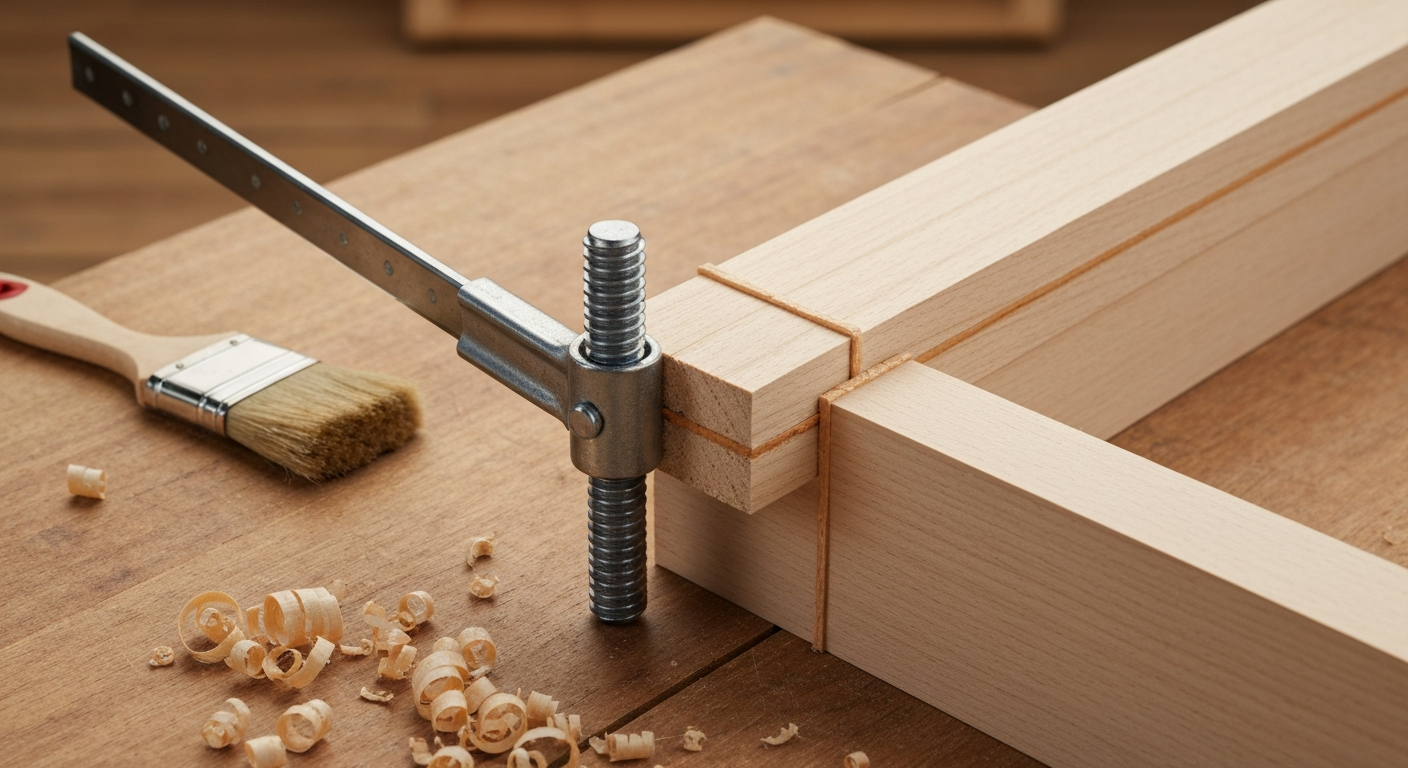
After joining the parts, hold them under pressure. Use screw clamps, ratchet straps or weights. Distribute the pressure evenly. Be sure to observe the clamping time specified in the instructions.
Note: The ideal room temperature for most wood glues is between 18°C and 22°C. Low temperatures significantly slow drying, while higher temperatures can speed it up and shorten the open time.
Uses for Wood Glue
Wood glue is much more than a repair aid. It is essential for modern woodworking.
Furniture Making and Repairs
From a homemade bookcase to a repaired chair leg joint, wood glue is indispensable. For indoor furniture, classic PVA wood glue is usually the first choice. Learn more about fasteners and fastening tools for your projects.
Model Making and Creative Projects
Precision is essential. Low-viscosity or fast-setting glues with precision applicators are ideal for delicate work in model making, decoration or wood art.
Construction and Interior Projects
Specialty construction and assembly adhesives are used when installing hardwood flooring, assembling staircases or fitting wall paneling. They are often more flexible and can accommodate slight movement.
Care and Storage
Here’s how to keep your wood glue usable longer and work cleanly.
Cleaning Tools and Hands
Remove fresh dispersion glue with water. For cured glue or other types of adhesive, you may need solvents such as acetone. Clean tools such as brushes immediately after use.
Storage and Shelf Life
Store wood glue in a cool, dark, frost-free place. Seal tubes and bottles tightly immediately after use. Check the expiration date. Dried-out or lumpy glue should be discarded.
Our Buying Guide
Choosing the right glue is easy when you start with your project.
For everyday repairs and indoor furniture projects, choose classic dispersion glue. It is affordable, strong and easy to use. Our is a solid choice here.
If you need a quick fix without a long wait, a fast-setting glue such as is ideal. Keep in mind that you’ll need to work quickly and precisely.
For outdoor projects or damp rooms, waterproof PU glue is essential. Its high resistance helps protect the joint for the long term.
For bonding large surfaces or uneven parts, contact adhesive may be more practical, even though its final bond strength is lower.
Remember: Properly preparing the wood surface and allowing enough time for clamping are at least as important as choosing the right glue. Browse our adhesives category to explore the full range.
Frequently Asked Questions
- How long does wood glue take to dry?
- Drying time varies considerably. Fast-setting glues often hold after 5-10 minutes, while classic white glue needs 30-60 minutes for an initial set and 24 hours to reach full strength. Always follow the manufacturer's instructions and take temperature and humidity into account.
- Can I use wood glue for outdoor projects?
- Only special wood glues labeled “waterproof” or “for outdoor use” are suitable. They resist moisture, temperature fluctuations and UV radiation. Never use standard indoor glue for outdoor furniture or deck boards.
- How do I remove dried wood glue?
- Wipe fresh glue away with a damp cloth. Carefully scrape off dried residue with a putty knife or sandpaper. Special glue removers can help, but test them first on an inconspicuous area to check compatibility.
- What is the difference between white glue and fast-setting glue?
- White glue (dispersion glue) dries as water evaporates, is very strong and is ideal for most indoor projects. Fast-setting glue (often based on PU or cyanoacrylate) cures faster through a chemical reaction, but is often less flexible and can be more expensive.
- Does wood glue adhere to painted wood?
- Adhesion to painted or varnished surfaces is greatly reduced. For a durable bond, sand off the coating to expose the bare wood. Special construction adhesives may be an alternative, but they are not a substitute for proper gluing.
You may also be interested in
- Construction Adhesive Review & Comparison 2026: The Best Products at a Glance
- Hot Glue Gun Review & Comparison 2026
- Table Saw Review & Comparison 2026
- Spirit Level Review & Comparison 2026
- Engine Oil Review & Comparison 2026: The Best Oils Reviewed
- Utility Knife Review & Comparison 2026: The Best Blades Reviewed