
In brief: A good work knife features a high-quality carbon steel or stainless steel blade, a non-slip handle and the right shape for your specific task. Specialised hoof knives are indispensable for farming, while robust survival or fixed-blade knives are ideal for outdoor use. Proper care with sharpening steels and suitable storage solutions significantly extends service life.
A reliable work knife is an essential partner in many professions. Whether in agriculture, the trades or outdoor activities, the right blade makes demanding work easier and more precise. Our 2026 test and comparison introduces different types and explains what to look for when buying.
Table of contents
What makes a good work knife?
You can recognise a high-quality work knife by three key features: the blade, the handle and the workmanship. The blade must be made from durable steel and have the right hardness. Steel that is too soft becomes blunt quickly, while steel that is too hard can become brittle.
The handle should sit securely in your hand, even in wet or dirty conditions. An ergonomic shape helps prevent fatigue. Overall construction must be robust enough to withstand tough conditions.
Tip: Before buying, check whether the knife feels comfortable in your hand. The handle must suit your hand size and provide a secure grip.
Different work knives compared
Different types of knives are suitable for different applications. Here we introduce the most important categories.
Hoof knives for agriculture
In agriculture, especially in horse care, hoof knives are essential. They are used to trim and shape horse hooves precisely. Curved blades are typical because they provide better leverage.
One example is the with a double-sided blade and ergonomic wooden handle. It allows precise work from both sides. Left- and right-handed versions are also available for specific tasks in our work knife range.

Fixed-blade knives for outdoor use and the trades
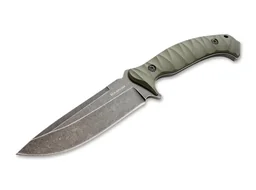
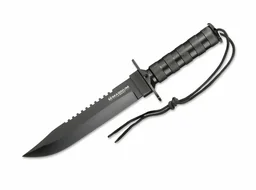
Fixed-blade knives offer maximum stability. They are suitable for heavy cutting work, bushcraft and trade applications. A full-tang blade is a sign of quality.
The is a classic outdoor knife with a long, sturdy blade. The , on the other hand, is designed as a survival knife and often comes with additional features.
Knife care accessories
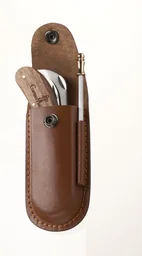
The right accessories are part of the basic equipment. A protects your knives during transport and helps prevent damage. Integrated sharpening steels allow you to sharpen your knife quickly while on the move.
Warning: Always store sharp knives securely. Loose blades pose a significant risk of injury, especially in households with children or pets.
Buying criteria in detail
Blade material and shape
The blade material determines durability and maintenance requirements. Stainless steel is corrosion-resistant and easy to care for. Carbon steel can be sharpened exceptionally well, but requires more protection against rust.
The blade shape should suit the intended task. Straight blades are suitable for precise cuts. Curved blades provide better leverage for pulling movements, as required with hoof knives.
Handle material and ergonomics
The handle is your point of contact with the tool. Wooden handles traditionally feel comfortable in the hand, but can become slippery when wet. Modern composite materials or rubber often provide better grip.
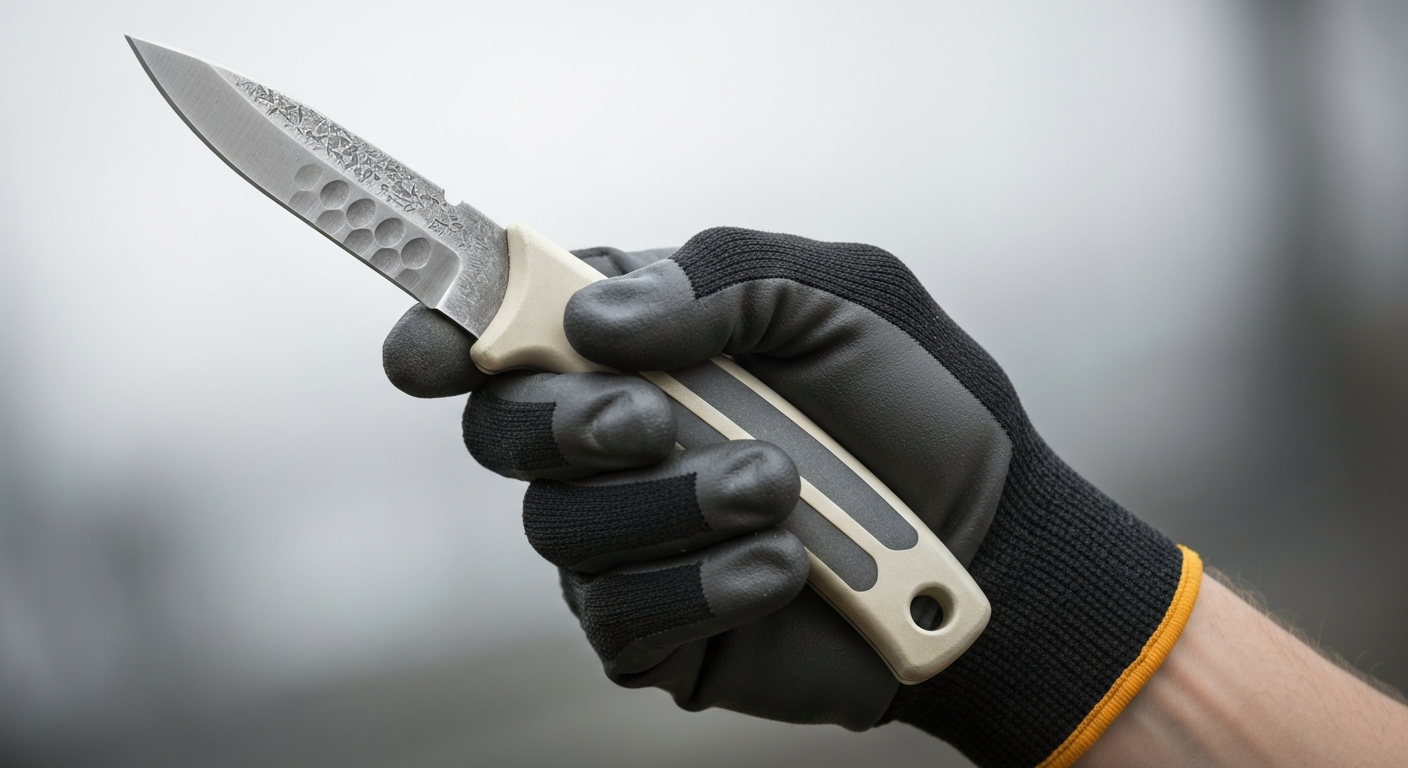
Look for finger grooves and a shape that allows a secure hold, even when wearing gloves. The handle should have no sharp edges that could cause pressure points.
Workmanship and safety
Check the construction of the rivets or screws. They must be firmly seated and must not wobble. Knives with a sheath should be securely enclosed and easy to handle.
A secure resting position is also important, especially on uneven surfaces. Some models have specially designed handles for this purpose.
Note: Even the best knife becomes blunt over time. Plan to have sharpening tools from the outset and learn the correct technique.
Safety and Care
Proper Handling
Always wear suitable gloves when working with sharp knives. Always cut away from your body and make sure you have a stable surface. Keep the blade sharp at all times – a blunt knife requires more force and is more likely to slip.
Care and Storage
Clean the knife after every use, especially to remove sap or soil. Dry it thoroughly, particularly if it is made from steel that is prone to rust. Oil moving parts and the blade before storing it for longer periods.
Store knives in a dry place protected from extreme temperatures. A knife bag or wall mount protects against damage and unwanted contact.
Sharpening and Maintenance
Learn how to regularly hone your knife with a sharpening steel. For complete sharpening, you need whetstones with different grits. Always sharpen at the same angle to the blade to achieve a consistent edge.
Conclusion and Recommendation
Choosing the right work knife depends largely on how you intend to use it. Specialised hoof knives are indispensable for professional hoof care. In the outdoors, robust fixed-blade knives with high-quality blades are a reliable choice.
Invest in quality that matches your requirements. An expensive professional knife is worthwhile for daily use. For occasional jobs, a solid entry-level model is often sufficient. Don't forget the right accessories for transport and care.
The highest-rated work knives in our range compared directly:
| Model | Customer rating | Availability |
|---|---|---|
| Aesculap GTA321 Left-Handed Hoof Knife, Small Blade, Ebony Handle | – | Currently unavailable |
| Aesculap Right-Handed Hoof Knife GTA300, Small Blade for Precision Work | – | Currently unavailable |
| Aesculap Right-Handed Hoof Knife GTA320, Small Blade for Precise Hoof Care | – | Currently unavailable |
| Dunlop Fieldpro Thermo+ Boots Green Size 38 - Sturdy Warm Work Boots | – | Currently unavailable |
| Fritz Göbel Sheep Hoof Knife, Double-Sided, Ergonomic Wooden Handle | – | Currently unavailable |
Frequently Asked Questions
- What is the difference between a hoof knife and a standard work knife?
- Hoof knives are specialised tools for caring for horses' hooves. They have a curved, often single-edged blade and an ergonomic handle for precise work in confined spaces. Standard work knives are more versatile, have straight blades and are suitable for general cutting tasks.
- Which type of steel is best for a work knife?
- Carbon steel can be sharpened very finely and keeps its edge for a long time, but it corrodes more easily. Stainless steel is easier to care for and resistant to corrosion, but may not retain its sharpness as well. The right choice depends on how you intend to use the knife and how much care you are prepared to provide.
- How often do I need to sharpen a work knife?
- How often you need to sharpen it depends on the material being cut and how frequently you use it. With regular use in agriculture, weekly sharpening may be necessary. For occasional use, a monthly check is sufficient. Use a sharpening steel for interim maintenance.
- Are work knives with wooden or plastic handles better?
- Wooden handles feel comfortable in the hand and absorb vibrations, but require more care. Plastic or rubber handles are often more slip-resistant, even when wet, and are easier to clean. An ergonomic shape for safe handling is the most important factor.
- What should I consider when transporting work knives?
- Always transport sharp knives securely. A knife bag or sheath protects the blade and prevents injuries. Make sure it has a secure fastening and is made from a robust material such as leather. Keep knives and accessories separate for better organisation.