
In brief: In 2026, the additive market offers specialised solutions for every application. The best products stand out through high compatibility, proven effectiveness and clear application recommendations. There is no universal cure-all. You need to choose the additive according to your specific needs, whether for the engine, fuel or cooling system. Our comparison will help you make this decision.
The world of additives is complex. Every vehicle system has specialised products designed to maintain performance, reduce wear or resolve problems. But which products deliver what they promise? Our 2026 additive test and comparison takes a close look at the most important categories. We compare brake fluids, diesel additives, engine treatments and anti-freeze additives. Our aim is to help you make an informed purchasing decision.
Contents
Additive comparison table
Below you will find a direct comparison of selected additives by category. The table helps you identify the key features and differences at a glance.
The highest-rated additives from our range compared directly:
| Model | Customer rating | Availability |
|---|---|---|
| AdBlue® 5-litre canister with filling hose | – | Currently unavailable |
| DOT 4 brake fluid 500 ml | – | Currently unavailable |
| SL6 DOT 4 brake fluid 500 ml | – | Currently unavailable |
| Ceramic engine treatment, 100 ml | – | Currently unavailable |
| Clear heating oil, 1000ml | – | Currently unavailable |
What are additives and what are they needed for?
Additives are chemical substances mixed into base fluids such as fuel, engine oil, brake fluid or coolant. They perform specific functions, ranging from cleaning and protection to improving physical properties.
You do not use additives without a reason. A typical application is cleaning the fuel system. Over time, soot and deposits build up on injectors and valves. A fuel additive such as
dissolves these deposits and ensures an even spray pattern. The result is often smoother engine operation and lower fuel consumption.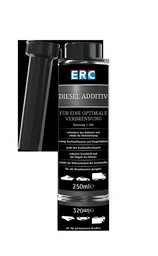
Another reason is protection. Special additives for diesel fuel, known as anti-gelling agents, such as
, prevent paraffin from separating in freezing temperatures. This keeps your fuel lines clear and ensures reliable starting in winter.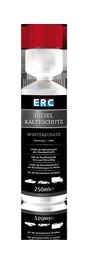
Tip: Always find out exactly how an additive works. A product that “boosts performance” often does so by cleaning. A product that “protects” forms a film on metal parts. Understand the mechanism so you can have realistic expectations.
Brake fluid test: Safety comes first
Brake fluid is a critical safety component. It transfers pedal pressure to the brake pistons. Its most important property is a high boiling point. Heavy braking generates heat, and boiling brake fluid causes a spongy pedal feel and brake failure.
The DOT 4 standard defines minimum boiling point requirements. A high-quality brake fluid such as
(SL6 DOT 4) not only meets the required boiling point, but also offers excellent lubricating properties and seal compatibility. This protects the entire braking system against premature wear. also meets the DOT 4 specification. When choosing a product, pay attention not only to the standard but also to compatibility with your vehicle. Some manufacturers specify particular fluids. Regular replacement according to the vehicle manual is essential because brake fluid is hygroscopic and absorbs moisture from the air over time.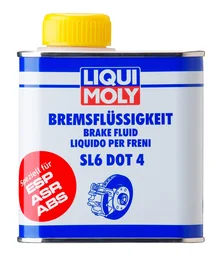

Warning: Brake fluid is corrosive and can damage paint and plastics. Work with extreme care and always keep a clean, lint-free cloth nearby. Rinse off spilled fluid immediately with plenty of water. Always store brake fluid tightly closed in its original container and out of reach of children.
Diesel Additive Comparison: Performance and Protection
Diesel additives are one of the most popular categories in vehicle care. They can be broadly divided into three groups: performance enhancers, cleaners and cold-weather protection additives.
Performance additives such as
(Diesel Power Additive) are designed to improve combustion efficiency. They can slightly increase the cetane number, resulting in smoother, more complete combustion. This can lead to a noticeable increase in torque at low and medium engine speeds. The cleaning effect is often a positive side effect.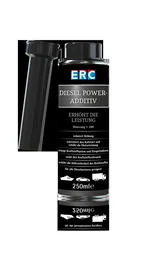
Cleaning additives such as primarily focus on removing deposits from the injection system and combustion chamber. They help compensate for power losses over time and counteract increases in fuel consumption. Regular use can extend the service life of expensive components such as fuel injectors.
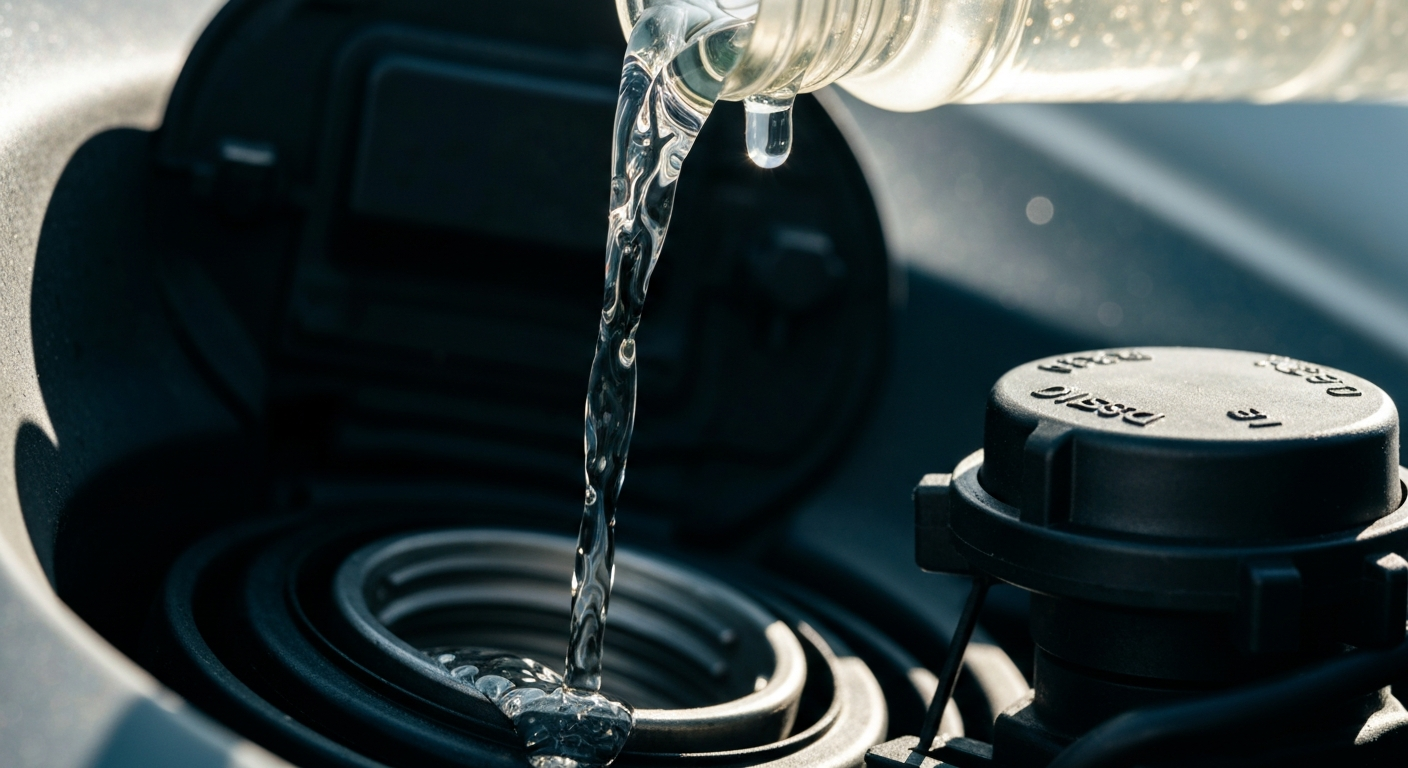
Cold-weather protection additives such as are preventive additives for the colder months. They lower the pour point of diesel fuel and prevent the paraffins it contains from crystallising and clogging the fuel filters. Ideally, add this additive before the first night-time frosts occur.
Note: The effects of diesel additives are not always immediate or dramatic. They are often intended as a long-term maintenance or protection measure. Particularly in older vehicles with high mileage, the first application of a cleaning additive may initially result in increased fuel consumption because dissolved deposits are being burned.
What to look for in diesel additives
Choosing the right diesel additive depends on your goal. Ask yourself: Do I want to provide preventive protection (cold-weather protection), alleviate existing problems (cleaning) or optimise driving performance (performance additive)?
Some products combine several properties. Check the exact product description. Compatibility with diesel particulate filters (DPF) and SCR catalytic converters (AdBlue system) is essential in modern diesel vehicles. Only use additives explicitly approved for this purpose.
Engine Treatments and Other Additives
In addition to the categories mentioned above, there are other specialised additives. The ceramic engine treatment offered by
is an interesting example. This additive is mixed with the engine oil and is intended to form a microscopically thin, wear-reducing ceramic film on the moving parts inside the engine.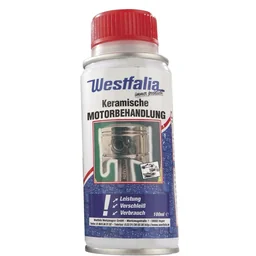
The claimed benefits include reduced friction, lower oil consumption, improved cold-start protection and a longer engine life. Such products are particularly interesting for heavily used engines or high-mileage vehicles. Their effectiveness depends heavily on the quality of the formulation.
Other examples include additives for the vehicle sector, such as heating oil clarifiers (
) or specialised radiator and air-conditioning system cleaners. The same applies here: use them selectively to solve a specific problem or prevent one from occurring.
AdBlue: A Special Case
Strictly speaking, AdBlue is not an additive that you mix with the fuel. It is a highly pure urea solution carried in a separate tank and injected into the exhaust gases downstream of the diesel particulate filter. In the SCR catalytic converter, it reacts with nitrogen oxides (NOx) and converts them into harmless nitrogen and water. Regular refilling, for example with a 5-litre canister, is an established part of maintenance for modern Euro 6 diesel vehicles.
How do I choose the right additive?
Choosing the right additive is a three-step process.
1. Diagnose the problem or define your goal: Identify exactly what you want to achieve. Are you experiencing a rough idle and high fuel consumption? A cleaning additive could help. Are you planning a winter trip to cold regions? A cold-weather protection additive is advisable. Are you looking for preventive engine protection? An engine treatment may be worth considering.
2. Check compatibility: This is the most important step. Check your vehicle documents or owner's manual to find out whether additives may be used. Caution is advisable with modern vehicles that have long warranty periods. Make sure that the chosen product is explicitly approved for your vehicle model, engine type and all installed emissions control systems (DPF, SCR).
3. Compare products: Use our comparison table and the highlighted PRODUCT_IDs such as , and as reference points for proven products in their category. Compare the stated effects and application instructions.
Application and Dosage: How to Proceed
Correct application is crucial for an additive to work effectively and safely.
Dosage: Follow the manufacturer's instructions strictly. Under-dosing will have no effect, while over-dosing can cause damage and is wasteful. Many fuel additives are dosed per tankful. For closed systems such as brake fluid or coolant, replace the entire fluid as instructed.
Timing: For fuel additives, ideally add the additive to an empty or nearly empty tank before refuelling. This ensures good mixing. For engine oil additives, add them to fresh oil before an oil change or, if explicitly permitted, to used oil.
Safety: Wear suitable gloves when handling additives, especially brake fluid. Work in well-ventilated areas. Dispose of empty containers and used fluids properly through a workshop or hazardous waste collection point.
Conclusion: In 2026, the additive market offers well-designed solutions for almost every vehicle problem. The key to success lies in choosing the right product for the job. Define your goal, check compatibility and follow the dosage precisely. High-quality products such as those highlighted in our comparison can then perform reliably and help support your vehicle's longevity and efficiency.
Frequently Asked Questions
- Do I really need additives for my car?
- Modern vehicles are designed to use precisely formulated fluids. Additives are not essential, but they can solve or prevent specific problems. For example, you can use them to clean fuel injectors, protect against corrosion in the cooling system or improve braking performance in older brake systems. If in doubt, follow the vehicle manufacturer's specifications.
- Can I mix different additives?
- We strongly advise against mixing different additives on your own. Their chemical formulations may react with each other and cause unwanted side effects such as flocculation or loss of effectiveness. Always use only one additive per system and flush the system thoroughly when changing products. Only mix products that are explicitly approved for this purpose.
- Can additives damage the engine or affect the warranty?
- Additives from reputable manufacturers that meet your vehicle's specifications will generally not damage the engine. Problems can arise if their use violates explicit prohibitions by the vehicle manufacturer in the warranty agreement. If in doubt, clarify before use whether the additive could affect your warranty claims.
- How often should I use additives?
- Application intervals vary considerably depending on the product. Fuel additives such as PRODUCT_83781 or PRODUCT_104432 are often mixed in with every refuelling or at longer intervals. Additives for closed systems such as brake fluid or coolant should be replaced according to the maintenance schedule. Strictly follow the manufacturer's recommended dosage.
- How can I recognise a high-quality additive?
- Look for clear performance claims (e.g. 'increases the cetane number', 'protects against corrosion'), a detailed compatibility list and references to common standards (e.g. DOT 4 for brake fluid). Reputable manufacturers provide safety data sheets. Our comparison and the PRODUCT_ID labels help you identify proven products.
You may also be interested in
- Dietary Supplements Review & Comparison 2026
- Model Building Glue Review & Comparison 2026
- Motor Oil Review & Comparison 2026: The Best Oils Reviewed
- Bike Accessories Review & Comparison 2026: The Best Products Reviewed
- Technology Review & Comparison 2026: The Best Products Tested in Practice
- Degreaser Review & Comparison 2026