
In short: Ants in the garden are usually beneficial: They loosen the soil, clear away organic debris and provide food for birds. They become pests when they expose plant roots, undermine patios or protect aphids. Tackle the cause first, use natural methods and turn to the right ant treatment for severe infestations.
Ants in the garden are not automatically a problem. They loosen the soil, clear away dead insects and plant debris and are part of the food web. Problems only arise when a nest exposes plant roots, undermines paths or encourages aphids on cultivated plants.
Choosing the right measure therefore depends not on the number of individual ants, but on the location of the nest and the actual damage. First identify the cause, then choose a natural method or an approved product that reaches the nest.
Are ants in the garden beneficial or harmful?
Ants perform several ecological tasks in the garden. They carry organic debris into their nests, eat dead insects and loosen the soil with their tunnels. This allows air to reach the upper layers of soil and helps water drain away.
Many species also disperse plant seeds. Some ants prey on small insects and themselves provide food for birds, amphibians and other animals. A nest at the edge of your property is therefore usually no reason to take action.
What role do ants play?
- Soil care: Their tunnels improve aeration and mix fine organic matter into the soil.
- Decomposition: Ants make use of dead insects and plant debris.
- Seed dispersal: Some plants rely on ants to spread their seeds further.
- Food source: The insects provide food for many native birds and other garden wildlife.
The labels beneficial and pest therefore only partially describe ants. The same species can be beneficial in one location and a nuisance in another. What matters is their specific impact on plants, paths, buildings and the ecological balance.
What damage can ants cause?
Ants do not normally eat healthy plants in large quantities. However, they can carry soil away from the root area. This exposes fine roots, causing the plant to dry out faster and become less stable in hot weather.
- Nests beneath paving slabs can cause the paving to sink.
- Ant trails on fruit and ornamental plants often indicate aphids.
- Nests in raised beds disturb the soil structure and dry out individual areas.
- Ants can enter the house through cracks in walls, beneath patios or around doors.
Observe the area for several days. A few ants on the patio are very different from a permanent nest around the roots of a young plant.
“Ants are not automatically pests in the garden. They improve soil structure, make use of organic debris and play an important role in the food web.”
When do ants in the garden become a problem?
Not every ant trail warrants treatment. Intervention makes sense when ants repeatedly damage plants, protect aphids on cultivated plants, undermine paths or wander into living spaces.
Also check whether the ants are simply following a food source. A knocked-over glass of juice, ripe windfall fruit or pet food on the patio can attract many ants for a short time without a large nest being nearby.
How can you identify a nest?
Follow an ant trail in the early morning or evening. Activity is often easy to see then. Look for loose soil, small openings between paving joints, hollow spaces beneath stones and a regular entrance and exit.
- In the lawn: Fine soil mounds and dry, yellowish patches of grass indicate a nest.
- In the bed: Loose soil directly around the plant stem may indicate a nest in the root area.
- Under paving slabs: Sand trickling from the joints suggests hollow spaces beneath the paving.
- On plants: Large numbers of ants are often found where aphids produce honeydew.
Mark the area before taking action. For larger areas, a systematic check of the garden and outdoor section can help you assess the nest, trails and affected plants separately.
Why do ants attract aphids?
Aphids suck sap from plants and excrete sugary honeydew. Ants collect this honeydew and partly protect the aphids from predators. As a result, an aphid infestation can intensify when ants regularly patrol the plant.
Check the undersides of leaves, young shoots and flower stems. Remove small colonies with a strong jet of water or encourage ladybirds, lacewings and hoverflies. Treat the aphids before using an ant treatment.
Pro tip
Watch the ant trail for 24 hours before disrupting it. This helps you determine whether the ants are heading to a nest in the bed or merely using a temporary food source on the patio.
How can you control ants naturally?
If a nest is in the wrong place, start with the mildest appropriate measure. First remove food sources and aphids, disrupt the ants’ trails and improve conditions in the affected area.
Remove the cause first
Ants stay where they find food, moisture or a sheltered cavity. A lasting solution rarely comes from a single scent deterrent. Systematically remove the cause.
- Remove fallen fruit, sugary drinks and leftover pet food.
- Clean sticky areas on patios, garden furniture and windowsills.
- Check plants for aphids and treat infested shoots at an early stage.
- Sweep sand and soil out of cracks and seal small cavities along paths.
- Water dry beds evenly without permanently flooding nests.
Suitable garden tools are ideal for checking cracks, plants and bed edges. Work specifically on the affected area and leave intact nesting sites at the edge of the property undisturbed.
How do you relocate a nest?
A small, shallow nest can sometimes be relocated. Fill an upturned flowerpot with wood wool, dry grass or loose soil. Place it directly over the nest entrance or very close by.
Wait until the ants accept the sheltered cavity. This can take several days. Once the ants are using the pot, slide a board underneath it and carry it to a suitable location well away from the house, patio and sensitive plants.
This method does not work for every nest. Large colonies, deep nests and nests beneath solid paving slabs usually cannot be completely relocated in this way. Continue monitoring before taking further steps.
Which home remedies really work?
Cinnamon, lemon peels, herbs, coffee grounds and essential oils can temporarily deter ants from a trail. Rain, watering and the next food source quickly cancel out the effect. These remedies eliminate neither the queen nor the nest.
Salt, vinegar and boiling water do not belong in flowerbeds. They can damage roots, soil organisms and neighbouring plants. Baking soda is also not considered a reliable method for dealing with an intact ant nest.
Important note
Mound nests built by wood ants are specially protected in Germany. Do not remove or destroy such nests yourself. Never use ant control products near bodies of water, and keep children and pets away during application.
If natural measures are not enough, check the location of the nest and switch to a suitable, approved product. You can find additional garden and plant care accessories for flowerbeds and plants.
Which ant killers work for severe infestations?
In cases of severe infestation, a product only works reliably if it reaches the right location. Baits are particularly suitable for trails and accessible nests. Depending on the product, granules may be suitable for lawns, cracks or outdoor areas.
Check the product approval before buying and read the label before every application. Pay attention to permitted areas of use, dosage, application intervals, waiting periods and instructions for pets. Never use more product than stated.
Why do bait stations work through the nest?
Worker ants take the bait and carry it into the nest. This allows the active ingredient to reach ants that you cannot see on the surface. The effect is therefore often delayed. Do not remove the bait station immediately while ants are still taking the bait.
Place bait stations on the observed trail, but not directly on edible parts of plants. Children and pets must not be able to reach the bait. If there is no effect after the specified application period, check the location of the nest and the product instructions.
When are granules suitable for watering and spreading?
Granules can be used more selectively on larger outdoor areas than individual bait stations. Some products are spread dry, while others are mixed with water and applied by watering. These methods vary depending on the active ingredient and product approval.
Do not spread granules over large areas of flowers, herbs or vegetables unless the label expressly permits this use. Keep away from ponds, water butts and drains. Dispose of packaging and leftover product according to the manufacturer’s instructions.
For a targeted selection from the range, the following products may be suitable:
- Works through the nest: , ant bait and ant killer in a 2-pack.
- For watering and spreading: , ant killer with 600 g contents.
- Granules for outdoor areas: , ant killer granules with 500 g contents.
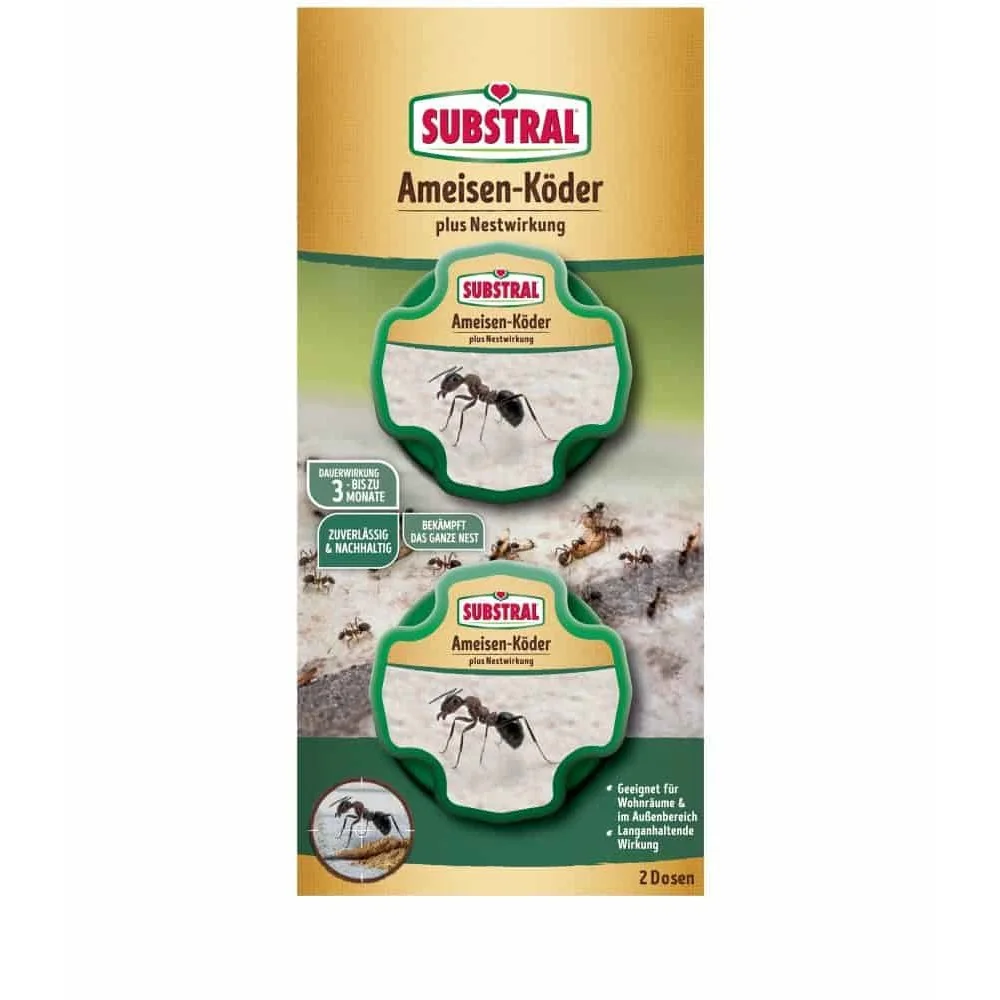
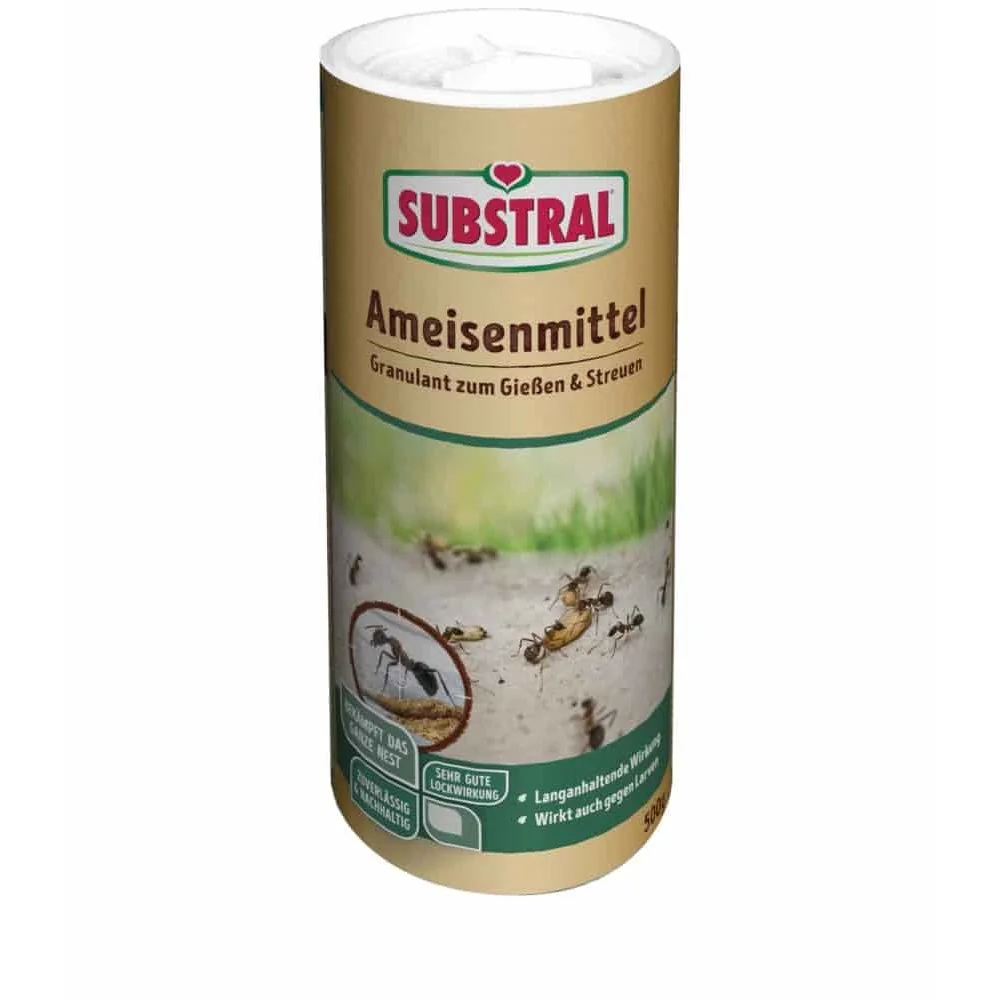
Do not automatically choose the largest pack. The decisive factors are the area, the location of the nest and the approved application. For paths, flowerbeds and patios, supplement ant control with suitable garden equipment as needed.
“Biocidal products should only be used when other measures are not sufficient, and always exactly as instructed.”
How can you prevent ants?
Good prevention focuses on food, moisture and hiding places. You do not need to keep every ant away. The aim is to create a garden where problematic nests do not become established directly next to your house, patio or sensitive plants.
How do you keep food sources away?
Store sugar, honey, fruit and pet food in sealed containers. Clean up spilled drinks immediately and regularly collect ripe windfall fruit. Rinse pet bowls after use if they are kept outdoors.
Clean garden furniture and work surfaces after eating. Even small sticky residues can be enough to create an ant trail. Check window sills, doors and the transitions between the patio and house.
How do you protect flower beds, paths and patios?
Check the joints in patios and garden paths during spring and summer. Sweep in loose material, repair sunken pavers and seal cavities. An intact surface gives ants fewer nesting opportunities.
Do not keep wood, stones or planters permanently right next to the house wall. They create dry, sheltered spaces. However, only remove these hiding places where they are actually causing problems, as deadwood and loose natural materials also support other garden wildlife.
How can you prevent aphids?
Check young shoots and the undersides of leaves regularly. Remove individual aphids by hand or with water, and encourage natural predators with flowering plants. Avoid unnecessary broad-spectrum pesticides, which can harm ladybugs, lacewings and other beneficial insects as well as aphids.
Plants that have been heavily fertilized develop particularly soft young shoots and attract aphids. Fertilize as needed and follow the recommended dosage. A robust plant suited to its location can tolerate a few aphids better than an overfertilized shoot.
What does a sensible monitoring plan look like?
- In spring: Check joints, bed edges, raised beds and dry areas of lawn for new nests.
- During the season: Check plants for aphids and follow any noticeable ant trails.
- After rain and hot weather: Look for sunken pavers, exposed roots and new piles of soil.
- Before applying any product: Identify the damage and read the product information in full.
Additional advice
Photograph noticeable nests and ant trails from different angles. After a few days, this will help you determine whether activity is actually spreading or is simply responding to a single food source.
Ants in the garden should initially be observed rather than controlled immediately. Leave beneficial nests in unproblematic locations undisturbed and intervene where plants, paths or buildings are being damaged.
The best order of action is: find the cause, remove the food source, observe the nest, try natural measures and only then use a suitable ant killer. This protects garden soil and beneficial insects while solving the specific problem with as little effort as possible.
Frequently asked questions
- Are ants in the garden helpful or harmful?
- Ants perform important functions in the garden: They loosen the soil, remove organic debris and provide food for other animals. They become problematic when they expose plant roots, encourage aphids, undermine paths or enter buildings. The location, size and consequences of the nest are therefore what matter.
- How can I get rid of ants in the garden naturally?
- Remove food sources, rinse ant trails with water and eliminate aphids from affected plants. A flowerpot filled with wood wool can provide a new home for a nest when the ants relocate. Then place the pot well away from its original location. Scents such as cinnamon usually work only for a short time.
- Which ant killer works best in the garden?
- For an accessible nest, bait stations are often more targeted than widely scattered products because worker ants carry the active ingredient back to the nest. For nests in lawns or joints, granules for watering or spreading may be suitable, depending on the product's approved uses. Always follow the label and dosage, observe any waiting periods, and keep products away from children and pets.
- When should I control ants in the garden?
- Take action when ants expose plant roots, dry out flower beds, protect aphid colonies, undermine paving or move into the house. A few ants on paths usually do not require treatment. First check whether the nest is actually causing damage. You must not remove protected wood ant nests yourself.
- How can I prevent ants in the garden long term?
- Keep patio joints and cracks clean, store sugary foods in sealed containers and clean up spilled juices immediately. Check plants regularly for aphids and treat infestations early. Repair undermined areas, improve drainage and remove nesting opportunities only where they are genuinely causing problems.
You may also be interested in
- Ants in the Lawn: The Best Home Remedies and Tips
- Getting Rid of Ants: Home Remedies and Professional Tips for Your Home and Garden
- How to Get Rid of Ants in Raised Beds: Natural Methods That Really Work
- Bugs in the Garden: Friend or Foe? Identifying Beneficial Insects
- Moles in the Garden: Helpful Allies or Garden Pests?
- Effective Garden Pest Control: Tips and Tricks