
In brief: In August, prepare your garden soil for fall. Use empty beds for succession planting with fast-growing vegetables such as mâche or radishes. Or sow cover crops such as phacelia or clover to loosen the soil, add nutrients and suppress weeds.
August is not the end of the gardening year; it is an important turning point. The first big harvest is over, the potatoes have been dug and the early beans picked. Empty beds are left behind, along with soil that has worked hard for months. Now you can prepare for fall and next spring. You have two great options: grow a late-season crop through succession planting or improve the soil with cover crops.
This August gardening calendar shows you how to make the most of the newly available space in your Garden + Outdoor area. Prepare your soil for the cold season and lay the groundwork for a plentiful harvest next year.
Why is August a key month for preparing your soil for fall?
After heavy-feeding crops such as tomatoes, zucchini or potatoes, the soil is depleted. Important nutrients have been used up, and the soil may have become compacted from walking on and working the bed. If you leave a bed bare, late-summer downpours can wash remaining nutrients out of the topsoil. Weeds can also quickly take hold in the open ground.
August is the perfect time to counter these effects. The soil is still warm, which helps seeds germinate. Take advantage of these conditions to grow another crop of fast-growing vegetables or give your soil a restorative boost with cover crops. Both options protect the soil, support soil life and help prepare it for the next growing season.
Cover crops are a practical way to protect the soil. They feed soil life, improve soil structure and prepare the bed for the next season—an investment that pays off with every harvest.
How can you use empty beds for a second harvest with succession planting?
Succession planting is simple: use the remaining warmth of late summer to grow vegetables with a short growing season. You can harvest fresh greens from your garden into late fall or even winter. These crops are usually light feeders and do well with the nutrients left in the soil.
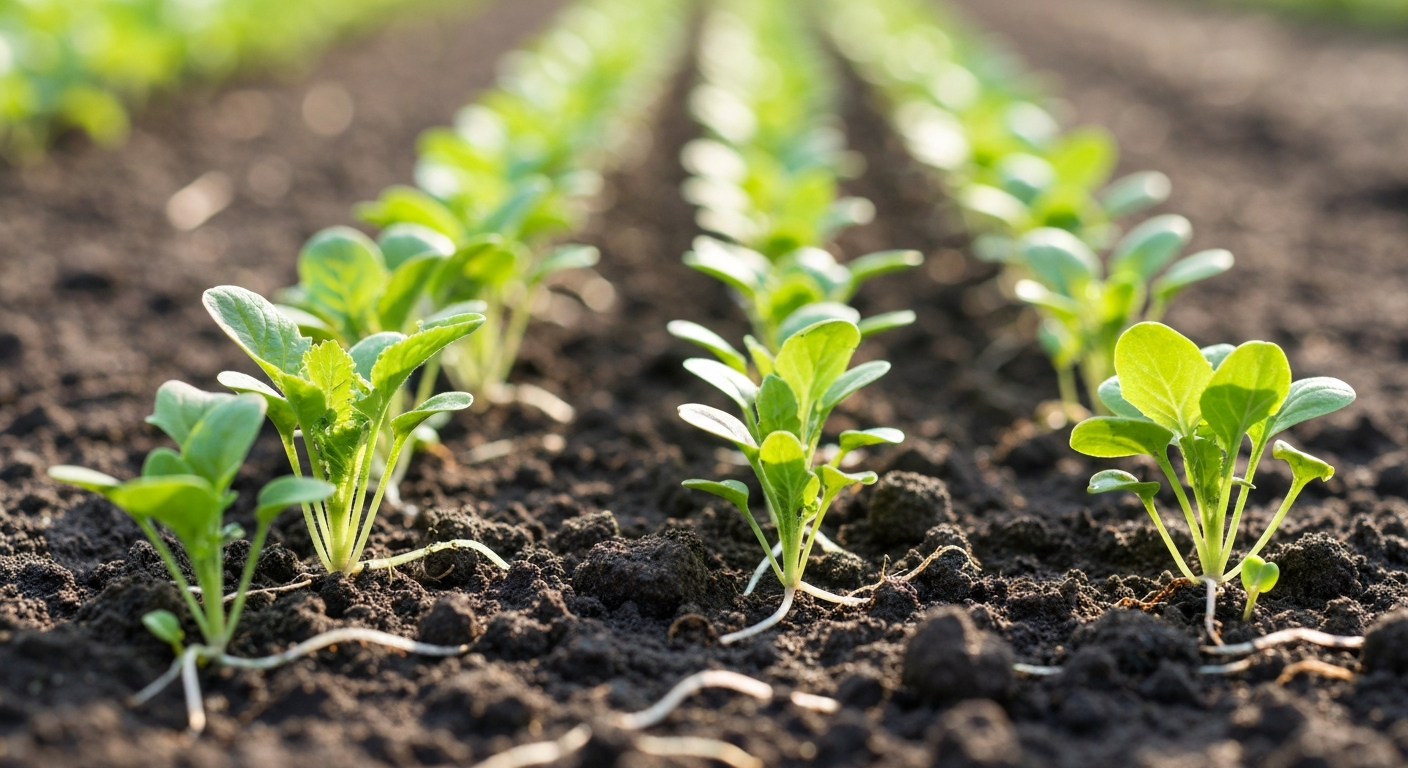
Which vegetables can you sow in August?
Choose varieties that germinate and grow quickly. The days are getting shorter, so timing matters. These crops are ideal for sowing in August:
- Mâche (lamb's lettuce): A classic fall crop. It is hardy, frost-tolerant and germinates reliably in warm August soil. Avoid sowing it too deeply.
- Spinach: Fall spinach grows quickly and gives you a generous harvest before winter. Choose bolt-resistant varieties.
- Radishes: Radishes are ready to harvest in just four to six weeks. Their roots help loosen the soil, and they are ideal for filling small gaps.
- Winter purslane (claytonia): An often-overlooked winter vegetable. It is extremely frost-hardy and can be harvested all winter. Its flavor is mild and nutty.
- Asian greens: Varieties such as mizuna or pak choi grow quickly and add a spicy note to fall dishes. They tolerate cold weather but are not fully hardy.
- Endive and sugarloaf chicory: It is too late to sow these greens. Instead, buy strong young plants from a garden center and plant them directly in the bed.
How to prepare a bed for succession planting
Good preparation is key to success. First, remove all remnants of the previous crop and weed the bed thoroughly. Then loosen the soil surface with a cultivator or rake. Deep digging with a spade is usually unnecessary and can disturb soil life.
Work in a thin layer of mature compost or a mild organic fertilizer. That is enough for most succession crops. The right garden tools make the job easy. Make seed rows, sow the seeds and cover them lightly with soil. Gently firm the soil to ensure good seed-to-soil contact. Then water the sown area thoroughly.
Pro tip
To speed up germination in summer heat, cover freshly sown rows with a damp jute sack or a board. Remove the cover as soon as the first seedlings appear so they get enough light.
What is green manure and how does it improve your garden soil?
Green manure is a tried-and-tested method of naturally improving soil in autumn that has been used for centuries. Instead of leaving the bed empty, you deliberately sow plants that are not harvested but later worked into the soil or left on the surface as a protective layer. These “green helpers” act like a treatment for your garden soil.
A good often contains a mixture of different plants that complement each other in their effects. This allows you to achieve a wide range of positive effects for your soil with a single sowing.
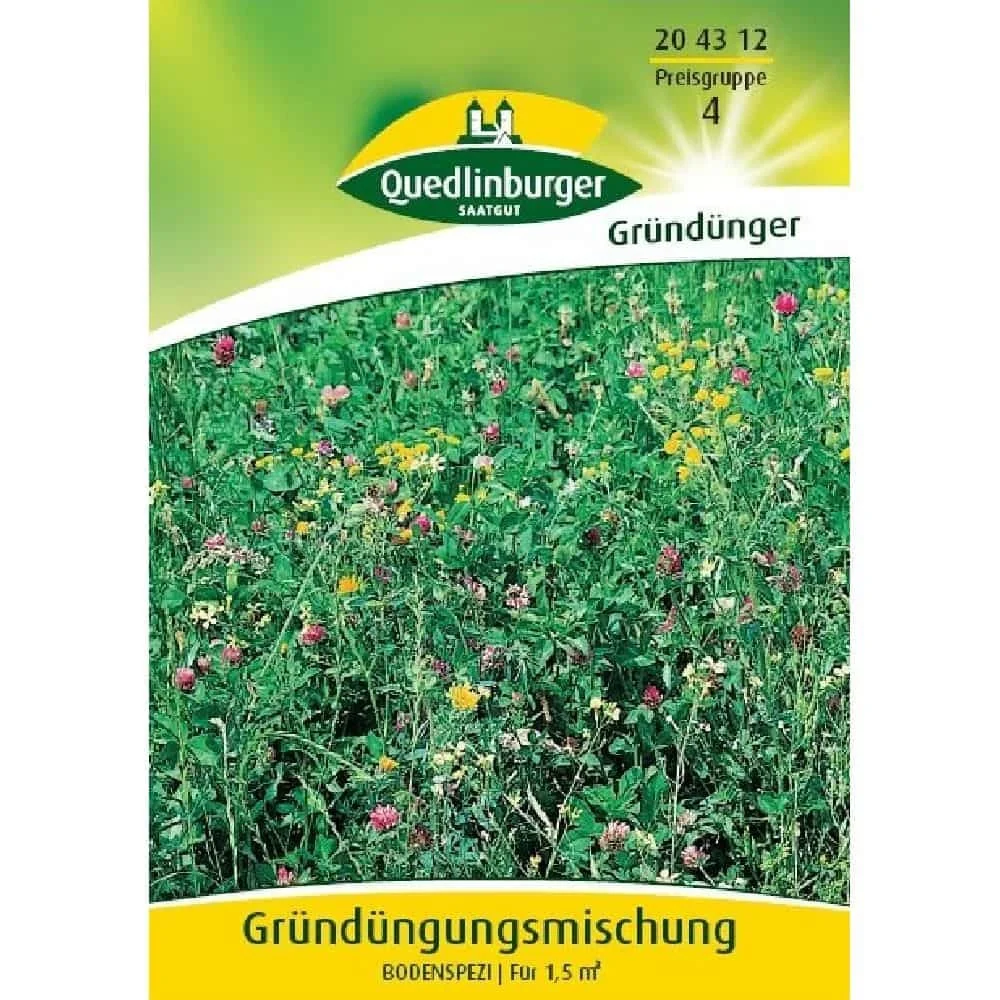
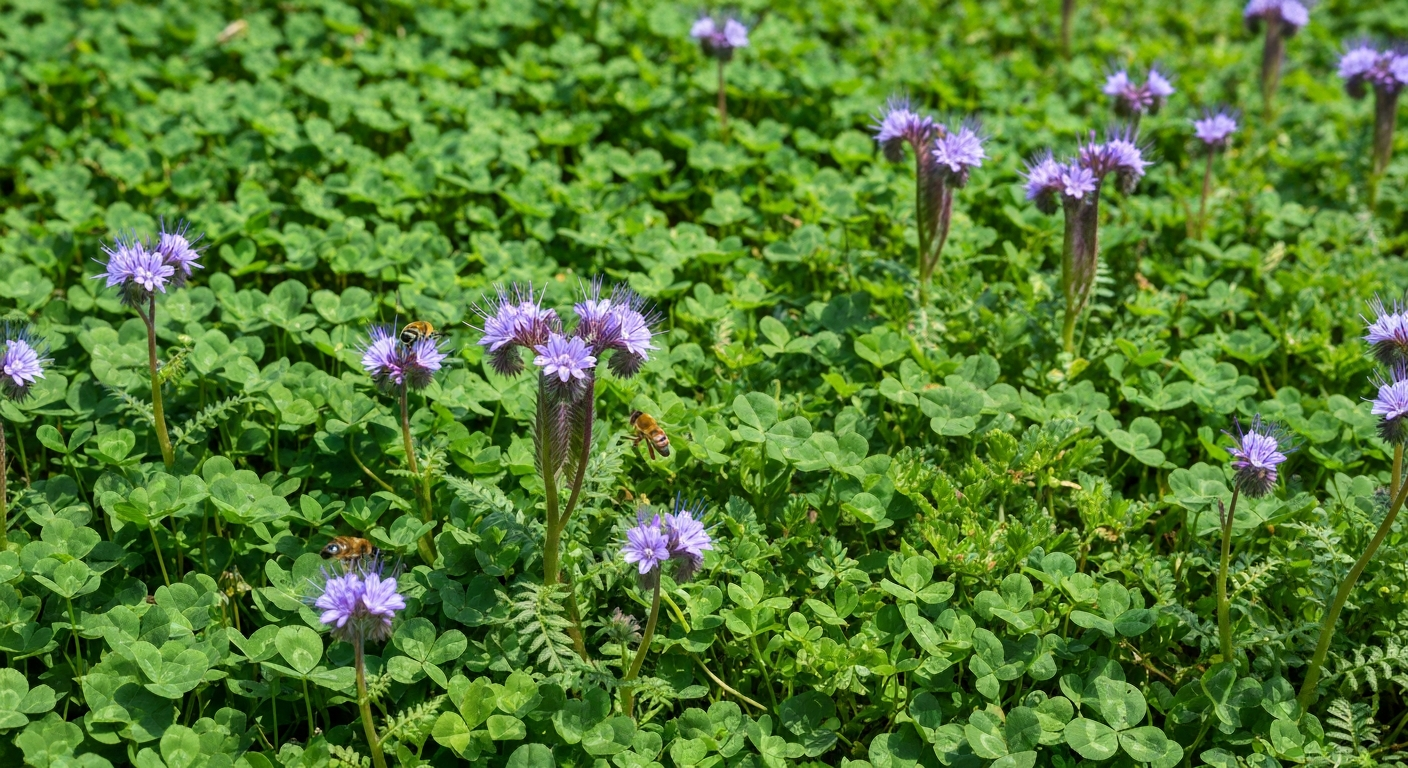
The benefits of green manure in detail
The positive effects of green manure are varied and provide long-term benefits:
- Loosening the soil: Deep-rooted plants such as oilseed radish and lupins break through compacted layers and improve air and water flow in the soil. This saves you the hard work of digging over the soil.
- Adding nutrients: Legumes such as clover, vetches and peas form a symbiosis with nodule bacteria. These bacteria bind nitrogen from the air and make it available to subsequent plants. The is an excellent nitrogen fixer.
- Building humus: The biomass of green manure plants is broken down by microorganisms and converted into valuable permanent humus. Humus-rich soil can store water and nutrients more effectively.
- Suppressing weeds: A dense stand of plants shades the soil and gives weed seeds no chance to germinate. This significantly reduces the amount of weeding needed the following spring.
- Preventing erosion: Plant cover protects the valuable topsoil from becoming waterlogged and compacted by heavy rain and from being blown away by the wind.
Important note
Pay attention to crop rotation. Do not sow green manure from the same plant family as your main crop planned for the following year. To prevent diseases such as clubroot, do not sow brassicas such as mustard or oilseed radish in beds where you plan to grow cabbages the following year.
Which plants are suitable for green manure in autumn?
Green manure plants are mainly divided into two types, depending on how they survive the winter.
Non-hardy green manure:
These plants die back during the first severe frosts. Their dead remains form a protective mulch layer on the bed, which supports soil life and keeps the soil covered. In spring, simply work the plant remains into the topsoil.
- Phacelia (bee-friendly plant): An all-rounder. It develops deep roots, suppresses weeds, is not related to our vegetable plants and provides bees with a late source of food.
- Yellow mustard: It grows extremely quickly and produces a large amount of biomass in a short time. Ideal for late sowing.
- Buckwheat: It also thrives in poorer soils and makes phosphorus available, which is otherwise difficult for other plants to access.
Winter-hardy green manure:
These plants survive the winter and continue growing in spring. They provide year-round protection for the soil. In spring, you must mow them before they flower and set seed, then work them into the soil. Allow two to three weeks before planting the new crop.
- Winter rye: It develops a substantial root system that loosens and stabilises the soil exceptionally well.
- Crimson clover: As a legume, it is an excellent nitrogen fixer.
How do you sow green manure correctly in August?
Sowing green manure is straightforward. In just a few steps, you can turn an empty bed into a green oasis for your soil.
- Clear the bed: Carefully remove all plant remains from the previous crop and any weeds.
- Loosen the soil: Rake over the surface of the bed to create a fine, crumbly seedbed. A broadfork or cultivator is perfect for this.
- Sow the seeds: Scatter the seeds as evenly as possible over the entire area. Follow the quantities specified on the packaging to prevent the plants from growing too densely.
- Lightly work them in: Rake the seeds shallowly into the top layer of soil. They should only be lightly covered with soil.
- Firm and water: Gently pressing down with the back of the rake or a board ensures good soil contact. Then water the area thoroughly with a fine spray to avoid washing the seeds away.
Care is generally limited to watering during prolonged dry spells until the plants have formed a dense carpet. Additional garden and plant care supplies can help you look after them.
Additional advice
Leave frost-killed green manure on the bed over winter as a mulch layer. Earthworms gradually pull the plant remains into the soil and turn them into valuable humus. In spring, you can simply rake the remains into the soil.
What happens to green manure in winter and spring?
How you deal with green manure in spring depends on whether you chose a frost-killed or winter-hardy variety. With frost-killed plants such as phacelia or mustard, the frost does most of the work for you. The frozen plant material remains on the bed as a protective layer.
Winter-hardy plants such as winter rye need to be actively managed in spring. Mow or cut back the growth before the plants flower and set seed. Leave the cuttings on the bed for a few days to wilt. Then work them shallowly into the soil. Wait around two to three weeks before replanting the bed. During this time, decomposition begins and the nutrients contained in the green material become available to the new plants.
Humus is the gardener’s capital. Every organic measure, from adding compost to sowing green manure, is a deposit into this account, which pays interest over the years in the form of healthy plants and reliable harvests.
August is more than just a month for harvesting. It is your opportunity to actively invest in the health of your garden. Whether you choose a late crop or soil-improving green manure, every measure that covers and nourishes the soil is a worthwhile gain. You do not end the season with empty beds, but with thoughtful preparation that will pay off handsomely in the next gardening year.
Frequently Asked Questions
- What can you still plant in August?
- In August, you can sow fast-growing crops such as mâche (corn salad), spinach, radishes, turnips and winter purslane. Lettuce varieties such as endive and sugarloaf chicory are also good choices. To improve your soil, sow cover crops such as phacelia or mustard to prepare your beds for next year.
- How long do cover crops need to grow?
- Non-hardy cover crops should grow for at least 6-8 weeks before the first frost. Hardy varieties keep growing into late fall, survive the winter and can be worked into the soil in spring, about 2-3 weeks before your next planting.
- Are cover crops better than mulch?
- Cover crops and mulch are different but complementary methods. Cover crops improve the soil from within through their roots and added nutrients. Mulch protects the soil surface from drying out and erosion. Cover crops killed by frost form a natural layer of mulch over the winter.
- Should I fertilize the soil before sowing cover crops?
- No, usually not. Cover crops are generally low-maintenance. Their purpose is to capture nutrients in the soil or, in the case of legumes, add new nitrogen. Fertilizing is therefore unnecessary and can be counterproductive.
- Which cover crops are suitable for soil affected by clubroot?
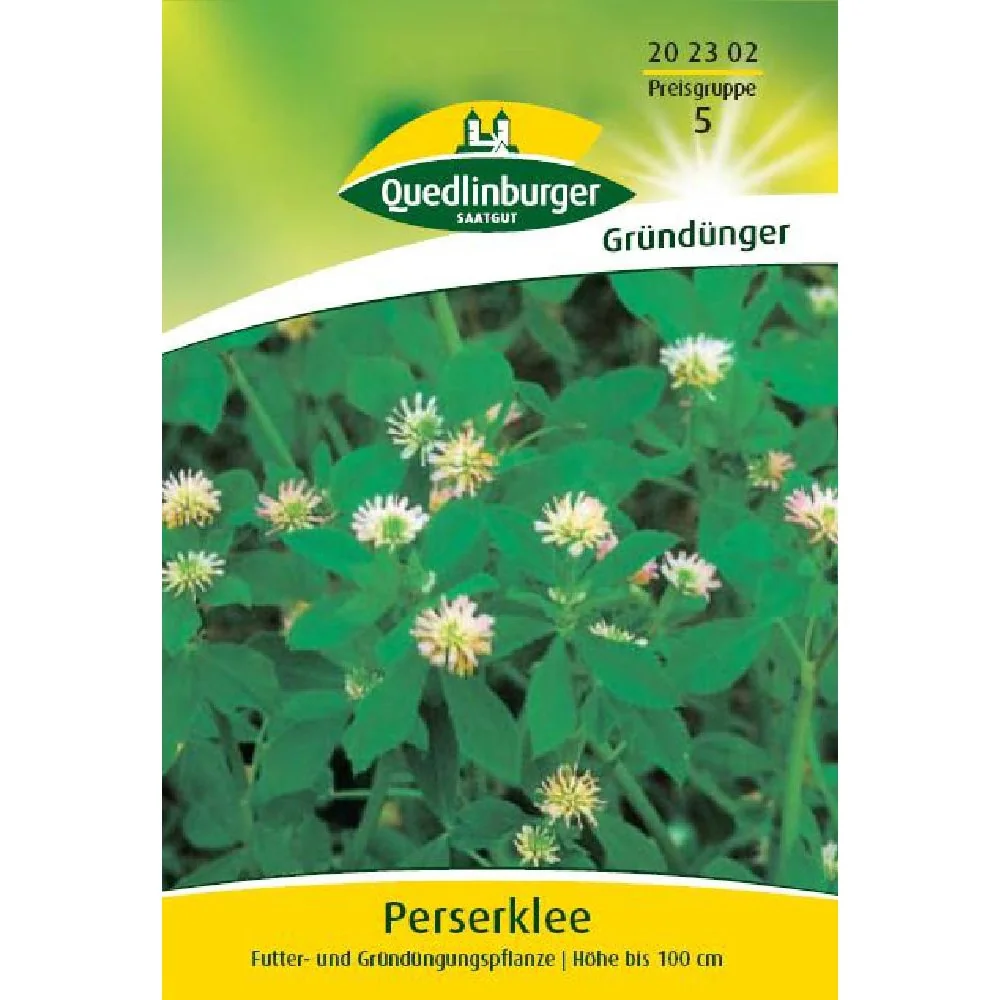
- If you have problems with clubroot, avoid brassicas such as mustard and oilseed radish, which can spread the disease. Instead, choose plants from other families, such as bee-friendly phacelia, buckwheat, Persian clover or a brassica-free cover crop mix.
You may also be interested in
- Urban gardening in August: tips for harvesting and succession planting
- The seasonal gardening calendar: the right care all year
- Companion planting: how to garden successfully without chemicals
- When to spread horse manure: a seasonal gardening guide
- A sowing calendar for your garden
- Gardening in May: your complete 2024 gardening calendar