
Kurz erklärt: Ein guter Autobatterietester ermittelt nicht nur die Spannung, sondern analysiert auch die Startfähigkeit (CCA), die innere Leitfähigkeit und den Ladezustand. Im Test schneiden moderne Digitalgeräte mit erweiterter Diagnosefunktion besonders gut ab. Einfache Voltmeter sind für die Grundprüfung ausreichend, bieten aber keine Prognose über die tatsächliche Startleistung. Entscheidend ist die Kompatibilität mit Ihrem Batterietyp.
Eine schwache Autobatterie ist eine der häufigsten Pannenursachen. Ein plötzlicher Startversagen ist nicht nur ärgerlich, sondern kann auch gefährlich werden. Mit einem zuverlässigen Autobatterietester gewinnen Sie Sicherheit. Sie können den Gesundheitszustand Ihrer Batterie selbst prüfen, bevor es zu spät ist. Unser Test und Vergleich für 2026 zeigt, worauf Sie achten müssen und welche Geräte die besten Ergebnisse liefern.
Inhaltsverzeichnis
- Wie funktioniert ein Autobatterietester?
- Die wichtigsten Kaufkriterien im Überblick
- Kompatibilität mit verschiedenen Batterietypen
- Test und Vergleich: Unsere Produktempfehlungen
- So wenden Sie den Batterietester richtig an
- Die Diagnose verstehen: Was bedeuten die Werte?
- Batteriepflege und Lebensdauer verlängern
Wie funktioniert ein Autobatterietester?
Moderne Autobatterietester arbeiten nicht mehr nur als einfache Voltmeter. Sie senden ein hochfrequentes Signal durch die Batterie und messen die Reaktion. Aus dieser Reaktion berechnen sie den Innenwiderstand. Ein hoher Innenwiderstand deutet auf Alterung oder Schäden hin.
Die zweite zentrale Messgröße ist der Kaltstartstrom, abgekürzt CCA. Der Tester legt eine kurze, definierte Last an die Batterie an. Er simuliert so den Anlasserstrom. Aus dem Spannungsabfall unter dieser Last ermittelt er die aktuelle Startkraft. Gute Geräte zeigen das Ergebnis als Prozentwert des Soll-CCA an.
Tipp: Führen Sie den Test immer bei Raumtemperatur durch. Eine kalte Batterie liefert verfälschte Werte. Wenn das Fahrzeug gerade gefahren wurde, warten Sie mindestens zwei Stunden, bis sich die Batterie auf Raumtemperatur abgekühlt hat.
Die wichtigsten Kaufkriterien im Überblick
Bevor Sie sich für ein Gerät entscheiden, sollten Sie einige Punkte prüfen. Die Kompatibilität steht an erster Stelle. Stellen Sie sicher, dass der Tester Ihr Bordnetz unterstützt. Die meisten Pkw arbeiten mit 12 Volt, Nutzfahrzeuge und einige Oldtimer mit 24 Volt.
Die unterstützten Batterietechnologien sind der nächste wichtige Punkt. Klassische Nassbatterien (SLI) sind Standard. Für Fahrzeuge mit Start-Stopp-Automatik benötigen Sie einen Tester, der auch AGM- und EFB-Batterien analysieren kann. Einige Top-Modelle erkennen den Typ sogar automatisch.
Die Bedienung und Ablesbarkeit spielen eine große Rolle. Ein klares LCD-Display mit guter Beleuchtung ist vorteilhaft. Die Menüführung sollte intuitiv sein. Einige Geräte bieten direkte Tasten für die gängigsten Tests, andere arbeiten mit Drehreglern oder komplexen Menüs.
Zusatzfunktionen, die Sinn machen
Neben der Grundfunktion bieten viele Tester nützliche Extras. Eine Generatortestfunktion prüft die Ladespannung und -stromstärke der Lichtmaschine unter Last. Ein Ladungszustands-Test in Prozent gibt eine schnelle Einschätzung.
Besonders praktisch sind Speicherfunktionen für letzte Messwerte oder die Möglichkeit, Ergebnisse per Bluetooth an eine Smartphone-App zu senden. Das ist für Werkstätten oder bei der Dokumentation des Batterieverfalls hilfreich.
Kompatibilität mit verschiedenen Batterietypen
Die Technologie der Autobatterie hat sich weiterentwickelt. Ein universeller Tester muss heute mehr als nur 12 Volt messen können. Hier finden Sie eine Übersicht der gängigen Typen und was Ihr Tester können sollte.
Nassbatterie (SLI): Der klassische Blei-Säure-Akku mit flüssigem Elektrolyt. Die meisten einfachen Tester sind dafür ausgelegt. Sie benötigen oft eine manuelle Eingabe der CCA-Sollwerte.
AGM-Batterie (Absorbent Glass Mat): Das Elektrolyt ist in Glasvlies gebunden. Diese Batterien liefern hohe Startströme und vertragen Tiefentladung besser. Ein Tester muss den spezifischen Innenwiderstand dieser Bauart korrekt interpretieren können.
EFB-Batterie (Enhanced Flooded Battery): Eine verbesserte Nassbatterie, oft in einfacheren Start-Stopp-Systemen verbaut. Sie stellt eine Zwischenstufe dar. Gute Tester haben einen separaten Modus dafür.
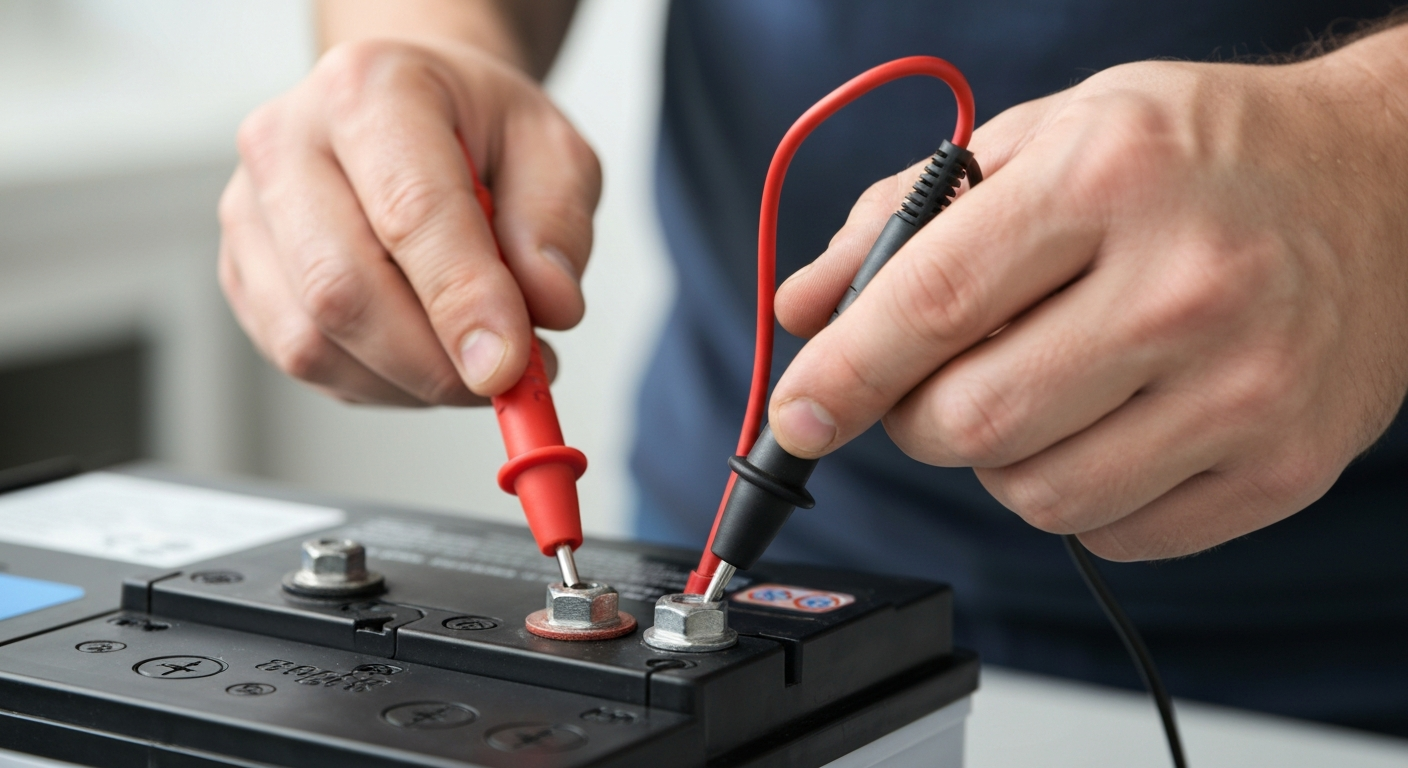
Warnung: Verwenden Sie keinen Tester, der nicht explizit für Ihren Batterietyp freigegeben ist. Die Messung kann zu falschen, optimistischen Ergebnissen führen. Sie vertrauen dann womöglich einer Batterie, die beim nächsten Start versagt.
Test und Vergleich: Unsere Produktempfehlungen
Im Praxistest haben wir verschiedene Geräte auf Handhabung, Messgenauigkeit und Funktionsumfang geprüft. Die Auswahl reicht vom einfachen Prüfgerät für die private Garage bis zum professionellen Diagnosewerkzeug. Hier stellen wir Ihnen drei herausragende Modelle vor, die in unserem Vergleich überzeugt haben.
Das
ist ein leistungsstarker Allrounder. Es arbeitet mit 12 und 24 Volt und besitzt ein gut ablesbares LCD-Display. Die automatische Batterietyperkennung für Standard-, AGM- und Gel-Batterien macht die Bedienung einfach. Es misst präzise Spannung, CCA, Innenwiderstand und den allgemeinen Zustand.
Für Anwender, die Wert auf deutsche Ingenieurskunst legen, ist der
eine exzellente Wahl. Dieser digitale Batterieprüfer ist speziell für 12V und 24V Nassbatterien konzipiert. Er liefert eine klare Gut/Schlecht-Diagnose und eignet sich perfekt für den schnellen Check vor einer langen Fahrt. Sie finden weitere Modelle in unserer Kategorie Autobatterietester.
Wer auch Kleinstbatterien im Haushalt prüfen möchte, sollte zum
greifen. Dieser kompakte 9V Batterieprüfer ist ideal für Rauchmelder, Fernbedienungen oder Kinderspielzeug. Er rundet Ihr Prüf-Equipment sinnvoll ab. Alle genannten Geräte sind Teil unseres großen Sortiments an Batterieladegeräten und Starthilfen.
Die meistbewerteten Autobatterietester aus unserem Sortiment im direkten Vergleich:
| Modell | Kundenbewertung | Verfügbarkeit |
|---|---|---|
| Batteriesäure Prüfer Areo Volt | – | Derzeit nicht verfügbar |
| Batteriewächter "Smart" - Nie wieder Starthilfe: Sicherheit vor Batteriepannen per App | – | Derzeit nicht verfügbar |
| Batterie Tester 12 V | – | Derzeit nicht verfügbar |
| Batterietester 12V / 24 V mit LCD Anzeige | – | Derzeit nicht verfügbar |
| Batterie-, Frostschutz-und Kühlerfrostschutz Prüfer Set | – | Derzeit nicht verfügbar |
Hinweis: Die hier vorgestellten Produkte sind Beispiele aus unserem Test. Die beste Wahl hängt immer von Ihren individuellen Anforderungen ab. Überlegen Sie, welche Batterietypen Sie prüfen müssen und wie oft Sie das Gerät nutzen werden.
So wenden Sie den Batterietester richtig an
Eine korrekte Anwendung ist Voraussetzung für ein verlässliches Ergebnis. Beginnen Sie damit, die Batteriepole zu reinigen. Oxidschichten verfälschen den Messwert. Schließen Sie die Prüfspitzen in der richtigen Polarität an: Rot an Plus (+), Schwarz an Minus (-).
Bei den meisten digitalen Geräten müssen Sie nun den Soll-CCA-Wert Ihrer Batterie eingeben. Diesen finden Sie auf dem Typenschild der Batterie. Moderne Tester erkennen den Wert teilweise automatisch. Bestätigen Sie die Eingabe und starten Sie den Testvorgang. Dieser dauert nur wenige Sekunden.
Wichtig ist, dass während der Messung keine großen Verbraucher im Fahrzeug eingeschaltet sind. Schalten Sie daher die Zündung aus und ziehen Sie den Zündschlüssel. Vermeiden Sie auch das Betätigen der Zentralverriegelung während des Tests.
Die Diagnose verstehen: Was bedeuten die Werte?
Nach dem Test zeigt das Gerät verschiedene Werte an. Die Ruhespannung einer voll geladenen, intakten Batterie liegt bei etwa 12,6 bis 12,8 Volt. Liegt sie unter 12,4 Volt, sollten Sie die Batterie nachladen. Eine Spannung unter 12,0 Volt deutet auf eine tiefentladene oder defekte Batterie hin.
Der CCA-Wert wird meist in Prozent des Sollwerts angegeben. Ein Wert über 80% bedeutet, die Batterie ist in gutem Zustand. Zwischen 50% und 80% zeigt eine beginnende Alterung an. Sie sollten die Batterie im Auge behalten. Unter 50% ist die Batterie als startschwach zu betrachten und bald auszutauschen.
Manche Tester geben ein direktes Urteil wie "gut", "schlecht" oder "aufladen" aus. Halten Sie sich an diese Empfehlung. Ein "schlecht"-Urteil trotz hoher Spannung ist ein typisches Zeichen für eine Batterie mit hohem Innenwiderstand. Sie hält keine Last mehr aus.
Batteriepflege und Lebensdauer verlängern
Ein Batterietester ist ein Diagnosewerkzeug. Die richtige Pflege verlängert das Leben Ihrer Batterie. Kontrollieren Sie regelmäßig die Pole auf Korrosion und reinigen Sie sie gegebenenfalls. Bei wartungsfähigen Batterien prüfen Sie den Flüssigkeitsstand und füllen nur mit destilliertem Wasser nach.
Vermeiden Sie Kurzstrecken. Die Lichtmaschine braucht Zeit, um die beim Starten entnommene Energie nachzuladen. Bei langen Standzeiten, zum Beispiel im Winter, sollten Sie ein Erhaltungsladegerät anschließen. Diese finden Sie ebenfalls in unserer Rubrik Fahrzeug.
Schalten Sie Verbraucher wie die Innenraumbeleuchtung immer vollständig aus, bevor Sie das Fahrzeug verlassen. Moderne Fahrzeuge mit vielen Steuergeräten haben einen gewissen Ruhestromverbrauch. Abhilfe schafft hier ein sogenannter Batteriewächter, der die Batterie bei zu starker Entladung trennt.
Mit einem zuverlässigen Autobatterietester und einer konsequenten Pflege vermeiden Sie die meisten Pannen. Sie gewinnen Sicherheit und können den Zeitpunkt für einen notwendigen Batteriewechsel planmäßig und ohne Stress angehen.
Häufige Fragen
- Was misst ein Autobatterietester genau?
- Ein Autobatterietester misst primär die Ruhespannung, die Startstromstärke (CCA) und den Innenwiderstand. Hochwertige Geräte analysieren zusätzlich den Ladezustand in Prozent, die Restkapazität und geben eine Prognose zur Startfähigkeit. Sie erkennen auch Defekte wie Zellenschlüsse oder Sulfatierung.
- Reicht ein einfaches Voltmeter zur Batterieprüfung aus?
- Ein Voltmeter zeigt nur die Spannung an. Es kann einen vollständigen Ladezustand vortäuschen, während die Batterie unter Last, etwa beim Starten, versagt. Für eine zuverlässige Diagnose benötigen Sie ein Gerät, das die Kaltstartstromstärke (CCA) unter simulierter Last prüft.
- Kann ich jeden Batterietester für AGM- und EFB-Batterien nutzen?
- Nein. Viele einfache Tester sind nur für klassische Nassbatterien (SLI) ausgelegt. Moderne Fahrzeuge mit Start-Stopp-Automatik verwenden oft AGM- oder EFB-Batterien. Prüfen Sie vor dem Kauf, ob das Gerät explizit diese Technologien unterstützt.
- Wie oft sollte ich meine Autobatterie testen?
- Testen Sie Ihre Batterie vor Beginn der kalten Jahreszeit und bei längeren Standzeiten über zwei Wochen. Bei älteren Batterien ab dem dritten Lebensjahr empfehlen sich regelmäßige Kontrollen alle drei bis sechs Monate. Ein Test nach einer Starthilfe gibt Aufschluss über den Zustand.
- Was bedeutet die CCA-Angabe auf dem Tester?
- CCA steht für Cold Cranking Amps (Kaltstartstrom). Dieser Wert gibt an, wie viel Strom die Batterie bei minus 18 Grad Celsius für 30 Sekunden liefern kann, ohne unter eine kritische Spannung zu fallen. Ihr Tester vergleicht den gemessenen Ist-Wert mit dem auf dem Batterieetikett angegebenen Soll-Wert.