
Kurz erklärt: Die beste Bachlaufpumpe hängt von Ihrem konkreten Vorhaben ab. Für kleine, sonnige Bachläufe reichen Solarpumpen wie die PRODUCT_131312. Größere Bachläufe benötigen leistungsstärkere Modelle mit Akku oder Netzanschluss. Entscheidend sind die benötigte Förderhöhe, die gewünschte Wassermenge und die Verfügbarkeit einer Stromversorgung. In unserem Vergleich zeigen wir Ihnen die geeigneten Pumpen für jedes Szenario.
Bachlaufpumpen Test & Vergleich 2026: Finden Sie die perfekte Pumpe
Ein plätschernder Bachlauf belebt jeden Garten. Das Herzstück dieser Oase ist eine zuverlässige Pumpe. Wir vergleichen für Sie die besten Bachlaufpumpen des Jahres 2026 und helfen Ihnen bei der Auswahl. Sie erfahren, worauf es bei Leistung, Energieversorgung und Handhabung wirklich ankommt.
Inhaltsverzeichnis
Auf die Leistung kommt es an: Förderhöhe und Fördermenge
Zwei Werte sind für Ihre Kaufentscheidung entscheidend: die Förderhöhe und die Fördermenge. Verwechseln Sie sie nicht.
Die maximale Förderhöhe
Die Förderhöhe gibt in Metern an, wie hoch die Pumpe das Wasser heben kann. Messen Sie den Höhenunterschied zwischen der Pumpe im Teich und dem Auslaufpunkt Ihres Bachlaufs. Addieren Sie etwa einen Meter als Sicherheitspuffer. Eine Pumpe mit 2m Förderhöhe ist für einen Bachlauf mit 1,5m Höhendifferenz bereits an ihrer Grenze.
Die Fördermenge in l/h
Die Fördermenge bestimmt, wie viel Wasservolumen pro Stunde fließt. Für ein sanftes Plätschern reichen oft 300-800 Liter pro Stunde. Möchten Sie einen kräftigen, breiten Wasserlauf, sollten es mindestens 1500 l/h sein. Bedenken Sie: Die maximale Fördermenge wird nur erreicht, wenn die Pumpe das Wasser kaum hochpumpen muss. Je höher der Bachlauf, desto geringer die effektive Wassermenge.
Hinweis: Herstellerangaben beziehen sich oft auf ideale Bedingungen. Rechnen Sie bei der Fördermenge etwa 20-30% für Reibungsverluste im Schlauch und für Höhendifferenz ab.
Die Energiequelle: Solar, Akku oder Netzstrom?
Die Wahl der Energiequelle beeinflusst Standort, Betriebskosten und Zuverlässigkeit.
Solarpumpen ohne Akku
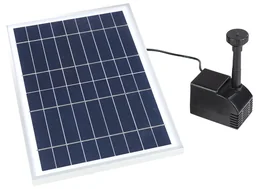
Modelle wie die sind einfach und kostengünstig. Sie arbeiten direkt mit der Sonne. Das bedeutet: Keine Stromkosten, aber auch keine konstante Leistung. Bei Wolken oder im Schatten lässt der Wasserfluss sofort nach. Ideal für kleine, sonnenexponierte Bachläufe, bei denen ein unregelmäßiger Betrieb kein Problem ist.
Solarpumpen mit Akku
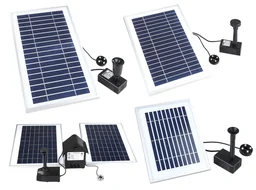
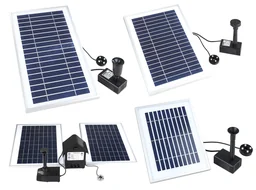
Diese Pumpen, zum Beispiel die oder die , kombinieren ein Solarpanel mit einem Akku. Tagsüber lädt die Sonne den Akku, der die Pumpe auch bei Bewölkung oder in den Abendstunden antreibt. Sie erhalten einen wesentlich gleichmäßigeren Betrieb. Achten Sie auf die Akkukapazität. Sie bestimmt, wie lange der Bachlauf ohne Sonne weiterläuft.
Netzbetriebene Pumpen
Klassische Bachlaufpumpen mit Kabelanschluss bieten die höchste Leistung und Zuverlässigkeit unabhängig vom Wetter. Sie sind die erste Wahl für große Bachläufe mit hohem Wasserbedarf. Der Nachteil: Sie benötigen eine Stromleitung in Gartennähe und verursachen laufende Kosten.
Wichtig: Bei netzbetriebenen Pumpen im Außenbereich müssen Sie ausschließlich eine für den Außeneinsatz geeignete Steckdose (Feuchtraumsteckdose) und ein entsprechendes Kabel verwenden. Die Sicherheit geht vor.
Bachlaufpumpen im direkten Vergleich
Wir stellen Ihnen ausgewählte Modelle aus unserem Sortiment vor. Den detaillierten Vergleich finden Sie in unserer Tabelle.
Die ist ein typischer Vertreter der einfachen Solarpumpen. Mit 800 l/h eignet sie sich gut für kleine Wasserläufe, wo das Solarpanel ganztägig Sonne tanken kann. Sie ist unkompliziert in der Handhabung und benötigt keine Verkabelung.
Für mehr Unabhängigkeit sorgt die . Als Solarpumpe mit Akku liefert sie auch in sonnenarmen Phasen eine konstante Leistung von 400 l/h. Das ist ideal für gemäßigte Lichtverhältnisse oder wenn der Bachlauf auch am frühen Abend noch plätschern soll.
Die hebt die Leistung auf ein neues Niveau. Mit 1600 l/h und Akku-Unterstützung schafft sie auch anspruchsvollere Bachläufe. Sie ist eine solide Allround-Lösung für diejenigen, die auf Solar setzen möchten, aber nicht auf Kraft verzichten wollen.
Die meistbewerteten Bachlaufpumpen aus unserem Sortiment im direkten Vergleich:
| Modell | Kundenbewertung | Verfügbarkeit |
|---|---|---|
| Solar Teichpumpe, 800 l/h 🏆 Testsieger | ★ 4,8 (30) | Auf Lager |
| 1200 l/h Solarpumpe | – | Derzeit nicht verfügbar |
| 1600 l/h Solarpumpe | – | Derzeit nicht verfügbar |
| 1600 l/h Solarpumpe mit Akku | – | Derzeit nicht verfügbar |
| 200 l/h Solarpumpe mit Akku ohne Licht | – | Derzeit nicht verfügbar |
Tipps für Installation und Wartung
Die richtige Installation verlängert die Lebensdauer Ihrer Pumpe erheblich.
Der optimale Standort im Teich
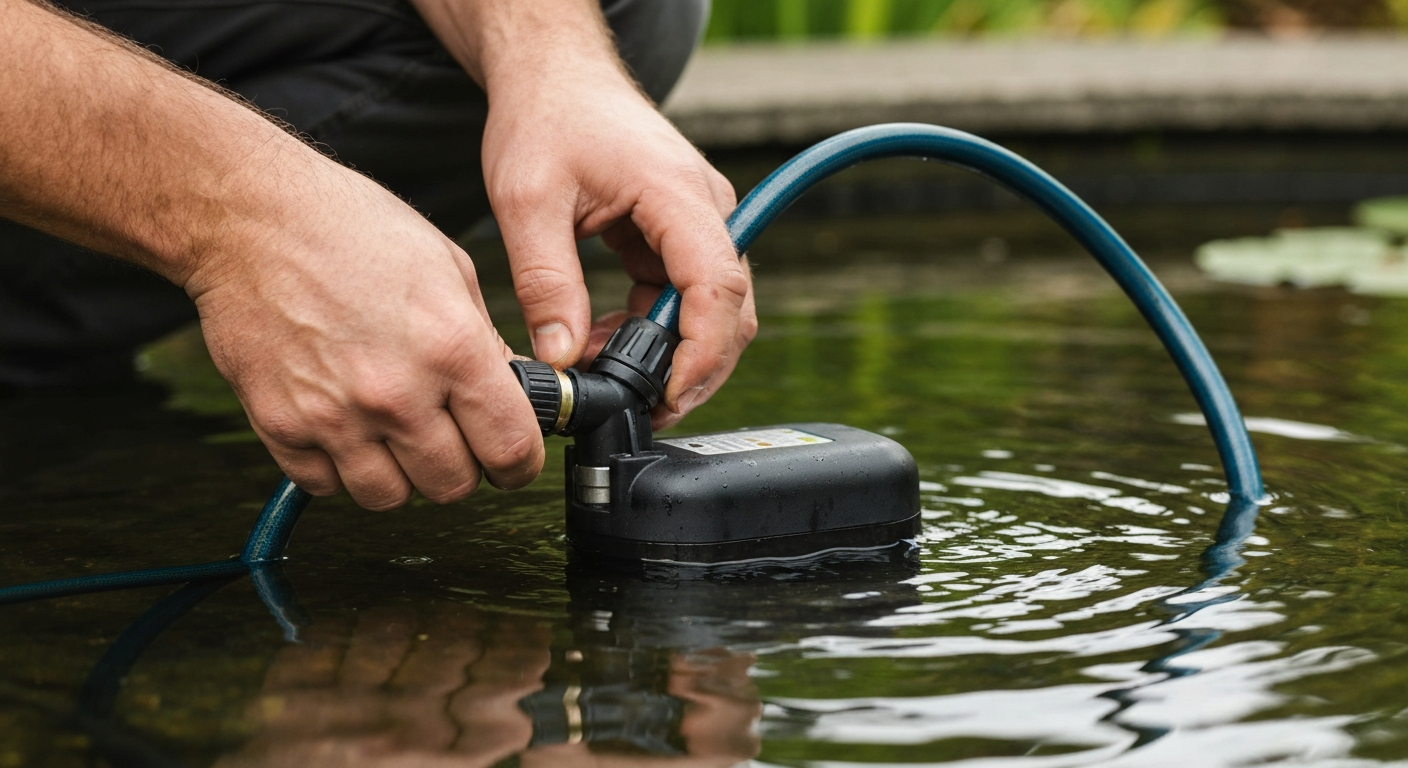
Setzen Sie die Pumpe immer in die tiefste Stelle des Teichs oder in einen dafür vorgesehenen Pumptopf. So saugt sie kein Schlamm oder Laub an. Stellen Sie sicher, dass das Gehäuse immer vollständig unter Wasser steht. Der Trockenlauf schadet der Pumpe sofort.
Schlauch verlegen und verstecken
Verwenden Sie einen ausreichend dimensionierten, UV-beständigen Schlauch. Legen Sie ihn so, dass keine Knicke entstehen. Sie können den Schlauch entlang des Bachlaufufers vergraben oder mit Kies und Steinen geschickt kaschieren. Achten Sie auf ein leichtes Gefälle zum Teich zurück, damit die Pumpe beim Abschalten leerläuft.
Regelmäßige Wartung
Reinigen Sie das Sauggitter der Pumpe alle paar Wochen von groben Verschmutzungen. Kontrollieren Sie den Schlauch auf Undichtigkeiten. Vor der Frostperiode nehmen Sie die Pumpe komplett aus dem Wasser, reinigen sie gründlich und lagern sie frostfrei und trocken.
Tipp: Legen Sie die Pumpe vor der Inbetriebnahme für einige Stunden in einen Eimer mit klarem Wasser. So lösen sich mögliche Transportrückstände aus den Dichtungen und dem Laufrad.
Kaufberatung: So finden Sie Ihre Bachlaufpumpe
Beantworten Sie diese drei Fragen, um die passende Pumpe zu finden.
- Wie groß ist der Höhenunterschied? Messen Sie genau. Wählen Sie eine Pumpe, deren maximale Förderhöhe mindestens 30% über Ihrem gemessenen Wert liegt.
- Wie viel Wasser soll fließen? Entscheiden Sie zwischen einem sanften Rinnsal (200-800 l/h) und einem kräftigen Bach (ab 1500 l/h). Schauen Sie sich ähnliche Bachläufe in unserem Teichbau-Bereich an.
- Haben Sie eine nahe Steckdose oder viel Sonne? Ohne Steckdose sind Sie auf Solar angewiesen. Ohne volle Sonne brauchen Sie einen Akku. Für leistungsstarke Bachläufe ist Netzstrom oft die einfachste Lösung.
Entdecken Sie alle verfügbaren Optionen in unserer Kategorie Bachlaufpumpen.
Betrieb und Pflege im Jahresverlauf
Mit der richtigen Pflege halten Ihre Bachlaufpumpen viele Jahre.
Frühjahr: Inbetriebnahme
Reinigen Sie Teich und Bachlauf grob von winterlichen Ablagerungen. Setzen Sie die Pumpe ein und starten Sie sie zunächst für kurze Zeit im Eimer mit klarem Wasser, um sie zu spülen. Prüfen Sie alle Anschlüsse.
Sommer: Regelmäßige Kontrolle
Bei starker Algenbildung kann das Sauggitter schnell verstopfen. Kontrollieren Sie es wöchentlich. Bei Solarpumpen reinigen Sie auch die Oberfläche des Panels regelmäßig von Staub und Vogelkot.
Herbst und Winter: Einwintern
Bevor der erste Frost kommt, ist die Pumpe aus dem Wasser zu nehmen. Das gilt auch für Solarpumpen! Lagern Sie sie frostfrei. Entfernen Sie den Schlauch und spülen Sie ihn durch. So vermeiden Sie Frostschäden und starten problemlos in die nächste Saison.
Mit diesen Informationen sind Sie bestens gerüstet, um Ihren Garten mit einem bezaubernden Wasserlauf zu bereichern. Die passende Pumpe finden Sie in unserem Vergleich.
Häufige Fragen
- Wie viel Liter pro Stunde sollte meine Bachlaufpumpe fördern?
- Die benötigte Fördermenge hängt von der Breite und der gewünschten Fließgeschwindigkeit Ihres Bachlaufs ab. Für einen schmalen, sanften Rinnsal reichen oft 200-500 l/h. Für einen breiteren, lebhafteren Bachlauf planen Sie besser 1000-2000 l/h ein. Messen Sie grob das Volumen, das Ihr Bachlauf fassen soll.
- Funktionieren Solar Bachlaufpumpen auch im Schatten?
- Reine Solarpumpen ohne Akku arbeiten nur bei direkter Sonneneinstrahlung mit voller Leistung. Im Schatten oder bei Bewölkung lässt die Förderleistung sofort nach. Für einen gleichmäßigen Betrieb auch bei wechselhaftem Wetter sind Modelle mit integriertem Akku wie die PRODUCT_133992 die bessere Wahl.
- Was ist der Unterschied zwischen Förderhöhe und Fördermenge?
- Die Fördermenge (l/h) gibt an, wie viel Wasser die Pumpe bewegen kann. Die Förderhöhe (m) zeigt, wie hoch sie das Wasser pumpen kann, etwa vom Teich zum Bachursprung. Achten Sie auf beide Werte: Eine hohe Fördermenge nützt wenig, wenn die Förderhöhe für Ihren Höhenunterschied nicht ausreicht.
- Kann ich eine Bachlaufpumpe im Winter dauerhaft laufen lassen?
- Nein. Bei Frostgefahr müssen Sie die Pumpe unbedingt abstellen, entleeren und frostfrei lagern. Eingefrorenes Wasser im Gehäuse kann die Pumpe irreparabel beschädigen. Planen Sie den Betrieb daher nur für die frostfreie Jahreszeit.
- Wie aufwendig ist die Installation einer Bachlaufpumpe?
- Die Installation ist meist simpel. Sie setzen die Pumpe im Teich in das erforderliche Tiefenwasser, verlegen einen Schlauch zum Bachlaufanfang und schließen das Kabel an eine Steckdose oder das Solarpanel an. Der größte Aufwand ist oft das Verlegen und Verstecken des Schlauches.