
In brief: The best way to control bark beetles is to spot them early and act quickly. Check vulnerable spruce and pine trees regularly for boreholes and brown boring dust. Remove infested trees or branches from your garden right away. For individual trees, special pyrethroid-based insecticides are available as sprays or dusts.
Introduction: The Hidden Threat in Your Garden
Bark beetles are among the most destructive tree pests. A severe infestation can kill entire groups of trees in a single season. These small beetles often go unnoticed as they work beneath the bark.
Controlling them takes vigilance and quick action. This article explains how to identify bark beetles and which effective control methods are available.
How can I identify bark beetles and an infestation?
Adult beetles are only a few millimeters long, so look for signs of damage to the tree. Check spruce and pine trees regularly.
Signs on the tree trunk
Look for small, round entry and exit holes in the bark. They may be no wider than a ballpoint pen tip. Fresh boring dust is a clear sign of activity.
This fine, brown or yellowish sawdust, also called frass, collects in bark crevices, spider webs, or at the base of the trunk. It is easiest to spot after calm weather.
Signs of damage in the tree crown
An infested tree may suddenly develop rust-brown or yellow needles instead of green ones. Discoloration usually starts at the top of the tree and spreads through the upper crown.
As the infestation advances, the tree may shed its green needles and die back from the crown. By then, it is usually too late to save it.
Expert tip
Check your trees carefully after storms or long dry spells. Weakened trees are prime targets for bark beetles. Use the right garden tools to care for your trees.
Why are bark beetles so dangerous to trees?
Bark beetles lay their eggs beneath the bark. The larvae hatch and tunnel through the phloem, the tissue that carries nutrients through the tree. This disrupts the tree's flow of sap.
The damage to the tree's vascular tissue, rather than the feeding itself, is what can kill it. The tree can no longer move water and nutrients effectively. Many bark beetle species also spread harmful fungi.
Bark beetle outbreaks are often closely linked to extreme weather. Warm, dry summers can support several generations of beetles in a year while also weakening trees' natural defenses.
Which effective control methods are available?
The right approach depends on how far the infestation has spread and how many trees are affected. Combining methods can give you the best results.
1. Mechanical control: Remove infested trees quickly
For a single tree in your garden, removing it is often the most effective option. Cut down severely infested trees right away and remove the wood from your property.
Remove the bark from infested logs immediately or chip the wood. Do not store it in your garden. If you cover the wood with sealed plastic and leave it in the sun, the heat can kill the brood.
2. Biotechnical methods: Trap trees
With this method, you deliberately cut down a susceptible tree in spring to attract flying beetles. Remove and dispose of the trap tree before the next generation of beetles emerges.
This can reduce beetle numbers in your immediate area. The method requires precise knowledge of when the beetles will emerge.
Important note
Never leave infested wood lying around. It can become a breeding ground for the next, larger generation of beetles. Dispose of it in a yard waste bag or arrange for professional removal.
3. Chemical control products
Insecticides approved for use in home gardens usually work on contact or when ingested. They are sprayed or dusted onto the trunk to kill beetles as they enter or emerge from the tree.
: Ant bait stations control other garden pests. Keeping your garden clean can also reduce stress on trees.: Aparasit is a broad-spectrum insecticide that works against many pests. Before using it, check that it is approved for your specific application.: These granules can be watered in or spread to control ground-dwelling pests and help create a healthier environment for your trees. Healthy trees are more resilient.
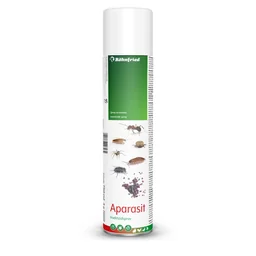
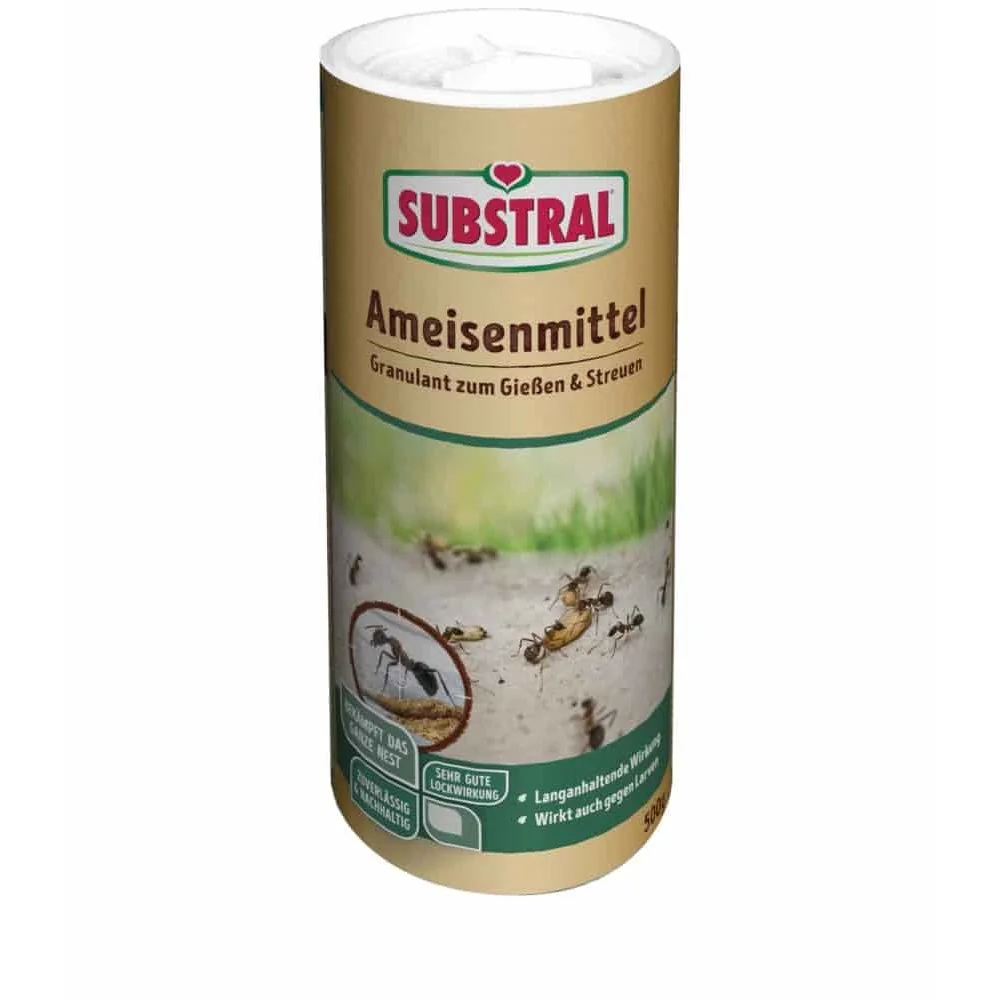
Use insecticides only as a last resort for a specific, localized infestation. Prioritize prevention by keeping trees healthy.
How can I protect my garden from bark beetles?
Prevention is your best defense. Healthy, vigorous trees have stronger natural defenses. They can flood boreholes with resin and trap beetles inside.
Water your trees thoroughly during extended dry spells. Mulch around the roots to help the soil retain moisture. Avoid damaging the bark with tools or lawn mowers.
Fertilize as needed, but do not overdo it. Too much nitrogen can encourage soft, vulnerable growth. Browse our range of plant care accessories for ideas.
Additional advice
Encourage natural predators such as woodpeckers, parasitic wasps, and predatory beetles. Deadwood piles and natural areas in your garden give them places to live. A thriving garden can often regulate itself.
Which mistakes should I avoid at all costs?
The most common mistake is waiting too long. Bark beetles multiply quickly. One infested tree today can become an entire group within eight weeks.
Do not store freshly infested wood as firewood near healthy trees or buildings. Beetles can emerge from it and spread. They can also fly several hundred meters.
Do not use pesticides that are unsuitable or not approved for your intended use. They can harm the environment and are often ineffective against larvae beneath the bark.
When should I call in a professional?
Professional help is advisable if several large trees are infested or valuable trees are at risk. Forestry workers and certified tree care professionals have the right equipment and expertise.
They can also assess whether felling is necessary or whether the trees can still be saved. A professional can arrange the proper disposal of large quantities of wood.
For smaller trees and ongoing care, you can find more pest control products in our pest control category.
Conclusion: Regular monitoring and prompt action protect your garden
Bark beetles are a serious threat, but you can take steps to protect your trees. Regular checks from May to September are the foundation of effective protection.
Combine preventative tree care with prompt action at the first signs of an infestation. Use mechanical control methods as your first choice.
With this knowledge and the right products, you can protect your trees and preserve biodiversity in your Garden & Outdoor area. Start your next inspection today.
Frequently asked questions
- Which trees are most at risk from bark beetles?
- Stressed spruce trees are particularly vulnerable, but pine, fir, and larch trees can also be affected. The European spruce bark beetle and the six-toothed spruce bark beetle mainly attack spruce trees. Healthy trees with plenty of sap can often repel the beetles, while trees weakened by drought, storms, or other damage are highly susceptible.
- How can I spot a bark beetle infestation early?
- Look for small, round holes in the bark and fine brown or yellowish boring dust at the base of the trunk and in bark crevices. Resin droplets on the bark are a sign that the tree is trying to defend itself. Fallen green needles and discolored crowns are late signs of an infestation that has already progressed considerably.
- Can I control bark beetles without chemicals?
- Yes. Mechanical control is the most important method. Remove infested trees or heavily infested branches immediately and dispose of the wood by burning or chipping. Trap trees—deliberately felled, susceptible trees—can attract beetles, but they must be removed before the new generation emerges.
- What should I keep in mind when using chemical treatments?
- Insecticides for bark beetles are often approved only for forestry use. In private gardens, pyrethroid-based products are commonly sprayed or dusted onto the trunk. Use these products only when an infestation has been confirmed and follow the instructions on the packaging. Spraying the crown is generally ineffective.
- How can I prevent bark beetle infestations in my garden?
- Keep your trees strong by choosing a suitable location, watering them sufficiently during dry periods, and applying fertilizer as needed. Remove wind-thrown trees and broken branches promptly. Healthy tree care is the best protection. Garden lime can also help maintain healthy soil.
You might also be interested in
- Get rid of clothes moths: Home remedies and effective methods
- How to control box tree moths: The ultimate guide
- Get rid of fungus gnats: Effective ways to eliminate flies from potting soil
- How to identify and control common household beetles
- Get rid of silverfish: Effective home remedies and tips
- Get rid of fruit flies: Effective home remedies and traps