
Kurz erklärt: Die Wahl zwischen Batterieladegerät und Starthilfe hängt von Ihrem Einsatzzweck ab. Ein reines Ladegerät eignet sich zur geplanten Wartung und Pflege. Eine kompakte Starthilfe oder Powerstation ist dagegen Ihr Lebensretter im Notfall. Für den professionellen Gebrauch sind Geräte mit höherer Kapazität und Zusatzfunktionen empfehlenswert. In unserem Vergleich finden Sie für jede Anforderung das passende Modell.
Batterieladegeräte & Starthilfen im Test und Vergleich 2026
Eine schwache Batterie überrascht Sie meist zum denkbar ungünstigsten Zeitpunkt. Damit Sie für diesen Fall gewappnet sind, brauchen Sie die richtige Technik. Doch die Auswahl zwischen klassischen Ladegeräten, kompakten Starthilfen und multifunktionalen Powerstations ist groß. Wir haben die wichtigsten Modelle für Sie verglichen und zeigen, welches Gerät zu welchem Einsatzzweck passt.
Ladegerät oder Starthilfe: Wo liegt der Unterschied?
Diese Frage ist fundamental für Ihre Kaufentscheidung. Ein Batterieladegerät lädt eine leere oder schwache Fahrzeugbatterie langsam und schonend wieder auf. Das kann mehrere Stunden dauern. Es ist ein Werkzeug für die geplante Wartung, zum Beispiel nach einer Winterpause oder um eine aufgrund vieler Kurzstrecken geschwächte Batterie zu regenerieren.
Eine Starthilfe (oder Booster) dagegen ist die Notfall-Lösung. Sie liefert einen extrem hohen Stromstoß für wenige Sekunden, um den Motor zu starten, selbst wenn die Fahrzeugbatterie völlig entladen ist. Im Anschluss lädt die Lichtmaschine die Bordbatterie wieder auf. Die Starthilfe selbst muss nach dem Einsatz an der Steckdose geladen werden.
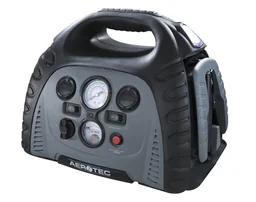
Moderne Powerstations vereinen beide Welten. Sie können als Starthilfe fungieren und verfügen gleichzeitig über eine integrierte Batterie, die Sie als mobile Stromquelle nutzen. Sie sind die flexibelste Wahl.
Die wichtigsten Kaufkriterien im Vergleich
Um im Test zu bestehen, muss ein Gerät zu Ihren Bedürfnissen passen. Bewerten Sie die folgenden Punkte.
Spannung und Batterietyp
Die meisten Pkw und Motorräder nutzen 12V-Bordnetze. Für diese Fahrzeuge benötigen Sie ein 12V-Gerät. Einige ältere Motorräder oder bestimmte Rasenmäher haben 6V-Systeme. Achten Sie darauf, ob Ihr Wunschgerät beide Spannungen beherrscht.
Ebenso wichtig ist die Kompatibilität mit dem Batterietyp. Moderne mikroprozessorgesteuerte Ladegeräte erkennen und laden oft automatisch:
- Nassbatterien (Säure)
- AGM-Batterien (für Start-Stopp-Systeme)
- Gel-Batterien
- Lithium-Ionen-Batterien (oft in Motorrädern oder Powerstations)
Leistung und Kapazität
Bei Ladegeräten gibt die Ladeleistung in Ampere (A) an, wie schnell die Batterie geladen wird. Ein 4A-Gerät ist langsamer als ein 10A-Gerät, aber schonender für kleine Batterien. Für einen Zweitwagen reichen oft 4A, für einen Van oder Transporter sind 10A oder mehr sinnvoll.
Bei Starthilfen und Powerstations sind zwei Werte entscheidend:
- Startstrom (Peak Current): Die maximale Stromstärke für den Startvorgang. Große Dieselmotoren benötigen oft über 1000A.
- Kapazität (Ah oder Wh): Gibt an, wie viel Energie gespeichert ist. Mehr Kapazität bedeutet mehr Starthilfen pro Ladung oder längere Nutzung als Stromquelle.
Typische Anwendungsfälle im Test
Wir ordnen die Geräteklassen typischen Nutzungsszenarien zu, um Ihnen die Entscheidung zu erleichtern.
Für den PKW im Alltag
Sie suchen eine Lösung für Ihr normales Familienauto, das vielleicht viel Kurzstrecke fährt? Ein kompaktes, intelligentes Ladegerät wie das {{
}} AL18G Ladegerät ist eine gute Wahl. Es lädt zuverlässig und sicher, passt in jede Garage und eignet sich zur gelegentlichen Pflege der Batterie. Für den absoluten Notfall im Handschuhfach ist dagegen ein kompakter Starthilfe-Booster die bessere Wahl.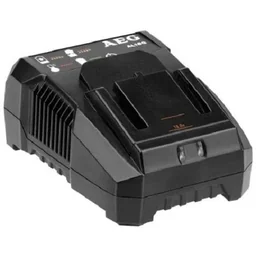
Für Oldtimer und Winterpannen
Fahrzeuge, die lange stehen, brauchen ein zuverlässiges Ladegerät mit Erhaltungsladung. Zusätzlich empfiehlt sich eine leistungsstarke mobile Lösung für den Fall, dass die Batterie auf Ausfahrt doch schlappmacht. Eine Kombination aus fest installiertem Batterieladegerät und einer kompakten Powerstation ist hier ideal. Geräte wie das {{
Für Profis und Gartengeräte
Handwerker oder begeisterte Gärtner haben oft mehrere Akku-Plattformen im Einsatz. Hier lohnen sich Geräte, die auf spezifische Akkusysteme abgestimmt sind. Für die Fahrzeug- und Gerätebatterie-Pflege ist jedoch ein universelleres Gerät praktischer. Eine leistungsstarke Powerstation dient hier als Starthilfe für den Transporter und gleichzeitig als Stromversorgung für Akku-Geräte oder kleine Baustellenbeleuchtungen im Außeneinsatz.
Sicherheit und korrekte Bedienung
Ein falscher Umgang mit Strom kann gefährlich sein. Folgen Sie stets der Bedienungsanleitung. Moderne Geräte bieten zwar viele Schutzfunktionen wie Verpolungsschutz, Kurzschlusssicherung und Überhitzungsschutz, dennoch gelten Grundregeln.
Schalten Sie bei einem Ladegerät immer erst das Gerät ein, bevor Sie es mit der Batterie verbinden, und zuletzt ans Netzteil. So vermeiden Sie Funken an den Batterieklemmen.
Bei der Starthilfe mit Kabeln: Verbinden Sie zuerst die Pluspole beider Batterien, dann den Minuspol der Starthilfe mit einem Massepunkt (z.B. Motorblock) am Pannenfahrzeug, nicht mit dem Minuspol der leeren Batterie. Dies minimiert die Explosionsgefahr durch Knallgas.
Trends und Neuheiten 2026
Die Technologie entwickelt sich weiter. Aktuelle Trends im Test sind:
- Schnellladefunktionen: Powerstations laden sich selbst dank moderner Technologie in unter einer Stunde wieder auf.
- Erweiterte Kompatibilität: Immer mehr Ladegeräte beherrschen auch das Laden von Lithium-Eisenphosphat (LiFePO4)-Batterien, die in neuesten Fahrzeugen verbaut werden.
- Smart-Features: Einige Geräte lassen sich per Bluetooth und App überwachen. Sie zeigen den Ladezustand, die Gesundheit der Fahrzeugbatterie und erhalten Fern-Updates.
- Robustheit: Geräte für den professionellen Einsatz werden immer besser gegen Stöße, Spritzwasser und Staub geschützt (höhere IP-Codes).
Die meistbewerteten Batterieladegeräte, Starthilfen aus unserem Sortiment im direkten Vergleich:
| Modell | Kundenbewertung | Verfügbarkeit |
|---|---|---|
| 12V 14V Ladegerät AL1214G3 Tradesman | – | Derzeit nicht verfügbar |
| 12V 18V Ladegerät BLK1218 | – | Derzeit nicht verfügbar |
| 18V LI-ION - 4.0 AH LADEGERÄT MAXXPACK COLLECTION | – | Derzeit nicht verfügbar |
| 2,0 Ah Li-Ionen-Akku + 4,0 Ah Ladegerät für Maxxpack Collection | – | Derzeit nicht verfügbar |
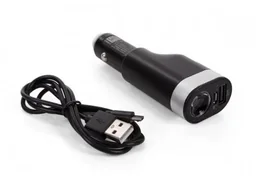
| 6-In-1 Autoladegerät / Powerbank / LED-Taschenlampe / Sicherheitsgurtschneider / Notfallhammer | – | Derzeit nicht verfügbar |
Pflege und Wartung Ihrer Geräte
Damit Ihr Helfer im Notfall auch funktioniert, benötigt er etwas Pflege. Lagern Sie Lithium-basierte Starthilfen und Powerstations stets mit einem Ladestand zwischen 30% und 60%, wenn Sie sie lange nicht nutzen. Das schont die Zellen.
Prüfen Sie bei Geräten mit eigenen Blei-Säure-Batterien (seltener geworden) regelmäßig den Flüssigkeitsstand. Halten Sie die Anschlussklemmen sauber und korrosionsfrei. Einmal im Jahr sollten Sie die Funktion Ihrer Notfallausrüstung testen – auch die der integrierten LED-Leuchten oder anderer Features.
Mit der richtigen Wahl und Pflege Ihres Batterieladegeräts oder Ihrer Starthilfe sind Sie für die nächste Panne bestens gewappnet und können beruhigt jede Fahrt antreten.
Häufige Fragen
- Was ist besser: ein Batterieladegerät oder eine Starthilfe?
- Die Antwort hängt vom Einsatzzweck ab. Ein Ladegerät ist ideal für die planbare Wartung und das schonende Wiederaufladen einer leeren Batterie. Eine Starthilfe oder Powerstation ist für den Notfall konzipiert und liefert sofort Strom, um ein Fahrzeug zu starten, ohne lange Ladezeit. Für maximale Sicherheit besitzen viele Profis beides.
- Kann ich ein Batterieladegerät dauerhaft angeschlossen lassen?
- Moderne, mikroprozessorgesteuerte Ladegeräte mit Erhaltungsladungs- oder Ladeerhaltungsfunktion sind dafür ausgelegt. Sie schalten nach dem Voll-Ladevorgang in einen schonenden Erhaltungsmodus, der die Batterie vor Tiefentladung schützt. Dennoch sollten Sie die Herstellerangaben beachten und die Verbindung bei langer Abwesenheit oder Gewittern trennen.
- Reicht eine Starthilfe auch für große Dieselmotoren?
- Ja, vorausgesetzt Sie wählen ein Modell mit ausreichend Startstrom (gemessen in Ampere, A). Große Dieselmotoren benötigen oft 800 A bis über 1500 A Kaltstartstrom. Achten Sie beim Kauf einer Starthilfe oder Powerstation explizit auf die Spezifikation für Dieselmotoren und deren Hubraum.
- Was bedeutet 'mikroprozessorgesteuert' bei einem Ladegerät?
- Diese Geräte besitzen einen intelligenten Chip, der den Ladevorgang automatisch steuert. Er erkennt den Batteriezustand, wählt den optimalen Ladestrom, verhindert Überladung und schaltet bei voller Batterie in Erhaltungsladung um. Das schont die Batterie, erhöht deren Lebensdauer und macht das Laden sicherer und einfacher.
- Kann ich mit einer Powerstation auch andere Geräte betreiben?
- Absolut. Moderne Powerstations wie die {{PRODUCT_101625}} sind vielseitige Allrounder. Neben der Starthilfefunktion verfügen sie oft über 12V-, USB- und 230V-Wechselstromausgänge. So können Sie unterwegs Kühlboxen, Laptops, Handwerksgeräte oder sogar kleine Haushaltsgeräte betreiben, was sie ideal für Camping, Garten oder Bauarbeiten macht.