
In brief: Choosing between a battery charger and a jump starter depends on how you plan to use it. A dedicated charger is ideal for scheduled maintenance and care. A compact jump starter or power station, on the other hand, can be a lifesaver in an emergency. For professional use, devices with higher capacity and additional features are recommended. Our comparison helps you find the right model for every need.
Battery Chargers & Jump Starters: Test and Comparison 2026
A weak battery usually catches you by surprise at the worst possible time. To be prepared for this situation, you need the right technology. However, the choice between conventional chargers, compact jump starters and multifunctional power stations is extensive. We have compared the most important models for you and show which device is best suited to each application.
Battery charger or jump starter: What is the difference?
This question is fundamental to your purchase decision. A battery charger slowly and gently recharges a dead or weak vehicle battery. This can take several hours. It is a tool for scheduled maintenance, for example after a winter break or to restore a battery weakened by frequent short trips.
A jump starter (or booster), on the other hand, is an emergency solution. It delivers an extremely high burst of current for a few seconds to start the engine, even if the vehicle battery is completely discharged. The alternator then recharges the vehicle battery. The jump starter itself must be recharged from a power outlet after use.
Modern power stations combine both functions. They can serve as jump starters and also have an integrated battery that you can use as a mobile power source. They are the most flexible choice.
The most important buying criteria compared
To perform well in the test, a device must suit your needs. Evaluate the following points.
Voltage and battery type
Most cars and motorcycles use 12V electrical systems. For these vehicles, you need a 12V device. Some older motorcycles or certain lawn mowers have 6V systems. Check whether your preferred device supports both voltages.
Compatibility with the battery type is equally important. Modern microprocessor-controlled chargers often detect and charge the following automatically:
- Wet-cell batteries (lead-acid)
- AGM batteries (for start-stop systems)
- Gel batteries
- Lithium-ion batteries (often used in motorcycles or power stations)
Power and capacity
For chargers, the charging output in amps (A) indicates how quickly the battery is charged. A 4A device is slower than a 10A device but gentler on small batteries. For a second car, 4A is often sufficient; for a van or commercial vehicle, 10A or more makes sense.
For jump starters and power stations, two values are crucial:
- Starting current (Peak Current): The maximum current for starting the engine. Large diesel engines often require more than 1000A.
- Capacity (Ah or Wh): Indicates how much energy is stored. More capacity means more jump starts per charge or longer use as a power source.
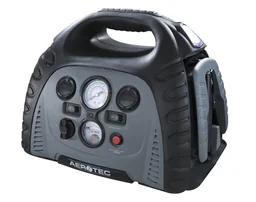
Typical Use Cases in the Test
We assign the different device classes to typical usage scenarios to make your decision easier.
For Everyday Passenger Cars
Are you looking for a solution for your regular family car, which may do a lot of short journeys? A compact, intelligent charger such as the {{
}} AL18G Charger is a good choice. It charges reliably and safely, fits in any garage and is ideal for occasional battery maintenance. However, for absolute emergencies in the glove compartment, a compact jump starter is the better choice.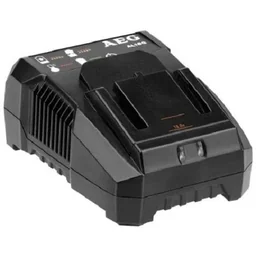
For Classic Cars and Winter Breakdowns
Vehicles that are left standing for long periods need a reliable charger with maintenance charging. A powerful mobile solution is also recommended in case the battery runs flat while you are out driving. A combination of a permanently installed battery charger and a compact power station is ideal here. Devices such as the {{
}} 6-in-1 car chargers even offer integrated extras such as an LED torch or seat belt cutter for added safety on the road.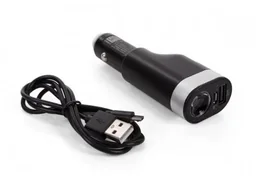
For Professionals and Garden Equipment
Tradespeople and keen gardeners often use several battery platforms. Devices designed for specific battery systems are worthwhile here. However, a more universal device is more practical for vehicle and equipment battery maintenance. A powerful power station can serve as a jump starter for a van while also supplying power for cordless tools or small construction-site lights outdoors.
Safety and Correct Operation
Improper handling of electricity can be dangerous. Always follow the operating instructions. Modern devices offer many safety features, such as reverse-polarity protection, short-circuit protection and overheating protection, but basic rules still apply.
When using a charger, always switch the device on before connecting it to the battery, and connect it to the power supply last. This helps prevent sparks at the battery terminals.
When jump-starting with cables: First connect the positive terminals of both batteries, then connect the negative terminal of the jump starter to an earth point (e.g. the engine block) on the broken-down vehicle, not to the negative terminal of the flat battery. This minimises the risk of explosion from hydrogen gas.
Trends and New Products 2026
Technology continues to evolve. Current trends in the test include:
- Fast charging functions: Thanks to modern technology, power stations can recharge themselves in under an hour.
- Extended compatibility: More and more chargers can also charge lithium iron phosphate (LiFePO4) batteries, which are fitted in the latest vehicles.
- Smart features: Some devices can be monitored via Bluetooth and an app. They display the charge level and vehicle battery health, and receive remote updates.
- Ruggedness: Devices for professional use are increasingly protected against impacts, splash water and dust (higher IP codes).
The highest-rated battery chargers and jump starters from our range compared directly:
| Model | Customer rating | Availability |
|---|---|---|
| 12V 14V Charger AL1214G3 Tradesman | – | Currently unavailable |
| 12V 18V Charger BLK1218 | – | Currently unavailable |
| 18V LI-ION - 4.0 AH CHARGER MAXXPACK COLLECTION | – | Currently unavailable |
| 2,0 Ah Li-Ion Battery + 4,0 Ah Charger for Maxxpack Collection | – | Currently unavailable |
| 6-in-1 Car Charger / Power Bank / LED Torch / Seat Belt Cutter / Emergency Hammer | – | Currently unavailable |
Care and Maintenance of Your Devices
To ensure your emergency helper works when you need it, it requires some care. Always store lithium-based jump starters and power stations with a charge level between 30% and 60% when you are not using them for a long time. This helps protect the cells.
For devices with their own lead-acid batteries (now less common), check the fluid level regularly. Keep the connection clamps clean and free from corrosion. Test your emergency equipment once a year to make sure it works, including the integrated LED lights and other features.
With the right choice and care of your battery charger or jump starter, you will be well prepared for the next breakdown and can set off on every journey with peace of mind.
Frequently Asked Questions
- What is better: a battery charger or a jump starter?
- The answer depends on how you plan to use it. A charger is ideal for scheduled maintenance and gently recharging a flat battery. A jump starter or power station is designed for emergencies and delivers immediate power to start a vehicle without a long charging time. For maximum safety, many professionals keep both.
- Can I leave a battery charger connected permanently?
- Modern microprocessor-controlled chargers with trickle-charging or charge-maintenance functions are designed for this purpose. Once the battery is fully charged, they switch to a gentle maintenance mode that protects it from deep discharge. However, you should follow the manufacturer's instructions and disconnect the charger during long periods of absence or thunderstorms.
- Is a jump starter suitable for large diesel engines?
- Yes, provided you choose a model with sufficient starting current (measured in amperes, A). Large diesel engines often require 800 A to over 1500 A of cold-cranking current. When buying a jump starter or power station, pay particular attention to the specifications for diesel engines and their displacement.
- What does 'microprocessor-controlled' mean on a charger?
- These devices contain an intelligent chip that automatically controls the charging process. It detects the battery condition, selects the optimum charging current, prevents overcharging and switches to trickle charging when the battery is full. This protects the battery, extends its service life and makes charging safer and easier.
- Can I power other devices with a power station?
- Absolutely. Modern power stations such as the {{PRODUCT_101625}} are versatile all-rounders. In addition to the jump-start function, they often feature 12V, USB and 230V AC outputs. This allows you to power cool boxes, laptops, power tools or even small household appliances while on the go, making them ideal for camping, gardening or construction work.
You might also be interested in
- Battery Tester Review & Comparison 2026: The Best Devices Tested
- Extension Lead Review & Comparison 2026
- Car Cool Box Review & Comparison 2026
- Car Electronics Review & Comparison 2026: The Best Products Tested in Practice
- Cordless Combi Drill Review & Comparison 2026
- Electric Mobility Review & Comparison 2026