
In brief: Choosing the right cleaning brush largely depends on how you intend to use it. Thin, flexible brushes such as PRODUCT_74194 are ideal for radiators. PRODUCT_74195 provides a comprehensive set for general household cleaning. For heavier dirt outdoors or larger surfaces, a powerful cordless model such as PRODUCT_73761 is a great choice. The bristle material, ergonomics and compatibility with your existing devices are key factors.
Cleaning brushes are often the underrated helpers around the home. They reach places where cloths and sponges fail. But the choice is extensive. Our 2026 test and comparison shows you which brush really suits your needs. We compare models for radiators, general cleaning and specialist applications.
Tip: Before buying, consider which surfaces you want to clean. A brush for tile grout needs different bristles from one designed for delicate glass surfaces.
Table of contents
What types of cleaning brushes are there?
The range of cleaning brushes is extensive. Each type is designed for a specific purpose.
Hand brushes for direct use
These classic brushes do not require electricity. They are suitable for many areas around the home.
- Bottle brushes: Clean narrow containers such as vases and vacuum flasks.
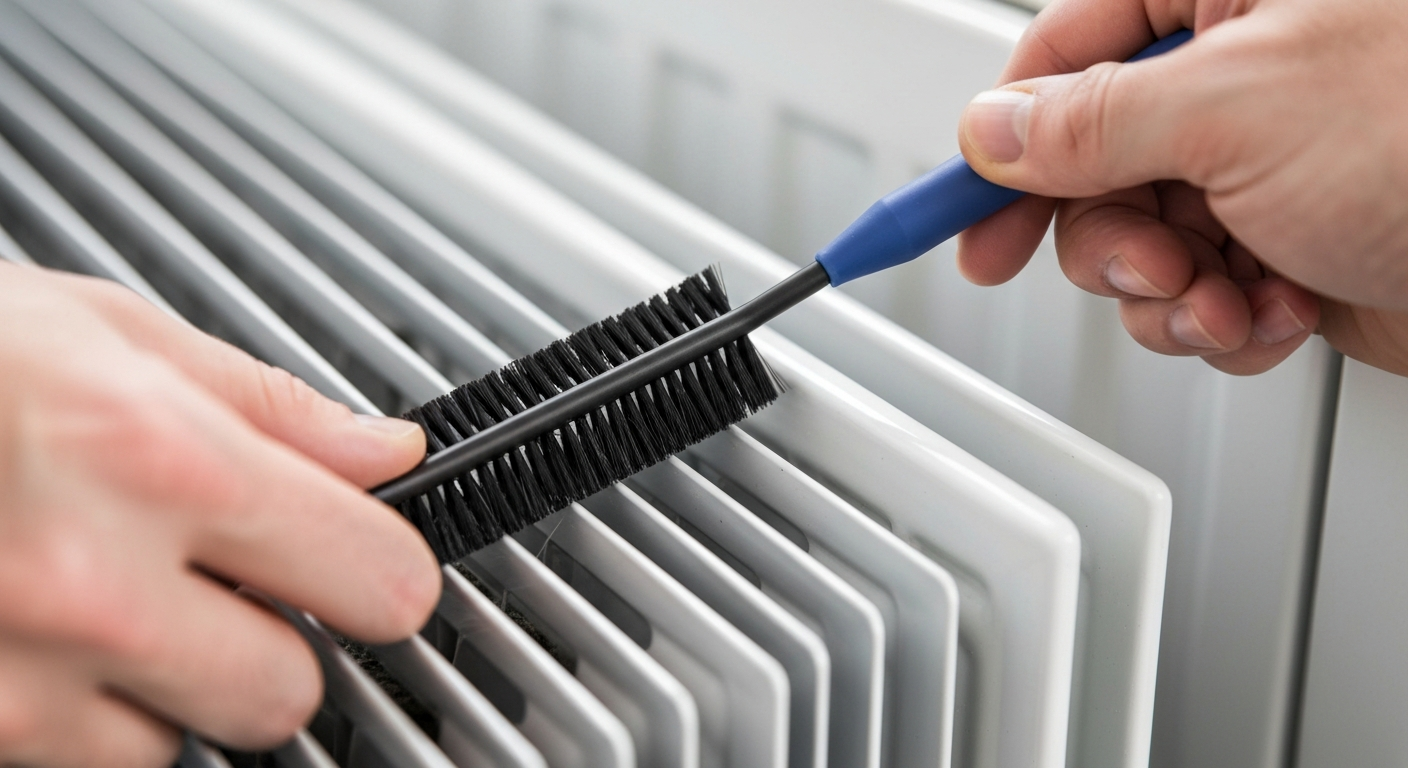
- Radiator brushes: Are slim and flexible for reaching between the sections.
- Grout brushes: Have hard, short bristles for removing caked-on dirt.
Brushes for power tools
These brushes use the power of a battery or machine.
- Cordless cleaning brushes: Provide their own power for demanding jobs.
- Drill brush attachments: Turn your power tool into a cleaning aid.
Specialist brushes for specific tasks
Some brushes are made for one clearly defined purpose. These include brushes for cleaning electrical sockets and specialist garden brushes.
Warning: Do not use brushes that are too hard on delicate surfaces such as acrylic glass or polished chrome. They can cause scratches.
What makes a good cleaning brush?
Not every brush with the same name delivers the same performance. Look out for these quality features.
Bristle material and construction
The bristles are the heart of the brush. Synthetic bristles made from nylon or polyester are durable and resistant to chemicals. Natural bristles are suitable for gentle polishing. The bristles must be firmly anchored and should not pull out.
Handle and ergonomics
A non-slip, ergonomic handle is essential. It prevents fatigue and gives you a secure grip even with wet hands. A long handle also helps protect your back.
Head flexibility and shape
Flexible heads or angled necks are a major advantage for hard-to-reach areas. The shape must suit the intended use: narrow for gaps and wide for large surfaces.
Comparison of test criteria
In our comparison, we assessed the brushes according to these criteria.
- Cleaning performance: How effectively does the brush remove different types of dirt?
- Handling: How comfortable is it to hold? Is the handle comfortable?
- Durability: Do the bristles remain stable under strain?
- Applications: Which surfaces and areas is it suitable for?
- Accessories and compatibility: Is useful additional equipment included? Does it fit other devices?
Best cleaning brushes compared
Our current comparison reveals clear favourites for different applications. The following table provides a quick overview of the models tested.
The highest-rated cleaning brushes in our range compared directly:
| Model | Customer rating | Availability |
|---|---|---|
| SUPERFLEX flat radiator brush 🏆 Test winner | ★ 4,8 (29) | In stock |
| 11-piece cordless cleaning brush | ★ 4,8 (17) | In stock |
| Cleaning brushes, special brush set, bottle brushes, 8-piece | ★ 5,0 (2) | In stock |
| 2in1 socket cleaning brush | – | Currently unavailable |
| 2in1 grout/tile brush | – | Currently unavailable |
Specialist for hard-to-reach areas: flat radiator brush
The
stands out with its extremely slim and flexible head. It easily reaches the narrow gaps in modern radiators. The long bristles also remove dust deep inside. The long handle allows you to work comfortably while standing. This brush is a must-have for cleaning radiators.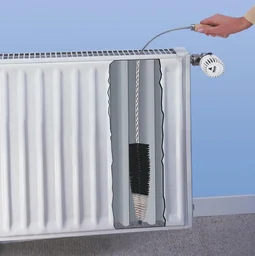
Powerful helper for heavy-duty jobs: cordless cleaning brush
For larger surfaces or stubborn dirt, muscle power alone is often not enough. The
provides its own power. The extensive 11-piece set includes the right attachment for almost every application. The battery life is more than sufficient for typical cleaning jobs. It is ideal for patios, garden furniture, or heavily soiled basement areas.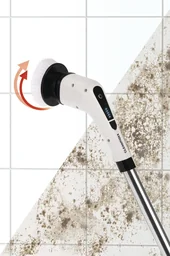
All-rounder for everyday use: special brush set
Not everyone needs a powered brush. A good hand brush set covers most household tasks. With eight pieces, the
offers exceptional versatility. It includes everything from bottle and pot brushes to brushes for narrow crevices. The quality of the bristles and sturdy construction impressed us in the test. This set is an excellent basic choice for every household.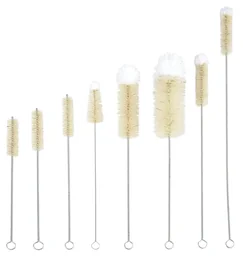
Note: The availability of special brushes, such as socket brushes or attachments for cordless drills, may vary. Check current stock levels before making your purchase.
Buying guide: making the right choice
Ask yourself these questions before buying to find the right model.
Where and how often will you use the brush?
For annual radiator cleaning, a specialist brush such as the . is sufficient. For frequent, varied tasks, a set such as the . is worthwhile. If you regularly tackle heavy-duty outdoor cleaning, a cordless model is worth considering.
Which surfaces need to be cleaned?
Delicate surfaces need softer bristles. Hard, short bristles are essential for grout or encrusted areas. Make sure the material is suitable for the surface.
How important are comfort and ergonomics to you?
A long, adjustable handle protects your back. An ergonomic grip helps prevent blisters. If you use the brush frequently, these comfort features are well worth it.
Care and maintenance
With the right care, your cleaning brushes will last for many years.
Rinse the brushes thoroughly after every use. Allow them to air-dry upside down. Regularly remove hair and textile fibres from the bristles. Store the brushes in a dry place without compressing them, to preserve the shape of the bristles.
Alternatives and specialist brushes
In addition to universal sets, there are also highly specialized brushes. These are designed for a single purpose, which they perform perfectly. Examples include:
- Socket cleaning brushes: Minimal size for electrical contacts.
- Tile and grout brushes: Extra-hard bristles for silicone and grout.
- Garden brushes: Often telescopic and weather-resistant for patios and paths.
For all these specialist applications, you will find a wide selection in our cleaning equipment category. Ultimately, the choice between a specialist brush and a universal set depends on your specific requirements. With the products presented here and our buying guide, you are sure to find the right solution for a clean home.
Frequently Asked Questions
- Which cleaning brush is best for radiators?
- For panel radiators, you need a special, narrow and flexible brush. These can reach deep into the gaps. A long handle and angled heads are key advantages here. Models such as PRODUCT_74194 are particularly suitable.
- Can I also use a cleaning brush with a cordless drill?
- Yes, there are special cleaning brush sets for cordless drills. They use the tool's rotational power for more efficient cleaning. Make sure the attachment is compatible with your drill. This is ideal for stubborn dirt.
- Are brushes with natural or synthetic bristles better?
- Synthetic bristles are often more robust, longer-lasting and resistant to moisture and chemicals. Natural bristles can be gentler on sensitive surfaces. For general household use, synthetic bristles are usually the more practical choice.
- What should I look for in a cordless cleaning brush?
- Check the battery runtime, power and charging time. The selection of attachments included is also important. An ergonomic handle helps prevent premature fatigue. PRODUCT_73761 is a good example.
- How do I clean and care for my cleaning brushes?
- Rinse brushes thoroughly with clean water after use. Allow them to dry completely in the air to prevent mould from forming. Regularly remove hair and lint that can become caught in the bristles.
You might also be interested in
- Floor Mop Test & Comparison 2026
- Kitchen Cleaner Test & Comparison 2026
- Ash Vacuum Cleaner Test & Comparison 2026: The Best Models Reviewed
- Descaler Test & Comparison 2026: The Best Products Reviewed
- Grout Cleaner Test & Comparison 2026: The Best Products Tested in Practice
- Ear Cleaner Test & Comparison 2026: The Best Models Reviewed