
In brief: The best combination pliers for you depend on how you plan to use them. For precise electrical work, choose insulated pliers with fine tips. For demanding jobs such as cutting wire or building fences, look for a sturdy pair with plenty of leverage. Ergonomic handles and high-quality steel help ensure a long service life. Our comparison highlights the strengths of different types.
A good pair of combination pliers is the Swiss Army knife of hand tools. It combines several functions in one convenient tool, making it a workshop, home and hobby essential. Our 2026 test and comparison explains which models suit different jobs and what to look for when buying.
Table of contents
What can combination pliers do?
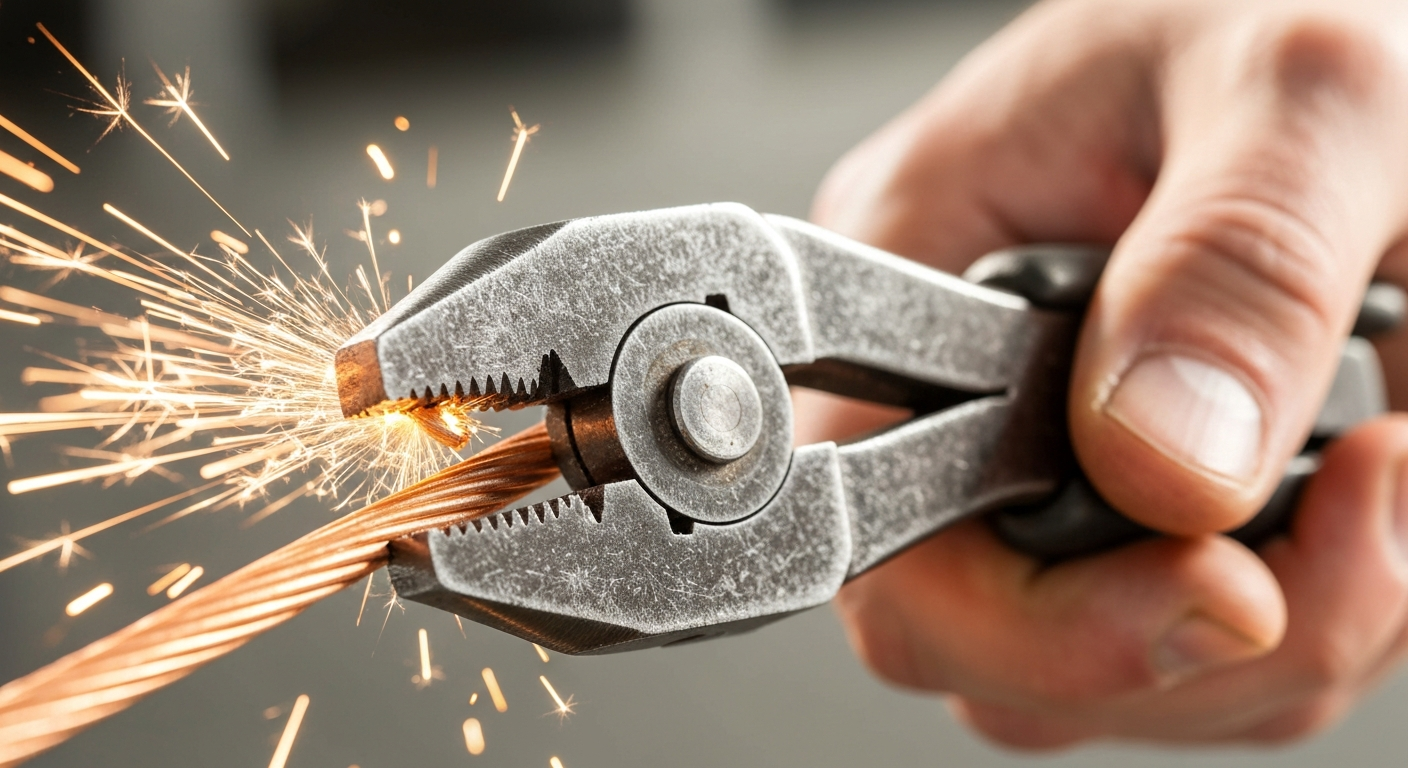
Classic combination pliers offer three main functions: gripping, cutting and bending. The gripping jaws are at the front and are often serrated for a secure, slip-resistant hold.
The cutting edges sit behind the gripping jaws and can cut wire, cables and thin sheet metal. A good pair stays sharp and cuts cleanly. The third feature is the pipe-gripping section between the joints, which is useful for turning hex nuts or gripping small pipes.
Tip: Before you buy, check that the pliers open and close smoothly. The handles should feel comfortable and not too heavy in your hand. A good pair should be easy to operate with one hand.
Common uses
Combination pliers are versatile. For electrical work, you can use them to cut and strip cables. Around the home, they come in handy for bicycle and furniture repairs. Tradespeople use them to cut wire and bend metal parts. They are also useful in the garden and for animal care, such as when repairing fences.
Which combination pliers should you choose?
The right choice depends largely on the jobs you plan to tackle. Start by choosing the right type. Standard combination pliers are a good fit for general household and hobby tasks. They are sturdy and affordable.
For electrical work, choose insulated combination pliers to help protect against electric shock. Look for VDE certification. Many high-quality models also include features such as a spring for automatic opening or adjustable cutting edges.
Warning: Never use non-insulated combination pliers for electrical work. Damaged insulation offers no protection, either. Check the handles for cracks or wear before each use.
Consider size and weight
Length affects both comfort and leverage. Short pliers (160 mm) offer precision. Long pliers (220 mm and more) provide greater leverage. The weight should feel balanced. Pliers that are too light can feel less sturdy, while a pair that is too heavy can tire your hand.
Design and features in detail
Here are the key quality features to look for. The joint is the heart of the tool. It should be precisely finished, with no play. A forged joint is more durable than a stamped one.
The material matters, too. High-quality chrome vanadium steel (CrV) is durable and corrosion-resistant. The cutting edges are often induction-hardened, making them especially hard and sharp. Check that the edges and surfaces are well finished.
Handle quality
The handles should sit securely in your hand. Soft plastic grips make the pliers more comfortable and help prevent slipping. Insulated plier handles must meet applicable standards. A hand guard at each end helps keep your hand from slipping forward.
Note: Even the best combination pliers have their limits. They are not designed for cutting hardened steel or loosening rusted-on nuts. For these jobs, use specialist tools such as bolt cutters or pipe wrenches.
Test Winner and Product Comparison
In our hands-on test, we assessed several models for everyday use, evaluating comfort, cutting performance, durability and versatility. Here are three particularly versatile options.
The
are a classic pair of combination pliers with plastic handles, ideal for general household and workshop tasks. The black atramented finish protects against corrosion. At 180 mm long, they’re easy to handle and fit into tight spaces.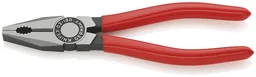
For demanding outdoor or agricultural work, the
are a good choice. These 26 cm farm pliers offer extra leverage for fence and wire work. They’re built to last and can handle tough materials.
If you need a power supply for your electric fence, the
may be just what you need. This combination unit brings together several functions and can be used in a variety of ways. It shows that “combination” can refer to more than just pliers.
Here are the most-reviewed combination pliers in our range, compared side by side:
| Model | Customer rating | Availability |
|---|---|---|
| Aesculap GT 504 replacement cutting comb for animal clippers | – | Currently unavailable |
| Aesculap GT 508 replacement cutting comb for NOVA CL - livestock shearing | – | Currently unavailable |
| Aesculap GT 511 replacement clipper blade for horses & cows - compatible blades | – | Currently unavailable |
| Aesculap GT 588 replacement clipper blade 3,5 mm for livestock | – | Currently unavailable |
| BISON U 4000 9/12V combination unit electric fence - versatile (without battery) | – | Currently unavailable |
What Our Tests Showed
All the models we tested offered a good grip. The biggest differences were in cutting performance on harder wire. High-quality CrV steel cutting edges stayed sharp and made clean cuts for much longer than simpler versions. The joint also played a key role in comfort during extended use.
Care and Maintenance
With proper care, a pair of combination pliers can last for many years. Clean them after use to remove dirt and moisture. A little oil on the joint helps prevent rust and keeps the pliers moving smoothly. Use tool oil for this.
Check the cutting edges regularly. Blunt edges require more force and can be dangerous. You can sharpen pliers with a special sharpening stone or have the cutting edges professionally resharpened.
How to Store Your Pliers
Keep your combination pliers in a dry, protected place. A toolbox or wall-mounted tool holder is ideal. Keep them from rubbing against other metal tools to protect the cutting edges. Do not expose insulated handles to intense heat or direct sunlight.
Common Uses
Combination pliers are a must-have for electrical installation work. They cut cables, strip insulation and bend wires for terminal connections. Make sure your pliers have suitable insulation and sharp, fine cutting edges.
For model making and precision engineering, small combination pliers help you grip and bend thin parts accurately. Their versatility saves time and trips back to the toolbox.
For DIY projects such as assembling furniture or repairing bicycles, combination pliers are an ideal helper. Use them to hold screws securely, pull out split pins or cut off excess cable ties. Explore our range of pliers for every task.
Special Uses in Agriculture and Gardening
Robust models such as farm pliers are often used for these jobs. They’re handy for repairing wire mesh fences, cutting binding wire and bending metal rods. High leverage is essential. Find specialist models for this kind of work in our hand tools category.
Conclusion
Choosing the right combination pliers is an investment in efficient, safe work. A high-quality pair will serve you for years. Choose based on your main tasks: electrical work calls for insulated handles, while heavy-duty jobs demand a robust design.
Our comparison shows there’s no single best pair of combination pliers for everyone. It’s about finding the right features for your projects. From compact all-rounders to specialist farm pliers, you’ll find plenty of options in our combination pliers range. You can also browse our full tool range for more useful helpers.
Choose quality materials and solid workmanship, and you’ll be able to enjoy your versatile tool for years. Try the pliers in your hand before you buy and choose a size that feels comfortable.
Frequently Asked Questions
- What can I use combination pliers for?
- Combination pliers bring several functions together in one tool. You can use them to cut, grip and bend. Typical uses include stripping and cutting cables, holding nuts, cutting wire and bending metal parts. These versatile pliers can replace several individual tools.
- What does "insulated" mean when referring to combination pliers?
- Insulated combination pliers are approved for electrical work up to a specified voltage, typically 1000 V. Their handles are made from special nonconductive material to help protect you from electric shocks. For electrical work, use only insulated pliers that comply with DIN EN 60900 or VDE standards.
- How do I choose the right size combination pliers?
- Combination pliers are usually between 160 and 250 mm long. Smaller pliers (160-180 mm) are suited to delicate work and tight spaces. Standard models (200 mm) are versatile all-purpose tools. Longer pliers (220-250 mm) provide more leverage for tougher materials. Choose a size that feels comfortable and provides the force you need.
- What should I look for in the cutting edges?
- Look for hardened, ground cutting edges made from high-quality tool steel. They should be sharp along their entire length and close precisely. For cutting hardened steel or wire, choose pliers with induction-hardened cutting edges. Check the edges regularly and sharpen or replace them if they become worn.
- Can I use combination pliers to grip or turn pipes?
- Yes. Use the pipe-gripping section at the front of the jaws to hold and turn hex nuts or small pipes. Avoid applying excessive force, which could damage the nuts or overload the pliers. For regular work on nuts, a suitable wrench is a better choice.
You may also be interested in
- Crimping Pliers Test & Comparison 2026
- Combination and Water Pump Pliers: The DIY Guide
- Screwdriver Test & Comparison 2026: The Best Models Reviewed
- Open-End Spanner Test & Comparison 2026
- Compressor Test & Comparison 2026: The Best Devices Reviewed
- Toolbox Test & Comparison 2026: The Best Models in Practical Testing