
In brief: Lithium batteries have several advantages over traditional alkaline batteries. They’re lighter, offer higher energy density, and have an exceptionally long shelf life. For demanding devices such as cameras, medical instruments, and outdoor equipment, they’re often the best choice. Our comparison shows that modern lithium-ion rechargeable batteries with USB-C charging are especially convenient.
Lithium batteries have transformed portable power. They deliver reliable performance, last a long time, and work well even in extreme conditions. In our 2026 review and comparison, we look at the leading lithium batteries and rechargeable batteries. You’ll learn what to look for and which options suit your needs.
Whether you need a reliable power source for a camera, smoke alarm, or outdoor activity, this guide can help you choose. We compare single-use lithium batteries with modern rechargeable lithium-ion batteries so you can find the right option.
Table of contents
Lithium vs. alkaline batteries: Key differences
The most noticeable difference is weight. Lithium batteries are considerably lighter than comparable alkaline batteries. That’s a major advantage for backpacking or devices you carry often.
Lithium batteries have a higher energy density, which means they provide more energy in the same size. This makes them ideal for high-drain devices such as flash units and professional measuring instruments.
Another advantage is temperature resistance. Alkaline batteries quickly lose power in freezing conditions, while lithium batteries continue to work reliably at temperatures well below freezing. They also handle higher temperatures better.
Their shelf life is hard to beat. Lithium batteries can be stored for many years without a significant loss of capacity. That makes them a great choice for emergency supplies or devices you use infrequently.
Note: Nominal voltage can vary. Many lithium batteries provide 1,5 V and can be used as direct replacements. Other models provide 3,0 V or 3,6 V for specialized applications.
What types and sizes are available?
First, distinguish between non-rechargeable lithium batteries (primary cells) and rechargeable lithium-ion batteries (secondary cells). Both have their uses.
Non-rechargeable lithium batteries
You buy these batteries once and dispose of them after use. Their main advantages are an exceptionally long shelf life and high capacity. They’re a great choice for low-power devices and emergency supplies.
Common sizes include:
- AA (Mignon) and AAA (Micro): Classic sizes for remote controls, flashlights, and wireless mice.
- 9V block (E-block): Commonly used in smoke alarms, guitar effects pedals, and multimeters.
- CR123A / CR17335: A compact, high-performance size for specialty flashlights, cameras, and security equipment.
Rechargeable lithium-ion batteries
You can recharge these batteries hundreds of times, making them more cost-effective and environmentally friendly over the long term. Many modern versions have a built-in USB-C port for easy charging.
Popular sizes include:
- Lithium-ion AA rechargeable batteries with USB-C: Convenient all-around batteries for household devices.
- Lithium-ion 9V E-block rechargeable batteries with USB-C: Ideal for devices that regularly need new 9V batteries.
- Special sizes such as Baby (C) or Mono (D): Often available as an adapter option for standard rechargeable batteries.
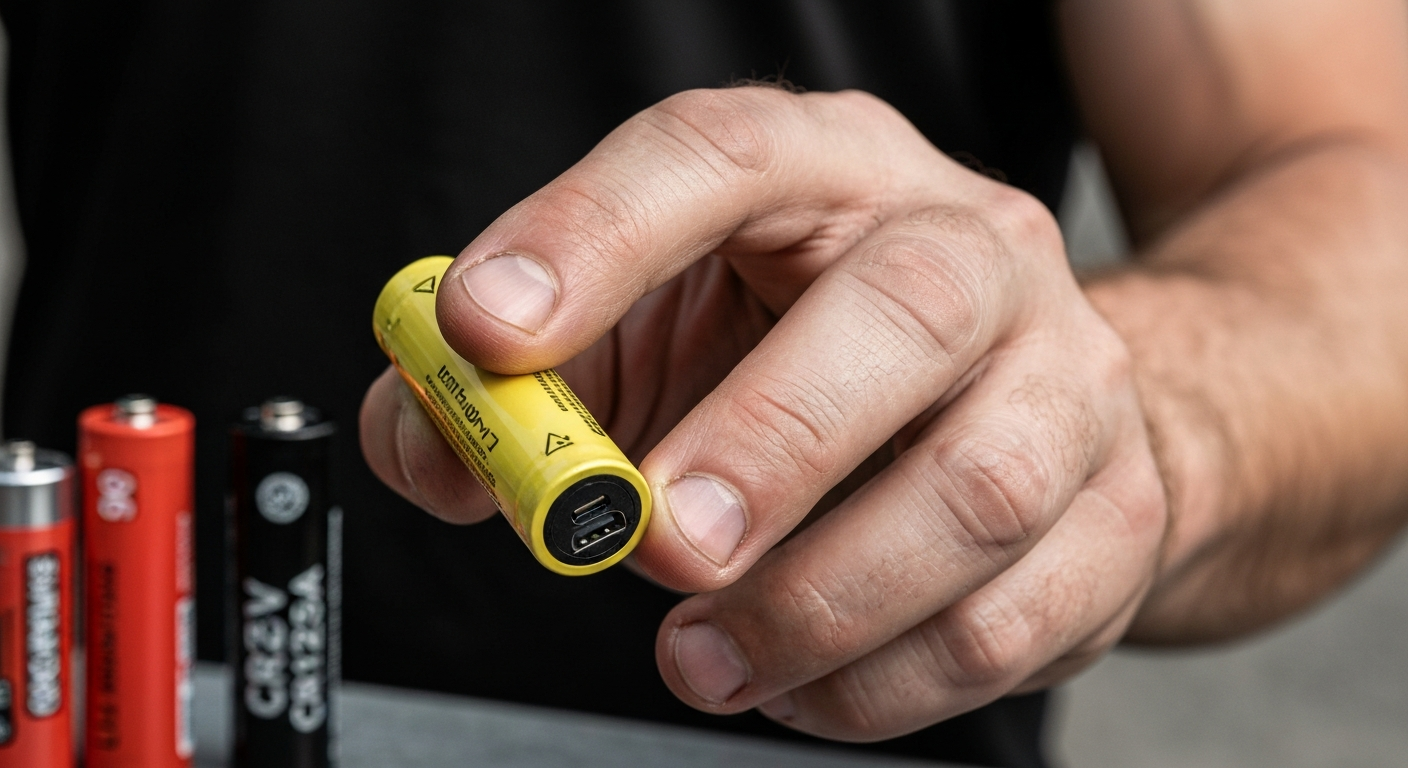
Our comparison criteria
We evaluate products based on several factors that matter to you, for a practical, useful comparison.
Capacity and performance: How much energy does the battery store? How stable is its voltage under load? These factors affect how long your device runs.
Longevity and cycle life: For rechargeable batteries, we consider how many charging cycles they can handle without a significant loss of capacity. For primary batteries, we look at shelf life.
Ease of use and convenience: Is the USB-C port easy to access? Is the charging indicator easy to read? Does the battery fit the devices it’s designed for?
Safety features: Does the rechargeable battery have overcharge, deep-discharge, and short-circuit protection? This circuitry protects both the battery and your device.
Environmental impact: We consider whether the batteries are rechargeable and what materials they use. Sustainability is becoming increasingly important.
Important: Use only the chargers or cables specified for your lithium-ion rechargeable batteries. The wrong charger can damage the batteries or, in the worst case, create a safety hazard.
Compare the best lithium batteries
A side-by-side comparison highlights the strengths and weaknesses of each model. The table below gives you a quick overview of the products we tested.
Our top-rated lithium batteries, compared side by side:
| Model | Customer rating | Availability |
|---|---|---|
| 4,5 Watt portable solar panel for trickle charging 🏆 Test winner | ★ 4,9 (21) | In stock |
| Lithium-ion AA rechargeable batteries with USB-C – 4-pack, safety cut-off | ★ 4,8 (4) | In stock |
| Lithium-ion 9V E-Block rechargeable battery with USB-C, 1 piece, safety cut-off | ★ 5,0 (1) | In stock |
| 2,5 Watt portable solar panel for trickle charging | – | In stock |
| 7,5 Watt portable solar panel for trickle charging | – | In stock |
Our top pick among rechargeable AA batteries is the Lithium-ion AA rechargeable batteries with USB-C – 4-pack
. Its high capacity, convenient USB-C port, and reliable safety cut-off make it a great choice for everyday use.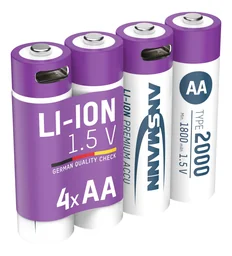
For 9V applications, the Lithium-ion 9V E-Block rechargeable battery with USB-C, 1 piece
is a standout. You can charge it directly without a separate charger, which is especially convenient when traveling.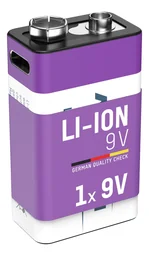
Among high-performance disposable batteries, the Lithium battery CR123A / CR17335
delivers reliable performance. Its voltage remains very stable, making it ideal for demanding uses such as high-quality flashlights.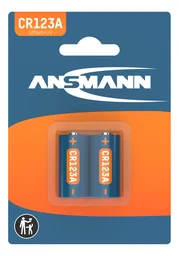
For sustainable power away from an outlet, we recommend the 4,5 Watt portable solar panel for trickle charging
. It’s ideal for charging your lithium-ion batteries sustainably with solar power.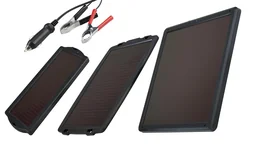
Buying guide: How to choose the right battery
The right battery for you depends mainly on how you plan to use it. Ask yourself these questions before you buy.
How often do you replace the battery? If you replace batteries often, such as in a gaming mouse or Bluetooth headset, rechargeable lithium-ion batteries are a smart choice. For devices you use less often, such as a smoke detector, disposable lithium batteries are a better fit.
Where will you use the battery? For outdoor use in changing temperatures, lithium batteries are almost always the best choice because they’re durable. For stationary use at home, other rechargeable battery technologies may also work well.
Which device will you power? Check the manufacturer's specifications. Some devices, especially older models, are designed for the discharge curve of alkaline batteries. In these cases, a lithium battery with a different voltage curve may cause problems.
How important is convenience to you? Rechargeable batteries with a built-in USB-C port eliminate the need for a separate charger. That’s handy when traveling or using several different battery types.
Tip: Buy rechargeable batteries in pairs or sets. That way, you’ll always have charged spares ready, and rotating which cells you use and charge can help protect them.
A quick guide to choosing
- For everyday devices (remote control, mouse, flashlight): Lithium-ion AA/AAA rechargeable batteries with USB-C.
- For safety devices (smoke detector): High-quality, non-rechargeable lithium batteries with a long service life.
- For professional applications (camera, measuring instrument): High-performance lithium batteries such as the CR123A or specialized lithium-ion packs.
- For mobile use (camping, van life): Pair lithium-ion batteries with a portable solar panel like the for off-grid power.
Common uses at a glance
Lithium batteries aren’t the best choice for every device, but they perform especially well in these applications.
Photography and videography
Flash units, on-camera lights, and some cameras need a lot of power in a compact package. Thanks to their high energy density and ability to deliver power quickly, lithium batteries are essential for these devices. They can noticeably shorten flash recycle times.
Security systems
Smoke detectors, CO detectors, and emergency lights need to work reliably for years. Lithium batteries’ long shelf life and service life make them a top choice for these devices. Visit our Technology category to learn more about safety-related electronics.
Outdoor and leisure
Whether you’re powering a GPS device, a hiking headlamp, or a fishing bite alarm in freezing temperatures, lithium batteries deliver consistent performance long after alkaline batteries have run out. Their light weight is another advantage.
Medical and measuring devices
Blood glucose meters, blood pressure monitors, and precision multimeters need a stable voltage for accurate readings. Lithium batteries’ flat discharge curve helps maintain that accuracy for almost their entire service life.
Explore our wide range of power sources in the Batteries category.
Safety and proper disposal
Lithium batteries are safe when you follow a few basic rules. Store or transport loose batteries so their terminals cannot accidentally short-circuit. Use the original packaging or a dedicated battery storage case.
Avoid extreme heat, such as leaving batteries in a hot car, and keep them out of direct sunlight. Never throw lithium batteries into a fire, as this can cause a violent reaction.
Battery disposal is regulated by law. Used lithium batteries and rechargeable batteries must not go in household trash. Always take them to a retailer's battery collection point or a recycling center. This applies to both disposable and rechargeable batteries.
Many retailers accept used batteries. Recycling them properly recovers valuable raw materials such as lithium, cobalt and nickel, helping to close the materials loop.
For answers to specific questions about lithium batteries, visit our specialist lithium batteries category.
Conclusion: The right lithium battery depends largely on how you plan to use it. For everyday use, modern rechargeable lithium-ion batteries with USB-C charging are a convenient, cost-effective choice over the long term. For applications that demand maximum reliability over many years, disposable lithium batteries remain the best option. Use our test results and buying guide to find the ideal product for your needs.
Frequently Asked Questions
- What is the difference between lithium batteries and rechargeable lithium-ion batteries?
- Lithium batteries are non-rechargeable primary cells. They offer high capacity and a long shelf life. Rechargeable lithium-ion batteries are secondary cells that can be recharged hundreds of times, making them ideal for devices where batteries need replacing often.
- Which devices are lithium batteries best for?
- Lithium batteries are ideal for devices with high power demands or for use in extreme conditions. Common examples include digital cameras, flash units, medical measuring devices, smoke detectors and outdoor electronics. They also work reliably at very low temperatures.
- Can I replace a lithium battery with an alkaline battery?
- Check the voltage first. Many lithium batteries are rated at 1,5 V, like alkaline batteries, and can be used as direct replacements. Lithium batteries rated at 3,0 V or 3,6 V, such as CR123A batteries, can often replace two alkaline batteries connected in series. Always check the device manufacturer's specifications.
- How long can lithium batteries be stored?
- Lithium batteries have an exceptionally low self-discharge rate. At room temperature, they lose only around 1% of their charge per year, so they can be stored for 10 years or more. Keep them in a cool, dry place away from sunlight.
- Are rechargeable lithium-ion batteries with USB-C practical?
- Yes, these rechargeable batteries are easy to use. Charge them directly with any USB-C cable, such as one connected to a laptop, power bank or car charger. No separate charger is needed. Many models have built-in charging electronics and an automatic safety cutoff.