
In brief: The right plant protection product depends on the pest, the plant and how you want to apply it. Mechanical barriers such as glue bands offer an environmentally friendly way to stop crawling pests. Cordless sprayers with precise controls are ideal for treating larger areas. We compare the main product types to help you find the right option.
Plant protection matters to every gardener. In 2026, there are plenty of effective options, including some that are more environmentally friendly. This comparison and buying guide will help you find the right solution for your garden. We cover products that help control pests and protect your plants.
Contents
What types of plant protection products are available?
Plant protection products generally fall into three categories: chemical, biological and mechanical. The right choice depends on the pest and your priorities.
Mechanical barriers
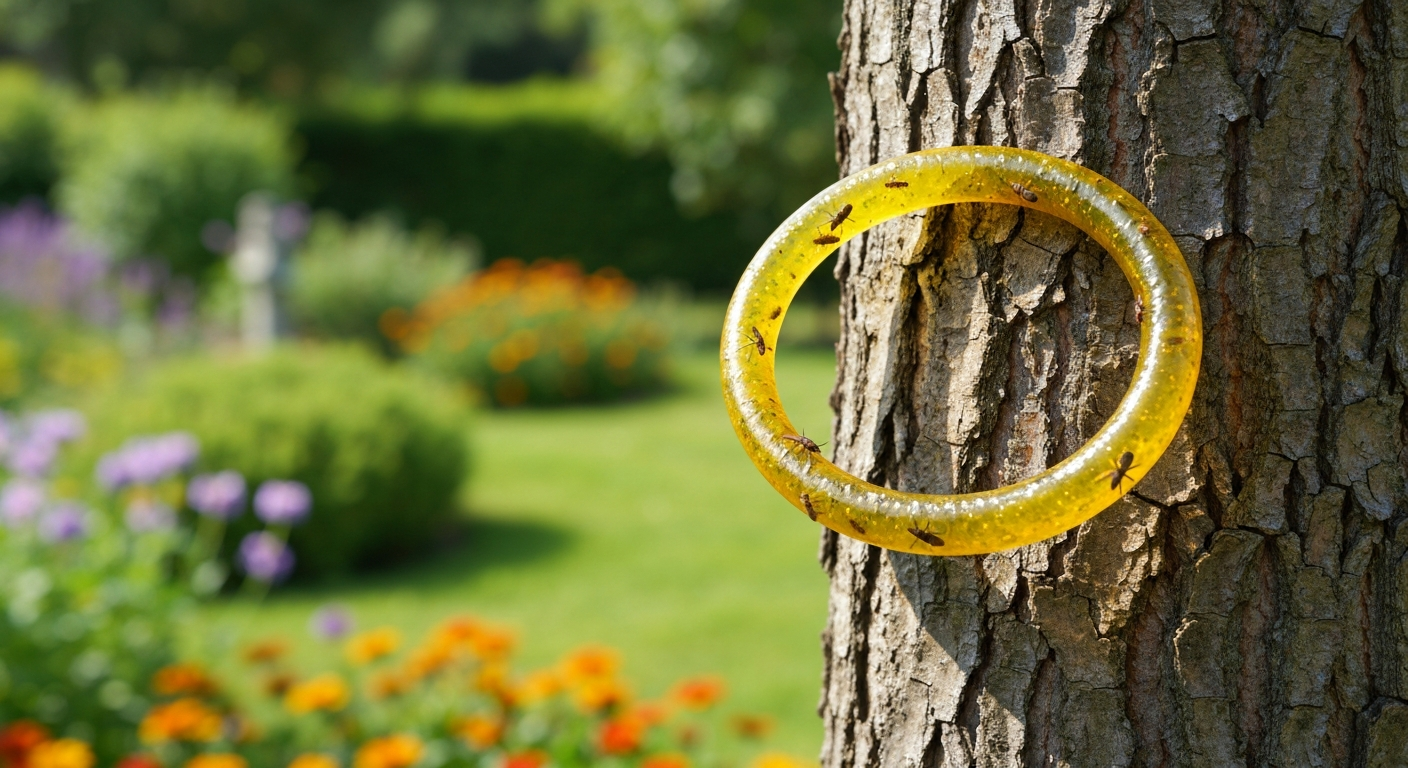
These products work by physically stopping pests from reaching a plant. A classic example is a glue band wrapped around a tree trunk, where crawling insects get stuck. It is a highly environmentally friendly method.
Biological products
Biological products use natural active ingredients or organisms, such as beneficial insects and bacterial cultures. They target specific pests and often protect other organisms in the garden. Check how a product works before using it.
Chemical products
Chemical plant protection products often work quickly and target a broad range of pests. They need to be measured and applied carefully. Always check that a product is approved for use in home and community gardens, and read the label carefully.
Tip: Combine methods. Start with mechanical barriers such as glue bands. If an infestation is severe, you can use targeted biological or chemical products. This helps limit the impact on your garden's ecosystem.
What should you look for when buying?
Before buying a product, consider a few key points. It can save you time and money.
Identify the pest and plant
Identify the pest precisely so you can choose the right product. You should also identify the affected plant, as some products are approved only for specific crops.
How it works and environmental impact
Think about how you want the product to work. Do you need a quick fix or a preventative solution? Check how safe it is for beneficial insects such as bees. You can find this information on the packaging and in the safety data sheets.
Quantity and application method
Estimate how much you need. A small tin of caterpillar glue may be enough for a few trees. For larger areas or frequent use, a bulk pack may be a better value. Also consider how you want to apply the product: by hand, with a spray bottle or with a sprayer?
Warning: Protect yourself. Always wear suitable gloves when applying plant protection products. If spray mist is present, safety goggles and long sleeves may also be necessary. Keep all products out of reach of children and pets.
Products compared in 2026
Here is a selection of proven plant protection products, with practical options for home gardens.
Our top-rated plant protection products, compared:
| Product | Customer rating | Availability |
|---|---|---|
| Green caterpillar glue, 250 g tin – tree protection 🏆 Test winner | ★ 5,0 (33) | In stock |
| Cordless Li-ion sprayer, 8 liters, "GM ASL 8" | ★ 4,7 (32) | In stock |
| Caterpillar glue for pear trees – bud weevils and winter moths, 500 g | ★ 4,9 (22) | In stock |
| Caterpillar glue, 1 kg – ideal protection for your trees | ★ 4,9 (14) | In stock |
| Rekord glue band, 3 m | ★ 4,7 (7) | In stock |
Caterpillar glue is an effective way to control caterpillars and other crawling pests on tree trunks. The product comes in a one-kilogram pack, making it a good choice for treating several trees. Its consistency helps it stay in place through changeable weather.
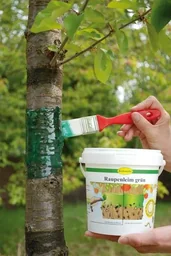
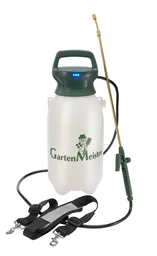
For applying liquid products over larger areas, a cordless sprayer is hard to beat. The combines a lithium-ion battery with an eight-liter capacity. Work without a power cord and reach higher branches with ease.
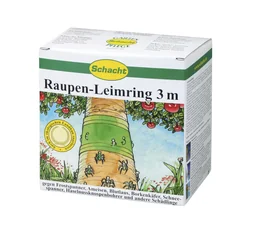
A glue band is one of the simplest and most environmentally friendly pest control methods. The is three meters long and easy to wrap around a tree trunk. It traps female winter moths and other pests before they can lay eggs in the tree canopy.
Note: Product availability may change. Check the current stock status in our shop under plant protection products before buying. You can also find more alternatives and accessories there.
How to Apply Plant Protection Products Successfully
Using plant protection products correctly is essential for effective pest control.
Timing Is Key
Apply preventative products such as tree bands at the right time. For many pests, late summer or early fall is ideal. Take action before the insects become active. If you spot an active infestation, act right away.
Follow the Recommended Dosage
Always follow the recommended dosage. Using more product will not improve the results; it will only put extra strain on your plants and the environment. For liquids, use a measuring cup or the markings on the sprayer.
Apply Evenly
Whether you are using glue or a spray solution, apply it evenly. Glue bands must completely encircle the trunk with no gaps. When spraying, wet both the top and underside of the leaves.
Consider the Alternatives
You do not always need a store-bought product. Simple measures are often enough.
- Strengthen your plants: Healthy, well-nourished plants are more resilient. Choose suitable locations and make sure they get enough nutrients.
- Encourage beneficial wildlife: Create habitats for birds, hedgehogs and insects such as ladybugs. They help control pests naturally.
- Remove pests by hand: If an infestation is small, simply collect the pests by hand. This works well for many caterpillars and larvae.
Find more ideas and products for healthy plants in our garden section.
Buying Guide and Conclusion
Choosing the right plant protection product means balancing effectiveness, ease of use and environmental impact.
Which Product Is Right for You?
For fruit tree owners dealing with winter moths: Choose glue bands or caterpillar glue. These mechanical solutions are clean and effective. For owners of ornamental shrubs or vegetable gardens: A handy sprayer lets you apply different products precisely. For preventative protection: Choose durable, long-lasting barriers such as glue products.
Our Conclusion from the 2026 Test
In 2026, you can protect your plants effectively while being mindful of the environment. The best approach is to combine mechanical barriers with the targeted, responsible use of other products. High-quality caterpillar glue, convenient glue bands and powerful battery-powered sprayers provide a solid foundation for any garden. Choose a product based on a careful assessment of the problem. This helps protect your plants effectively over the long term.
Frequently Asked Questions
- Are glue bands environmentally friendly?
- Yes. Glue bands provide a mechanical barrier and work without chemical insecticides by trapping crawling pests such as female winter moths. They protect your trees while helping keep beneficial organisms in the garden safe.
- When should I put glue bands on fruit trees?
- Apply glue bands in late summer or early fall, before female pests start climbing the trees. Check the band regularly and replace it if it becomes heavily soiled so it stays sticky.
- Which plants can I use caterpillar glue on?
- Caterpillar glue is ideal for protecting the trunks and branches of fruit trees such as apple, pear and plum trees. It helps control pests that climb into the canopy to lay eggs or feed, including winter moths and ants that carry aphids.
- What are the benefits of a battery-powered sprayer?
- A battery-powered sprayer gives you freedom to move around without a cumbersome cord. It also makes hard-to-reach areas easier to treat. Modern lithium-ion batteries offer long runtimes and charge quickly. Pressure control helps you apply products precisely and use them efficiently.
- How should I dispose of empty plant protection product containers?
- Rinse empty containers thoroughly as directed on the label. Then dispose of them with household trash or take them to a hazardous waste collection site. Never put them in a recycling bag or pour product down the toilet. Always follow your local disposal regulations.