
In brief: Choosing the right woodworking machine depends on your projects and the space available. Compact lathes are suitable for delicate work, while powerful saws and routers are essential for larger projects. Our test compares the performance, handling and versatility of the top models to help you make an informed purchasing decision.
Are you planning to upgrade your workshop or get started in woodworking? There is a wide range of machines to choose from. Our test and comparison for 2026 shows you which woodworking machines stand out in terms of performance, precision and ease of use. We help you find the right machine for your projects.
Table of contents
What types of machines are available?
Woodworking machines can generally be divided into several categories. Each one is designed for specific tasks.
Lathes for rounded shapes
Lathes, also known as woodturning lathes, are essential for making round objects. They rotate the workpiece while you shape it with a chisel. Compact models are suitable for beginners, while professionals look for larger swing capacities and greater power.
Saws for precise cuts
Circular saws, panel saws and bandsaws belong to this group. They cut wood quickly and precisely. The right choice depends on the type of cut required: long, straight cuts or curved shapes.
Routers and planers for surface finishing
These machines work on the surface of the wood. Routers create profiles, grooves and decorative details. Planers level surfaces and create precisely parallel sides. A router table is often the most versatile individual machine in this category.
Tip: Consider which types of projects you plan to work on most often. The machine you need most should be your first purchase.
Test criteria
Our comparison assesses the machines according to specific, practical criteria.
Performance and precision
Motor power determines which types of wood you can work with easily. Precision is reflected in repeatability and minimal vibration during operation. A stable construction is crucial here.
Handling and safety
How intuitive is the machine to operate? Can all important settings be made easily and accurately? Safety features such as emergency stops, guards and riving knives are essential. They provide reliable protection.
Space requirements and compatibility
The machine itself is not the only thing that requires space. Consider the material feed, outfeed area and any dust extraction systems you may need. Also check whether standard tools and accessories are compatible.
Comparing the models
A direct comparison reveals the strengths and possible limitations of each machine.
Lathes in focus
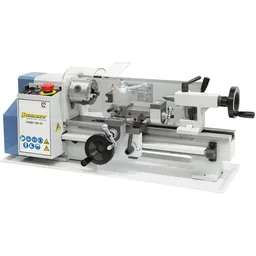
For demanding woodturning work, the Bernardo Hobby 300 VD lathe is a good entry-level choice. It offers solid basic equipment for ambitious hobbyists.
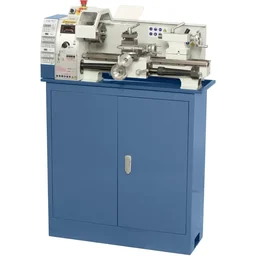
For professional use or larger workpieces, the Bernardo Profi 400 V lathe is the right choice. It impresses with its robust construction and extended functions.
Essential accessories and additions
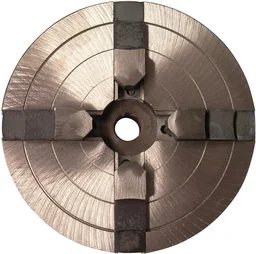
The right accessories make your work more precise and safer. A centrally adjustable chuck ensures the workpiece is held firmly without runout.
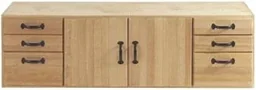
Organisation and storage are important in every workshop. The base cabinet for the Elite 2000/2500 workbench provides both right at your workstation.
Warning: Do not overestimate your initial skills. A machine that is too complex or powerful can be frustrating and is more dangerous. Start with a manageable machine.
Tips for use
With the right preparation and technique, you can work efficiently and safely.
Setting up correctly
Place the machine on a completely level and stable surface. Carefully adjust all stops and rip fences according to the manufacturer's instructions. A wrongly adjusted machine will not deliver good results.
Plan your workflow
Plan your work steps before switching on the machine. Have all the tools and wood you need ready. This helps you avoid rushing and dangerous situations caused by having to search for something during operation.
Accessories and upgrades
The right accessories significantly expand your machine's capabilities.
Quick-change systems
They save you a great deal of time when changing tools. They are particularly practical for routers and saws. Make sure they are compatible with your machine.
Guide rails and stops
They ensure long, straight cuts and repeatable results. High-quality guide systems are a worthwhile investment for greater precision.
Note: Not every accessory fits every machine. Check compatibility before buying, especially with manufacturer-specific systems.
Care and Maintenance
Regular care extends the service life of your machine and preserves its precision.
Cleaning After Every Use
Remove sawdust and dust thoroughly. Moving parts and guide rails in particular must be kept clean. Use suitable brushes or compressed air for this purpose.
Regular Checks
At regular intervals, check the sharpness of the blades, the tension of belts or straps, and the tightness of all screw connections. A maintenance schedule will help you keep track.
Conclusion and Recommendation
Choosing the best woodworking machine is always an individual decision. It depends on your budget, available space and planned projects.
For beginners in woodturning, compact models such as the tested Bernardo machines provide a solid foundation. Combine them with a high-quality basic range of woodworking machines and tools.
For sawing and routing, it is worth considering versatility. A machine that safely and precisely performs several functions is often better than several individual machines of average quality.
Invest in safety and precision. These are the two criteria that determine your long-term satisfaction and the success of your projects. Our comparison provides a sound basis for your purchasing decision.
The highest-rated woodworking machines in our range compared directly:
| Model | Customer rating | Availability |
|---|---|---|
| WERKBANK-SET 3TLG | – | Currently unavailable |
| 3-piece wood lathe set - 370W - 150x28x35cm | – | Currently unavailable |
| 6-piece woodturning chisel set - H6TLG | – | Currently unavailable |
| Centrally adjustable chuck | – | Currently unavailable |
| Base cabinet for Nordic Plus 1450 and Hobby Plus | – | Currently unavailable |
Frequently Asked Questions
- Which woodworking machine do I need as a beginner?
- Start with a versatile and manageable machine such as a table router or a compact panel saw. These allow you to perform numerous basic operations while learning how to use the machine safely. Good instruction and a sturdy construction are more important than maximum power.
- Which safety features should I look for?
- Look for a working, easily accessible emergency stop switch, a riving knife on table saws and reliable dust extraction. Overload protection safeguards the motor. Check that all moving parts are adequately covered and that the machine stands securely.
- Can I perform multiple tasks with one machine?
- Yes, some machines are particularly versatile. Combination machines often combine a saw, router and planer in one unit. However, the convenience and precision of each individual function are usually lower than with dedicated machines. Choose according to the area in which you work most frequently.
- How important is motor power in woodworking machines?
- Motor power determines which types of wood you can process and how quickly and cleanly you can work. Hardwood or deep routing work requires more power. A machine that is too weak can lead to rough cuts, overheating and premature wear. Match the power to your materials.
- What is the biggest mistake when buying a woodworking machine?
- The most common mistake is underestimating the space required and the need for finishing work. Many machines need more room for feeding materials and dust extraction than expected. Before buying, check the actual dimensions in your workshop and plan the workflow.