
In brief: The best bird nest boxes and feeders are made from robust, weather-resistant materials such as woodcrete or untreated wood. They offer species-appropriate dimensions and a safe, easy-to-clean design. A good product provides birds with protection all year round and supports conservation. Avoid models with sharp edges, poor ventilation or hard-to-access cleaning openings.
Would you like to transform your garden into a lively haven for birds? Choosing the right nest box or bird feeder is crucial. Our 2026 review and comparison will help you find the right model. We analyse materials, functionality and conservation features so you can make an informed decision.
Contents
Nest box or feeder: what do you need?
First, understand the difference. A nest box provides birds with a protected place to breed. A bird feeder offers a reliable food source throughout the year, especially in winter. Many garden owners combine both to give birds the best possible support.
Tip: A combined nest box and feeder can save space. Make sure the two functions are clearly separated and that the unit is easy to clean.
If you choose a dedicated feeder, look for good weather protection. The food must stay dry. A nest box, on the other hand, needs ventilation and should be easy to open so you can clean it after the breeding season.
Materials compared: wood, woodcrete & Co.
The material determines durability and insulation. Untreated solid wood is a classic, natural material. It allows air to circulate and insulates well, but can weather over the years. High-quality models have thick walls.
Woodcrete, a mixture of sawdust and cement, is extremely weather-resistant and provides excellent temperature insulation. These boxes are particularly durable and heavy, which makes them stable.
Plastic models are lightweight and easy to maintain. Choose only high-quality, UV-resistant plastic that will not become brittle. Avoid bright, glossy colours, as they can deter birds.
Warning: Never use painted or varnished wood. Chemical fumes can be dangerous for nesting birds and their young. Natural, untreated wood is always the safest choice.
Which material is right for which purpose?
Woodcrete is ideal for a durable, well-insulated nesting site. For a lightweight, portable feeder, high-quality plastic can be a good option. Traditional wooden boxes fit perfectly into any garden.
The best nest boxes reviewed in 2026
We took a close look at a range of models. A good product can be recognised by its species-appropriate design. The entrance hole must be the right size for the intended bird species. The cleaning opening should be easy and safe to open.
The is particularly practical. This special swallow nest provides the protected, semi-open nesting space preferred by barn swallows and house martins. It is easy to install under the eaves.
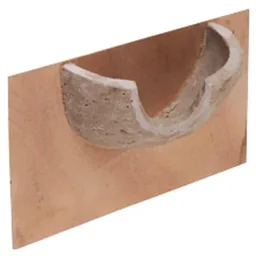
For common garden birds such as tits or sparrows, enclosed boxes with a round entrance hole are standard. Make sure there are no nails or sharp edges inside that could injure the birds.
Special houses for other welcome visitors
Birds are not the only creatures that need help. The provides bumblebees with a dry, protected nesting site. These useful insects are important pollinators and deserve our support.
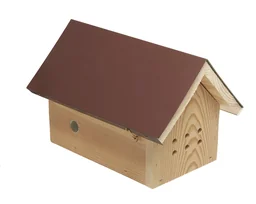
Bird Feeders Reviewed: Practicality
A good bird feeder keeps the food dry and is easy for birds to access. A large landing area and sturdy perches are important. The roof should have a generous overhang.
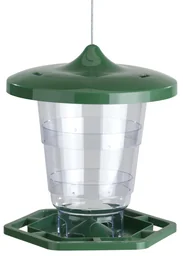
The , a green bird feeder silo, stands out with its clever design. The food is replenished automatically and remains protected from rain and contamination inside the enclosed column. It is a clean solution.
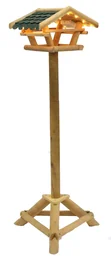
For a special touch, even in the evening, the . This bird feeder with discreet integrated lighting makes the feeding station visible in the late afternoon while adding an atmospheric touch to the garden.
The Importance of Water Sources
Don't forget water. A bird bath such as the in an attractive sunflower shape or the sturdy provide birds with an essential place to drink and bathe, especially on hot days. Always place them in a clean, open area.
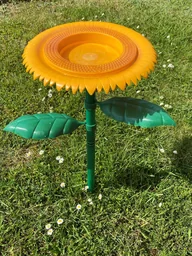
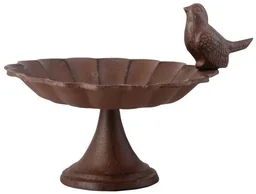
Note: Clean bird baths regularly with hot water to prevent algae growth and the spread of disease. Ideally, change the water daily.
Accessories for Greater Safety and Comfort
Protect your feathered visitors from predators. An , an entrance hole protector, prevents martens or woodpeckers from reaching the brood with their paws or beaks. This simple accessory can significantly increase the young birds' chances of survival.
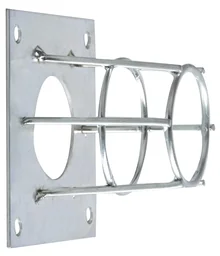
Other useful accessories include sturdy hanging systems or rust-resistant metal eyelets. Special feeder hangers are useful for bird feeders, making it easier to remove the food container for cleaning.
How to Hang and Maintain Nest Boxes Correctly
Location is crucial. Hang nest boxes at a height of two to five metres, protected from the blazing midday sun and driving rain. The entrance should face east or south-east.
Secure the box firmly so that it does not swing in the wind. Use rustproof or aluminium nails to avoid damaging trees. Even better are sturdy hanging straps or screws with washers.
Annual cleaning in late summer or autumn is essential. Remove old nesting material and any parasites. This prepares the box for the next breeding season and keeps it hygienic.
Low-Maintenance or High-Maintenance?
Boxes made from wood concrete or high-quality plastic require very little maintenance. After many years, wooden boxes may be treated with environmentally friendly linseed oil to extend their service life. Check their stability regularly.
Our Buying Guide: Your Route to the Perfect Product
Take a systematic approach. First decide which birds you want to help. For tits, choose a box with a small, round entrance hole. For robins or wrens, you need an open-fronted nest box.
Then check the material quality. Does the product feel sturdy? Are the edges smoothly sanded? Do the hinges and fasteners work properly? A look inside reveals a lot about the workmanship.
Consider the practical aspects: Can you clean the product easily? Is it easy to hang? Does it suit your garden visually? A well-designed product combines wildlife protection with good design.
Browse our extensive range of nest boxes and bird feeders. There you will find all the models tested, as well as many other useful products for a bird-friendly garden. With the right equipment, you can turn your garden into a safe home for your feathered visitors.
The highest-rated nest boxes and bird feeders from our range compared directly:
| Model | Customer rating | Availability |
|---|---|---|
| Bird feeder with lighting 🏆 Test winner | ★ 4,8 (30) | In stock |
| Bird bath "Sunflower" | ★ 4,8 (27) | In stock |
| Bird feeder silo, green | ★ 4,8 (18) | In stock |
| Swallow's nest | ★ 4,8 (17) | In stock |
| Entrance hole protector "Rondo" | ★ 4,7 (7) | In stock |
Frequently asked questions
- When should I put up a bird nesting box?
- Ideally, put up nesting boxes in autumn. This gives birds time to inspect them and get used to the location. It is best to clean old boxes in September, or by the end of February at the latest, before the new breeding season begins.
- What is the best bird food?
- In winter, use energy-rich suet food and sunflower seeds. In summer, offer protein-rich soft food such as insects. Always choose high-quality, unsalted food and avoid bread, as it swells in birds' stomachs.
- How do I clean a bird nesting box properly?
- Clean the box thoroughly after the breeding season. Wear gloves to remove the old nest and brush out the inside. Never use chemical cleaners. Hot water is perfectly sufficient.
- Where is the best place for a bird feeder?
- Place the bird feeder in an open location, around two metres away from bushes. This gives birds a clear flight path and allows them to spot cats early. Make sure the location is protected from rain.
- Do nesting boxes also protect birds from martens?
- A special entrance hole guard such as PRODUCT_72988 can deter martens and cats. A smooth, overhanging roof and a sufficiently high mounting position are also important. A wood-concrete nesting box provides additional protection.