
Kurz erklärt: Einen Birnenbaum pflanzen Sie am besten im Herbst oder Frühjahr an einem sonnigen, windgeschützten Standort mit tiefgründigem Boden. Wählen Sie eine für Ihre Region geeignete Sorte und einen passenden Befruchter. Die Pflege umfasst regelmäßiges Wässern bei Trockenheit, einen jährlichen Schnut und die Kontrolle auf Schädlinge wie den Birnengitterrost.
Birnenbaum pflanzen und pflegen: Ihre Anleitung für süße Ernten
Ein eigener Birnenbaum verwandelt Ihren Garten in eine Nasch-Oase. Die saftig-süßen Früchte direkt vom Baum sind ein unvergleichlicher Genuss. Mit der richtigen Vorbereitung und Pflege gedeiht Ihr Birnbaum zuverlässig.
Diese Anleitung führt Sie Schritt für Schritt durch die erfolgreiche Kultur – vom Kauf des Baumes bis zur reichen Ernte.
Wie wähle ich den richtigen Birnenbaum aus?
Die Auswahl der Sorte entscheidet über Geschmack, Erntezeit und Wuchskraft. Unterschiede gibt es viele.
Alte Sorten wie 'Gute Luise' oder 'Williams Christ' begeistern mit intensivem Aroma. Moderne Züchtungen wie 'Conference' sind oft robuster gegen Krankheiten. Entscheiden Sie sich für schwachwachsende Unterlagen, wenn der Platz begrenzt ist.
Ein entscheidender Faktor ist die Befruchtung. Viele Birnen sind nicht selbstfruchtbar. Sie benötigen einen zweiten, passenden Birnbaum in der Nachbarschaft, der zur selben Zeit blüht. Informieren Sie sich beim Kauf über geeignete Befruchtersorten.
„Die Wahl der Unterlage ist für den Hausgarten entscheidend. Schwachwachsende Typen wie Quitte A oder C bringen den Baum schneller in die Ertragsphase und bleiben kompakt.“
Wo pflanze ich meinen Birnenbaum am besten?
Birnen lieben Wärme und Sonne. Ein vollsonniger, windgeschützter Platz garantiert süße Früchte und reduziert das Risiko für Pilzkrankheiten. Die Südseite eines Hauses oder eine geschützte Gartenecke sind ideal.
Der Boden sollte tiefgründig, durchlässig und nährstoffreich sein. Schwere, staunasse Böden vertragen Birnen nicht. Lockern Sie den Boden vor der Pflanzung tiefgründig auf und mischen Sie bei Bedarf Sand unter.
Denken Sie an die Zukunft. Ein Hochstamm braucht viel Raum. Planen Sie ausreichend Abstand zu Gebäuden, anderen Bäumen und Grundstücksgrenzen ein. Die Wurzeln breiten sich weit aus.
Profi-Tipp
Testen Sie den Boden vor der Pflanzung mit einem einfachen Spatentest. Steht nach einem Regenguss länger Wasser im Pflanzloch, ist der Boden zu schwer. Arbeiten Sie dann reichlich groben Sand und Kompost ein, um die Drainage zu verbessern.
Wie pflanze ich einen Birnenbaum fachgerecht?
Die Vorbereitung ist entscheidend
Heben Sie ein Pflanzloch, das mindestens doppelt so breit und tief wie der Wurzelballen ist. Lockern Sie den Boden der Grube mit einer Grabegabel. So finden die Wurzeln leicht Halt.
Stellen Sie den Baum vor dem Pflanzen für einige Stunden in einen Eimer Wasser. So saugen sich die Wurzeln voll. Containerware wässern Sie gut durch.
Der eigentliche Pflanzvorgang
Setzen Sie den Baum so tief in das Loch, wie er in der Baumschule stand. Die Veredelungsstelle muss deutlich über der Erde bleiben. Füllen Sie das Loch mit der ausgehobenen Erde auf.
Treten Sie die Erde vorsichtig fest und formen Sie einen Gießrand. Gießen Sie sofort nach der Pflanzung durchdringend an. Ein stabiler Pfahl als Stütze schützt vor Windwurf.
Wichtiger Hinweis
Vermeiden Sie frischen Stallmist oder großen Mengen Mineraldünger direkt im Pflanzloch. Dies kann die feinen Wurzeln verbrennen. Verwenden Sie stattdessen gut verrotteten Kompost oder speziellen Pflanzdünger aus dem Fachhandel.
Wie pflege ich meinen Birnenbaum nach der Pflanzung?
Bewässerung und Düngung
In den ersten beiden Jahren ist regelmäßiges Wässern bei Trockenheit überlebenswichtig. Gießen Sie durchdringend, aber nicht täglich. Das fördert tiefe Wurzeln.
Eine dicke Schicht Rindenmulch rund um den Stamm hält die Feuchtigkeit und unterdrückt Unkraut. Lassen Sie zum Stamm einen kleinen freien Ring, um Fäulnis zu vermeiden.
Düngen Sie im Frühjahr mit einem ausgewogenen Obstbaumdünger. Organische Dünger wie Hornspäne wirken langsam und schonen das Bodenleben.
Der richtige Schnitt für Form und Ertrag
Der Erziehungsschnitt in den ersten Jahren formt die stabile Krone. Entfernen Sie konkurrierende Triebe und nach innen wachsende Äste. Der Haupttrieb bleibt die Spitze.
Der spätere Erhaltungsschnitt erfolgt im Spätwinter. Ziel ist ein luftiger, lichtdurchfluteter Kronenaufbau. Schneiden Sie zu dicht stehende und alte, nicht mehr tragende Äste heraus.
Schneiden Sie immer auf Astring oder auf einen nach außen weisenden Seitentrieb. Sauberes, scharfes Werkzeug aus unserem Sortiment für Gartenwerkzeuge verhindert Quetschungen.
„Der Sommerschnitt an Birnen wird oft unterschätzt. Ein leichtes Auslichten im Juli oder August bremst das Wachstum und fördert die Bildung von Blütenknospen für das nächste Jahr.“
Welche Krankheiten und Schädlinge bedrohen den Birnbaum?
Der gefürchtete Birnengitterrost
Diese Pilzkrankheit springt vom Wacholder auf den Birnbaum über. Orangerote Flecken auf den Blättern sind das typische Symptom. Starker Befall schwächt den Baum.
Entfernen Sie befallene Blätter und entsorgen Sie sie im Hausmüll. Ein großer Abstand zu Zierwacholdern im Garten ist die beste Vorbeugung. Im Fachhandel finden Sie geeignete Pflanzenschutzmittel.
Schädlinge wie die Birnenblattsauger
Diese kleinen Insekten saugen an den Blättern und sondern Honigtau ab. Rußtaupilze besiedeln diesen klebrigen Belag.
Fördern Sie Nützlinge wie Marienkäfer und Florfliegen im Garten. Bei starkem Befall helfen spezielle Insektizide auf Rapsölbasis, die Sie im Bereich für Ungeziefer- und Pflanzenschutz finden.
Zusätzlicher Rat
Stärken Sie die natürliche Widerstandskraft Ihres Baumes durch eine ausgeglichene Düngung ohne Stickstoff-Überschuss und durch eine gute Mulchschicht. Gesunde, kräftige Bäume werden seltener von Schädlingen heimgesucht.
Wie und wann ernte ich meine Birnen?
Die Erntezeit liegt je nach Sorte zwischen August und Oktober. Pflückreif sind Birnen, wenn sie sich leicht mit einer Drehbewegung vom Ast lösen. Die Kerne im Inneren sollten braun sein.
Ernten Sie vorsichtig, um die Früchte nicht zu beschädigen. Druckstellen führen schnell zu Fäulnis. Legen Sie die Birnen in flache Kisten oder Körbe.
Die meisten Tafelbirnen reifen nach. Ernten Sie sie daher fest und lassen Sie sie bei Zimmertemperatur nachreifen. So entwickeln sie ihr volles Aroma. Nur wenige Sorten wie 'Alexander Lucas' müssen am Baum ausreifen.
Schützen Sie Ihre Ernte vor Vögeln und Wespen mit speziellen Netzen. Unser
, ein robustes Netz, eignet sich auch zum Abdecken kleinerer Bäume.
Wie überwintere ich meinen Birnenbaum?
Ältere Birnenbäume sind winterhart. Bei jungen Bäumen schützt eine Schicht Mulch oder Laub rund um den Wurzelbereich vor starkem Frost.
Weißen Sie den Stamm im Spätherbst mit einem Kalkanstrich. Das verhindert Frostrisse an sonnigen Wintertagen. Diesen Schutz finden Sie im Sortiment für Garten und Pflanzenzubehör.
Bei anhaltender Trockenheit im Winter sollten Sie an frostfreien Tagen leicht gießen. Besonders Kübelpflanzen trocknen schnell aus.
Eine stabile Abdeckung wie unsere
schützt empfindliche junge Stämme vor starkem Wind und Kahlfrost. Im Bereich Planen und Netze finden Sie weitere Lösungen.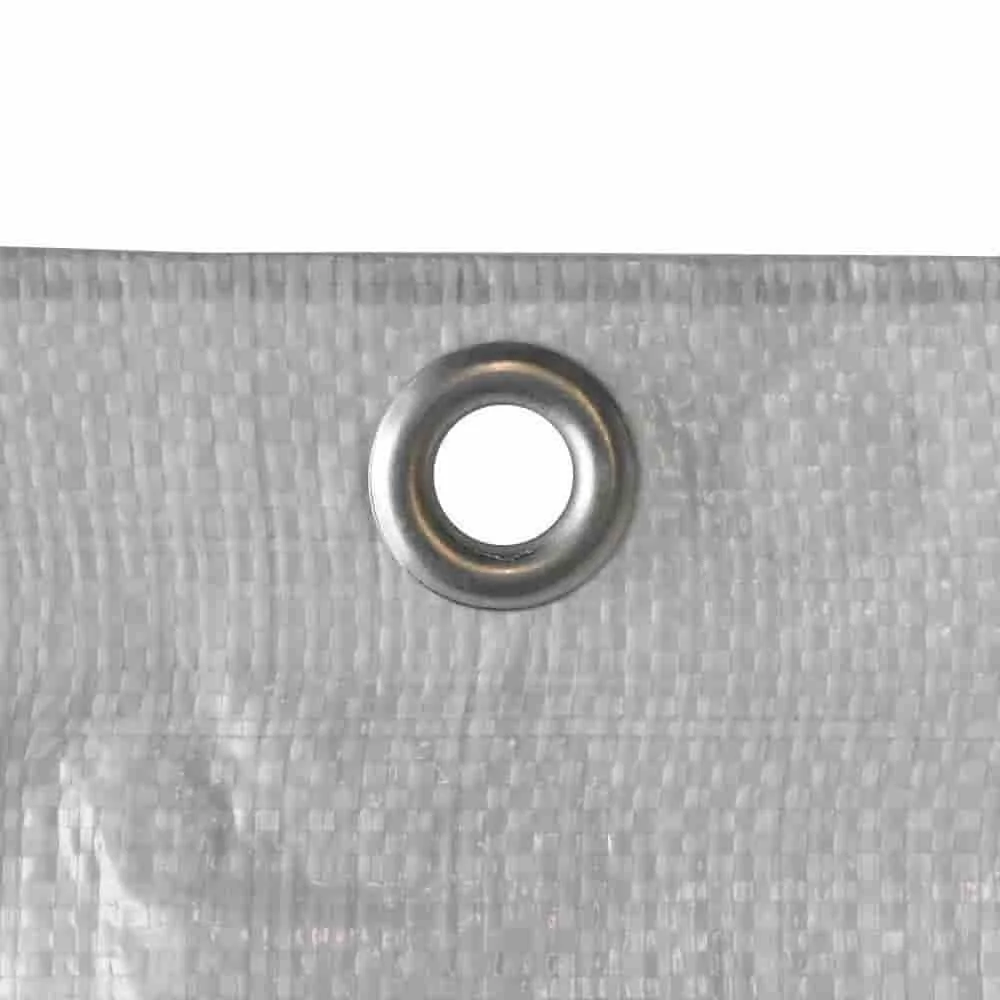
Praktische Helfer für die Birnbaum-Pflege
Die richtige Ausstattung erleichtert die Arbeit. Ein flexibler, robuster Schlauch wie unser
ermöglicht eine gezielte Bewässerung ohne Knicke.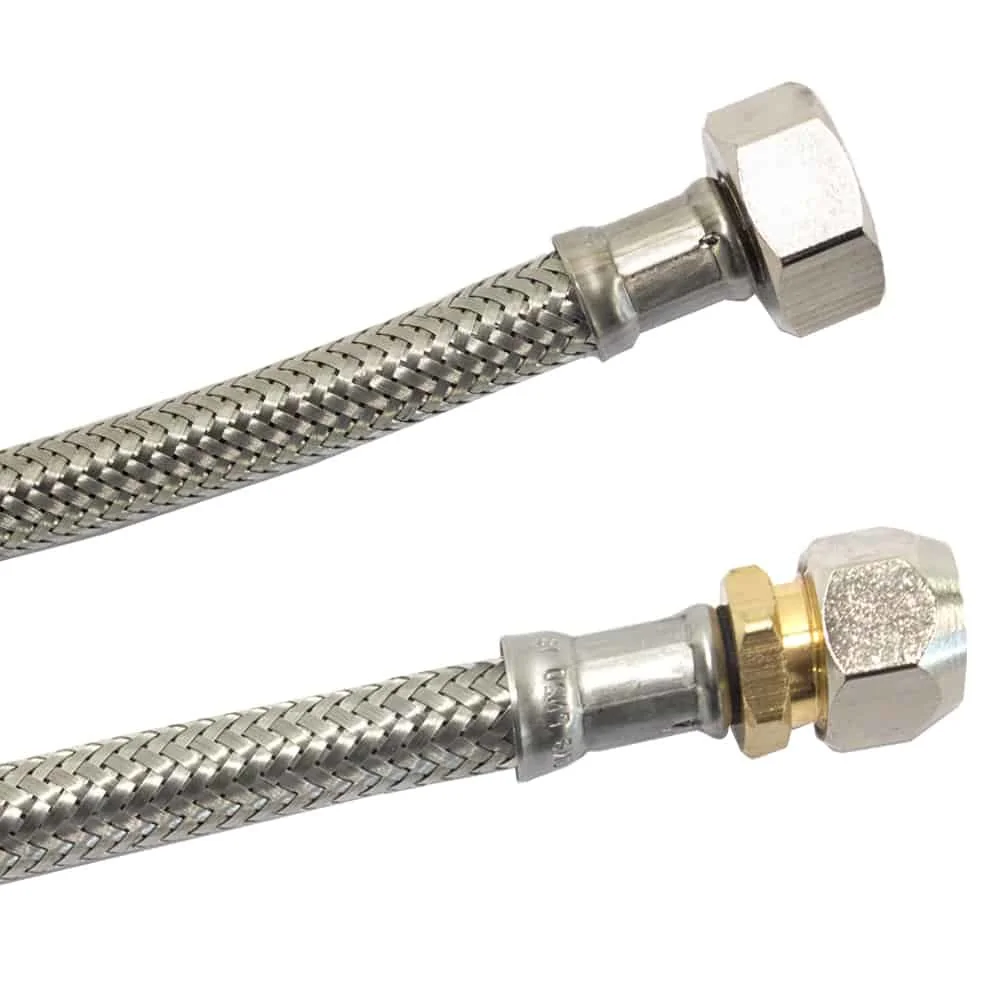
Für den Schnitt benötigen Sie eine scharfe Gartenschere und eine kleine Säge für dickere Äste. Achten Sie auf saubere Schnittflächen.
Ein Spaten zum Lockern des Bodens und eine Gießkanne für gezieltes Wässern junger Bäume gehören zur Grundausstattung. Alle diese Werkzeuge pflegen und erhalten Sie mit wenig Aufwand.
Mit dieser Anlage und etwas Geduld werden Sie schon bald Ihre ersten eigenen Birnen ernten. Der Geschmack belohnt die Mühe.
Häufige Fragen
- Wann ist die beste Pflanzzeit für einen Birnenbaum?
- Die ideale Pflanzzeit für wurzelnackte Birnenbäume ist der Herbst, nach dem Laubfall bis zum Frost. Containerware können Sie fast ganzjährig pflanzen, solange der Boden nicht gefroren ist. Das Frühjahr vor dem Austrieb ist ebenfalls ein guter Zeitpunkt.
- Welchen Abstand muss ich beim Pflanzen mehrerer Birnenbäume einhalten?
- Der Pflanzabstand hängt von der Wuchsstärke der Sorte und der Unterlage ab. Für schwachwachsende Säulenbirnen reichen 80-100 cm, Halbstämme benötigen 4-5 Meter und stark wachsende Hochstämme bis zu 8 Meter Abstand, damit Kronen und Wurzeln sich entfalten können.
- Warum trägt mein Birnenbaum keine Früchte?
- Fehlender Fruchtansatz kann mehrere Ursachen haben: fehlende Befruchterbäume in der Nähe, Spätfröste während der Blüte, zu stickstoffbetonte Düngung oder ein zu schattiger Standort. Viele Birnensorten sind nicht selbstfruchtbar und benötigen einen passenden Befruchter.
- Wie schneide ich einen jungen Birnenbaum richtig?
- Bei einem jungen Birnenbaum geht es darum, ein stabiles Gerüst aufzubauen. Wählen Sie drei bis vier kräftige, nach außen gerichtete Leitäste aus und kürzen Sie sie um etwa ein Drittel. Der Mitteltrieb bleibt die Führung. Entfernen Sie Konkurrenztriebe und nach innen wachsende Äste.
- Wie erkenne und bekämpfe ich den Birnengitterrost?
- Birnengitterrost zeigt sich ab Frühsommer mit orangeroten Flecken auf den Blättern. Zur Bekämpfung entfernen Sie befallenes Laub und entsorgen es im Hausmüll. Vorbeugend hilft ein großzügiger Abstand zum Wirt, dem Wacholder. Fungizide sind im Hausgarten meist nicht nötig.
Das könnte Sie auch interessieren
- Bäume pflanzen: Auswahl, Standort und die richtige Pflege
- Birke im Garten: Standort, Pflege und Baumarten
- Kirschbaum pflanzen & pflegen: Süße Ernte im eigenen Garten
- Zwiebelblumen pflanzen und pflegen: Leitfaden für den Garten
- Apfelbaum Pinova pflegen: Tipps für gesunde Bäume
- Weintrauben pflanzen und pflegen: So ernten Sie eigene Trauben