
In brief: Build a cucumber trellis from pallets by standing a sturdy Euro pallet upright or at an angle and securing it in place. The slats serve as a natural climbing support. You can also add cross slats or a string grid to the pallet for extra support. This DIY project is affordable, sustainable and gives cucumber plants the ideal support for healthy growth.
Build a Cucumber Trellis from Pallets: A Creative DIY Project
Cucumbers do not grow outwards; they reach upwards. A sturdy trellis is not a luxury but a necessity for healthy plants and a plentiful harvest. Instead of buying expensive grids, build your climbing support from Euro pallets. The material is robust, versatile and affordable.
Upcycling saves resources and adds an individual touch to your garden. In just a few steps, you can create a functional trellis that will last for many years.
Why do cucumbers need a trellis at all?
Cucumber plants are climbing plants. In nature, they wind their way up trees or shrubs. In the garden, this natural support is missing. A trellis recreates these conditions.
The benefits are obvious. The plants get more light and air. Leaves dry faster after rain, helping to prevent fungal diseases such as powdery mildew. The fruit hangs cleanly and does not rot. You can harvest comfortably while standing, without having to bend down.
The space required is reduced to a minimum. Instead of spreading out over several metres, the plant grows vertically and saves space. Ideal for small gardens, gardening areas or even a balcony.
Vertical gardening is the most efficient way to achieve maximum yields in a limited space. Trellises such as pallets make optimum use of plants' natural growth habits.
What materials and tools do I need?
The main component is a Euro pallet. Choose new, untreated pallets such as the
. These are guaranteed to be free from chemical wood preservatives that could contaminate your vegetable plants.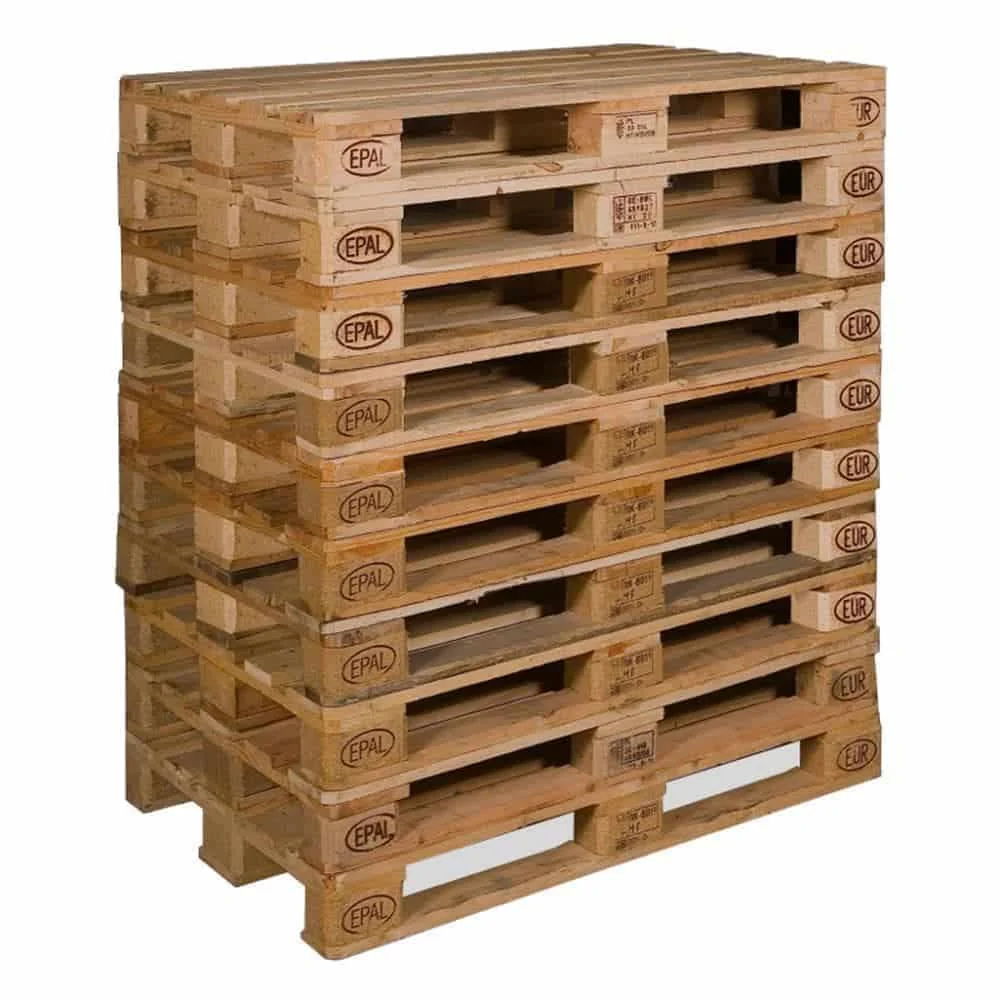
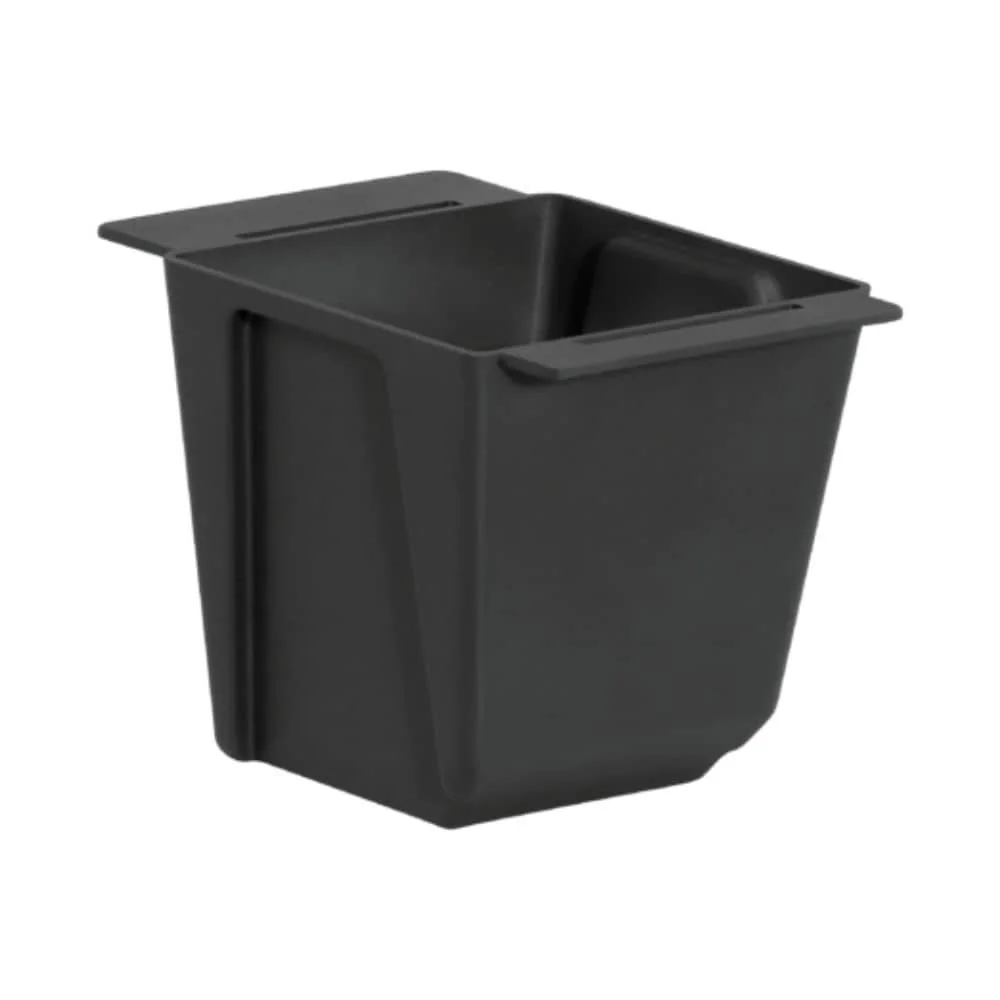
Alternatively, special pallet planters are available, such as the
or the . These are already designed for use in the garden and are often more attractive.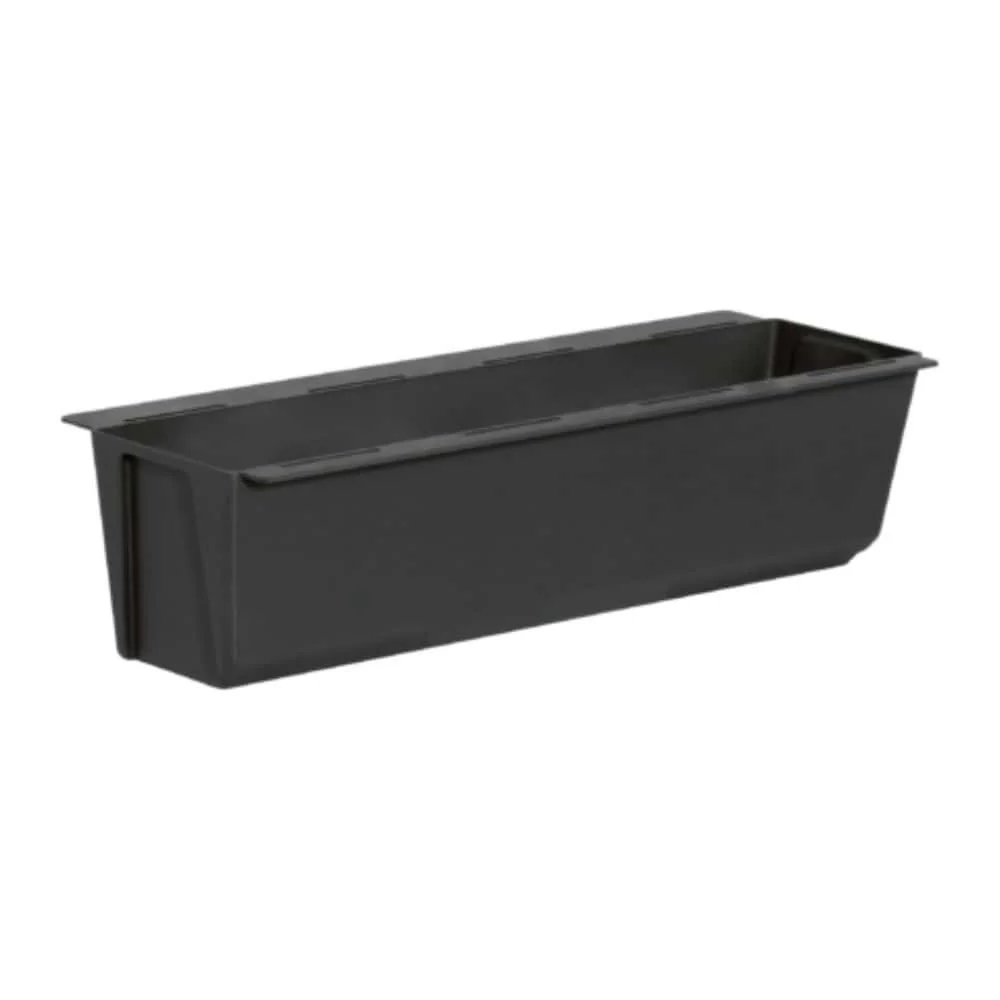
Important note
Never use used industrial or transport pallets of unknown origin! They are often treated with fungicidal or insecticidal chemicals such as methyl bromide, which are harmful to health and can leach into your vegetables.
You will need a spade or shovel for digging. A cordless drill-driver with wood drill bits and sturdy screws is essential for secure connections. A hammer, spirit level and tape measure will equip you for the job.
For a visual upgrade and wood protection, choose an eco-friendly outdoor wood stain. Soft raffia, jute twine or special plant ties from plant accessories are suitable for securing young shoots.
How do I build a simple trellis from a pallet?
The simplest option is an upright pallet. Choose a sunny, sheltered spot in your vegetable bed. Dig a trench about 30-40 cm deep and as wide as the pallet.
Place the pallet upright in the trench, with the slats vertical. Align it precisely using the spirit level. Fill the trench with soil and tamp it down firmly. Burying it deeply gives the trellis enough stability, even in strong winds or when the plants are heavily laden with fruit.
Pro tip
Increase stability by positioning two pallets at right angles to each other and screwing them together on the inside. This corner construction is extremely sturdy and provides climbing space for two different plant varieties.
The pallet's vertical slats now serve as a natural climbing support. You can refine the structure by screwing horizontal or diagonal battens between the slats. This creates a coarse grid that the tendrils can grip more easily.
The sloping wall: maximum sunlight
For even better light conditions, build a sloping trellis wall. This is ideal when the pallet leans against a house wall, fence or sturdy post.
Secure the pallet to the supporting structure using sturdy angle brackets or hinges. The ideal angle of inclination is about 60 to 75 degrees. This allows the cucumber plant's leaves to lie almost flat in the sun and carry out maximum photosynthesis.
The sloping arrangement of a trellis simulates the position of the sun. The leaf surface receives more even light, resulting in significantly improved sugar production in the fruit – they simply taste sweeter and more aromatic.
Make sure there is a small air gap between the pallet and the wall. This ensures good ventilation behind the pallet and prevents waterlogging and mould from forming on the wall.
How do I create a mobile climbing frame from pallets?
Not every location is ideal year-round. A mobile solution gives you flexibility. Start by building a stable foundation. Two sturdy wooden posts or metal tubes serve as vertical supports.
Screw the pallet horizontally between these supports. This creates a freestanding climbing wall. Alternatively, attach castors to a sturdy wooden frame and screw the pallet onto it. Use heavy-duty pallet trucks as the base.
Additional advice
Combine the pallet climbing frame with a planter made from the same pallet. Fill the planter with high-quality soil and plant directly beside the frame. This gives the roots and climbing shoots a shared, mobile growing space.
The advantage is that you can move the entire setup according to the position of the sun or roll it under a porch during prolonged bad weather. With this design, make sure there is sufficient counterweight at the bottom so the wall cannot tip over.
How do I plant and care for my pallet climbing frame?
Plant at the base of the frame. Plant out young cucumber plants or sow cucumber seeds directly in the soil. Two to three plants are enough per pallet. More plants will compete for nutrients and suffer from a lack of light.
Carefully guide the young shoots to the lowest slat using soft garden twine. Cucumbers climb naturally, but initial guidance speeds up the process. Check their growth regularly and guide any side shoots that grow too long back towards the frame.
Cucumbers are thirsty, heavy-feeding plants. Regular, thorough watering is essential. A drip irrigation system from the garden hose range provides consistent moisture without the risk of fungal diseases caused by overhead watering. Feed every two weeks with an organic vegetable fertiliser.
How do I protect the wood and extend its lifespan?
Untreated wood will rot outdoors within a few years. Pre-treating it is therefore advisable. Sand the pallet thoroughly to remove splinters.
Apply a special, non-toxic wood preservative for garden furniture. This protects against UV radiation and moisture. You can also coat the legs that are set into the soil with an environmentally friendly tar coating or fit them with special plastic sleeves.
In winter, when the frame is not in use, a garden furniture cover protects it from snow and persistent moisture. This will help your homemade climbing frame last for many gardening seasons.
A pallet climbing frame combines sustainability with high functionality. It gives your cucumbers the perfect support for healthy, productive growth. With simple materials and a little DIY skill, you can transform a transport pallet into the centrepiece of your vegetable garden.
Frequently Asked Questions
- Which pallets are suitable for a climbing frame in the garden?
- Use only new, untreated Euro pallets (PRODUCT_25427) or special planters made from pallets (PRODUCT_26271). They are free from chemical wood preservatives that could leach into the soil. Avoid used industrial or transport pallets, as their treatment is unknown.
- How do I secure a pallet safely as a climbing frame?
- Bury the pallet's lower crossbeams about 30-40 cm deep and compact the soil firmly around them. Alternatively, screw angle brackets to the pallet and attach them to a sturdy post or wall. For mobile solutions, use a heavy foundation or attach the pallet to a raised bed.
- Do cucumber plants need any additional care besides the climbing frame?
- Yes. Cucumbers are heavy feeders and need regular fertilising. Consistent garden watering is essential, as drought stress can lead to bitter fruit. Check the leaves for powdery mildew and remove lower leaves to improve ventilation.
- Can I use the pallet climbing frame for other plants too?
- Absolutely. The frame is suitable for all climbing vegetables and ornamental plants, such as runner beans, peas, scarlet runner beans, morning glory and nasturtiums. The sturdy construction can also support the weight of pumpkin or courgette plants when trained up the frame.
- How do I prepare a pallet for the garden?
- Sand the wood thoroughly to remove splinters. Painting it with environmentally friendly, weatherproof garden wood paint protects against moisture and extends its lifespan. Fill the gaps with cucumber seeds or plant out young plants.
You may also be interested in
- Build a pallet plant shelf: DIY garden furniture guide
- How to plant and care for cucumbers: tips for a plentiful harvest
- Build your own pallet wine rack: upcycling for the kitchen
- Build your own pallet raised bed: for balconies and patios
- DIY Christmas tree from a climbing frame
- Build your own pallet armchair: outdoor comfort