
In brief: A hugelkultur bed increases your harvest through improved soil structure and nutrient availability. The layered organic materials slowly decompose, release heat and continuously supply plants with nutrients. The raised shape provides more growing space and better drainage. It is a productive alternative to a traditional raised bed.
Build a Hugelkultur Bed: Boost Your Harvest
Want to harvest more vegetables from the same area? A hugelkultur bed is a smart solution. This permaculture technique actively improves your soil and creates ideal growing conditions. Building one is worthwhile for every garden.
Unlike a traditional raised bed made of wood, you need hardly any building materials. You can use garden waste and soil you already have. This saves money and conserves resources.
What is a hugelkultur bed and why does it work?
A hugelkultur bed is a long, raised mound made from layers of organic materials. It follows the natural decomposition process of forest soil. The inner layers break down slowly.
This generates heat and nutrients. Soil structure improves over time. The raised shape provides more growing space and better aeration for the roots.
Top tip
Position your hugelkultur bed from north to south. This ensures that all plants receive even sunlight throughout the day. The long side should face south.
How do I prepare the site and garden soil?
Choose a sunny spot. The soil should be level and free of root weeds. Mark out the area. A hugelkultur bed is about 1.50 metres wide and as long as you like.
Dig a trench about 20 centimetres deep. This loosens the subsoil and improves drainage. Place the excavated soil beside the work area.
You can lay weed-control fabric on the ground. This suppresses unwanted growth from below. Use a breathable material.
The right layers: The key to success
Start with a coarse drainage layer. Use branches, prunings or coarse wood chips. This layer should be about 30 centimetres high. It prevents waterlogging.
Next, add a layer of finer green material. Grass clippings, leaves or perennial plant debris are suitable. This layer starts the decomposition process.
The next layer consists of semi-mature compost or manure. It supplies nitrogen for decomposition. Spread this layer evenly.
The art of building a hugelkultur bed is layering it like a lasagne. Each layer has a role to play in its future fertility.
Finally, cover everything with the excavated garden soil. Mix it with mature compost. The top layer should be at least 20 centimetres thick.
Now shape the characteristic mound. The sides should not be steeper than 45 degrees. Otherwise, rain will wash away the soil.
Which plants are suitable for growing in it?
In the first year, the nutrient supply is very high. Plant heavy feeders here. Courgettes, pumpkins, tomatoes and all types of cabbage will thrive.
Plant taller crops on the ridge. Place shorter varieties on the slopes. This makes the most of the microclimate. The south side is warmer.
From the second year onwards, nutrient levels decrease. Now plant medium feeders. Lettuce, spinach, carrots and onions are ideal. Plan your crop rotation.
Important note
Do not plant potatoes in the first year. The settling soil can damage the tubers. Wait until the second year.
In the third year, the bed is suitable for light feeders. Beans, peas and herbs such as thyme or marjoram are perfect. They prepare the soil for the next cycle.
Care and watering throughout the year
A hugelkultur bed dries out faster than a flat bed. Water regularly and thoroughly. A garden hose or watering can is sufficient.
A drip system is even better. A
supplies your plants directly at the roots. This saves water and helps prevent fungal diseases.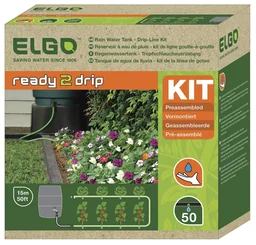
Cover the surface with grass clippings or straw as mulch. This retains moisture and suppresses weeds. The mulch decomposes and adds nutrients.
How does a hugelkultur bed differ from a raised bed?
A traditional raised bed has solid walls made of wood or stone. It is a defined box. A hugelkultur bed is a natural, shaped mound without an enclosure.
A raised bed is particularly suitable for small gardens or patios. It saves space and is easy on your back. You can find various models, such as a
or a .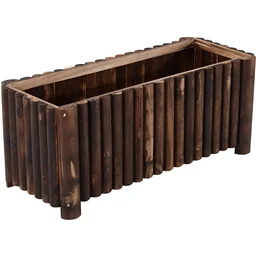
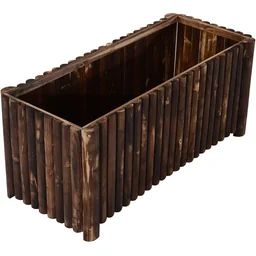
A hugelkultur bed requires more floor space. In return, it is cheaper to build. It blends more naturally into the garden. Both systems make use of the decomposition process.
The hugelkultur bed is the original form of a raised bed. It works with nature, not against it. Its efficiency has been proven over thousands of years.
Long-term soil improvement through permaculture
A hugelkultur bed is a living system. Microorganisms do the work for you. They sustainably improve soil fertility.
After five to seven years, the bed settles. The organic matter has been used up. You now have two options.
You can add new material on top. Or you can spread the valuable humus-rich soil throughout the garden. Then start again in a new location. The cycle is complete.
Additional advice
Combine your hugelkultur bed with rainwater harvesting. Collect water in a water butt. Plants tolerate soft rainwater better than hard tap water.
Practical Tools for Building and Maintaining Your Bed
For construction, you need sturdy garden tools. A sharp spade and a digging fork are essential. A wheelbarrow transports materials.
A
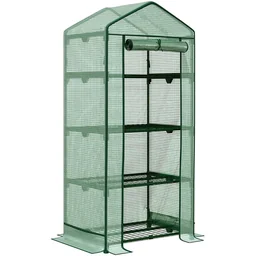
For covering the bed in winter, use a heavy-duty tarpaulin. It protects the soil from erosion. Remove it in spring.
Avoid Problems: Tips for Long-Term Success
Voles may colonise the loose material. Lay fine-mesh wire netting at the base. This keeps the rodents away.
Do not use fresh wood from conifers. Resins and tannins inhibit growth. Hardwood or shrub cuttings are better.
An
is not suitable for building the bed itself. However, the primer is ideal for repairing garden furniture or greenhouses. It protects wooden joints from moisture.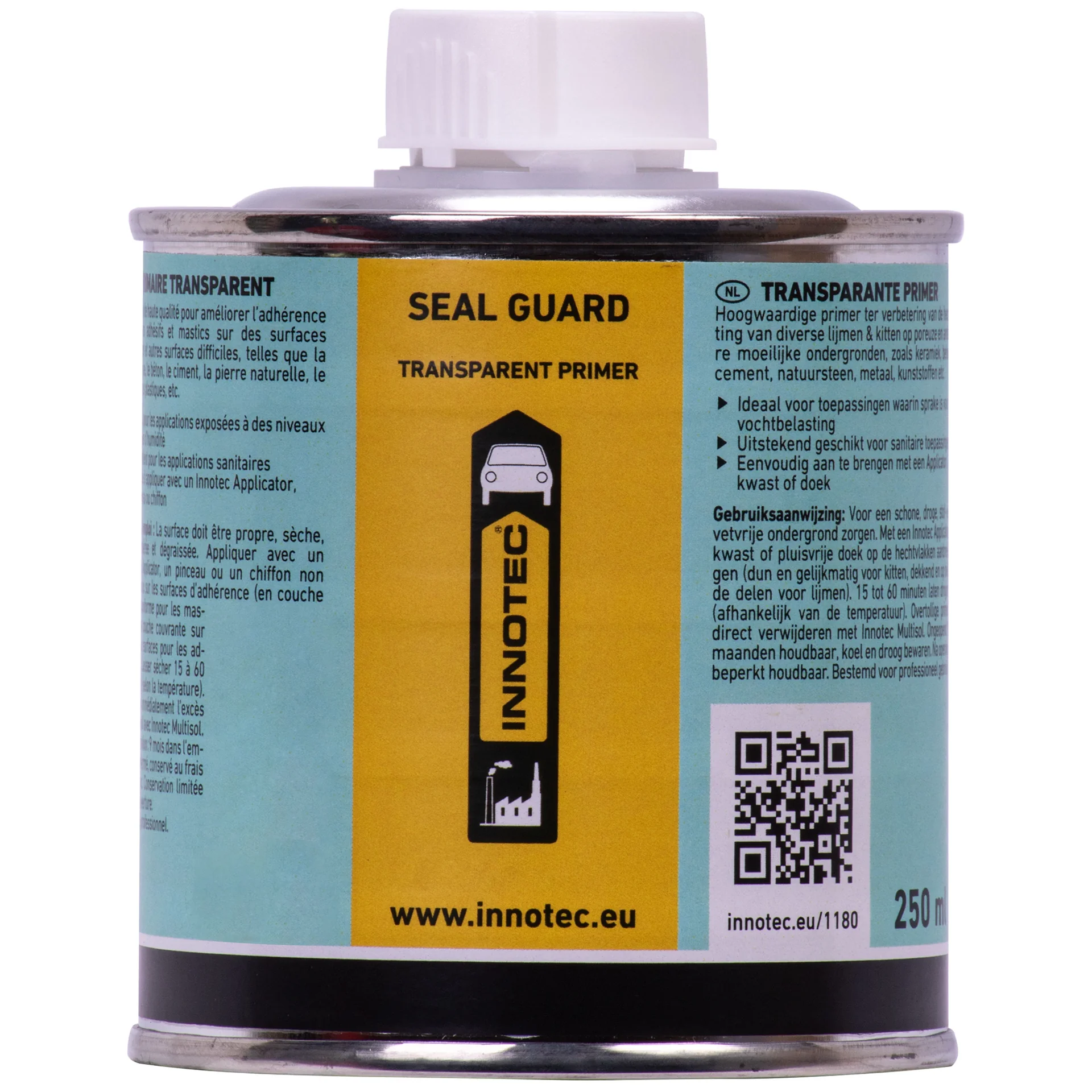
Store your garden waste in special bags. This gives you material ready for the next layer. Keep composting actively.
Your Path to a Productive Vegetable Bed
Start building in autumn. This is when organic material from the garden is available. The bed settles over winter.
In spring, you can sow or plant directly. The heat generated by decomposition gives your plants a head start. Harvests begin earlier.
A hugelkultur bed is more than a vegetable bed. It is a natural cycle. You reuse waste and grow food. That is sustainable gardening.
Give it a try. The effort pays off for years. Your plants will reward you with a plentiful harvest. Start this season.
Frequently Asked Questions
- What is the biggest advantage of a hugelkultur bed compared with a flat bed?
- The biggest advantage is active soil improvement through heat from decomposition and the release of nutrients. The layered materials compost slowly, warm the soil and supply plants for years. The raised shape also provides better drainage and more room for roots.
- Which vegetables are particularly suitable for planting in a hugelkultur bed?
- Heavy feeders such as courgettes, pumpkins, tomatoes and cabbage benefit from the abundance of nutrients in the first year. In the second year, plant medium feeders such as lettuce, spinach or carrots. Light feeders such as beans or herbs follow from the third year as part of the crop rotation.
- How long does a hugelkultur bed last, and does it need to be renewed?
- A well-built hugelkultur bed provides good yields for around five to seven years. It then settles as the organic material decomposes. You can top it up with fresh compost or rebuild it completely. The old soil makes excellent humus.
- Can I create a hugelkultur bed on a paved surface?
- Yes, but you need a base layer of coarse cuttings such as branches. This prevents waterlogging and allows drainage. Lay garden fleece underneath to prevent weeds from growing up through the surface.
- How do I water a hugelkultur bed properly so that it does not dry out?
- Water thoroughly and deeply at the base, rather than only on the surface. The loose structure dries out more quickly. A drip irrigation system or regular deep watering in the morning is ideal. Mulching reduces evaporation.
You may also be interested in
- Planting a Raised Bed: How to Achieve a Bountiful Harvest
- How to Create a Raised Bed: The Ultimate Guide for Your Garden
- Build a Raised Bed with Seating: Practical and Attractive for the Garden
- Build a Raised Bed for Under 100 Pounds: DIY Guide
- Raised Beds on a Large Scale: Planning and Building Guide
- Build a Raised Bed from a Kit: Grow Your Own Vegetables in No Time