
In brief: Yeast effectively fertilizes tomatoes with an abundance of B vitamins, amino acids and enzymes. These ingredients strongly stimulate root growth and improve nutrient uptake from the soil. The microorganisms invigorate the soil, strengthen plant resilience and lead to a visibly richer harvest with stronger, more aromatic fruit.
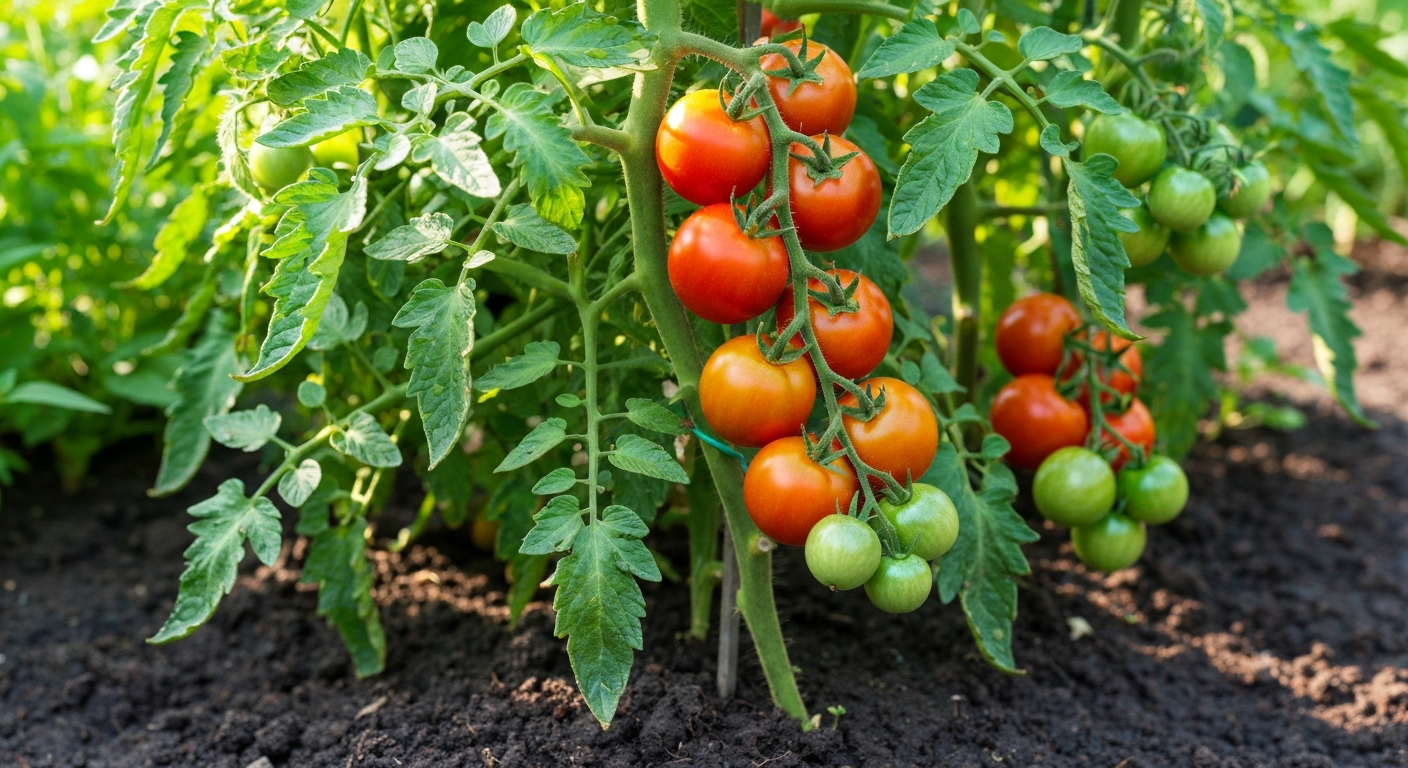
Every gardener dreams of sun-ripened, aromatic tomatoes picked straight from the vine. The way to achieve this starts with healthy, vigorous plants. While many gardeners reach for conventional fertilizers, your kitchen contains a powerful growth booster: yeast. This simple baking ingredient is a potent, natural aid for taking your tomato harvest to the next level. It is more than just a fertilizer; it is a biostimulant for the soil and plants.
Why is yeast such an effective fertilizer for tomatoes?
Yeast is not a chemical blend of nutrients but a living organism. When they multiply, the single-celled fungi of the species Saccharomyces cerevisiae produce a wealth of substances that are extremely beneficial for tomato plants. They work on several levels to create ideal conditions for strong growth.
A nutrient cocktail for your plants
Yeast is a natural source of a wide range of growth-promoting substances. These include B vitamins such as thiamine (B1), riboflavin (B2) and folic acid (B9). These vitamins are just as important for plants as they are for people and play a key role in metabolic processes and cell division. Yeast also provides valuable amino acids, the building blocks of proteins, as well as plant hormones such as auxins and cytokinins, which directly stimulate root growth and shoot formation.
Revitalizing soil life
Healthy soil is the foundation for healthy plants. Yeast actively supports soil life by serving as a food source for beneficial microorganisms. These bacteria and fungi break down organic material and make nutrients bound in the soil, such as phosphorus and potassium, available to tomato roots. They improve soil structure, increase water-holding capacity and ensure better aeration. In other words, they feed not only the plant but the entire ecosystem beneath the soil.
Healthy soil is living soil. Billions of microorganisms work tirelessly to break down organic matter and make nutrients available to plants.
Strengthening plant defenses
A well-nourished plant with a strong root system is more resistant to diseases and pests. The improved nutrient uptake encouraged by yeast and the enhanced soil environment strengthen the cell walls and immune system of tomato plants. This makes them less susceptible to feared fungal diseases such as late blight (Phytophthora infestans), which often destroys entire harvests.
How do you make the perfect yeast fertiliser for tomatoes?
Making yeast fertiliser is straightforward and requires only a few ingredients. The basic principle is to activate the yeast so that it multiplies and releases its valuable nutrients.
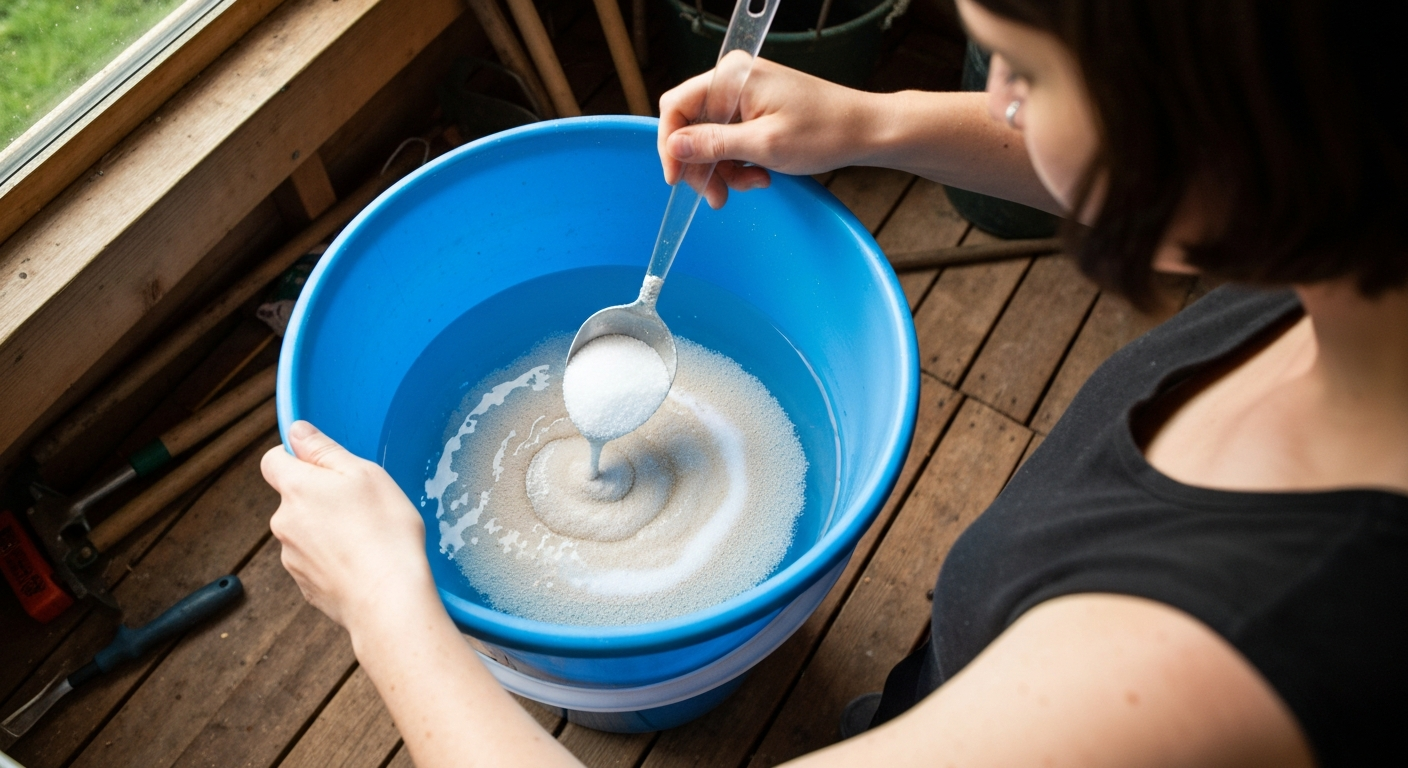
The basic recipe: Simple and effective
You only need three components for a basic nutrient solution. This recipe is enough for an initial application to several plants.
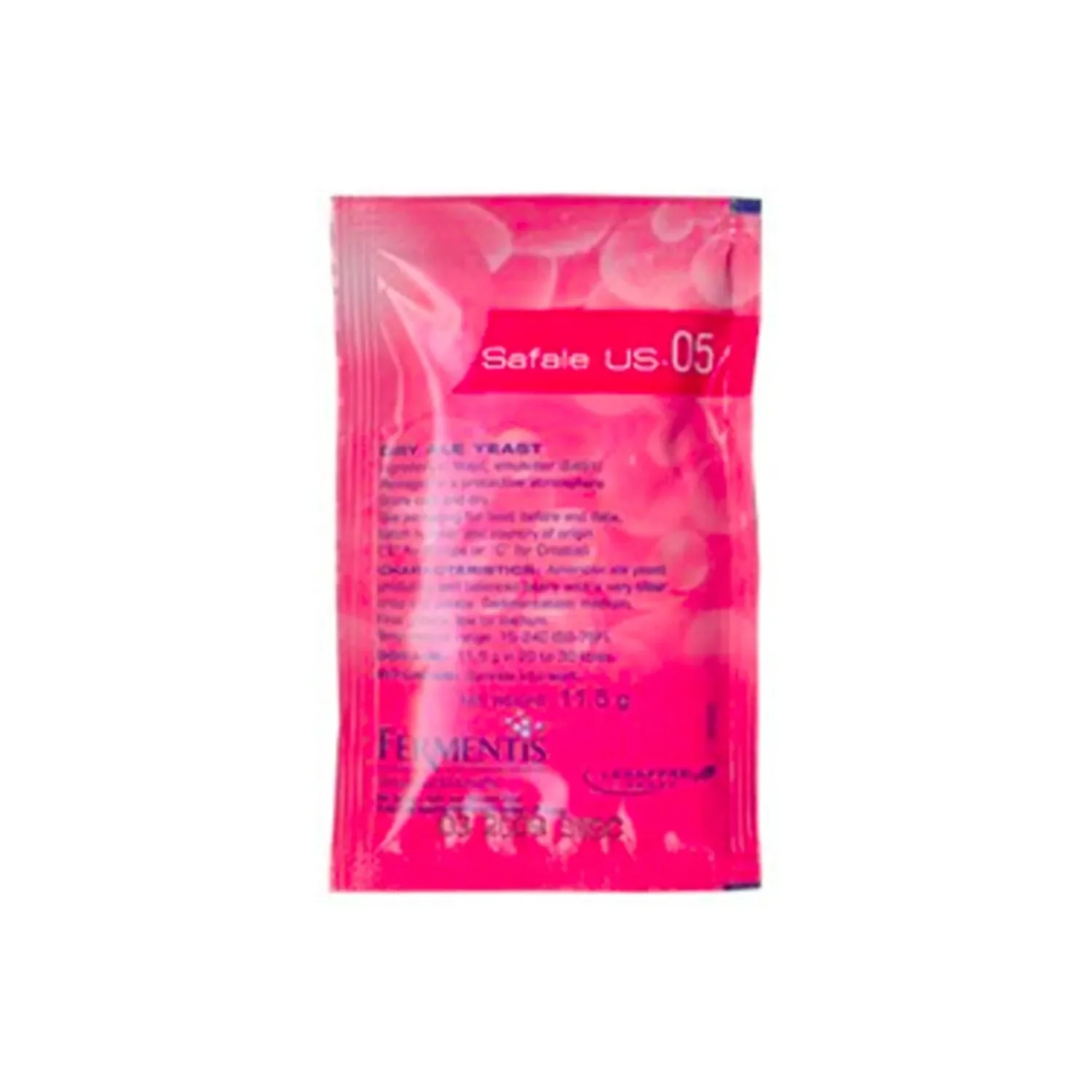
- Mix the ingredients: Dissolve 10 grams of dry yeast, such as (or one cube of fresh yeast) and 2 tablespoons of sugar in 10 litres of lukewarm water. The sugar provides food for the yeast and starts the fermentation process.
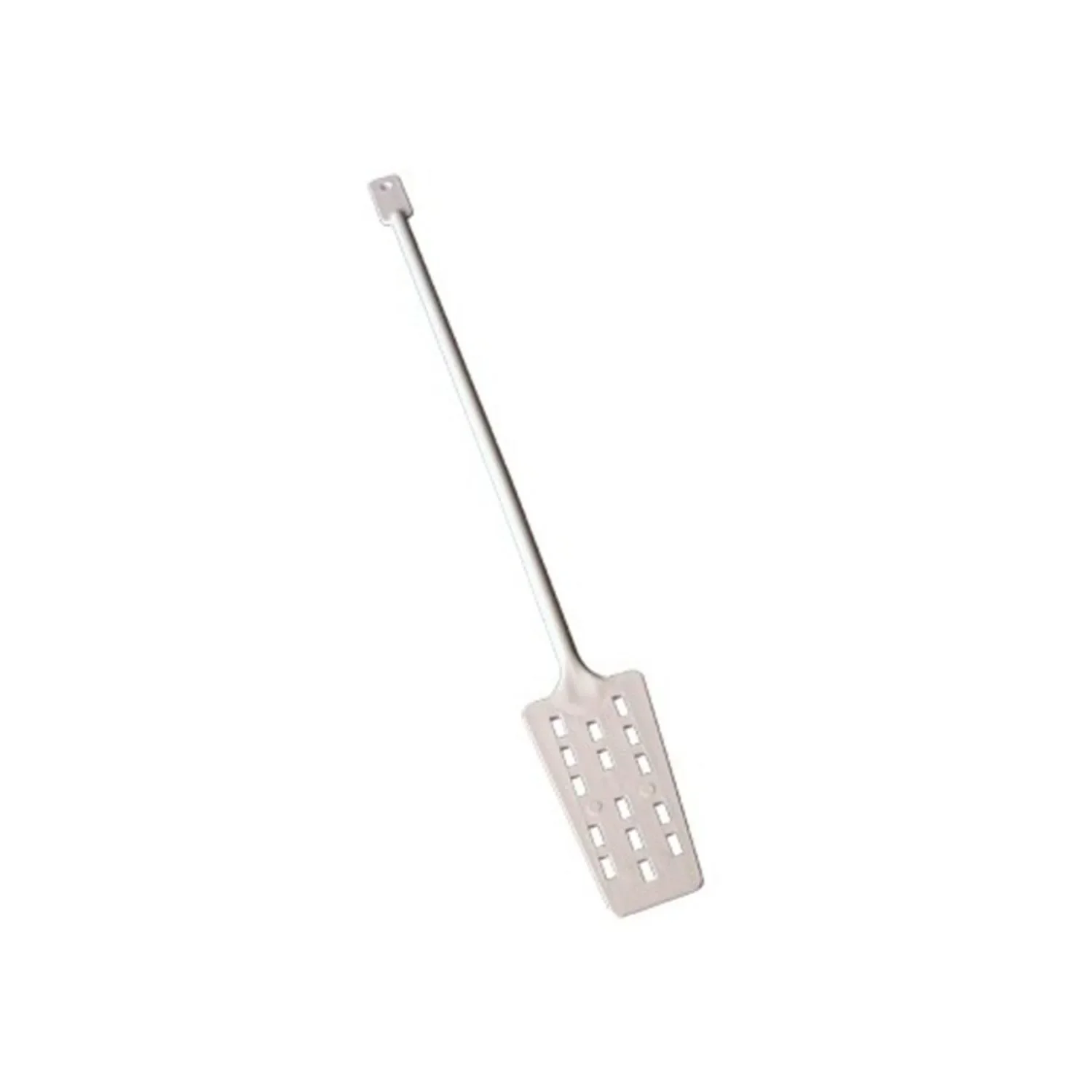
- Leave to ferment: Stir the mixture well, for example with a long stirring paddle. Leave the bucket in a warm, shady place for at least two to three hours, or preferably overnight. You will see the mixture start to foam – a sign that the yeast is active.
- Dilute and apply: Before watering, dilute the concentrated solution with water at a ratio of 1:10. So take one litre of the yeast mixture and top it up with ten litres of water.
Pro tip
Use only lukewarm water (approx. 25–30 °C). Water that is too hot kills the yeast cultures, while water that is too cold slows down or completely prevents the fermentation process. The temperature should feel comfortable on your fingers.
Recipe variations for an extra boost
You can enrich the basic recipe with additional ingredients to make an even more powerful fertiliser.
- With wood ash: Add one cup of clean wood ash (from untreated wood only) to the basic mixture. Ash is rich in potassium and phosphorus, which supports flowering and fruit development in your tomatoes.
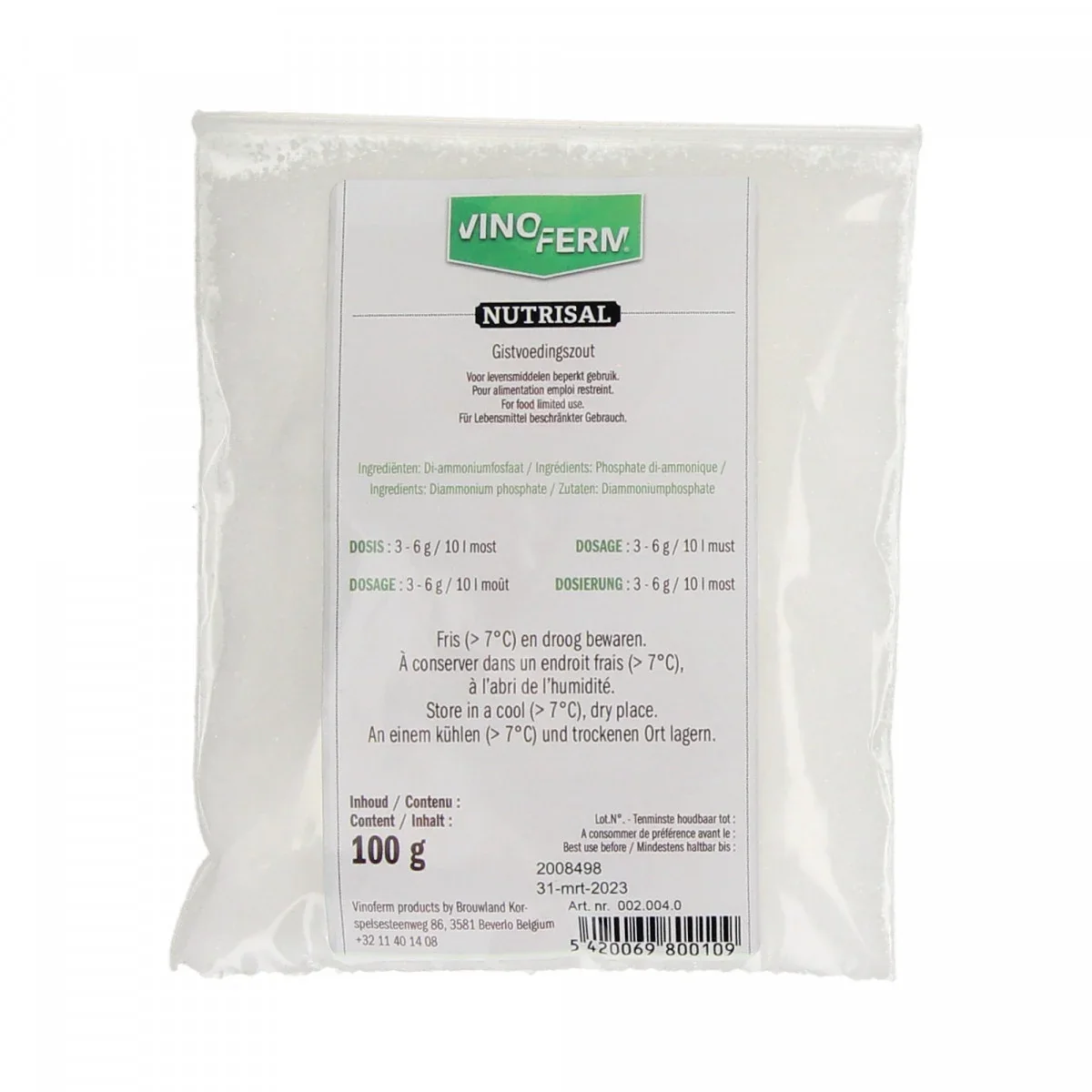
- With yeast nutrient: To maximise yeast activity, you can add a special yeast nutrient such as Vinoferm yeast nutrient. It supplies the yeast with important minerals and trace elements, thereby increasing the production of enzymes and vitamins.
- With stale bread: One traditional method uses leftover bread. Fill a bucket halfway with stale bread, top it up with water, add yeast and sugar, and leave the mixture to ferment for a week. The resulting brew is an excellent, nutrient-rich liquid fertiliser.
How and when should you apply yeast fertiliser correctly?
The right timing and correct application are crucial for success. Tomatoes are heavy feeders and need a continuous supply of nutrients during the growing season.
The ideal fertilising schedule
Fertilising with yeast is particularly useful during key growth stages. Aim for a schedule of around three main applications per season.
- First application: Approximately two weeks after planting the young plants in the bed or container. This gives the plants a powerful boost for root development and establishment.
- Second application: At the start of flowering. The nutrients support the plant during the energy-intensive process of forming flowers, which is essential for a good fruit set.
- Third application: When the first fruits begin to ripen. A further application of yeast fertiliser promotes the size, flavour and quality of the tomatoes.
The correct application method
Pour the diluted yeast solution directly onto the soil around the plant's roots. Avoid wetting the leaves to help prevent fungal diseases. Allow around one to two litres of the diluted solution per tomato plant. It is best to water in the morning or evening, when the soil has not been heated by the full sun. You can then water with clean water to flush the nutrients deeper into the soil.
Important note
Although yeast is natural, you should not overdo it. Applying it too frequently can temporarily disrupt the microbial balance in the soil. Stick to the recommended three applications per season. More is not always better.
What are the advantages of yeast compared with conventional fertiliser?
Yeast as an organic fertiliser offers numerous advantages over synthetic products.
Sustainable and environmentally friendly
Yeast is a 100% natural and biodegradable product. It leaves no harmful residues in the soil or groundwater. It is also safe to use around pets, children and beneficial insects such as bees and earthworms. You support a healthy garden ecosystem instead of burdening it with chemicals.
Affordable and readily available
A packet of dry yeast or a cube of fresh yeast costs just a few cents. Compared with special tomato fertilisers, this is an extremely affordable alternative. The ingredients are available in every supermarket, so you can make your own high-quality fertiliser whenever you need it.
Organic fertilisation is not only about feeding the plant; it is also about strengthening the entire soil ecosystem. That is the key to healthy plants and sustainable yields in the long term.
More than just nutrients
While conventional NPK fertilisers primarily supply plants with the three macronutrients nitrogen, phosphorus and potassium, yeast takes a more holistic approach. It is a biostimulant that stimulates processes in the soil and within the plant itself. It improves nutrient efficiency and overall plant health in ways that a purely mineral fertiliser cannot.
What should you bear in mind when fertilizing with yeast?
To achieve the best possible results, there are a few points you should consider. Yeast is not a cure-all, but one element of a well-planned gardening approach.
The microorganisms in yeast are inactive in cold conditions. Therefore, only apply the fertilizer once the soil has reached a temperature of at least 10-12 °C. Outdoors, this is usually the case from mid-May onwards. In cool weather, the yeast fungi cannot develop their full effect.
Yeast fertilizer works best in combination with other organic materials. A good application of compost in spring, regular mulching and a loose soil structure create ideal conditions for yeast cultures and other beneficial microorganisms to thrive and multiply.
Additional advice
Combine fertilizing with yeast with a mulch layer made from grass clippings or straw. The mulch keeps the soil moist and warm, which further encourages the activity of the yeast and soil organisms. It also suppresses weeds and protects against soil erosion.
Fertilizing with yeast is a simple, cost-effective and surprisingly effective way to give your tomato plants a decisive growth boost. You not only strengthen the plants, but also invest in the long-term health and fertility of your garden soil. Give it a try and look forward to a plentiful harvest of delicious, aromatic tomatoes.
Frequently asked questions
- Can I use any type of yeast for fertilizing?
- Yes, you can use both fresh yeast (cubes) and dried yeast. Both types contain the necessary microorganisms and nutrients. Dried yeast is often easier to store and measure. Make sure to activate the yeast in lukewarm water with a little sugar before applying it.
- How often should I fertilize my tomatoes with yeast?
- Fertilize your tomatoes with the yeast solution around three times per season. Apply it for the first time shortly after planting out, the second time at the beginning of the flowering period and the third time when the first fruits begin to form. Avoid over-fertilizing.
- Is yeast fertilizer also suitable for other plants?
- Yes, yeast fertilizer is an excellent organic biostimulant for many other plants, especially heavy-feeding vegetables such as cucumbers, peppers and courgettes. Flowering plants in the garden and on the balcony also benefit from the growth-promoting properties of yeast. Test its effect on individual plants first.
- Does yeast fertilizer smell unpleasant in the garden?
- During fermentation, the yeast mixture develops a typical, slightly sour fermented smell. However, after applying it to the soil and watering with clean water, the smell disappears very quickly and is no longer noticeable in the garden.
- Does boiling water kill yeast?
- Yes, hot or boiling water destroys the live yeast fungi and makes the fertilizer ineffective. Always use lukewarm water (approx. 25-30 °C) to activate the yeast. This ensures that the microorganisms remain active and can deliver their full effect in the soil.
You may also be interested in
- Growing tomatoes upside down: An unusual method for a bumper harvest
- Planting tomatoes like a pro: Location, care and a bumper harvest
- Growing tomatoes successfully: Care, varieties & tips
- More flavourful tomatoes: Growing tips
- Pruning tomatoes correctly: For a bumper garden harvest
- Hardening off tomato plants: Strong plants for a bumper harvest