
In brief: The best model depends on your lawn area, terrain, narrow passages and safety requirements. Measure the area that actually needs mowing, check the slopes, then choose the cutting width, navigation, boundary system and app features accordingly. For many yards, a reliable robot lawn mower with a properly installed boundary wire, rain sensor and easily accessible charging station is all you need.
The best model depends on your lawn area, terrain, narrow passages and safety requirements. Measure the area that actually needs mowing, check the slopes, then choose the cutting width, navigation, boundary system and app features accordingly. For many yards, a reliable robot lawn mower with a properly installed boundary wire, rain sensor and easily accessible charging station is all you need.
How do you measure your yard before buying?
The manufacturer's stated maximum lawn area is only a starting point. A robot designed for 800 square meters may need significantly more charging breaks in a yard with a complex layout, slopes and multiple islands.
That is why you should measure the area that actually needs mowing. Subtract flower beds, patios, ponds, garden sheds and zones that are permanently blocked off. Photograph narrow passages and note where the lawn continues into a second area.
Measure the area, zones and narrow passages
Divide the yard into individual lawn areas. A robot lawn mower can cover multiple zones, but it needs either a driveable corridor, a guide solution or your assistance to move between them.
Passages under 60 centimeters wide, narrow paths between a house wall and a flower bed, and steps along paved paths are particularly critical. Check the manufacturer's minimum-width specifications and measure at the narrowest point, not the most convenient one.
- Lawn area: Measure each zone and add only the areas the robot is actually meant to cover.
- Slopes: Note the steepest section. Wet slopes require more traction than dry, level surfaces.
- Passages: Measure the clear width between walls, edging stones and plants.
- Obstacles: Mark trees, trampolines, ponds, sandboxes and low edges.
- Charging station: Choose a level, easily accessible location with a power connection and sufficient clearance from obstacles.
A plan on graph paper is sufficient for an initial robot lawn mower assessment. Mark the charging station, boundary wire, islands and passages. This will show you early on whether the model you want can reach the entire area without manual assistance.
Consider the ground, edges and weather
Robot lawn mowers work most reliably on a surface that is as level as possible. Deep ruts, loose stones, roots and high lawn edges can block the wheels or result in an uneven cut.
Level out problem areas before installation. Edges next to flower beds should be low or have a driveable border zone. Otherwise, a strip of grass will remain that you will need to trim regularly with another tool.
Ground moisture also matters. Heavy equipment leaves tracks on softened lawns and can damage the turf. An automatic rain pause protects the lawn, but it does not replace good scheduling.
Pro tip
Plan for a lawn area at least 20 percent below the manufacturer's stated capacity. This reserve allows for frequent charging runs, slopes, complex layouts and weather-related pauses.
What technology does a robot lawn mower really need?
The most important technical decision concerns navigation. Basic devices use the boundary wire and work systematically or randomly within the designated area. This solution is often sufficient for uncomplicated lawns.
GPS, RTK, cameras and laser sensors can improve navigation. However, they do not solve every problem. Tall hedges, house walls, densely spaced trees and covered passages can interfere with satellite or radio signals.
Boundary wire, GPS or camera?
The boundary wire physically defines the mowing area and works independently of satellite signals. It is particularly suitable for gardens with many flower beds and clearly defined outer edges. Installation takes time, but afterwards it provides a clearly defined boundary.
GPS and RTK systems work with virtual maps. RTK can be highly precise, but requires a stable reference and radio connection. Camera-based models detect edges and objects, but must be able to distinguish them reliably under different lighting conditions.
- Wire navigation: predictable, robust and suitable for complex properties.
- GPS navigation: convenient for large, open areas with a clear view of the sky.
- RTK navigation: precise with stable signal coverage and careful setup.
- Camera or sensor navigation: helpful around obstacles, but dependent on light, contrast and a clean camera lens.
Do not choose based on the longest list of features. What matters is whether the navigation can reliably handle the most difficult area of your garden. A simple wire system is often more practical for a small garden than expensive technology that regularly loses its bearings beside the house.
Planning multiple areas and islands properly
Flower beds, ponds and individual trees can be set up as islands within the boundary system. Make sure the outgoing and return wires run close together so that the robot does not interpret this section as an additional exclusion zone.
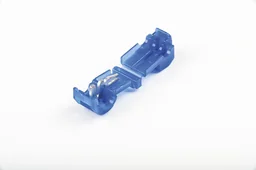
For installation, you need enough wire and suitable connectors. is suitable as 100-metre boundary wire for planning the mowing area. helps connect and branch off sections of wire.

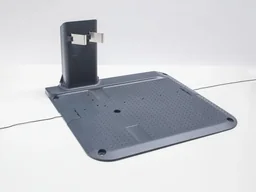
The charging station should be positioned where the robot can drive straight into it after mowing. For a stable power supply and a protected location, you can plan for as the base station. Check compatibility with your model before buying.
Important note
Do not lay the boundary wire directly along a sharp lawn edge if the robot could roll beyond it. Observe the distances specified by the manufacturer from walls, water features, drops and paths. Check the wire after excavation work and scarifying.
“A robot lawn mower does not automatically work safely in every garden. Obstacles, edges and transitions must suit the area and the device’s navigation system.”
How do you assess performance, cutting and battery life?
A good robot lawn mower cuts off small amounts of grass frequently. This keeps the lawn at a consistent height and distributes the clippings as mulch. This working method differs from traditional mowing, where you mow less often but cut the grass more heavily.
So do not compare maximum area performance alone. Consider the combination of daily mowing time, charging time, cutting width, cutting height and performance on slopes.
Assessing area performance realistically
Manufacturers usually calculate their area specifications under favourable conditions. Frequent obstacles, narrow passages, multiple zones and tall grass extend the operating time.
- Battery: Long battery life reduces interruptions, but it does not replace choosing the right area class.
- Charging time: Short charging times help when the device has to cover a large area every day.
- Cutting width: A wider cutting width reduces operating time on open areas.
- Cutting height: Check whether the adjustment range suits your type of lawn and the season.
- Hill-climbing ability: Compare the maximum incline with the steepest part of your garden.
A model with an area class that is too small runs for longer and charges more often. This increases wear and shifts mowing times into unfavourable weather conditions. A moderate reserve improves daily operation.
What does a robot lawn mower test really tell you?
A robot lawn mower test is helpful when the test conditions match your garden. Look for ratings covering cut quality, navigation, noise, obstacle detection, slopes and the app. A device can perform well on a level test area and still reach its limits in a winding garden.
Also read how easy it is to maintain the blades, battery and wheels. Proprietary spare parts can increase running costs. Check whether the app works reliably or whether important basic functions remain available directly on the device.
For additional manual work, it is worth looking at the garden tools category. There you will find equipment for edges, small remaining areas and sections that the robot lawn mower should not enter for safety reasons.
A separate base station can be useful if the location needs special protection from splash water, snow or accidental impacts. Use only in accordance with the manufacturer’s installation and compatibility specifications.
Additional advice
Set the cutting height higher in spring and only reduce it once the lawn is dense and growing strongly. Never remove more than about one third of the blade length at a time. This reduces the strain on the grass, battery and blades alike.
Which safety and maintenance considerations matter?
Safety starts with the surroundings, not the app. Remove toys, garden hoses, small branches and loose cables before the robot starts. Secure ponds, steps, deep ditches and areas with open water.
Protecting children, pets and wildlife
Many devices stop when lifted or upon impact. These functions reduce risks but do not prevent every injury. Children should not touch the robot while it is running or sit on it.
Pets react differently to noise and movement. Observe the first few mowing sessions and set quiet periods if necessary. Do not leave the robot unsupervised in an area where an animal could get underneath it.
- Preferably let the device operate during daylight.
- Check the lawn for small animals and objects before starting.
- Block off dense hedge edges, piles of leaves and areas with poor visibility.
- Switch off the robot before cleaning and maintenance work.
“Robotic lawn mowers can be dangerous for hedgehogs when they operate at night or at dusk.”
Cleaning, blades and winter storage
Check the underside regularly. Caked-on grass can block the wheels, worsen the cut and trap moisture against the housing. Clean the device according to the manufacturer's instructions and do not use a strong jet of water near sensitive electronic components.
Blunt blades tear the grass instead of cutting it cleanly. Replace the blades as soon as the cut becomes ragged or the robot visibly spreads more grass clippings. Wear cut-resistant gloves and secure the device against accidentally starting during this work.
- Check the wheels for grass and soil buildup.
- Inspect the blades for wear, cracks and secure attachment.
- Keep the charging contacts dry and clean.
- Check the boundary wire for damage after gardening work.
- Store and charge the battery according to the manufacturer's instructions.
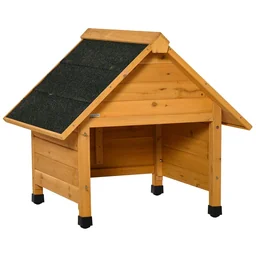
A garage protects the charging station and device from sun, rain and falling leaves. provides suitable cover for many robotic lawn mowers. Check the external dimensions and the space required for entry before ordering.
The same principle applies to general garden equipment and other garden and plant accessories: store tools, hoses and loose materials so they do not end up in the robot's travel paths.
How do you compare models and make the right buying decision?
Compare devices based on your garden, not on individual headline specifications. The best robotic lawn mower is the one that reliably reaches your entire lawn, operates safely and can be maintained without unnecessary effort.
Include these criteria in your comparison list
- Lawn area: Does the actual area match the recommended capacity, including a reserve?
- Navigation: Can the system handle trees, walls, flower beds and multiple zones?
- Narrow passages: Can the device reach every area without being moved manually?
- Slopes: Is the traction sufficient even on wet grass?
- Cutting: Can the cutting height and mowing times be adjusted to suit your needs?
- Safety: Are there reliable sensors, quiet periods and an easily accessible stop button?
- Service: Will blades, batteries, wheels and spare parts remain available over the long term?
Also factor in the installation effort. An inexpensive device with complicated installation can ultimately cost more time and money than a more expensive model with better navigation. Conversely, premium features are not worthwhile if the garden is small and level.
Compare purchase and ongoing costs
Depending on the system, the purchase price may be supplemented by boundary wire, connectors, a power supply, an additional charging station, a garage and replacement blades. GPS or RTK models may involve fees for services or additional reference equipment.
Plan the installation realistically. You will need a tape measure, pegs or fastening materials, a suitable power supply and time for test runs. and can simplify material planning for a wired installation.
- Simple garden: A cable system, compact area class and few sensors are often sufficient.
- Complex garden: Precise navigation, well-planned exclusion zones and good edge cutting are more important.
- Large open area: High battery capacity, a wide cutting width and capable navigation are worthwhile.
- Sloping terrain: Traction, low weight and suitable slope capability matter more than the app.
If you want to automate lawn care, start with a detailed assessment of your garden. Measure the area, mark obstacles and decide when the robot may operate. You can then compare models, accessories and costs objectively.
When choosing, start with the boundaries of your garden. Only then consider convenience features such as app control, voice assistants or theft protection. This way, you will find a robotic lawn mower that works reliably in everyday use, rather than one that only looks impressive on paper.
Frequently asked questions
- Which robotic lawn mower is right for my garden?
- Choose the model based on the actual mowing area, the steepest slope, the number of lawn areas and the narrowest passages. Also check whether the device uses boundary wire, GPS or RTK. A small, winding garden requires different technology from a large, open lawn.
- Does every robotic lawn mower need boundary wire?
- No. Some robotic lawn mowers use GPS, RTK, cameras or virtual boundaries. However, boundary wire remains reliable when the garden has many flower beds, trees, walls and narrow transitions. Careful planning, stable signals and navigation suited to your property's layout are crucial.
- Can a robotic lawn mower operate in the rain?
- Many models can work in light rain and automatically return to the charging station during heavy rainfall. Wet grass puts more strain on the blades, wheels and lawn. Check the manufacturer's information on weather resistance and schedule mowing times so the robot operates on dry grass whenever possible.
- Can a robotic lawn mower run at night?
- Many models can technically operate at night, but you should avoid this for safety reasons. Hedgehogs and other small animals are active at that time and can be injured by the device. Schedule mowing during the day and block off areas with dense vegetation, piles of leaves or known animal hiding places.
- How much maintenance does a robotic lawn mower need?
- Clean the housing, wheels and blades regularly, check the boundary wire and replace blunt or damaged blades. Before winter, clean and charge the device according to the manufacturer's instructions. Storing it in a dry, protected place extends its service life and keeps the cut even.
You may also be interested in
- Robotic lawn mowers: The ultimate buying and installation guide
- Buy a lawn mower: The right type for every garden
- Lawn mowers: Key features to look for when buying
- Robotic lawn mowers for large gardens: Options and benefits
- Robotic lawn mower vs. lawn mower: Cost comparison and buying guide
- Robotic lawn mower reviews and comparison 2026