
In brief: The best camping laundry setup is practical, compact, and quick-drying. For a camping trip, choose performance underwear and lightweight hiking shirts made from merino wool or synthetic blends. Along with the right fabrics, a well-planned laundry system and organized clothing storage make a big difference.
Camping means freedom and adventure. But even on the road, you still need clean, fresh clothes. Regular clothing is often too heavy, takes too long to dry, or takes up too much space. Clothing made for camping can solve these problems.
It uses innovative fabrics that are functional and easy to care for. But your clothes are only part of the solution. A well-planned system for washing, drying, and organizing your laundry makes daily life much easier. In our comprehensive 2026 test and comparison, we show you the best options.
We introduce practical helpers and share specific buying advice to help you find the right gear for your next trip.
Contents
What is camping laundry?
Camping laundry means more than clothing designed for outdoor activities. It covers your entire system for handling clothes while traveling, including performance clothing and practical gear for carrying, washing, and drying it.
The goal is maximum comfort with minimal weight and bulk. Good camping clothes air-dry within a few hours. They’re durable, odor-resistant, and easy to clean. A well-planned system also keeps limited storage space in your RV, tent, or backpack organized.
Performance clothing as the foundation
Clothing is at the heart of any camping laundry setup. Modern performance shirts, underwear, and socks wick sweat away from your body, so they still feel dry after hours of wear. Merino wool offers excellent natural performance.
Synthetic fabrics such as polyester and polyamide are also popular. They’re lightweight, quick-drying, and hold their shape. Many outdoor enthusiasts prefer blended fabrics that combine the benefits of both materials.
Tip: Plan your camping clothes using the layering principle. Several thin layers keep you warmer than one thick layer and make it easier to adapt to changing temperatures.
Key materials compared
Your choice of fabric affects comfort, care, and durability. Here are the most common options.
Merino wool: The natural all-rounder
Merino wool is a premium fabric for demanding outdoor activities. Its fine fibers feel soft against your skin. They can absorb up to one third of their own weight in moisture without feeling wet.
One major advantage is its natural odor resistance. You can wear merino clothing for several days without it developing an unpleasant smell. It also insulates well when wet. The downsides are its higher price and slightly longer drying time compared with synthetic fabrics.
Synthetic fibers: Lightweight and quick-drying
Synthetic fibers such as polyester and polypropylene are a great choice when you need clothes to dry fast. They often dry within an hour and are lightweight and durable.
Modern synthetic fibers use capillary action to move sweat to the fabric’s outer surface. They’re generally easy to care for and often cost less than merino wool. One potential downside is that they can develop stronger odors, though special antibacterial treatments can help.
Warning: Avoid cotton on active camping trips. It absorbs sweat, dries extremely slowly, and can cause your body to lose a lot of heat when it’s wet. This can be dangerous outdoors.
The perfect travel laundry system
You’ll need to wash your clothes even when you’re traveling. A simple, effective laundry system helps you stay clean and comfortable. It only needs a few components.
The laundry hamper: Keep everything in one place
A good laundry hamper is the centerpiece of your setup. It keeps dirty laundry separate from clean clothes and helps prevent odors in your living space. Our comparison shows that options such as the
offer plenty of storage with a 69 l capacity.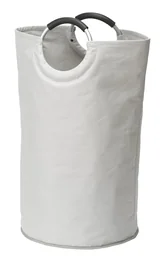
The "Jumbo Stone" is a multifunctional bag made from durable material. The
"Wash me" follows a similar design. Both are made from polyester and are easy to clean. A lid or zipper helps keep everything contained.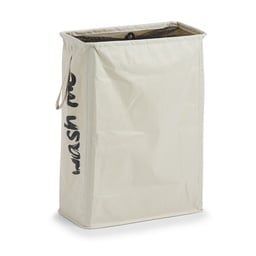
Washing without a washing machine
You don’t need an electrical hookup to wash clothes. A compact wash bag, a bucket with a lid, or even a sturdy waterproof backpack can work as a wash basin. Special outdoor detergents are biodegradable and gentler on the environment.
Use laundry bags to protect delicate items such as performance underwear. A 3-piece set like
protects fabric during washing and spinning. The nets also keep buckles and zippers from snagging your clothes.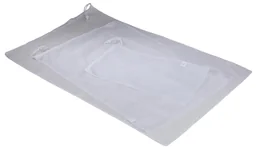
Organization and storage
Keeping your limited storage space organized is essential. Clever organizers help you keep track of everything and store clothes in a space-saving way.
Storage solutions for every need
Compact organizers or fabric bags are ideal for clean clothes. The corner laundry hamper
makes use of otherwise unused corners in your RV or tent awning. It provides quick access to clothes you need frequently.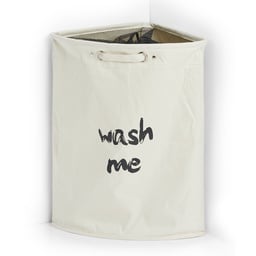
Expandable clothes hangers are ideal for shirts or jackets that need to stay wrinkle-free. The 6-piece set
packs compactly for transport and extends to the length you need. It also fits on low clothes rods.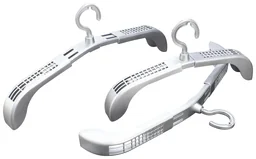
Drying your laundry
After washing comes drying. A portable clothes drying rack is worth its weight in gold here. Lightweight models made of aluminum or plastic are sturdy and quick to set up. Hang your laundry in a well-ventilated place.
Don't forget the clothespins. A practical basket such as
keeps them close at hand and organized. Color-coded clothespins make it easier to keep the whole family's laundry separate.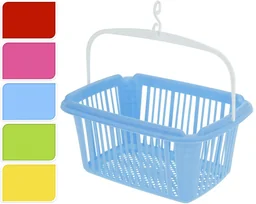
Note: Always allow enough time for your laundry to dry. Damp laundry in enclosed containers can quickly develop mold. Take advantage of sunny, breezy days to wash larger loads.
Care and cleaning
Proper care can significantly extend the life of your high-quality camping clothes. Follow the manufacturer's instructions for performance fabrics.
What to avoid
Avoid conventional fabric softener. It coats the fibers and blocks their breathability. Washing at excessively high temperatures can also damage the materials. In most cases, 30 or 40 degrees Celsius is perfectly sufficient.
Do not tumble-dry performance clothing. The high temperatures can melt or damage the fibers. Air-drying in the shade is better, as direct sunlight can cause some colors to fade.
Storing your laundry after the trip
Before storing your camping clothes, wash them thoroughly. Make sure they are completely dry. Store them in a cool, dry, dark place.
Breathable fabric bags or cardboard boxes work well for long-term storage. Avoid airtight plastic bags, as moisture can build up inside. This way, your gear will be ready for your next adventure.
Our product recommendations
Based on our tests and comparisons, we recommend the following products for your camping laundry setup.
Our top-rated camping laundry products, compared side by side:
| Model | Customer rating | Availability |
|---|---|---|
| Moth spray, 50 ml. | – | Currently unavailable |
| Clothes drying rack "All In" | – | Currently unavailable |
| Clothespin basket, assorted colors | – | Currently unavailable |
| Corner laundry hamper "Wash me", polyester, beige | – | Currently unavailable |
| Expandable clothes hanger, set of 6, extends from 37.5 - 51.5 x 4 cm | – | Currently unavailable |
For transport: laundry hampers
The (Jumbo Stone) offers an enormous 69-liter capacity for large piles of laundry or longer trips. Its multifunctional bag is sturdy and versatile. A good alternative is the more compact .
For laundry care: laundry bags
The 3-piece set protects your valuable performance clothing during washing. The different sizes work for socks as well as larger shirts. The bags are essential for gentle hand-washing.
For organization: accessories
The assorted-color clothespin basket keeps your drying area organized. The expandable clothes hangers are ideal for space-saving storage and gentle drying of shirts or jackets.
Discover our full range of practical gear for your camping trip in the camping laundry category. For more ideas for enjoying the outdoors, visit our large Camping & Outdoor section.
FAQ: Camping laundry
Here we answer the most frequently asked questions about doing laundry while camping.
Frequently Asked Questions
- What’s the best fabric for camping clothes?
- Merino wool and modern synthetic fabrics are great choices. They wick away moisture, dry quickly, and resist odors even after several days of wear. Cotton is less suitable for camping because it takes a long time to dry and can feel cold.
- How do I wash clothes while camping?
- Use a waterproof laundry bag such as PRODUCT_76226 or PRODUCT_88941 to carry your clothes. For washing, a compact wash bag or a bucket with a lid works well. Outdoor laundry detergents are biodegradable and gentle on the environment.
- Do I need special clothespins for camping?
- Yes. Small, lightweight plastic clothespins are ideal for camping because they take up very little space. A handy storage container such as PRODUCT_85937 keeps them together and helps prevent them from getting lost.
- How can I save space when packing camping clothes?
- Dress in layers: a base layer, an insulating layer, and weather protection. Roll your clothes instead of folding them. Use organizers such as PRODUCT_111104 or retractable hangers such as PRODUCT_89929 to save space in your RV or tent.
- What should I do with dirty laundry while camping?
- Store dirty laundry separately in a breathable bag or container to help prevent odors. A dedicated ventilated laundry bag helps prevent mold. Wash smaller items regularly so your laundry doesn’t pile up.