
Kurz erklärt: Ein guter Faltanhänger zeichnet sich vor allem durch ein stabiles Fahrwerk, eine robuste, verzinkte Rahmenkonstruktion und eine zum Gewicht passende Anhängelast aus. Entscheidend ist die Breite der Ladefläche. In unserem Vergleich 2026 helfen wir Ihnen bei der Wahl zwischen klassischen Modellen und modernen Kippvarianten, und zeigen, welches Zubehör wie ein Fahrradträger oder Plane Ihre Möglichkeiten erweitert.
Sie suchen einen flexiblen und platzsparenden Helfer für den Garten, den Baumarkt oder den Transport von Sportgeräten? Ein Faltanhänger ist die ideale Lösung. Im Gegensatz zu starren Anhängern können Sie ihn nach Gebrauch einfach zusammenklappen und platzsparend verstauen. Doch nicht jedes Modell ist für jeden Zweck geeignet. Unser Test und Vergleich für 2026 beleuchtet die entscheidenden Kaufkriterien und zeigt, worauf Sie achten müssen.
Inhaltsverzeichnis
Die wichtigsten Kaufkriterien für Faltanhänger
Bevor Sie sich für ein bestimmtes Modell entscheiden, sollten Sie klären, wofür Sie den Anhänger primär nutzen wollen. Die Anforderungen an einen Anhänger für gelegentliche Gartenabfälle sind anders als an einen, der regelmäßig schwere Baumaterialien transportieren soll.
Das Fahrwerk und die Achse
Das Fahrwerk ist das Herzstück. Achten Sie auf eine stabile, verzinkte Konstruktion. Sie schützt vor Rost. Die Achse sollte leichtgängig und wartungsarm sein. Ein geschlossenes Achssystem ist oft robuster als offene Varianten. Die Bereifung ist ebenfalls wichtig: Prüfen Sie, ob es sich um Standardgrößen handelt, für die Sie leicht Ersatz bekommen.
Die Ladefläche und die Bordwände
Die Größe der Ladefläche bestimmt, was Sie transportieren können. Messen Sie die Türen und Durchgänge, durch die Sie fahren müssen. Ein zu breiter Anhänger ist unpraktisch. Die Bordwände sollten stabil und einfach zu befestigen sein. Einige Modelle bieten die Möglichkeit, Seitenwände nachzurüsten.
Das zulässige Gesamtgewicht
Dieser Punkt ist entscheidend für die Sicherheit und Legalität. Das zulässige Gesamtgewicht ist die Summe aus Eigengewicht des Anhängers und maximaler Zuladung. Vergleichen Sie diesen Wert unbedingt mit der zulässigen Anhängelast Ihres Zugfahrzeugs. Diese finden Sie in den Fahrzeugpapieren. Ein Überschreiten ist nicht erlaubt.
Wichtig
Überladen Sie Ihren Faltanhänger niemals. Ein zu hohes Gewicht gefährdet die Stabilität, überlastet die Reifen und macht Ihr Gespann unfallträchtig. Die angegebenen Gewichtsgrenzen sind verbindlich.
Vergleich der besten Faltanhänger
Im Folgenden finden Sie eine Übersicht der aktuell relevanten Modelle und ihrer Kernmerkmale. Die Tabelle hilft Ihnen, auf einen Blick die Unterschiede zu erkennen.
Die meistbewerteten Faltanhänger aus unserem Sortiment im direkten Vergleich:
| Modell | Kundenbewertung | Verfügbarkeit |
|---|---|---|
| Aufsatzwände 400 mm zu PFA 185 U | – | Derzeit nicht verfügbar |
| Fahrradträger-Traversen zu PFA 185 U | – | Derzeit nicht verfügbar |
| Halterung für Seitenwand zu PFA 185 U | – | Derzeit nicht verfügbar |
| Halterungen für Seitenwand zu PFA 185 U, 2 Stück | – | Derzeit nicht verfügbar |
| Seilwinde mit Windenstand zu PFA 185 U | – | Derzeit nicht verfügbar |
Welcher Faltanhänger-Typ passt zu Ihnen?
Der klassische Kippanhänger
Die klassische Bauweise bietet eine feste Ladebodenkonstruktion. Diese Modelle sind oft besonders stabil und für gleichmäßig verteilte Lasten ideal. Sie eignen sich ausgezeichnet für den Transport von Kisten, Möbeln oder Geräten. Ein Beispiel für diese zuverlässige Bauart ist der
. Sein stabiler Rahmen bietet eine solide Basis.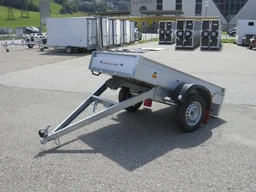
Der moderne Kippanhänger mit Plane
Diese Variante kombiniert die Vorteile eines stabilen Anhängers mit dem Wetterschutz einer Plane. Die Plane schützt empfindliche Ladung vor Regen und Schmutz und kann bei Bedarf komplett geöffnet oder entfernt werden. Für den Allround-Einsatz ist eine Faltanhänger mit Plane eine hervorragende Wahl. Eine passende Flachplane wie das
ergänzt viele Basismodelle perfekt.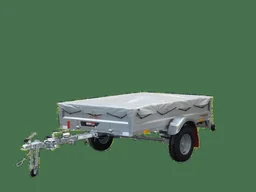
Spezialisierte Modelle für Hobby und Gewerbe
Manche Aufgaben erfordern spezielles Zubehör. Der Transport mehrerer Fahrräder wird mit einem geeigneten Fahrradträger zum Kinderspiel. Hierfür bieten sich spezielle Fahrradträger-Traversen an, wie das
. Für das Bewegen sehr schwerer Gegenstände, etwa von Maschinen oder großen Steinen, kann eine Seilwinde entscheidend sein. Ein solches Hilfsmittel ist das .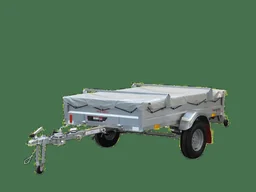

Tipp
Planen Sie Ihre Anschaffung langfristig. Wenn Sie später vielleicht Fahrräder transportieren oder schwere Lasten bewegen wollen, lohnt es sich, ein Basismodell zu wählen, für das es entsprechendes Zubehör wie Fahrradträger oder Seilwinden gibt.
Sinnvolles Zubehör für mehr Flexibilität
Mit dem richtigen Zubehör machen Sie Ihren Faltanhänger vielseitiger und die Arbeit leichter. Die Auswahl sollte immer zu Ihrem konkreten Modell passen.
Die bereits erwähnte Flachplane ist ein Klassiker. Eine Seilwinde ist unverzichtbar, wenn Sie regelmäßig schwere Gegenstände verladen. Für alle, die ihre Ladung nach oben sichern müssen, sind stabile Seitenwand-Halterungen eine sinnvolle Ergänzung.
Vergessen Sie nicht die Verbindung zum Auto. Stellen Sie sicher, dass die Steckverbindung Ihrer Anhängerkupplung zur Buchse des Anhängers passt. Mit Adaptern, wie einem 13-polig auf 7-polig Adapter, lösen Sie viele Kompatibilitätsprobleme.
Sicherheit und Pflege: So machen Sie alles richtig
Die richtige Beladung
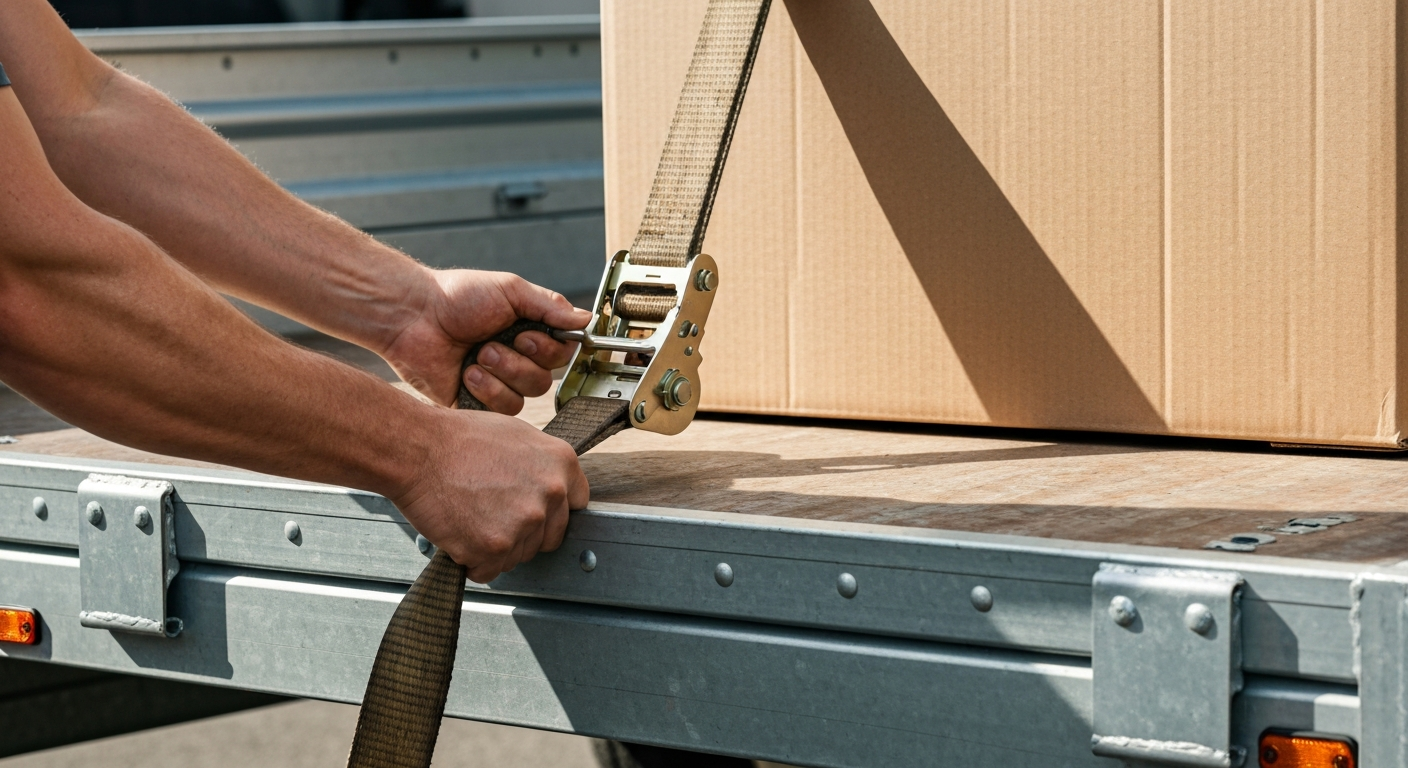
Laden Sie schwere Gegenstände immer möglichst tief und über der Achse. Verteilen Sie das Gewicht gleichmäßig. Schwere Lasten nach hinten verlagern die Stützlast und machen das Gespann instabil. Sichern Sie jede Ladung mit Spanngurten gegen Verrutschen.
Die gesetzlichen Vorgaben
Ihr Fahrzeug und der Anhänger müssen verkehrssicher sein. Dazu gehören funktionierende Bremsen, beleuchtete Kennzeichen, eine funktionierende Anhängerkupplung und eine korrekte Sicherung der Ladung. Eine nicht funktionierende Beleuchtung ist ein häufiger Grund für Beanstandungen.
Hinweis
Kontrollieren Sie vor jeder Fahrt die Beleuchtung des Anhängers. Prüfen Sie Bremslicht, Blinker und Rückstrahler. Eine defekte Beleuchtung gefährdet nicht nur Sie, sondern bringt auch andere Verkehrsteilnehmer in Gefahr.
Pflege für eine lange Lebensdauer
Ein Faltanhänger ist ein robustes Gerät, braucht aber Pflege. Reinigen Sie ihn nach jedem Einsatz von Schmutz, besonders im Winter von Streusalz. Schmieren Sie die beweglichen Teile wie Achse und Kippmechanik in den vom Hersteller empfohlenen Intervallen. Ein gut gepflegter Anhänger hält viele Jahre.
Fazit: So finden Sie Ihren perfekten Faltanhänger
Die Wahl des richtigen Faltanhängers hängt stark von Ihren individuellen Bedürfnissen ab. Brauchen Sie eine einfache Lösung für gelegentliche Transporte oder einen leistungsstarken Helfer für regelmäßige Einsätze?
Beginnen Sie mit der Prüfung der Anhängelast Ihres Autos. Entscheiden Sie dann, welche Größe und welches Zuladungsgewicht Sie benötigen. Denken Sie an mögliches Zubehör, das Sie heute oder in Zukunft brauchen könnten. Ein hochwertiger, verzinkter Rahmen und ein stabiles Fahrwerk sind immer eine gute Investition.
Informieren Sie sich in unserem Sortiment über die verschiedenen Pkw Anhänger und wählen Sie das Modell, das am besten zu Ihren Vorhaben passt. Mit der richtigen Vorbereitung und dem passenden Modell wird Ihr Faltanhänger zu einem unverzichtbaren Helfer im Alltag.
Häufige Fragen
- Was sind die Vorteile eines Faltanhängers gegenüber einem starren Anhänger?
- Der größte Vorteil ist der platzsparende Zusammenbau. Wenn Sie ihn nicht nutzen, lässt er sich kompakt zusammenfalten und platzsparend lagern, etwa in der Garage oder im Gartenhaus. Ein starrer Anhänger benötigt dagegen dauerhaft einen Stellplatz. Zudem sind Faltanhänger oft leichter und einfacher zu manövrieren.
- Wie viel Gewicht darf ich auf einen Faltanhänger laden?
- Die maximale Zuladung ist das zulässige Gesamtgewicht minus dem Eigengewicht des Anhängers. Sie variiert stark, typischerweise zwischen 300 und 800 kg. Informieren Sie sich unbedingt im Fahrzeugschein Ihres Autos über die erlaubte Stützlast und Anhängelast. Diese Werte dürfen Sie nie überschreiten.
- Brauche ich einen speziellen Führerschein für einen Faltanhänger?
- In der Regel nicht. Für Gespanne bis 3500 kg zulässiges Gesamtgewicht reicht der normale PKW-Führerschein der Klasse B. Beachten Sie jedoch, dass Sie die Anhängelast Ihres Zugfahrzeugs und die zulässige Stützlast der Anhängerkupplung einhalten müssen.
- Welches Zubehör ist für einen Faltanhänger sinnvoll?
- Eine Plane schützt die Ladung vor Wettereinflüssen. Für den Transport von Fahrrädern sind spezielle Fahrradträger-Traversen unverzichtbar. Seilwinden erleichtern das Beladen schwerer Gegenstände. Seitenwand-Halterungen sichern hohe Ladungen. Wählen Sie stets Zubehör, das explizit zu Ihrem Modell passt.
- Wie pflege ich einen Faltanhänger richtig?
- Reinigen Sie das Fahrgestell nach dem Einsatz, besonders im Winter, um Streusalz zu entfernen. Schmieren Sie die beweglichen Teile wie Achse und Kippmechanik regelmäßig. Überprüfen Sie den Reifendruck vor jeder Fahrt. Lagern Sie den Anhänger möglichst trocken und im zusammengebauten Zustand.