
In brief: For the best results with a curved strimmer blade, hold the strimmer at the correct angle and guide it in a steady, sweeping motion. Maintain the blade with regular cleaning and sharpen it as soon as the cut becomes ragged to extend the life of the tool.
A well-maintained lawn does not end at the grass. Perfect edges around paths, beds and walls define the overall appearance. While strimmer line often just tears and pulls at grass in these areas, a curved strimmer blade shows its true strength. It cuts as precisely as a scythe and produces clean, healthy grass blades. But how can you use this tool effectively, and what maintenance does it require?
The right equipment is half the battle. A high-quality, sharp blade is crucial to your strimmer's performance. If you own a cordless strimmer of type 984031, the curved replacement blade is the perfect choice for ensuring your tool delivers its full performance. It provides exactly the clean cut you need for professional results.
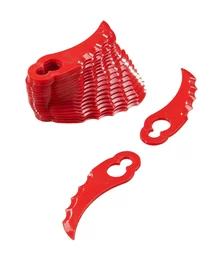
Why is a curved blade often the better choice?
A strimmer head with line is an all-rounder, but it reaches its limits for certain tasks. A curved blade makes the most of its advantages in precisely these situations. Its shape is no coincidence but the result of carefully considered physics. The curve creates a pulling cut that cleanly severs grass and weeds instead of striking them off. This is gentler on the plants and encourages rapid regrowth.
The blade is particularly effective on tough, tall grass or slightly woody weeds. Where line tangles or breaks, the sturdy blade glides through with ease. You work faster and more efficiently, with fewer interruptions to replace the line. The result is excellent cutting performance with minimal effort.
A sharp, clean cut is not just about appearance. It helps grass recover more quickly and makes it less susceptible to disease. The curved blade mimics the cut of a scythe, which is ideal for the plant.
How do you cut lawn edges precisely and cleanly?
Technique is what separates a ragged edge from a perfect line. Cutting lawn edges with a curved blade takes practice, but the following steps will help you become a professional quickly.
The right posture and movement
Hold the strimmer so that the blade head is slightly tilted. For a vertical edge, such as along a paving slab, turn the strimmer 90 degrees. The blade's rotation should throw the cuttings away from the edge, not onto the path. Guide the tool along the edge in a calm, steady movement. Avoid jerky motions. Let the speed of the blade do the work; you do not need to apply pressure.
Step by step to the perfect edge
- Preparation: Walk along the edge and remove larger stones, branches and other obstacles. This protects your blade and prevents dangerous kickback.
- Choose a starting point: Begin at one end and work your way along systematically. This helps you keep track of your progress and achieve a consistent result.
- Guiding the strimmer: Support the strimmer securely with both hands. Use the handle and, if necessary, a shoulder strap to balance the tool and work without tiring.
- Steady forward movement: Move at a constant pace. Advancing too quickly overloads the blade and produces an uneven cut.
- Overlap: Slightly overlap your passes to make sure no blades of grass are left standing.
Pro tip
When cutting along a wall or fence, hold the strimmer so that the blade throws debris away from the obstacle, not towards it. This protects the blade from unnecessary wear and prevents dangerous kickback or damage to the fence.

How can you tell when it is time to replace the blade?
Even the best blade will eventually become blunt. Replacing or sharpening it at the right time is essential for the longevity of your tool and the quality of your work. Look out for clear signals from your strimmer.
Reduced performance and cut quality
The most obvious sign is poor cutting performance. If grass blades are no longer cut cleanly but are instead torn and ragged, the blade is blunt. You will also notice that you need to use more force and that the strimmer motor sounds louder or more strained. The work takes longer and the result is unsatisfactory.
Visual inspection and vibrations
Inspect the blade regularly. Look for nicks, cracks or bent sections caused by contact with stones or other hard objects. A damaged blade is a safety risk. Even a small imbalance can also cause strong vibrations, which are not only unpleasant but can damage the bearings and motor of your strimmer. If you notice increased vibration, stop work immediately and inspect the blade.
How do you properly maintain and sharpen your strimmer blade?
Good maintenance significantly extends the life of your blade. Regular cleaning combined with proper sharpening ensures consistently good performance. Maintaining the right strimmer blade is not a major task, but the benefits are enormous. You can find many of the tools you need in our Scrapers + Knives category.
Important safety note
Always disconnect the power supply (remove the battery!) before working on the blade. Wear sturdy gloves to prevent cuts. A rotating blade has enormous force and can cause serious injuries.
Clean after every use
Remove grass clippings, soil and plant sap from the blade after every use. A stiff brush and some water are usually sufficient. A special cleaner can help with stubborn resin. A clean blade cuts better and is protected against corrosion. Cleaning is also a good opportunity to carry out a quick visual inspection for damage.
Sharpening correctly
You can resharpen a blunt blade a few times. Use a flat file or sharpening stone for this. It is important to maintain the original cutting angle. Always file in one direction only, from the inside towards the cutting edge. Remove the same amount of material from both sides to keep the blade balanced. As mentioned, an imbalance causes harmful vibrations.
We often see damage to equipment caused by improper blade maintenance. A blunt blade forces the motor to work overtime. A small investment in maintenance and timely replacement, such as with the , significantly extends the service life of the entire tool.
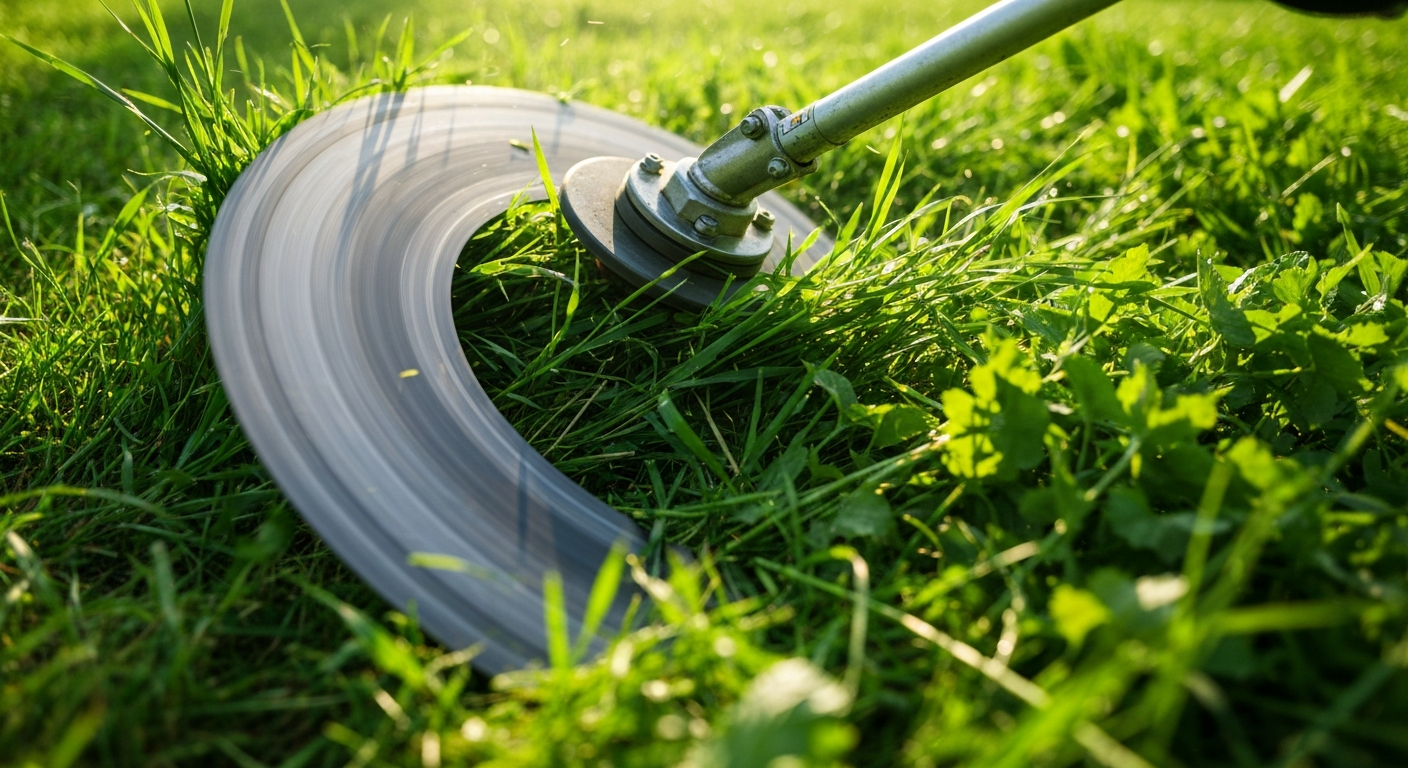
Which mistakes should you avoid at all costs?
To enjoy your blade and strimmer for a long time, you should know and avoid some typical sources of problems. Many issues can easily be prevented by working carefully and consciously.
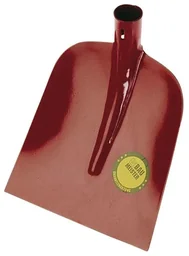
The most common mistake is contact with hard objects. Every impact against a stone, concrete lawn edge or metal post damages the cutting edge. Work with foresight and keep your distance. For subsequent gardening work and removing cuttings, a robust shovel such as the Holsteiner shovel is a practical helper.
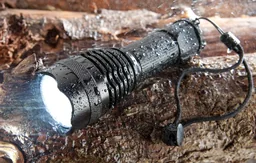
Another mistake is working at too low a speed or forcing the cut. Let the blade run at full speed. The high rotation speed ensures a clean cut. Do not push the strimmer into dense vegetation; instead, work your way down in layers from top to bottom. For a close inspection of the blade in a poorly lit garage or shed, a High Power LED flashlight is invaluable.
Never neglect safety. Never work without the strimmer's supplied guard, and always wear safety goggles. Ejected stones can cause serious injuries. Your safety and the longevity of your power tools should always come first.
Additional advice
After sharpening, checking the balance is essential. Hang the blade centrally on a nail or screwdriver. If it remains balanced, everything is fine. If it tips to one side, carefully remove a little material from the heavier side until it is balanced.
A curved strimmer blade is a specialist that delivers outstanding results when used and maintained correctly. It turns laborious edging into an efficient and satisfying task. With a sharp blade, the right technique and an eye for maintenance, your lawn will become a real showpiece. Discover more useful helpers for your Garden + Outdoor area and make your work easier.
Frequently Asked Questions
- How often do I need to sharpen a curved strimmer blade?
- Sharpen your blade at the first signs of an uneven cut, such as frayed grass blades. With regular use, this may be necessary every 10-15 hours of operation. It is also advisable to check for nicks after every use.
- Can I fit any curved blade to my strimmer?
- No, you must use a blade that is suitable for your model. Check the mounting hole and the size approved by the manufacturer. Incorrect blades can cause imbalance, damage to the tool or safety risks.
- What is the main advantage of a curved blade over a straight one?
- The curved design creates a pulling, scythe-like cut. This cleanly cuts through grass and weeds instead of striking them off. The result is healthier turf and greater efficiency in dense vegetation.
- My strimmer vibrates heavily. Could the blade be the cause?
- Strong vibrations are often a sign of an unbalanced blade. This can be caused by uneven sharpening or material loss after contact with stones. Replace the blade immediately to prevent damage to the strimmer's bearings.
- Is a curved blade also suitable for tall weeds?
- Yes, absolutely. A curved blade is ideal for tall, tough weeds and even lightly woody plants. Its robust shape and sharp cut handle tasks where line quickly reaches its limits or breaks.
You may also be interested in
- Clean garden edges: trimming tips with the right blades
- Cordless strimmer cutting poorly? Common mistakes and blade solutions
- Replacing the 984031 replacement blade for cordless strimmers: instructions
- Blunt utility knife blades? 5 tips for longer-lasting sharpness
- 11 tips for using a grass strimmer correctly
- Keep your lawn edge looking great: maintenance and cleaning tips