
In brief: A planting plan for your balcony garden organises your plants according to location, plant requirements and aesthetics. First, analyse light, wind and weight. Then choose suitable plants for sunny or shady locations and combine them in pots and planters based on height, leaf shape and flowering time. A plan saves money, prevents poor purchases and creates an attractive display all year round.
Contents
- How do I analyse my balcony properly?
- Which garden design concept suits me?
- How do I choose the right plants for my balcony?
- How do I put my planting plan into practice?
- How do I care for my balcony garden according to plan?
- How do I design my balcony garden for each season?
How do I analyse my balcony properly?
Begin by taking a critical look at your balcony high above the ground. Note its orientation. A south-facing balcony receives more than six hours of full sun. A north-facing balcony remains in the shade. East- and west-facing balconies offer morning or evening sun.
Observe the wind. Higher floors are more exposed. Plants with delicate leaves or tall growth suffer in these conditions. Sturdy, low-growing varieties or a windbreak are sensible choices.
Check the structural load. A balcony can support only a limited weight. Large containers filled with soil, water reservoirs and heavy materials such as terracotta quickly add up. Ask your landlord or property management company about the permitted load.
Take accurate measurements. Draw a floor plan. Add dimensions, fixed features such as railings and doors, and existing furniture. Mark sunny and shady areas throughout the day.
Site analysis is the foundation of every successful planting plan. Light, wind and weight limit your options from the outset. Ignore these factors and you are literally planting blindly.
The checklist for analysing your balcony
- Light: How many hours of direct sun are there? At what time of day?
- Wind: Is there a prevailing wind direction? Is it draughty?
- Weight: What is the permitted load per square metre?
- Space: How much room is available for plants and furniture?
- Water: Where is the nearest water connection? Is there a water butt?
- Storage: Where will you store soil, fertiliser and garden tools?
Which garden design concept suits me?
Choose a clear style. This simplifies plant selection and creates harmony. A Mediterranean balcony features olive trees, citrus plants, lavender and rosemary. Terracotta pots and light colours dominate.
A modern urban garden uses clean lines. Choose cubic planters made from concrete or metal. Structural plants such as grasses, ferns or evergreen box balls create a sense of calm. The colour palette is understated.
The romantic cottage-garden style embraces abundance. Combine richly flowering plants such as petunias, fuchsias and angelonia in pastel-coloured planters. Climbers such as clematis or nasturtiums add a playful vertical element.
A productive kitchen balcony prioritises herbs, salads and snack vegetables. Raised beds, deep containers and vertical planting systems maximise the harvest. Functional containers and practical plant accessories take centre stage.
Expert tip
Start with a mood board. Collect pictures of balconies you like. Analyse what creates the look: Is it the colours, the plant shapes or the containers? This collection provides a visual guide and prevents clashing styles when you shop.
How do I choose the right plants for my balcony?
The site analysis provides the filters. For the sunny side, choose heat-tolerant varieties. Classic choices include geraniums, petunias, sanvitalia and strawflowers. Do not forget fragrant plants such as angelonia or sweet alyssum.
A shady balcony does not have to be bare. Fuchsias, busy Lizzies, begonias and diascias also flower in low light. Foliage plants such as hostas, ivy and ornamental grasses add structure.
Think in three layers: structural plants provide height, such as a small ornamental tree like a columnar yew. Filler plants create volume, for example bush basil or marigolds. Trailing plants such as trailing petunias or ivy-leaved geraniums cascade over the edge.
The most successful balcony displays combine plants with similar needs. Do not place thirsty fuchsias next to drought-tolerant succulents. Group plants according to their water and light requirements, not just by colour.
Pay attention to flowering times. Combine spring flowers such as violas with summer blooms such as snapdragons and autumn chrysanthemums. Evergreen or hardy structural plants provide points of interest during the colder months too.
Important note
Find out how tall and wide your chosen plants will grow when mature. The cute boxwood in a 20-cm pot can grow into a large shrub over the years. Overcrowded planters compete for light, water and nutrients and become susceptible to disease.
How do I put my planting plan into practice?
Sketch your plan to scale on paper or with a simple garden app. Place the large containers and structural plants first. They define the structure. Consider sightlines from indoors to outside.
Plan pathways and access routes. You need to be able to water and care for all your plants comfortably. An overcrowded balcony quickly becomes a burden.
Make a list of all the materials you need: planters with drainage holes, high-quality balcony potting compost, drainage material such as expanded clay, the plants themselves and suitable plant fertiliser.
For a sustainable supply of nutrients for container-grown shrubs, a specialised or the larger pack . For abundant blooms in window boxes, an organic is a good choice.
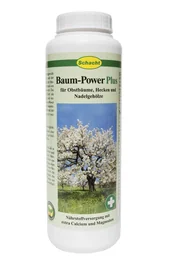
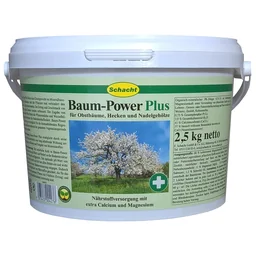

Arrange the plants on the balcony in their pots first. Experiment with the layout until the composition feels right. Then it is time to plant: add a drainage layer, fill with compost, plant and water in.
Additional advice
Do not buy all your plants at once. Start with the valuable structural plants and a few filler plants. You can fill the gaps later with inexpensive seasonal flowers or your own propagated seedlings. This helps protect your budget and gives the garden time to grow.
How do I care for my balcony garden according to plan?
A good planting plan takes the maintenance required into account. Automate whatever you can. A drip irrigation system from the garden hose and accessories range saves time and water.
Fertilise regularly but sparingly. Balcony plants in a limited volume of soil quickly use up nutrients. Liquid fertiliser added to the watering can or slow-release fertiliser sticks provide a continuous supply of nutrients. Pay attention to the needs of each individual plant.
Remove faded flowers consistently. This deadheading encourages new blooms to form. Check your plants weekly for pests such as aphids. You will find suitable products in the plant protection range from specialist retailers.
Protect sensitive plants and your furniture. A garden furniture cover or a protective cover sheet helps prevent weather damage.
How do I design my balcony garden for each season?
A dynamic planting plan includes seasonal changes. In spring, plant bulbs such as tulips in pots, along with frost-hardy perennials such as Bellis. From May onwards, add classic summer flowers.
In autumn, replace faded summer plants with autumn chrysanthemums, heather or ornamental cabbage. Grasses with their delicate blades add movement.
Winter does not have to mean a bare display. Frost-hardy grasses covered in hoarfrost are a highlight. Evergreen shrubs such as dwarf pine or boxwood in containers provide structure. Decorate with fir branches, rose hips or frost-resistant lights.
In late autumn, empty all pots that are not frost-resistant. Clean and store the containers. Dispose of spent soil in a garden waste bag. This is the perfect time to revise and optimise your planting plan for the next season.
Your balcony garden starts with a drawing
A planting plan is not a rigid rulebook but a living guide. It gives your balcony planting direction and confidence. You invest money and time in plants that thrive under your specific conditions.
You avoid the frustration of unsuitable purchases. You create a harmonious overall look that accompanies you through every season. Take a sheet of paper and a pen, and analyse your little garden in the air. The first step towards a green paradise is complete.
Frequently Asked Questions
- Which plants are suitable for a sunny south-facing balcony?
- Mediterranean herbs such as rosemary, thyme and lavender are ideal for full sun. Flowering plants such as petunias, pelargoniums, marigolds and verbena can tolerate the heat. Succulents such as houseleeks and stonecrops need little water. Choose heat-resistant varieties and sufficiently large containers, as the soil dries out more quickly.
- How often do I need to water my balcony garden?
- The watering schedule depends on the weather, container size and plants. On hot summer days, balcony plants in small pots often need water every day, preferably in the morning or evening. Check with your finger whether the top two centimetres of soil are dry. An automatic irrigation system or specialist garden irrigation makes maintenance easier.
- Can I grow vegetables on my balcony?
- Yes, many types of vegetables thrive in containers. Space-saving varieties such as tomatoes, peppers, radishes, lettuce and bush beans are ideal. Make use of vertical space with supports for cucumbers or climbing beans. Choose deep containers, nutrient-rich soil and a sunny location. Start with easy-care varieties such as cut-and-come-again lettuce.
- How much does it cost to set up a balcony garden?
- Costs vary considerably. The biggest investments are sturdy planters, high-quality soil and perennial plants such as shrubs. You can save money by growing your own seedlings, upcycling containers or dividing plants. Budget a few hundred euros for basic equipment such as containers, soil, plants and tools. A well-planned planting scheme helps you get started within your budget.
- How should balcony plants be overwintered?
- Move non-hardy plants such as olive trees and fuchsias to a bright, frost-free location. Hardy perennials and shrubs in containers need protection: place the pots on wood, wrap them in bubble wrap or horticultural fleece and protect the soil with leaves. Water occasionally on frost-free days to prevent the plants from drying out.
You may also be interested in
- Create a Vegetable Garden Planting Plan: A System for Growing Vegetables
- Planting Plan & Sowing Calendar: Your Route to a Bountiful Harvest
- Spring Planting for Your Balcony & Garden in a Basket: Here's How
- The Best Plants for Your Window Box
- Balcony Planting: Summer Flowers for Sun and Shade
- How Do I Plan and Design My Dream Garden Step by Step?