
In brief: A 1,5 Ah 18V battery is ideal for light to medium-duty tasks where easy handling and low weight matter more than maximum runtime. Great uses include cordless screwdrivers, lights, lawn edgers and small hedge trimmers for quick repairs, assembly jobs and precise yard work.
You have an 18V battery with a capacity of 1,5 amp-hours (Ah) and are wondering which tools you can use it with most effectively? The answer is simple: quite a few. This compact battery is no slouch; it excels at jobs where easy handling, precision and low weight matter. It’s a great partner for quick jobs in the workshop, around the home and in the yard.
Forget the idea that only large batteries can handle real work. The right battery and tool combination is what counts. With a 1,5 Ah battery, you can tackle plenty of projects without tiring yourself out with a heavy power pack. Read on to find out how to get the most from your battery.
A reliable battery is the foundation of cordless freedom. The 18 Volt Li-Ion Battery 1,5 Ah delivers just that: proven lithium-ion technology with no memory effect, dependable 18 Volt output for demanding jobs and enough capacity for most everyday tasks. It’s a lightweight, flexible way to get started with cordless tools.
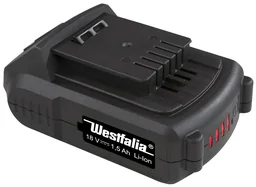
Table of contents
- What are the best uses for a 1,5 Ah 18V battery?
- Which power tools work best with a 1,5 Ah battery?
- How can you get the most from a 1,5 Ah battery in the yard?
- How should you care for your Li-ion battery?
- When should you upgrade to a battery with more amp-hours?
What are the best uses for a 1,5 Ah 18V battery?
The “1,5 Ah” rating describes the battery’s capacity, or how long it can supply power. A 1,5 amp-hour battery can deliver a current of 1,5 amps for one hour. In practice, it offers a good balance of runtime and weight. Its biggest advantage is its compact size.
A lighter tool puts less strain on your arms, especially during overhead work such as installing ceiling panels or trimming high branches. You get greater precision and control. A 1,5 Ah battery is ideal for short, intensive jobs or tasks with frequent breaks. Assembling a shelf, hanging pictures or cutting a few lengths of trim are all jobs you can finish quickly without needing hours of continuous power.
A lightweight battery can turn a good tool into a great one. It noticeably improves the tool’s balance, which can make a real difference to accuracy during delicate screwdriving or sawing work.
Which power tools work best with a 1,5 Ah battery?
There are plenty of suitable power tools. The key is how they use their power. Tools that don’t run continuously at full load benefit most from this lightweight battery.
Cordless screwdrivers and drill drivers: precision and control
A cordless screwdriver is a natural match for a 1,5 Ah battery. When assembling furniture, installing lights or driving screws into wood, you often work in short bursts. The battery’s low weight makes the tool easier to guide precisely. You can position screws accurately without a heavy battery pulling the tool down.
The battery also has enough power for drilling in wood, metal or plastic, and for a few holes in a brick wall. If you need to drill lots of holes in hard concrete, though, you may want a longer runtime.
Pro tip
Keep a second, charged 1,5 Ah battery ready. While you work with one, the other can charge. That way, you can keep working with minimal interruptions as the batteries take turns charging. It can be more efficient than relying on a single, heavy battery.
Cordless lights and work lights: bright light wherever you need it
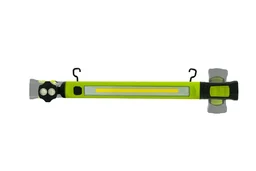
A cordless light is an often-overlooked but extremely useful tool. Modern LED technology uses very little power, so a 1,5 Ah battery can run a light for hours. It’s ideal for working in a dark basement or attic, or during a power outage. You can light up your work area without tripping over a cord.
The 10 Watt Multi-Position Cordless Light is a great example. It provides bright, clear light at 1000 Lumen and can be positioned in different ways. With a lightweight 1,5 Ah battery, it stays portable and is ready to use wherever you need it.

Sanding and polishing tools for detail work
A compact battery is ideal for detail sanders, multi-tools or small random orbital sanders used for precision work. Use them to sand window frames, smooth cut edges or polish smaller surfaces. These jobs call for a delicate touch and good control. A lightweight battery makes the tool easier to handle and helps prevent you from applying too much pressure.
How can you get the most out of your 1.5 Ah battery in the yard?
The 1.5 Ah battery also shines outdoors. Many garden tools are designed for quick, precise maintenance tasks and don’t need to run for hours.
Lawn edgers and grass shears
The lawn is mowed, but the edges around flower beds and paths look untidy? That’s the perfect job for cordless grass shears or an edger with a 1.5 Ah battery. These tools are lightweight and easy to maneuver. You can guide them precisely along the lawn edge and finish the job in just a few minutes. The battery provides more than enough runtime for an average-sized yard.
Cordless garden tools are changing the way we handle yard maintenance. You’re more likely to grab a lightweight cordless hedge trimmer for a quick trim than haul a heavy corded machine out of the shed. That makes it easier to keep up with regular maintenance.
Small hedge trimmers and shrub shears
A 1.5 Ah battery isn’t the best choice for drastically cutting back a huge hedge each year. But for regularly shaping boxwood, ornamental shrubs or smaller sections of hedge, it’s hard to beat. You can move the lightweight hedge trimmer effortlessly and make precise cuts. The job is done quickly, and the battery easily lasts long enough.

Leaf blowers for smaller areas
Need to clear leaves from the patio, balcony or driveway? A small cordless leaf blower with a 1.5 Ah battery is ideal. It’s ready to use in seconds and gets the job done in just a few minutes. The runtime is too short for clearing large lawns, but it’s perfect for quick jobs around the house.
Important note
Avoid fully discharging your battery. Modern lithium-ion batteries have built-in protection, but repeatedly running them until they shut off can shorten their service life. Recharge the battery when you notice a significant drop in performance.
What should you consider when caring for your lithium-ion battery?
A battery is a consumable item, but with proper care, you can extend its service life and maintain its performance. This applies to all your power tools that run on batteries.
Proper storage
Store your batteries in a cool, dry place. Extreme heat in summer or freezing temperatures in winter can damage the battery cells. Remove the battery from the tool after use and store it separately. For long-term storage, such as over the winter, a charge level of around 40 to 60 percent is ideal.
Charging cycles and service life
A charging cycle means using the battery’s full capacity and then recharging it. Lithium-ion batteries don’t suffer from a memory effect, so you can recharge them at any time. Fully recharging the battery after brief use won’t harm it. Partial charging, such as topping it up when the battery is halfway charged, is actually gentler than repeatedly discharging it completely.
Cleaning and contacts
Keep the contacts on the battery and tool clean and dry. Dust or moisture can cause connection problems or even short circuits. Wipe the contacts occasionally with a dry cloth.
Additional advice
Only use the charger intended for your battery system. Chargers from other manufacturers or systems may use a different charging voltage or charging process and can permanently damage your battery.
When is it worth upgrading to a battery with more amp-hours?
The 1.5 Ah battery is a great all-around option, but more capacity makes sense for some jobs. If you’re planning a large project or using power-hungry tools, a battery with more amp-hours is the better choice.
Think of tools that draw a lot of power for extended periods. These include angle grinders, circular saws and large lawn mowers. For this type of power tool and larger equipment, you need the longer runtime of a 2.5 Ah, 4.0 Ah or even larger battery. You can work longer without interruption, and the tool can deliver its full performance.
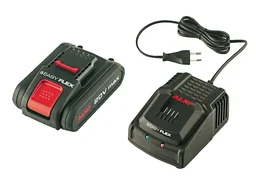
A set such as the "EasyFlex" value pack with 2.5 Ah battery and charger is a smart addition. You get longer runtime and a compatible charger. That gives you flexibility: use the lightweight 1.5 Ah battery for quick jobs and the more powerful 2.5 Ah battery for demanding tasks.
Frequently asked questions
- Which tools aren’t suitable for a 1.5 Ah battery?
- A 1.5 Ah battery quickly reaches its limits with power-hungry tools such as large angle grinders, circular saws or lawn mowers. For extended use and demanding jobs, choose a battery with 4.0 Ah or more for sufficient runtime and performance.
- Can I use a 1.5 Ah battery with a tool from another brand?
- No. Batteries and chargers are generally brand-specific and aren’t compatible across manufacturers. Using the wrong battery can damage the tool or the battery. Stick with one manufacturer’s battery system for safety and optimal performance.
- How long does it take to charge a 1.5 Ah 18V battery?
- Charging time depends on the charger. With a standard charger, it often takes 60 to 90 minutes. Fast chargers can reduce charging time to around 30 to 45 minutes. Always follow the manufacturer’s instructions for your specific charger.
- Does a lithium-ion battery lose performance when it’s half charged?
- No. Lithium-ion batteries don’t suffer from a memory effect. Unlike older battery technologies, you can recharge them at any time without reducing their capacity. They deliver nearly full performance until they’re discharged.
- What’s the best way to store my 1.5 Ah battery over the winter?
- Store the battery separately from the tool in a cool, dry, frost-free place, ideally at 10-15°C. A charge level of around 40-60% is best for long-term storage. Avoid extreme temperatures and direct sunlight to maximize its service life.
You may also be interested in
- One battery, countless projects: Get the most out of your 18V battery
- 18V battery buying guide: How to find the right lithium-ion battery
- Battery not charging? How to fix 18V lithium-ion battery problems yourself
- Volts and amp-hours: What your 18V 2.0Ah battery can really do
- Power tools compared: Find your ideal tool
- Buy a charger for 18V batteries: The ultimate guide