
In brief: The wide range of cucumber varieties can be divided into two main groups: English cucumbers for the greenhouse and outdoor cucumbers for beds or containers. The deciding factor is space. English cucumbers climb high and need supports, while bushy outdoor varieties such as 'Bush Champion' grow compactly. For cool regions, choose robust varieties such as 'Vorgebirgstrauben'. Harvest snack cucumbers young, while pickling cucumbers can be left to mature.
Discover Cucumber Varieties for Your Vegetable Garden
Cucumbers are more than just green salad ingredients. The world of cucumber varieties includes English cucumbers, robust outdoor types, crunchy snack cucumbers and flavorful pickling cucumbers. Your choice determines how successful your vegetable garden will be.
Choose a variety suited to your location. Do you have a greenhouse, a sunny bed or just a large container? Each variety has specific requirements for space, warmth and care. We show you the differences.
How are cucumber varieties classified?
The first distinction concerns where they are grown. English cucumbers, also called slicing cucumbers, need the protected, warm climate of a greenhouse. They are long, smooth-skinned and very productive.
Outdoor cucumbers are more robust. They tolerate cooler nights and often develop firmer, sometimes prickly skins. This group includes pickling cucumbers, cooking cucumbers and many compact snack varieties.
The second classification is based on how they are used: slicing cucumbers for eating raw, pickling cucumbers for preserving and cooking cucumbers for cooked dishes.
Choosing the right variety is the first step to cucumber-growing success. An outdoor variety will not perform better in a greenhouse, while an English cucumber often struggles outdoors in our temperatures.
English cucumbers for greenhouses and raised beds
English cucumbers such as 'Cum Laude' or 'Dominica' are parthenocarpic. They produce fruit without pollination. This is ideal in a greenhouse. Do not plant them next to outdoor varieties, as pollination can lead to bitter, misshapen fruit.
They can climb several meters high. Plan for sturdy climbing supports. A trellis from our garden supplies range provides support. Harvesting begins in midsummer and continues until the first frost.
Expert tip
With English cucumbers, prune the first side shoots after the second leaf. This directs the young plant's energy into the main stem. Later, you can leave side shoots in place to increase the yield.
Robust outdoor cucumbers
Outdoor cucumbers need sun and protection from the wind. Good varieties include 'Vorgebirgstrauben' (open-pollinated, high-yielding) and 'Bush Champion' (bushy, suitable for containers). They are pollinated by bees. Their fruit is shorter and often warty.
They are the better choice for beginners or gardens without a greenhouse. They are more resistant to temperature fluctuations. Covering them with horticultural fleece provides protection on cool nights.
Which variety is right for my garden?
Answer three questions: How much space do I have? What is my climate like? What do I want to harvest?
For small gardens or balconies, choose bushy varieties. 'Picolino' and 'Bush Champion' grow compactly. They do not need a meter-high climbing tower. A large container filled with good soil is enough.
In cool, rainy regions, choose robust, early-maturing outdoor varieties. 'Vorgebirgstrauben' and 'Helena' can withstand less favorable weather. A warm, sheltered spot in front of a south-facing wall is helpful.
Would you like to pickle cucumbers? Plant special pickling varieties such as 'Excelsior' or 'Charlotte'. They stay small and have the perfect shape for jars. For a daily snack, refreshing varieties such as 'Iznik' and 'Printo' are ideal.
Important note
Choose your seeds or young plants carefully. F1 hybrid varieties, including many modern English cucumbers, are high-yielding and resistant, but their seeds cannot be saved for growing true to type. For your own seed, you need open-pollinated varieties.
How do you grow cucumbers from sowing to harvest?
Cucumbers need warmth. Start them indoors on a windowsill no earlier than mid-April. Use pots, as cucumbers do not tolerate transplanting well. Place the seeds shallowly in seed-starting compost.
Move the plants outdoors after the last frost. Acclimatize them slowly to the sun. The soil should be loose, rich in humus and warm. Work compost into the soil before planting. A layer of mulch helps retain moisture.
Cucumbers have shallow roots. Hoe carefully. Mulching with straw or grass clippings is better. It protects the roots, suppresses weeds and keeps the soil moist.
The most common mistake is drought stress followed by overwatering. Cucumbers need consistent moisture. Irregular watering leads to bitter fruit and encourages wilt disease.
The right care in summer
Water regularly and thoroughly. Morning is the best time. Water directly onto the soil, not over the leaves. Wet leaves encourage powdery mildew. A watering system with a drip hose is ideal.
Feed the plants regularly. Cucumbers are heavy feeders. Add liquid vegetable fertilizer to the watering water every two weeks. Organic fertilizer such as nettle feed supplies nutrients.
Check the plants regularly for pests such as aphids and whiteflies. Yellow sticky traps help monitor pests in the greenhouse. If powdery mildew appears, remove affected leaves immediately.
Additional advice
Never plant cucumbers in the same spot for several years in a row. This increases the risk of soil-borne diseases. Good preceding crops include legumes such as beans and peas; poor choices include other cucurbits such as zucchini.
How do I harvest and store cucumbers correctly?
Harvest slicing and snack cucumbers while they are young. That is when they are juiciest, and the plants will produce for longer. Cut the fruit off with a knife rather than tearing it away. Otherwise, you may damage the climbing stems.
Harvest pickling cucumbers at the desired stage. For cornichons, pick them very small. For dill pickles, let them grow longer. The larger they become, the firmer the flesh.
Freshly harvested cucumbers are best stored in the refrigerator. They keep for about a week. Do not wrap them in plastic. A slightly damp cloth is better. Cucumbers are sensitive to cold, so do not store them below 8 degrees.
Preventing and treating diseases
Powdery mildew and downy mildew are the biggest problems. Powdery mildew appears as white patches on the leaves, while downy mildew causes yellow patches on the upper surface with gray fungal growth underneath.
Prevention is everything: provide enough space between plants for good air circulation, water in the morning and choose resistant varieties. If plants are infected, remove diseased leaves. In severe cases, approved fungicides from a specialist retailer can help.
Cucumber wilt, caused by fungi in the soil, can make entire plants wilt suddenly. The only solution is prevention through crop rotation and resistant varieties. Remove infected plants completely, including the root ball.
Practical Helpers for Growing Cucumbers
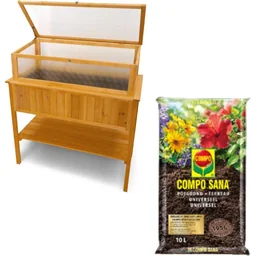
The right equipment makes the work easier. Products such as are useful for growing seedlings. A sturdy trellis from the garden equipment range is essential for long cucumbers.
A greenhouse extends the growing season and protects plants from rain. offers a space-saving solution at table height. For watering, use a suitable garden hose or drip irrigation to maintain even moisture.
After harvesting, the cucumbers need to be processed. For storing preserving jars or decorating the summerhouse,
offers an attractive seat with a matching design.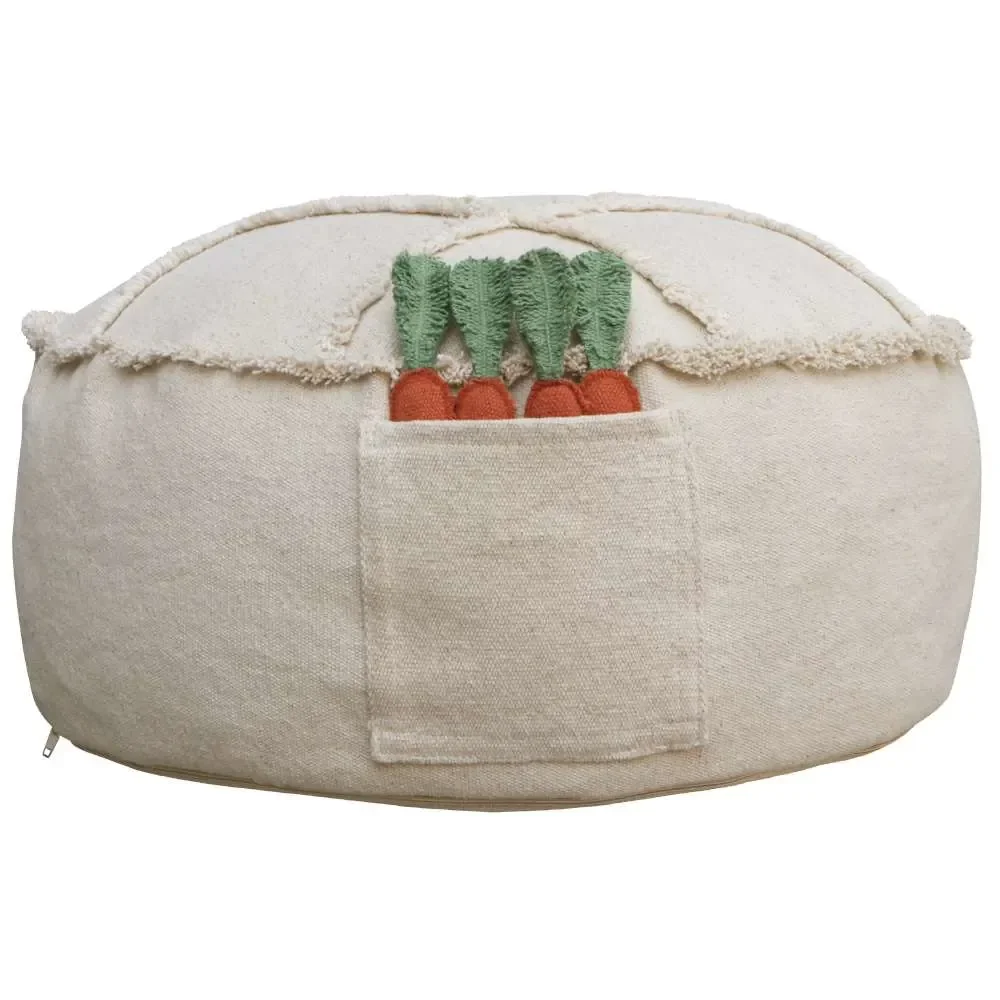
Discover the variety. With the right variety and simple care, you can harvest crisp home-grown cucumbers all summer long.
Frequently Asked Questions
- Which cucumber variety is best for a small balcony?
- For a balcony, choose compact, bushy outdoor varieties. 'Bush Champion' or 'Picolino' grow well in large containers. They produce few runners and do not need tall trellises. A sunny, sheltered spot and regular watering are essential. Harvest the fruits when they are young to encourage the plant to produce more.
- Why are my cucumbers bitter?
- Bitter compounds in cucumbers are often caused by stress. Irregular watering, major temperature fluctuations or damage to the roots while hoeing can be responsible. Water regularly and mulch the soil. Do not harvest the fruits during very hot weather. Modern varieties such as 'Cum Laude' or 'Dominica' are largely bitter-free.
- Can I collect cucumber seeds from my own fruit?
- Yes, but with some limitations. Seeds from F1 hybrids produce inconsistent plants in the next generation. Only use seeds from open-pollinated varieties such as 'Vorgebirgstrauben'. Allow a healthy fruit to ripen fully and turn yellow. Remove the seeds, ferment them briefly and dry them thoroughly before storing them in a cool, dark place.
- How often do I need to water cucumbers in a greenhouse?
- Cucumbers in a greenhouse need plenty of water. On hot days, water daily, preferably in the morning and directly at the roots. Avoid waterlogging. High humidity in the greenhouse encourages fungal diseases, so ventilate regularly. A layer of straw mulch keeps the soil moist and protects the shallow roots.
- What is the difference between pickling cucumbers and cooking cucumbers?
- Pickling cucumbers are small, firm and prickly. They have firm flesh and are ideal for preserving because of their size. Cooking cucumbers are larger, have thicker, often yellowish skin and are usually peeled and cooked, for example in stews. Both types are less suitable for eating raw than salad or snack cucumbers.
You may also be interested in
- Planting and caring for cucumbers: Tips for a plentiful harvest
- Identifying and treating cucumber diseases: How to keep cucumbers healthy
- Tomato varieties for growing: The best choice for your garden
- How to choose and sow vegetable seeds correctly
- Potato varieties: The best choices for your home garden
- Growing cucurbits: From courgettes to melons