
In brief: Dormice are protected and must not be killed. To deter them humanely, first identify their entry points. Then drive the animals away with scents such as peppermint oil or by making noise. Finally, seal all potential entrances thoroughly with metal mesh to prevent them from returning.
A thump in the attic in the middle of the night. A faint scratching sound inside the wall. If you hear noises like these, you may have new housemates. Often, they are dormice. These small rodents with large eyes and bushy tails may look cute, but they can cause significant problems in your home.
Before you resort to drastic measures, however, be aware that edible dormice (Glis glis) are specially protected in Germany. The Federal Nature Conservation Act prohibits catching, injuring or killing them. The focus must therefore be on humane, animal-friendly deterrence. This guide explains how to get rid of these protected animals effectively and secure your home for the long term.
How Can You Tell If You Have a Dormouse Infestation?
Dormice are nocturnal. You will usually notice their presence only through the traces they leave behind or the noises they make while you are asleep. Accurate identification is the first step towards choosing the right strategy.
Typical Sounds and Signs
Look out for unmistakable signs. Noises from the roof structure, ceiling void or walls at night are often the first clue. You may hear loud thumping, quick scurrying, scratching and gnawing. The animals sometimes also make squeaking or chirping sounds.
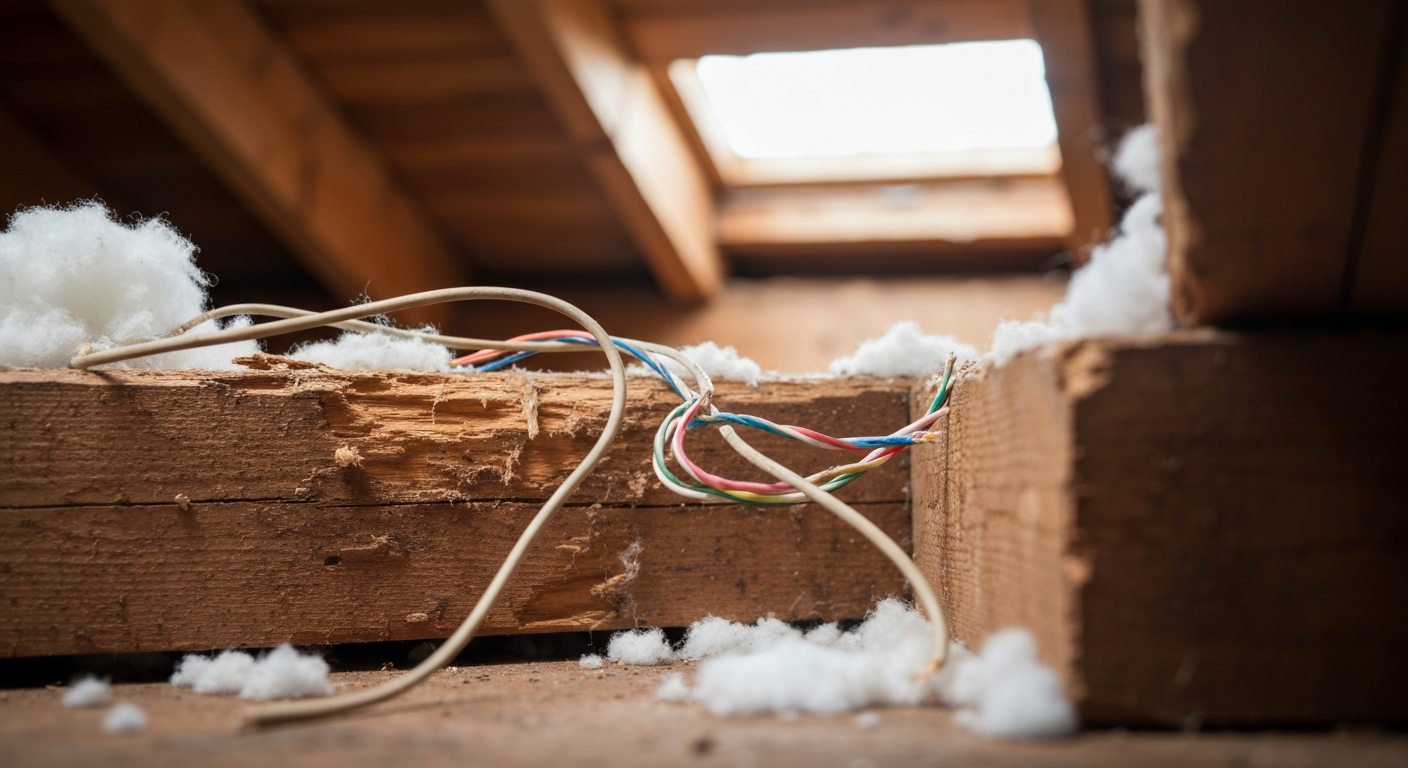
During the day, you can find the evidence. Look for droppings. Dormouse droppings are oval to sausage-shaped and, at 1-2 cm long, significantly larger than mouse droppings. You may also find gnawed beams, insulation or cables. Nests made from shredded insulation, leaves and moss in sheltered corners are a sure sign that a dormouse has established itself in your home.
Dormouse, Mouse or Marten?
Marten noises are usually louder and more aggressive, often accompanied by screams during territorial fights. Marten droppings are larger, twisted into a spiral and often contain feathers or bone fragments. Mice, on the other hand, are quieter, their scurrying is finer and their droppings are about the size of grains of rice. A dormouse's bushy tail is the clearest visual feature distinguishing it from rats or mice.
Additional advice
Combine different deterrent methods to increase their effectiveness. Use scents together with acoustic disturbances. The animals may get used to a single source of disturbance, but a combination of several stimuli makes it more likely that they will look for a new shelter.
Why Are Dormice in the House a Problem?
Although they look harmless, these small rodents can cause considerable damage over time. Their activities not only threaten the building structure but can also create a serious safety risk.
Damage to the Building Structure and Insulation
To build their nests, dormice tear apart insulation materials such as glass wool or polystyrene. This creates thermal bridges in your roof insulation, increasing your heating costs and potentially encouraging mould growth. Their sharp teeth also gnaw through wooden beams, plasterboard and sheeting, which can weaken the structure of the roof.
Danger from Gnawed Cables
The greatest danger comes from gnawed electrical cables. These rodents sharpen their teeth on anything in their way. Exposed live wires create an immediate fire hazard through short circuits. If parts of the house lose power or the lights flicker, call an electrician immediately and have the cables inspected.
Important note
The risk of an electrical fire is real. If you suspect that cables have been gnawed, switch off the corresponding circuit breaker and contact a qualified professional immediately. Do not attempt to work on the electrics yourself.
Noise and Hygiene Problems
The nighttime noise can seriously disrupt your sleep. The animals also leave behind urine and droppings, which not only smell unpleasant but can contaminate ceilings and walls. Although the transmission of diseases to humans is rare, the excrement still creates a hygiene problem.
Deterrent smells, such as those from incense sticks, can encourage the animals to move out.
How Can You Deter Dormice Humanely and Legally?
Because these animals are protected, poison bait and traps are off limits. The key to success is a two-stage strategy: deter them first, then keep them out. Act carefully and patiently.
Step 1: Find the Entry Points
Before you deter the animals, you need to know how they are getting into the house. At dusk, observe the exterior walls, roof and basement. Dormice are excellent climbers and need only a small gap of a few centimetres to get inside.
Typical weak points include:
- Shifted or loose roof tiles
- Holes in the facade or roof soffit
- Unprotected ventilation openings
- Gaps around roller shutter boxes
- Cracks in the masonry
- Openings for pipes and cables
Make a note of every potential entrance you find. You will need to seal them carefully later.
Step 2: Use Gentle Deterrent Methods
Make the animals as uncomfortable as possible so that they leave voluntarily. Start using these methods before the animals go into hibernation.
Home Remedies and Scents as Deterrents
The rodents' keen sense of smell is your best weapon. Place strongly scented substances near their nests and along their routes. Suitable options include:
- Peppermint oil or tea tree oil: Soak cotton balls or cloths in the oil and distribute them around the attic.
- Vinegar or ammonia: Place open bowls in the area or use soaked cloths. The pungent smell is very unpleasant for the animals.
- Cayenne pepper or chilli powder: Sprinkle it along the animals' routes.
Refresh the scent sources every few days so that their effect does not wear off.
Pro tip
To check whether the dormice have left, sprinkle some flour in front of the known entrances. Wait for a few nights. If you no longer see fresh tracks in the flour, the animals have probably gone. Only then should you permanently seal the openings.
Acoustic and Visual Disturbances
Dormice love peace and darkness. Disrupt this environment deliberately. An old radio left playing in the attic during the day can work wonders. Ultrasonic devices that emit sounds at a frequency inaudible to humans but highly disturbing to rodents are another option. Bright lights or flashing LED light chains activated by a motion sensor can also drive away these light-shy animals.
How can you prevent the dormice from coming back?
Getting rid of them is only half the battle. Prevention is the most important step. You will only have lasting peace of mind if you seal the house completely. Thorough pest control as a preventive measure is essential.
Seal all entry points completely
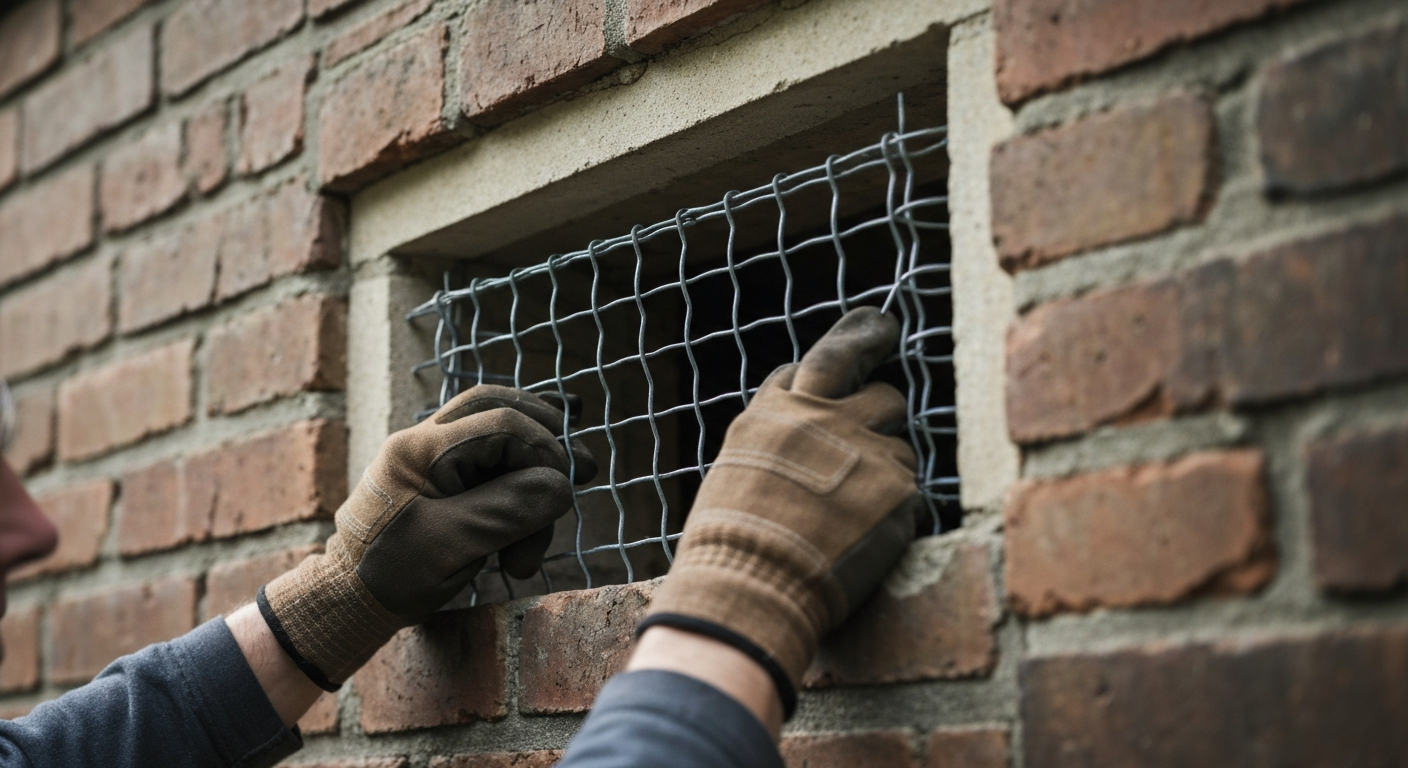
As soon as you are sure the animals have left, you need to act. Seal all previously identified holes and gaps. Use materials that can withstand gnawing. Expanding foam is unsuitable because rodents can simply gnaw their way through it.
Better options include:
- Fine-mesh wire or perforated metal sheeting: Ideal for ventilation openings or larger gaps.
- Mortar or filler: For cracks in masonry.
- Metal strips: For sealing gaps around wooden beams.
Also check the house drainage pipe system; open pipes can also serve as an entry point. With a flexible brush like the
cleaning brush, you can remove dirt and nesting material from pipes and hard-to-reach gaps before sealing them. Use sturdy mesh from the greenhouse film & mesh range to securely block openings.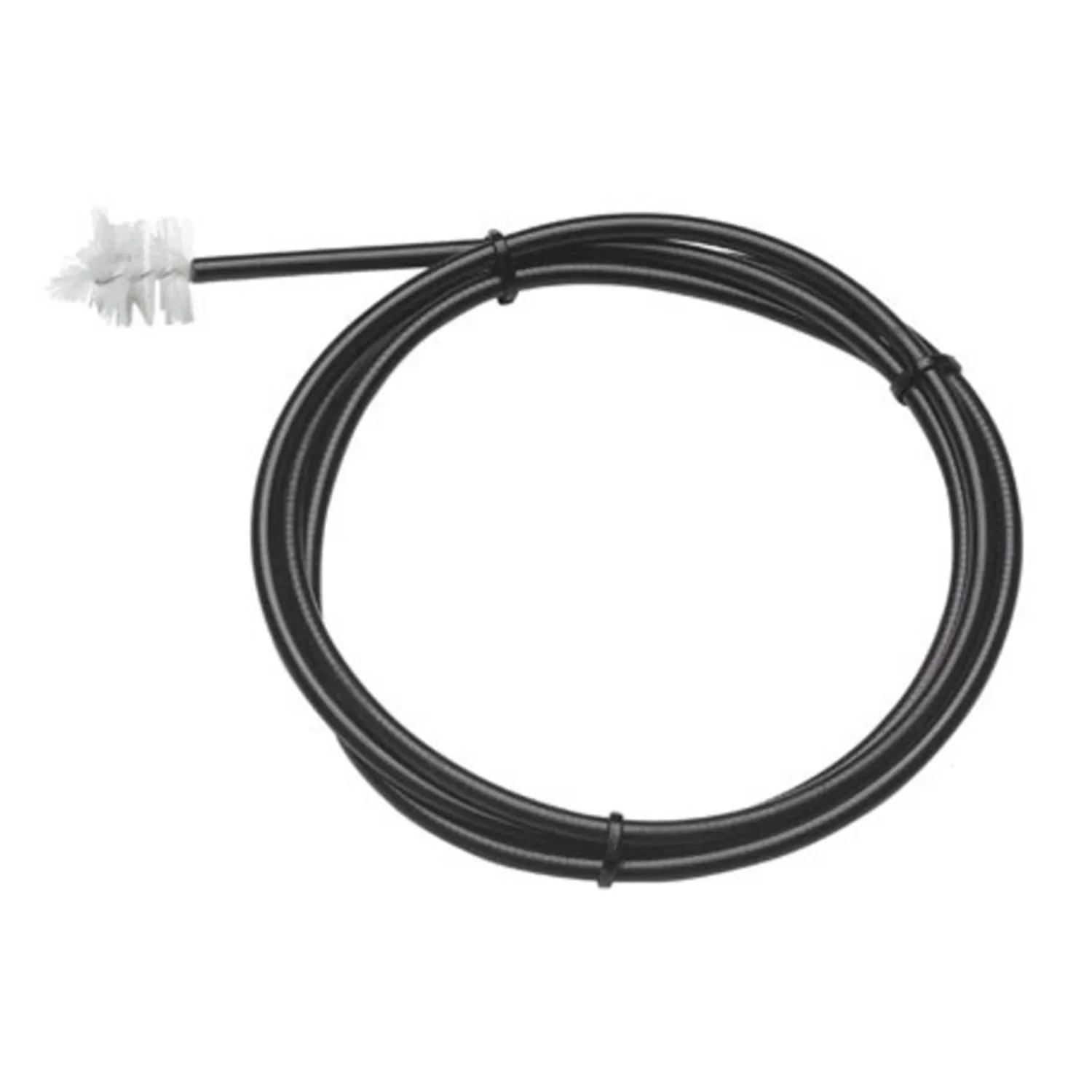
Remove food sources from the garden
A garden full of food attracts animals. Make your property less appealing. Regularly collect fallen fruit. Store rubbish in tightly sealed bins. Secure your compost heap and do not feed pets outdoors. Uncovered bird food can also attract dormice.
Remove climbing aids around the house
Dormice use climbing plants on façades and nearby trees as a motorway to the roof. Cut back branches that touch the house generously, leaving at least 2 meters of clearance. Remove ivy or Virginia creeper from the walls, or protect the upper areas with smooth metal collars that give the animals no foothold.
The most sustainable solution is always to secure the building. The problem is only permanently solved when dormice can no longer find a way into the house.
What should you do if nothing helps? Professional assistance
Sometimes the animals are persistent, or the house is too difficult to inspect to find every entrance. If your efforts are unsuccessful, it is time to call in a professional. Contact a pest controller who has experience with protected species and offers humane deterrence.
A professional can assess the situation accurately, identify access points safely, and has the permits and knowledge needed to relocate the animals legally and gently. After successfully driving them out, thorough cleaning is important to remove scent trails that could attract other animals. Products such as
Aparasit pest control spray can help disinfect affected areas and make them less appealing to new rodents.
Frequently asked questions
- Are dormice dangerous?
- Dormice are generally not directly dangerous to people. They are shy and avoid contact. However, their droppings and the damage they cause can pose a risk, particularly when they gnaw through electrical cables, which can lead to short circuits and fires.
- When is the best time to get rid of dormice?
- The best time is in late summer or early autumn, after the young have been raised and before hibernation begins (roughly from September to May). Do not drive the animals away during the breeding season in summer, as this could separate the young from their mother.
- Which smells do dormice dislike?
- Dormice have a highly sensitive sense of smell. They avoid strong scents such as peppermint oil, vinegar, chilli powder or the smell of mothballs. Cloths soaked in ammonia or perfume can also help drive the animals out of their hiding place.
- Can I catch a dormouse and release it elsewhere?
- No. Dormice are protected under the Federal Nature Conservation Act. Catching, injuring or killing them is prohibited and punishable by law. Relocating them yourself using live traps is also not permitted without authorisation.
- How much does professional dormouse removal cost?
- Costs vary greatly depending on the work involved, the region and the size of the property. Expect to pay from 200 Euro upwards for an initial assessment and simple measures. More complex cases involving extensive sealing work can cost several hundred to over a thousand Euro.
You might also be interested in
- House mice in the garden and home: Effective measures
- How to get rid of martens: Effective protection for your home and attic
- Setting up a rat trap: Effective methods for dealing with rodents in the home
- How to get rid of silverfish: Effective home remedies & tips
- How to get rid of ants in the home: Effective remedies for pests
- Moths in the home & garden: Effective control and prevention