
In brief: Edible wild plants are herbs, flowers and fruits that grow in nature and are safe to eat. Foraging adds unique flavors and valuable nutrients to your cooking. But you must be absolutely certain of a plant’s identity to avoid poisonous lookalikes and respect nature.
A culinary treasure grows just outside your front door, in parks and meadows. Edible wild plants are more than weeds. They’re free, nutrient-rich ingredients that bring exciting new flavors to your cooking. Explore the world of wild food and bring the aromas of woodlands and meadows straight to your plate.
Why forage for edible wild plants?
A trip to the grocery store is part of everyday life. Heading out into nature to gather food is an experience. You connect with the seasons, get some fresh air and find ingredients you can’t buy in a store.
Discover a whole new range of flavors
Forget familiar flavors. Ground elder tastes savory, with notes of parsley and carrot. Ribwort plantain leaves have an earthy, mushroom-like flavor. Elderflowers add floral sweetness to desserts. Every plant has its own character, making your dishes truly unique.
Nutrient-rich powerhouses
Wild plants grow in natural conditions and have to fend for themselves. As a result, they often develop higher concentrations of vitamins, minerals and other beneficial plant compounds than their cultivated relatives. A handful of nettles, for example, contains more vitamin C than an orange and is rich in iron.
A sustainable hobby
You harvest what nature provides in abundance. There’s no packaging waste, long-distance transportation or cost. Foraging for wild herbs is sustainability in action and helps you understand the ecological connections right outside your door.
Important note
Only gather plants you can identify with 100% certainty. Many edible plants have poisonous lookalikes. A good field guide or guided herb walk is essential when you’re starting out. If in doubt, leave the plant where it is.
The golden rule: What should you keep in mind when foraging?
Before setting out with a basket and knife, learn a few basic rules. Respect for nature comes first. You’re a guest in an ecosystem, so behave accordingly.
Choose the right location
Choose clean places to forage. Avoid roadsides beside busy roads, conventionally farmed fields where pesticides may be used, and popular dog-walking routes. Ideal spots include natural meadows, woodland clearings and your own wildlife-friendly garden.
Use the right equipment
You don’t need much to get started. A well-ventilated basket or cloth bag keeps your harvest from getting crushed or sweaty. A sharp knife or pair of scissors makes clean cuts without damaging the plant. Sturdy gloves are useful for prickly plants such as nettles.
Harvest responsibly
The so-called “handful rule” is a good guideline: never take more than you can hold between your thumb and index finger. Harvest only a small part of each plant so it can regenerate. Always leave enough for wildlife and other foragers, and never pick the last plant at a location.
Wild plants are a gift from nature. They nourish us and reconnect us with the rhythms of the earth.
Beginner-friendly wild herbs for every season
You can find wild food all year round, with seasonal specialties throughout the year. Here are some easy-to-identify plants to get you started.
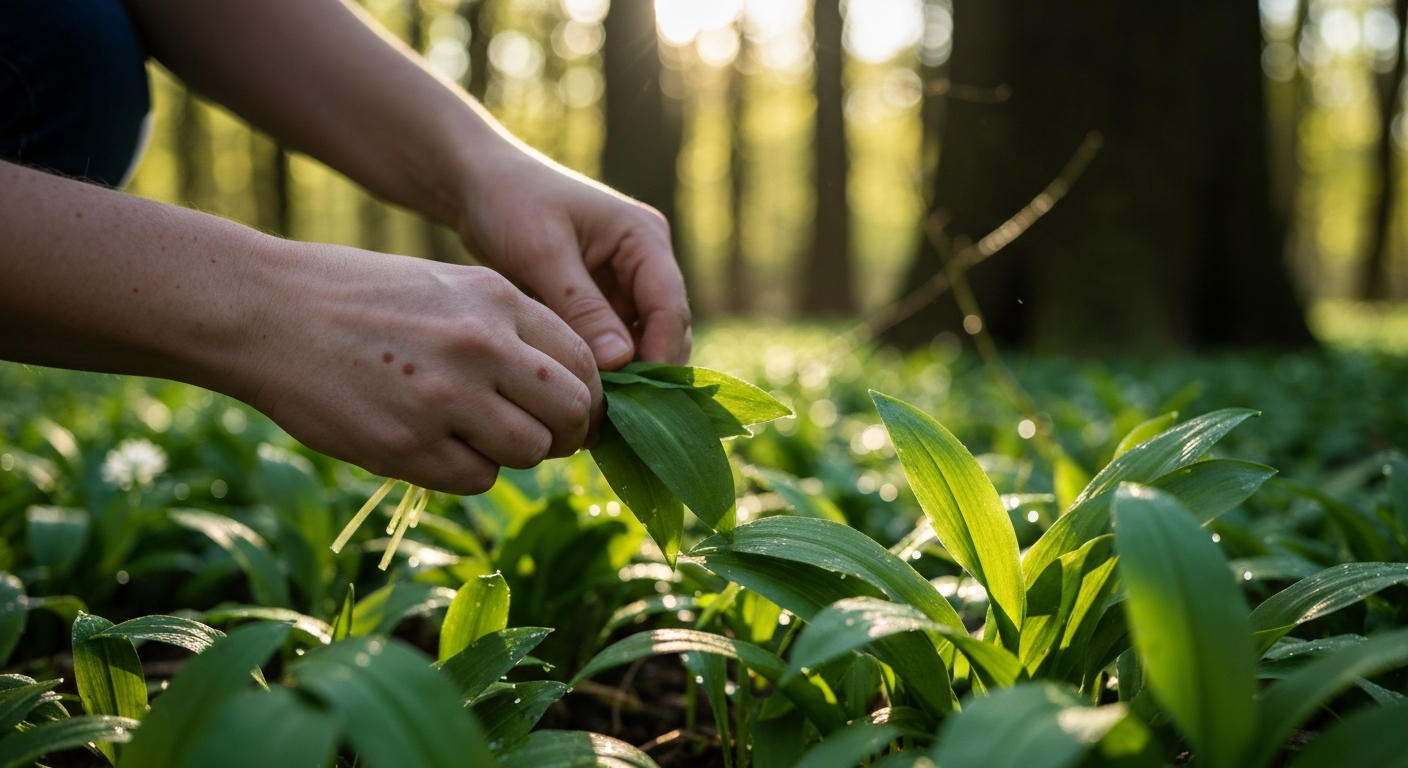
Spring: The season of new growth
- Wild garlic: A spring woodland favorite, easy to recognize by its strong garlic scent. Perfect for pesto, herb butter or soup.
- Ground elder: Feared by many gardeners and loved by those in the know. The young, bright green leaves taste like a mix of parsley and celery. Use them like spinach or add them to salads.
- Nettle: A true superfood. The young shoots are especially tender in spring. Brief blanching, cooking or puréeing takes away their sting. They’re ideal for soup, smoothies or as a spinach substitute.
- Dandelion: Every part is edible. The young leaves add a bitter, savory flavor to salads, the flowers make a honey-like syrup and the root can be roasted as a coffee substitute.
Expert tip
Wash foraged herbs thoroughly in cold water to remove soil and small insects. A salad spinner gently dries the leaves. Nettles lose their sting when you roll them firmly with a rolling pin, blanch them or purée them.
Summer: Abundance and flowers
Nature bursts into life in summer. It’s the season for flowers + mixes and juicy leaves.
- Ribwort plantain: Its young leaves have a mild, mushroom-like flavor and work well in salads, soups or herbed quark. You can briefly fry the flower buds in butter.
- Daisies: The small flowers have a slightly nutty flavor and make a pretty garnish for salads, soups and desserts. The leaves are edible, too.
- Elderflowers: The scent of early summer. Use the flower heads to make delicious syrup, or dip them in pancake batter and fry them.
Fall and winter: Roots and fruits
Even as nature’s abundance begins to fade, it continues to offer up its treasures.
- Rose hips: The fruits of the wild rose are packed with vitamin C. Use them to make purée, tea or liqueur.
- Sloes: After the first frost, the fruits lose some of their bitterness and are good for juice, jelly or gin.
- Chickweed: This delicate herb often grows all year, even beneath a light layer of snow. It has a mild flavor reminiscent of fresh sweet corn and adds freshness to winter salads.
How can you use wild plants in your cooking?
Wild plants are as versatile as they are varied. Get creative and experiment. Start by adding a handful of wild herbs to familiar dishes, then try something new.
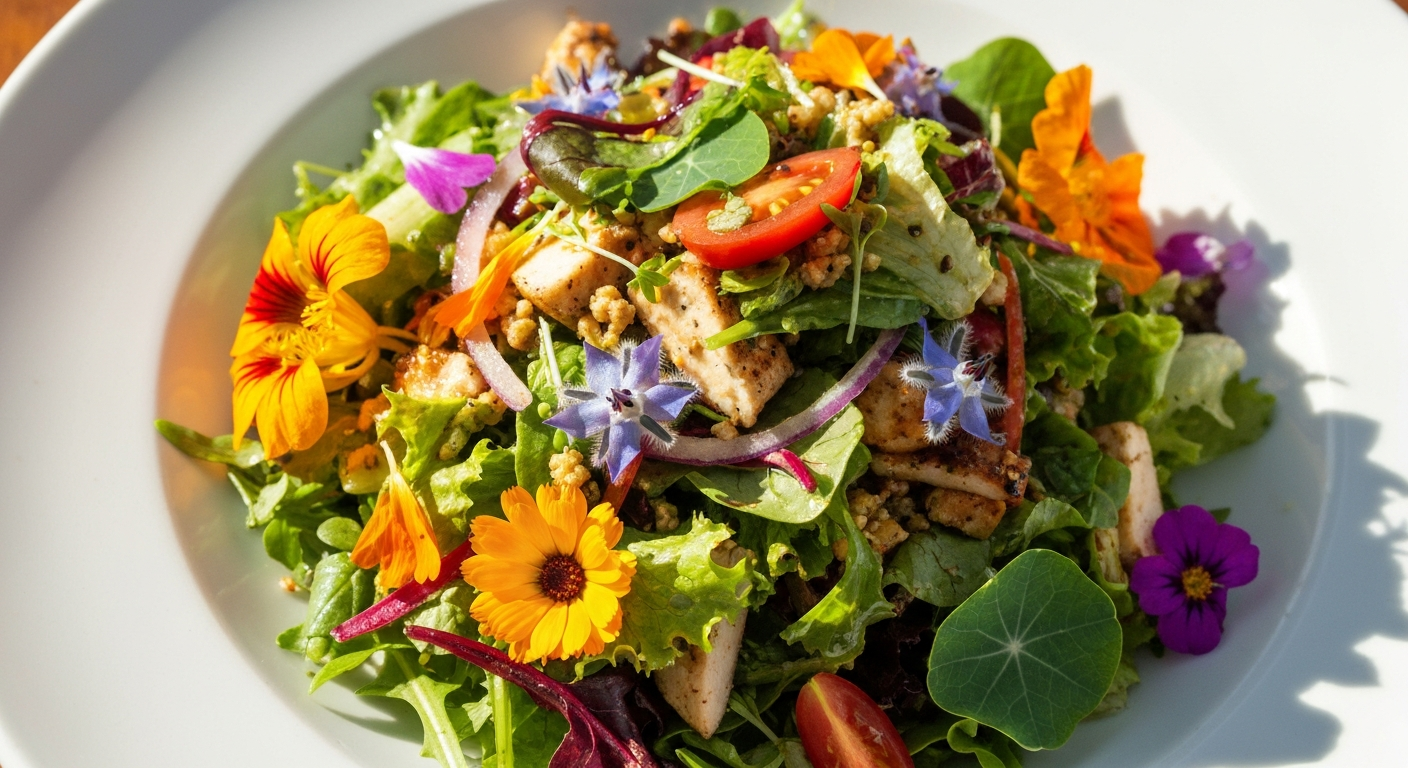
Fresh salads and pestos
This is the easiest way to enjoy wild herbs. Toss young dandelion, ground elder and chickweed leaves into a green salad. For a flavorful pesto, simply replace the basil with wild garlic, ground elder or a mix of different herbs.
Soups and green smoothies
A handful of nettles or ground elder in a smoothie adds a nutrient boost. Traditional nine-herb soup is a springtime custom that gives your body fresh energy after winter. You can turn almost any leafy herb into a creamy soup.
Additional advice
If you want to grow invasive plants such as ground elder or nettles in your garden, use a root barrier. This keeps the plants from spreading uncontrollably and gives you one convenient spot for harvesting.
Can You Grow Wild Plants in Your Own Garden?
Why not bring nature's treasures straight into your own garden? Many wild plants are easy to grow. That way, you always have a fresh supply and can be sure the plants are free from pollutants. You can deliberately sow flower seeds for edible blossoms or set aside shady corners for wild garlic and sweet woodruff.
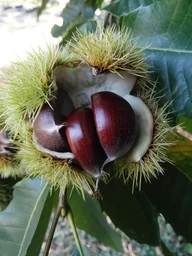
Think bigger, too. A tree in your garden can provide a bountiful harvest for decades. How about an edible chestnut? These trees are not only beautiful to look at, but also produce delicious chestnuts in the fall. Why not plant an edible chestnut "Bournette"
, a "Belle Epine" chestnut or the "Dor' de Lyon" variety and look forward to your own harvest. You can also find the right garden and plant accessories for planting in our shop.
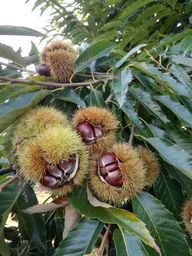
Edible Flowers: The Finishing Touch for Your Dishes
Edible flowers bring color and elegance to your plate. They are not just decorative, but also add flavor. Many flowers from your garden or a meadow are good to eat.
- Nasturtium: The flowers and leaves have a pleasantly spicy, peppery flavor.
- Borage: The bright blue flowers have a delicate cucumber flavor.
- Calendula: The petals give dishes a beautiful yellow color and have a slightly bitter taste.
- Violets: When crystallized, they are a classic decoration for desserts.
Eating flowers is a feast for the senses. They bring color, fragrance and an unexpected depth of flavor to the plate.
The world of edible wild plants is fascinating and endlessly diverse. Head outdoors with your eyes open and discover the culinary possibilities right in front of you. Start small, stay curious and bring the power of nature into your kitchen. In the Garden and Outdoor section, you will find useful helpers for your foraging trips and for growing plants in your own garden.
Frequently Asked Questions
- Which wild herbs are good for beginners?
- Easy-to-identify plants such as dandelion, nettle (harvested with gloves), daisies and ground elder are good choices for beginners. These herbs are widespread and have few poisonous lookalikes, making them safer and easier for newcomers to identify. Always start with small quantities.
- Where can’t I forage for wild plants?
- Avoid foraging in nature preserves, on private property without permission, beside busy roads or in areas where dogs are walked. Areas used for agriculture and potentially treated with pesticides are also off-limits. Choose clean, uncontaminated locations for harvesting.
- How can I identify wild garlic safely?
- The most reliable way to identify wild garlic is by its strong garlic smell, which develops when you rub a leaf between your fingers. Each leaf grows on its own individual stalk directly from the ground. Its poisonous lookalikes, lily of the valley and autumn crocus, do not smell like garlic.
- Can I grow wild herbs in my own garden?
- Yes, many wild herbs grow very well when cultivated. Wild garlic, sweet woodruff and wild rocket thrive in shady spots. This means you always have fresh herbs on hand and can control the growing conditions. The right garden and plant accessories make them easier to grow.
- What’s the best way to store foraged wild herbs?
- Wild herbs are best used fresh. For short-term storage, wrap the plants in a damp cloth and place them in the crisper drawer of your refrigerator. For longer-term storage, you can dry or freeze herbs, turn them into pesto or preserve them in oil to retain their flavor.
You Might Also Be Interested In
- Create Your Own Natural Medicine Cabinet: Medicinal Plants for Your Home
- Foraging for Wild Garlic: How to Identify and Use It Properly
- Weeds in the Garden: Identify, Understand and Control Them Naturally
- Identifying Weeds: How to Recognize Wild Plants in Your Garden
- Herbs in the Kitchen
- Identifying Plants: Recognize Garden and Wild Plants