
In brief: The right flooring depends on the room, level of use, moisture and maintenance requirements. Tiles are ideal for bathrooms, kitchens and hallways, laminate offers a durable look for living rooms and bedrooms, while parquet creates warmth and can be renovated. Also consider impact sound, the subfloor, your budget and your preferred interior style.
The choice of flooring affects comfort, maintenance, the look and feel of a room and the effort involved in renovation. Tiles, laminate, vinyl, parquet and cork differ considerably in their resistance to moisture, impact sound, wear and surface characteristics.
Good flooring ideas therefore start with how the room is used, not with the colour. First consider how much water, dirt, foot traffic and furniture weight the floor needs to withstand. Then choose the material, format and surface to suit your interior design.
How do you find the right flooring for every room?
A floor needs to suit your everyday life. In the entrance hall, it must cope with dirt and moisture; in the living room, it must support heavy furniture; and in the kitchen, it needs to withstand grease and splashes. A bedroom has different requirements from a busy hallway.
Compare flooring for your home using five criteria:
- Wear and tear: Look for resistance to abrasion and pressure, as well as suitability for castors or pets.
- Moisture: Kitchens, bathrooms and utility rooms need water-resistant surfaces and secure edge connections.
- Warmth and sound: Wood, cork and vinyl feel warmer than stoneware and dampen footsteps more effectively.
- Maintenance: Smooth, sealed surfaces are quick to clean. Oiled wood needs a suitable maintenance routine.
- Renovation: Depending on the material thickness, engineered parquet and solid wood floorboards can be sanded down. Many click-lock floors are easier to replace if damaged.
What level of wear must the floor withstand?
In a hallway, resistance to sand and outdoor dirt is essential. Choose a durable surface and plan for a large doormat. Dark, highly glossy floors often show dust and minor scratches more quickly than textured, matt designs.
In the living room, the furniture determines the level of wear. Heavy cabinets need a pressure-resistant subfloor, while castors put concentrated pressure on the floor. Use suitable castors and felt pads with delicate surfaces.
How important are moisture and maintenance?
Water affects many materials. Laminate swells at open joints, wood reacts to permanently humid air and natural stone can absorb stains. Tiles resist moisture, but they still require proper waterproofing, suitable grout and secure transitions.
Cleaning also affects the floor's service life. Do not use aggressive cleaning products on oiled wood and avoid standing water on laminate. Read the manufacturer's care instructions before using a new product over the entire surface.
Pro tip
Order or buy a sample of your preferred flooring. Place it in the room in both daylight and artificial light, and check it alongside your furniture, skirting boards and wall colours. A sample shows the texture, sheen and colour effect more reliably than a screen.
Which flooring is suitable for kitchens, bathrooms, hallways and living spaces?
Every type of flooring has a particular strength. Tiles perform well against water and dirt, laminate offers a wide variety of designs, and vinyl provides comfort and easy cleaning. Parquet and cork add natural warmth but require more specialised care.
When are tiles suitable for the home?
Porcelain stoneware and ceramic tiles are suitable for kitchens, bathrooms, hallways and entrance areas. They absorb very little water, withstand heavy use and are easy to clean. In the bathroom, choose a surface with suitable slip resistance and carefully plan the waterproofing beneath the flooring.
Tiles feel cool and hard, especially in rooms without underfloor heating. Underfloor heating improves comfort but changes the requirements for adhesive, screed and grout. Large formats reduce the number of visible joints but require a particularly level subfloor.
When laying tiles, planning determines the result. Dry-lay the tiles before applying adhesive, decide on the grout width and check where cut pieces will remain visible. Do not start at a random wall edge; align the surface with sightlines and doorways.
What do laminate and vinyl offer?
Laminate consists of a decorative wear layer on a wood-based core. Modern designs imitate oak, walnut, stone or concrete and suit many interior styles. Depending on its use class, laminate is suitable for bedrooms, living areas, hallways and selected kitchens.
When laying laminate, you usually work with a click system and a floating installation. This means the floor is not fully bonded to the subfloor. Suitable impact sound insulation reduces walking noise and compensates for minor unevenness, but it does not replace a thorough subfloor inspection.
Vinyl is more flexible and quieter than many hard floor coverings. It is available as click vinyl or as a glued-down plank. Check that it is approved for humid rooms, underfloor heating and the existing underlay. Not every design is suitable for areas that remain wet for long periods.
When are cork, natural stone and carpet suitable?
Cork feels warm and dampens footsteps. It suits bedrooms and living rooms, provided you protect the surface from moisture and heavy pressure marks. Cork changes colour when exposed to light and needs regular care depending on its sealant.
Natural stone adds a unique surface to your interior design. Granite is durable, while limestone and marble are more sensitive to acids and stains. Impregnation protects the surface but does not replace material-appropriate cleaning.
Carpet improves acoustics and walking comfort. However, it traps dust and requires regular deep cleaning. For allergy sufferers, pet owners or heavily soiled entrance areas, smooth surfaces are often a better choice.
- Bathroom: Porcelain stoneware, ceramic tiles or vinyl flooring specifically approved for bathrooms.
- Kitchen: Tiles, water-resistant vinyl or suitably protected laminate flooring.
- Hallway: Abrasion-resistant tiles, durable vinyl or laminate with a suitable use class.
- Living room: Parquet, laminate, vinyl, cork or carpet, depending on your preferred warmth and maintenance requirements.
- Bedroom: Parquet, cork, vinyl, laminate or carpet for a quiet, comfortable surface.
“Wood is a living material. Its appearance changes with light and the room climate, gaining character as a result.”
Important note
Do not install flooring directly on a damp or unstable subfloor. Check screed, wood-based panels and existing flooring before installation. In bathrooms, kitchens and basements, pay particular attention to waterproofing, edge connections and the manufacturer's approvals.
When are parquet and solid wood floorboards the right choice?
Parquet and solid wood floorboards create a natural, durable surface. They have a greater impact on the look and feel of a room than many decorative floors and can be combined with a range of furniture styles. The decision mainly depends on the construction, surface finish and desired ease of renovation.
Which type of parquet suits your everyday life?
Engineered parquet consists of a real wood wear layer and stabilising layers. It expands and contracts less than a solid wood floorboard and is suitable for many living spaces. Solid parquet and solid wood floorboards have a thicker layer of wood, but require a carefully prepared subfloor and respond more noticeably to changes in the indoor climate.
Oiled parquet highlights the wood grain particularly clearly and can be touched up in individual areas. However, the surface absorbs dirt and moisture more quickly if it is not maintained. Lacquered parquet has a sealed protective layer and is usually easier to clean day to day.
How do you care for parquet flooring properly?
Remove sand and dust regularly with a soft broom or a suitable vacuum cleaner attachment. Only damp-mop the floor lightly and wipe up spilled liquids immediately. Felt pads under chairs and a mat at the entrance help reduce scratches.
For regular cleaning of lacquered wood surfaces, BONA Cleaner is suitable. Dose the product according to the manufacturer's instructions and avoid wet cleaning. On a matt, sealed surface, BONA Polish matt can refresh the surface, provided the care system is compatible with the existing lacquer. BONA Freshen Up is suitable as a wax-free care product for compatible sealed wood surfaces. Only use it after thorough cleaning and test it on an inconspicuous area first. For oiled parquet, you need an oil-based system instead, such as BONA Home Hardwood Floor Care Oil .
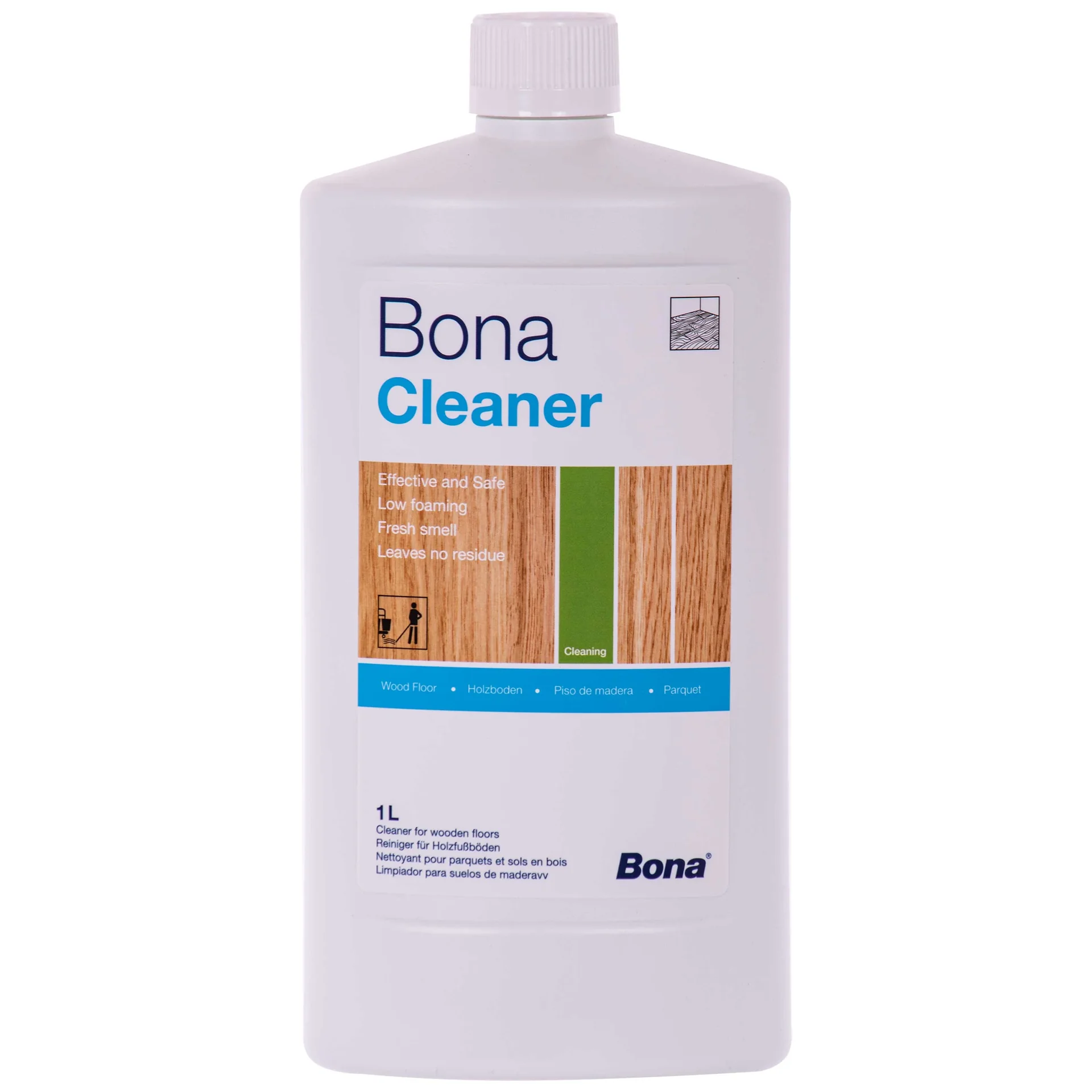
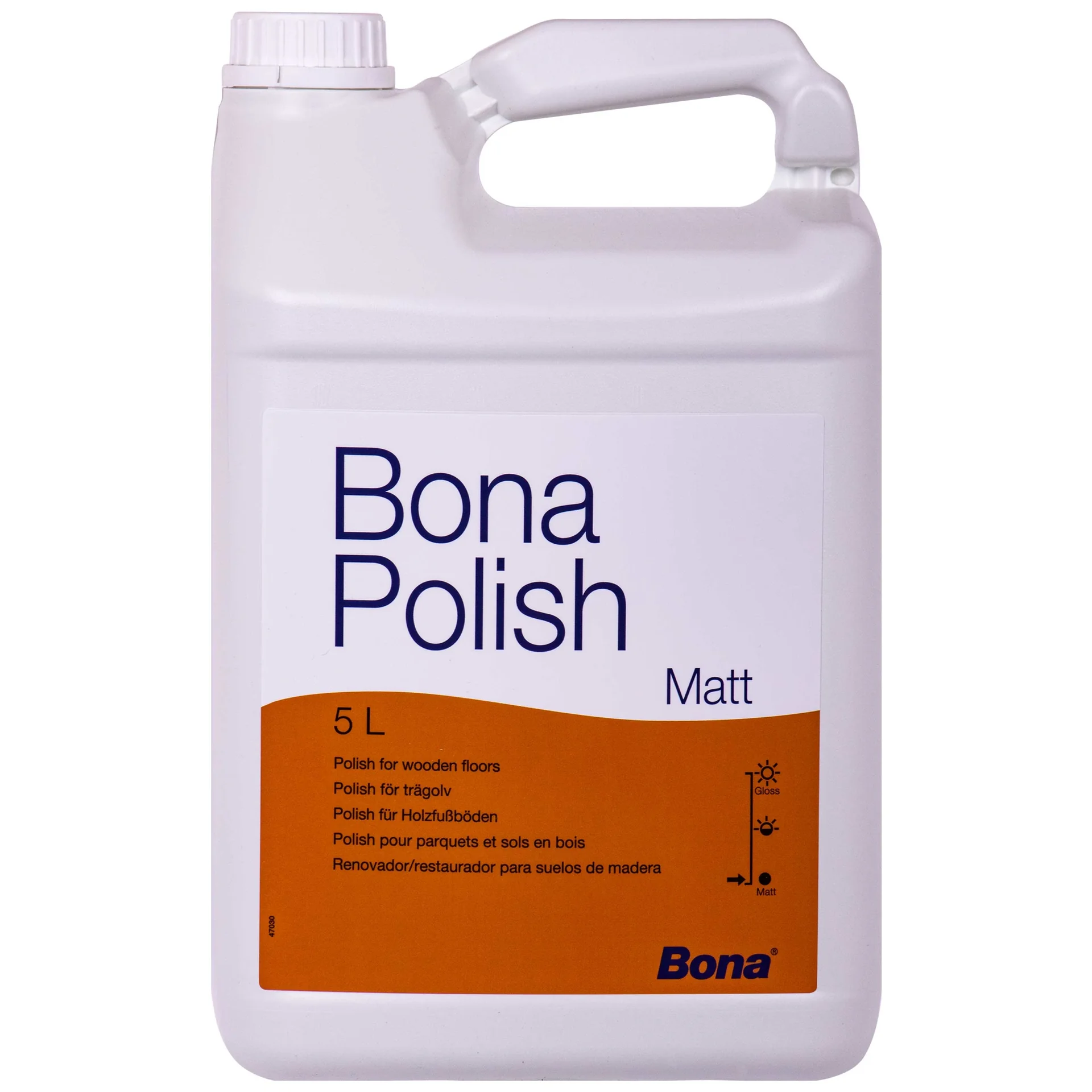

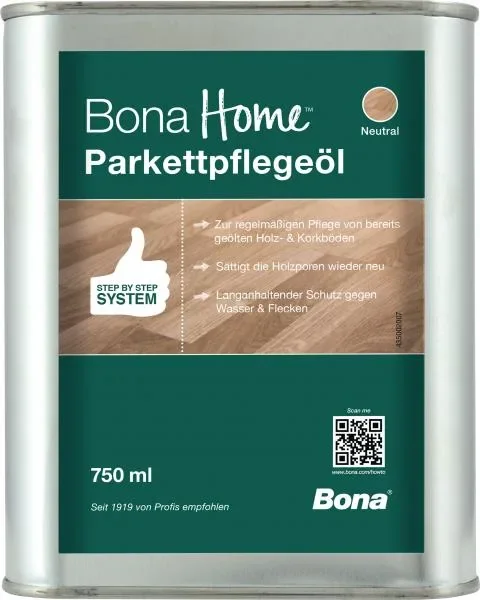
Oil, polish and wax-free refreshers serve different purposes. Do not combine these products based on guesswork. Only remove old care layers with a suitable intensive cleaner, and check that it is approved for your surface.
Stable indoor air conditions provide additional protection for wood. A relative humidity of approximately 40 to 60 percent is considered a suitable range for many living spaces. Ventilate regularly and avoid major, prolonged fluctuations caused by excessive heating or leaving windows tilted open for long periods when the outdoor air is humid.
How do you install laminate flooring from preparation to the last plank?
Installing laminate flooring gives a clean result when you prepare the subfloor and consistently follow the floating-floor method. The floor must not be laid over damp areas, soft spots or major unevenness. Follow the installation instructions for the specific product.
How do you check the subfloor?
The subfloor must be stable, dry, clean and sufficiently level. Remove loose adhesive residue, dust and small stones. Level out uneven areas with a suitable smoothing compound before laying the underlay.
Store the unopened laminate packs in the room according to the manufacturer's instructions, often for at least 48 hours. This allows the material to adjust to the temperature and humidity. Lay the packs flat and check each plank for visible damage before installation.
Which steps create a stable floor?
- Clean the subfloor and check its levelness with a long straightedge.
- Lay a suitable underlay. Depending on the system, mineral subfloors may also require a vapor barrier.
- Plan the first row so that the last row remains sufficiently wide. Very narrow edge strips look untidy and are less stable.
- Maintain the specified expansion gap around walls, door frames, heating pipes and fixed installations. These gaps are often approximately 8 to 10 millimeters.
- Join the planks according to the instructions and stagger the end joints sufficiently. This distributes the load more evenly.
- Attach the baseboards to the wall, not to the laminate. The floor must be able to move within the expansion gap.
What mistakes are commonly made when installing laminate flooring?
- Ignoring moisture: An attractive decorative floor covering does not protect against damp screed or water beneath the surface.
- Blocking expansion gaps: Baseboards installed too tightly or heavy fixed installations can cause tension and open joints.
- Choosing the wrong underlay: Underlay that is too soft allows click joints to move and can amplify noise.
- Failing to plan joints: Doorways and long rooms require careful planning of the laying direction and, where necessary, expansion joints.
- Using too much care product: Excessive water or an unsuitable cleaning product leaves streaks and puts strain on the surface.
“A floor structure that performs reliably over time starts with a suitable subfloor and the coordinated installation of all layers.”
How do you combine flooring ideas with a cohesive room design?
Flooring creates one large, continuous surface. Its colour and format therefore influence the overall look and feel of a room. Choose the design together with your doors, skirting boards, walls, furniture and the way light enters the room, rather than in isolation.
How do colour and format change a room?
Light-coloured floors reflect more light and make small rooms feel more open. Dark floors add depth and create a striking contrast with light walls. Highly grained floorboards draw attention, while understated designs allow furniture and artwork to stand out more.
Long floorboards make a room appear longer. Lay them lengthwise in the main direction of view if you want the room to look more spacious. Large tiles reduce the number of grout lines and create a calm, continuous surface, but they require precise alignment and sufficient space for cutting.
Continuous flooring helps connect open-plan living areas. Change the material or colour only where a clear boundary makes sense, such as at a doorway or between the living area and bathroom. A narrow transition strip may be technically necessary, but it should not be the only planning consideration.
How do you coordinate flooring and furnishings?
Warm, natural shades, white, green and muted blue tones work well with warm oak flooring. Grey floors look modern with clean shapes and bold accents. If your floor has a striking design, reduce the number of competing patterns in rugs, curtains and upholstery.
When planning a nursery, coordinate the floor with your nursery ideas. In rooms with bunk beds, desks and play areas, a durable, easy-to-clean surface is essential. Cork, vinyl and laminate can offer suitable properties, provided the specific product is right for the room.
Furniture also affects the overall look. Light wood furniture blends with a light floor to create a calm, continuous surface, while dark furniture stands out more strongly against lighter flooring. At the Flexa House, you can find inspiration for functional children's rooms where flooring, storage and sleeping space work together.
If you are planning a classic interior style, wood-effect flooring can create a harmonious look with country-style children's furniture. Decide on the flooring first and choose larger pieces of furniture afterwards. This helps prevent different wood tones from competing when placed directly next to each other.
How can you keep flooring looking its best over time?
Every type of flooring needs its own care routine. Sweep or vacuum entrance areas more often than bedrooms. Use a neutral cleaner for tiles, very little moisture for laminate and a product that is expressly approved for the existing surface on parquet flooring.
Protect high-traffic areas with suitable mats. Lift furniture when rearranging it instead of dragging it across the floor. Replace damaged felt pads and regularly check chair castors for sand or small stones trapped underneath.
Additional advice
Create a simple care plan after laying the floor. Note the floor type, surface finish, products used and the date it was last refreshed. This will help you avoid accidentally using a product that damages the protective coating.
When is professional help worthwhile?
Hire a specialist contractor if the subfloor is very uneven or damp, if you are installing waterproofing in a bathroom or if you are laying large-format tiles. Parquet flooring installed with full-surface adhesive and subsequently treated also requires experience and suitable equipment.
Experienced DIYers can install simple click systems themselves. Even so, remember to budget for tools, wastage, skirting boards and transition profiles. A properly prepared subfloor saves more time than rushing installation on a problematic surface.
The best flooring choice combines practicality with good design. Choose the material according to the room and how it will be used, plan the subfloor and transitions carefully, and follow the appropriate care routine consistently. This way, your floor will look impressive not just on moving-in day, but for many years to come.
Frequently asked questions
- What type of flooring is best for a living room?
- Parquet, laminate, vinyl and cork are all suitable for living rooms. Parquet provides a natural look and can be renovated depending on its construction. Laminate and vinyl offer a wide range of designs and are easy to clean. Cork reduces footstep noise and feels warm underfoot. Make your choice based on durability, impact noise, maintenance requirements and budget.
- Is laminate suitable for a kitchen?
- Laminate can work in a kitchen if you choose a quality suitable for damp rooms and protect the joints and perimeter areas according to the manufacturer's instructions. Wipe up spilled liquids immediately. For areas that are permanently wet or exposed to standing water, tiles or specially approved vinyl flooring are a better choice.
- How often does parquet flooring need maintenance?
- Parquet maintenance depends on the surface finish, level of use and room. Clean lacquered parquet regularly with a suitable cleaner and refresh the surface as needed. Oiled parquet requires maintenance oil at longer intervals. Entrance areas, chair castors and pets can significantly increase the maintenance required.
- What do I need to consider when laying tiles?
- When laying tiles, you need a level, dry and stable subfloor. Plan the grout lines, perimeter joints and transitions before applying the adhesive. Choose suitable slip resistance for bathrooms and use only tiles approved for outdoor areas outside. Have waterproofing and falls installed professionally.
- Which flooring makes small rooms look bigger?
- Light-coloured flooring with a subtle surface makes small rooms feel more spacious. Lay floorboards or laminate lengthwise in the main direction of view and minimise visible transitions. Large, uniform tiles can also create a sense of space, but require precise planning. Coordinate the skirting boards and wall colour with the floor.
You might also be interested in
- Flooring for underfloor heating: The essential facts
- Laminate flooring review and comparison 2026: The best flooring options tested
- Parquet, vinyl or laminate? The ultimate flooring comparison
- How to lay flooring: The comprehensive guide for your home
- How to lay flooring: Choosing the right installation tape
- Patio flooring: Which ideas can create a beautiful outdoor oasis?