
Kurz erklärt: Nach den Eisheiligen Mitte Mai ist die Frostgefahr in den meisten Regionen Deutschlands gebannt. Sie können jetzt frostempfindliche Pflanzen wie Tomaten, Zucchini, Bohnen und Basilikum direkt ins Freie setzen. Beginnen Sie mit dem Auspflanzen vorgezogener Jungpflanzen und der Direktsaat wärmeliebender Gemüsearten. Nutzen Sie die Zeit auch für die Rasenpflege und das Ausbringen von Mulch.
Gartenkalender: Was erledigen Sie sicher nach den Eisheiligen?
Mitte Mai sinkt das Risiko für Nachtfröste in Deutschland signifikant. Die sogenannten Eisheiligen markieren den Startschuss für die Pflanzsaison im Freiland. Nutzen Sie diese Zeit, um Ihren Garten auf den Sommer vorzubereiten.
Warum sind die Eisheiligen für Gärtner so wichtig?
Die Eisheiligen bezeichnen eine meteorologische Singularität. Traditionell treten in dieser Periode die letzten Kaltlufteinbrüche des Frühjahrs auf. Für die Gartenarbeit bedeutet das Planungssicherheit.
Frostempfindliche Pflanzen erfrieren bei Temperaturen unter null Grad. Dazu gehören viele Gemüse- und Zierpflanzen aus wärmeren Regionen. Das Auspflanzen vor diesem Termin ist ein Risiko.
Die Bauernregel zu den Eisheiligen hat einen wahren Kern in der Statistik. In den letzten Jahrzehnten hat sich die frostfreie Zeit zwar verlängert, aber regionale Kaltlufttropfen bleiben eine Gefarde.
Sie müssen die Eisheiligen nicht dogmatisch abwarten. In milden Regionen oder an geschützten Standorten können Sie früher starten. Beobachten Sie stets die lokale Wettervorhersage.
Wie bereiten Sie die Beete für die Pflanzung vor?
Lockern Sie den Boden mit einer Grabegabel gründlich auf. Entfernen Sie Unkraut und Steine. Arbeiten Sie bei Bedarf Kompost oder einen organischen Dünger ein. Das verbessert die Bodenstruktur und versorgt die Pflanzen.
Der Boden sollte sich in der Hand leicht erwärmt anfühlen und krümelig sein. Zu nasser Boden verdichtet sich bei der Bearbeitung. Warten Sie nach starkem Regen ein bis zwei Tage.
Profi-Tipp
Decken Sie die vorbereiteten Beete eine Woche vor der Pflanzung mit einer schwarzen Folie oder einem Gartenvlies ab. Der Boden erwärmt sich darunter schneller. Das fördert das Anwachsen der Jungpflanzen.
Welche Pflanzen setzen Sie jetzt ins Freie?
Nach den Eisheiligen beginnt die Hauptpflanzzeit für alle frostempfindlichen Arten. Dazu zählen die meisten Gemüsesorten aus dem Mittelmeerraum oder den Tropen.
Gemüse und Kräuter auspflanzen
Setzen Sie vorgezogene oder gekaufte Jungpflanzen von Tomaten, Paprika, Chili, Auberginen und Gurken. Achten Sie auf einen sonnigen, windgeschützten Standort. Stangen für Bohnen oder Tomaten stellen Sie am besten gleich mit in den Boden.
Pflanzen Sie vorgezogene Kürbis-, Zucchini- und Salatgurken-Jungpflanzen. Säen Sie direkt ins Beet: Buschbohnen, Stangenbohnen, Zuckermais, Rote Bete (für späte Ernte) und Kräuter wie Basilikum, Majoran und Borretsch.
Bild: (Jungpflanzen von Tomaten und Paprika werden ins vorbereitete Beet gesetzt)
Zierpflanzen und Sommerblumen
Setzen Sie Dahlienknollen, Gladiolen und Canna. Pflanzen Sie vorgezogene Sommerblumen wie Studentenblumen, Zinnien, Löwenmäulchen und Petunien. Begonien und Fuchsien vertragen ebenfalls keinen Frost und kommen jetzt nach draußen.
Wärmeliebende Pflanzen wie Tomaten profitieren von einer Mulchschicht aus Stroh oder Rasenschnitt. Sie hält den Boden warm, unterdrückt Unkraut und reduziert die Verdunstung. Legen Sie die Schicht erst auf, wenn der Boden sich erwärmt hat.
Welche Pflege benötigt der Rasen im Mai?
Der Rasen wächst im Mai stark. Mähen Sie ihn jetzt regelmäßig, aber nicht zu kurz. Eine Schnitthöhe von vier bis fünf Zentimetern ist ideal. Das fördert eine dichte Narbe und unterdrückt Unkraut.
Wichtiger Hinweis
Vertikutieren Sie nur, wenn der Rasen trocken ist und eine dichte Filzschicht vorhanden ist. Zu aggressives oder häufiges Vertikutieren schädigt die Gräser. Kahle Stellen säen Sie sofort nach und halten sie feucht.
Der Mai ist ein guter Zeitpunkt für eine Düngung. Verwenden Sie einen Langzeitrasendünger. Bei sauren Böden kann eine Kalkung sinnvoll sein. Unser Sortiment für die Rasenpflege finden Sie unter Gartenwerkzeuge.
Wie schützen Sie Ihre Pflanzen bei spätem Frost?
Selbst nach den Eisheiligen kann es regional zu Kaltlufteinbrüchen kommen. Seien Sie vorbereitet, besonders wenn Sie in Senken oder höheren Lagen gärtnern.
Ein Gartenvlies ist der beste Schutz. Es lässt Licht und Wasser durch, hält aber mehrere Grad Frost fern. Decken Sie die Pflanzen am Abend vor einer frostigen Nacht ab.
Für einzelne Jungpflanzen eignen sich umgedrehte Töpfe, Eimer oder spezielle Hauben. Für größere Flächen oder empfindliche Kübelpflanzen ist eine
praktisch. Sie ist transparent und robust.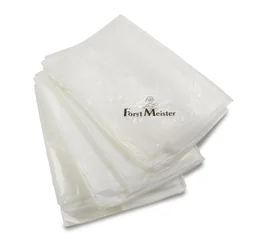
Zusätzlicher Rat
Befestigen Sie Planen und Vliese sicher am Boden.
oder , robuste Planenhaken aus Kunststoff, halten die Abdeckung auch bei Wind. So verhindern Sie Schäden an den Pflanzen und ein Wegfliegen der Plane.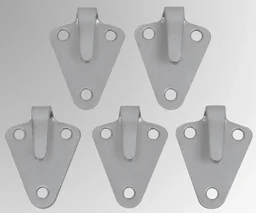

Entfernen Sie die Abdeckung am nächsten Morgen, sobald die Temperaturen steigen. So vermeiden Sie Hitzestau und Pilzkrankheiten.
Welche weiteren Gartenarbeiten stehen im Mai an?
Jäten Sie regelmäßig Unkraut, bevor es Samen bildet. Mulchen Sie Beete und Baumscheiben mit Rasenschnitt, Stroh oder Rindenmulch. Das spart Gießarbeit und unterdrückt Unkraut.
Kontrollieren Sie Pflanzen auf Schädlinge wie Blattläuse. Fördern Sie Nützlinge durch vielfältige Bepflanzung. Setzen Sie jetzt Stützen für hohe Stauden wie Rittersporn oder Pfingstrosen.
Stellen Sie Ihre Gartenmöbel auf und reinigen Sie sie. Für eine längere Lebensdauer schützen Sie sie bei längeren Regenperioden oder wenn sie nicht genutzt werden. Eine Abdeckung für Gartenmöbel ist hier sinnvoll.
Bild: (Ein üppiges, frisch bepflanztes Gemüsebeet im Mai mit jungen Pflanzen und Mulchschicht)
Planen Sie die Gartenbewässerung. Verlegen Sie Schläuche oder installieren Sie ein Tropfsystem, bevor die Trockenperioden des Sommers beginnen. Ein langlebiger Gartenschlauch ist eine gute Investition.
Entsorgen Sie Schnittgut und Unkraut kompostiert oder in praktischen . So halten Sie Ihren Garten ordentlich.
Fazit: Nutzen Sie das Zeitfenster
Die Zeit nach den Eisheiligen ist die produktivste Phase im Gartenjahr. Sie legen den Grundstein für die Ernte und die Blütenpracht des Sommers. Arbeiten Sie mit dem Wetter, nicht dagegen.
Starten Sie mit der Pflanzung, sobald die Frostgefahr in Ihrer Region vorbei ist. Ein gut vorbereiteter Boden und der richtige Pflanzzeitpunkt sind entscheidend für gesundes Wachstum. Mit den richtigen Gartengeräten und etwas Planung meistern Sie alle Aufgaben.
Genießen Sie die Gartenarbeit im warmen Frühsommer. Die Mühe lohnt sich für frische Ernte und eine blühende Oase.
Häufige Fragen
- Was sind die genauen Daten der Eisheiligen?
- Die Eisheiligen finden jährlich vom 11. bis 15. Mai statt. Sie sind nach bestimmten Heiligennamen benannt: Mamertus (11.5.), Pankratius (12.5.), Servatius (13.5.), Bonifatius (14.5.) und die kalte Sophie (15.5.). Diese traditionellen Lostage markieren das Ende der Spätfröste in Mitteleuropa.
- Kann es nach den Eisheiligen nochmal Frost geben?
- Ja, in klimatisch begünstigten Regionen wie Weinbaugebieten endet die Frostperiode oft früher. In höheren Lagen oder Kaltluftbecken kann leichter Frost bis Ende Mai auftreten. Beobachten Sie lokale Wettervorhersagen. Schützen Sie empfindliche Jungpflanzen nachts mit einem Gartenvlies oder einer Abdeckung.
- Welches Gemüse pflanze ich direkt nach den Eisheiligen?
- Setzen Sie jetzt vorgezogene oder gekaufte Jungpflanzen von Tomaten, Paprika, Gurken, Zucchini und Auberginen ins Beet. Säen Sie direkt ins Freiland: Buschbohnen, Stangenbohnen, Kürbis, Zuckermais und Basilikum. Diese Pflanzen benötigen warme Böden und vertragen keinen Frost.
- Muss ich den Rasen nach den Eisheiligen vertikutieren?
- Der Mai ist ein idealer Zeitpunkt zum Vertikutieren, wenn der Rasen gut wächst. Entfernen Sie vorher mit einem Rechen altes Schnittgut und Laub. Vertikutieren Sie nur bei trockenem Rasen. Nach dem Vertikutieren düngen Sie und säen kahle Stellen nach. Kalken Sie bei Bedarf vorher, Informationen zu Rasenkalk & Gartenkalk finden Sie in unserem Sortiment.
- Wie schütze ich meine Pflanzen bei einem späten Kälteeinbruch?
- Nutzen Sie spezielle Gartenvliese oder Frostschutzhauben. Eine einfache Methode ist das Abdecken mit umgedrehten Töpfen, Eimern oder Kartons. Entfernen Sie die Abdeckung am Morgen wieder, damit die Pflanzen Licht und Luft bekommen. PRODUCT_138663 bietet sich als schneller Schutz für größere Flächen an.
Ergänzung: Gartenkalender Mai: Aufgaben nach den Eisheiligen meistern
Nach den Eisheiligen können empfindliche Jungpflanzen wie Tomaten, Zucchini und Basilikum ins Freiland, sofern keine Nachtfröste mehr zu erwarten sind. Gewöhnen Sie vorgezogene Pflanzen schrittweise an Sonne und Wind und setzen Sie sie an einem bedeckten Tag oder am späten Nachmittag. Gießen Sie gründlich an und kontrollieren Sie in den ersten Nächten die Wettervorhersage.
Nutzen Sie den Mai außerdem, um Beete zu mulchen, Rankhilfen für Kletterpflanzen aufzustellen und regelmäßig nach Schnecken und anderen Schädlingen zu sehen. Kübelpflanzen dürfen nun nach draußen, sollten aber zunächst einen geschützten Platz erhalten. Bei trockener Witterung hilft gleichmäßiges Gießen, besonders bei frisch gepflanztem Gemüse und jungen Gehölzen.
Das könnte Sie auch interessieren
- Die Eisheiligen: Der Stichtag für Ihren Garten im Mai
- Gemüse pflanzen nach den Eisheiligen: Der perfekte Start
- Gartenkalender Mai: Aussaat & Pflege für eine Top-Ernte
- Gartenarbeiten im April: Der Start in die Gartensaison
- Gartenkalender Juni: Was jetzt im Garten zu tun ist
- Gartenarbeiten im Jahresverlauf: Der perfekte Zeitpunkt für jede Saison