
In short: The perfect BBQ starts with the right preparation: choose charcoal for smoky flavor or gas for precise temperature control. Clean the grill grates thoroughly before lighting the grill. Preheat the grill fully before adding the meat. Use a meat thermometer to reach your preferred level of doneness, and let grilled food rest before cutting into it.
The basics of the perfect BBQ
A successful BBQ is no accident. It comes down to the choices you make before lighting the grill and how carefully you cook once it’s hot. Two factors shape your food: the type of grill you choose and how you control the heat.
You’re choosing between tradition and convenience. Your grilling method affects flavor, prep time, and control. Make this choice your first step.
Charcoal vs. gas: choosing your grill
A charcoal grill delivers intense radiant heat and classic smoky flavor. Control the temperature by adjusting the amount and placement of the charcoal. Preheating can take up to 45 minutes.
A gas grill reaches cooking temperature in just a few minutes. Adjust the heat precisely with the control knobs. The result is a clean flavor without a smoky note, unless you add wood chips. Maintenance varies considerably. Find suitable covers in our Grills + Fire Pits category.
Pro tip
Set up indirect heat on a gas grill by turning on only the outer burners and placing the meat in the center. This lets large cuts cook slowly without burning on the outside.
How do you prepare the grill properly?
A clean grill helps keep food from sticking and prevents flavors from carrying over. Never start with burnt-on residue from your last BBQ.
Give the grates a quick clean after your last BBQ. Before lighting the grill again, scrub them thoroughly with a sturdy grill brush. For heavy buildup, heat the grill thoroughly, then brush it clean.
Heat needs to circulate around the grates. Food placed on a hot grate develops a crust right away, helping seal in the juices.
How to light charcoal properly
Always use high-quality charcoal or briquettes. Fill the charcoal grate according to the heat zone you need. For direct heat, arrange the charcoal in an even layer 5-7 cm high.
Light the charcoal with a chimney starter or electric starter. Do not use liquid fire starters. They can contaminate the charcoal and leave behind harmful flavor compounds. Wait until the coals are completely covered with a gray-white layer of ash. This takes 25-35 minutes.
How to light a gas grill properly
Always open the lid before lighting the grill. Turn on the gas valve on the tank. Then light the burners according to the manufacturer's instructions. Let the grill heat up with the lid closed for 10-15 minutes.
This burns off residue and helps distribute heat evenly. Check the connections regularly for leaks. Accessories such as hoses are available in the Supplies section.
Important
Never set up a gas grill indoors or under a low roof. Carbon monoxide is odorless and can be fatal. Always keep a fire extinguisher or fire blanket within reach.
How do you control the heat when grilling?
Temperature control is what separates a burnt steak from one that is perfectly browned. Don’t rely on guesswork. Use heat zones.
Divide your grilling surface into hot and cooler areas. With charcoal, pile the coals on one side. With a gas grill, turn on only some of the burners. This gives you one area for searing and another for gently finishing the food.
The hand test and why it’s not enough
The classic hand test over the coals gives you only a rough guide. If you can hold your hand there for 3-4 seconds, the heat is medium. The method is imprecise and varies from person to person.
Invest in a digital grill thermometer with a surface probe. Measure the temperature right at the grate. For thick steaks or whole roasts, an instant-read thermometer is essential.
Most people grill too hot and too fast. The secret is slow cooking over indirect heat. Patience pays off with tender meat.
Which meats are best suited to each grilling method?
Not every cut can handle the same heat. The structure of the meat determines the method. Tender cuts such as filet or rib eye can handle direct heat. Tougher, well-marbled cuts such as shoulder or brisket need long, indirect cooking.
Take the meat out of the refrigerator at least 30 minutes before grilling. Letting it come to room temperature helps it cook evenly. Pat the surface dry. Wet meat steams instead of searing.
Marinades, rubs, and dry brining
A marinade needs time to work. Let the meat marinate for several hours or overnight. Use acidic ingredients such as lemon or vinegar sparingly. They can make the surface of the meat mushy.
A dry rub made with spices and salt creates a flavorful crust. Apply it one hour before grilling. Salt lean meat such as chicken breast well in advance. Salt well-marbled cuts such as pork shoulder just before putting them on the grill.
Extra tip
When grilling larger cuts such as pork shoulder over indirect heat, spritz them every 45 minutes with apple juice, stock, or a mixture of vinegar and water. This keeps the surface moist and helps form the bark.
How do you grill vegetables and side dishes perfectly?
The grill isn’t just for meat. Firm vegetables develop sweet, roasted flavors. Cut eggplant, zucchini, or bell peppers into thick slices or strips.
Brush them with olive oil and season generously. Grill vegetables over direct heat, but not at the highest temperature. Turn them regularly until tender and marked by the grill. Asparagus or thin asparagus spears can be cooked in a grill pan.
Find suitable grilling accessories in the Garden + Outdoor category.
A classic: grilled corn on the cob
Remove the outer husks but leave the inner leaves attached. Soak the ears in cold water for 30 minutes. Then grill them with the lid closed for 15-20 minutes over medium heat, turning occasionally.
The attached leaves help keep the corn from drying out. Serve with butter, salt, and freshly ground pepper.
What do you need for the perfect grilling setup?
The right tools make grilling safer and easier. The essentials include long-handled grill tongs, a spatula, and a sturdy brush. Avoid forks, which pierce the meat and let the juices escape.
A poker helps you position the charcoal. Heat-resistant grill gloves protect your hands. For longer outdoor cooking sessions, browse our garden equipment.
How to clean and store your grill after use
Let the grill cool completely. If you use charcoal, dispose of the cooled ash in a metal container. Clean the grate again with the brush.
For a gas grill, first close the tank valve and let the burners run until the gas has burned off. This clears the gas line. Use a purpose-made cover to protect the grill from the elements. A suitable
can significantly extend the life of your grill.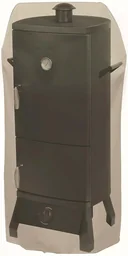
How do you plan the whole BBQ party?
A BBQ is about more than the main course. Plan your drinks, side dishes and atmosphere. Prepare salads and dips before lighting the grill.
Have enough serving platters ready. Use separate cutting boards for raw and cooked meat. Keep plates and cutlery close to the grill in a warm place.
Drinks for the evening
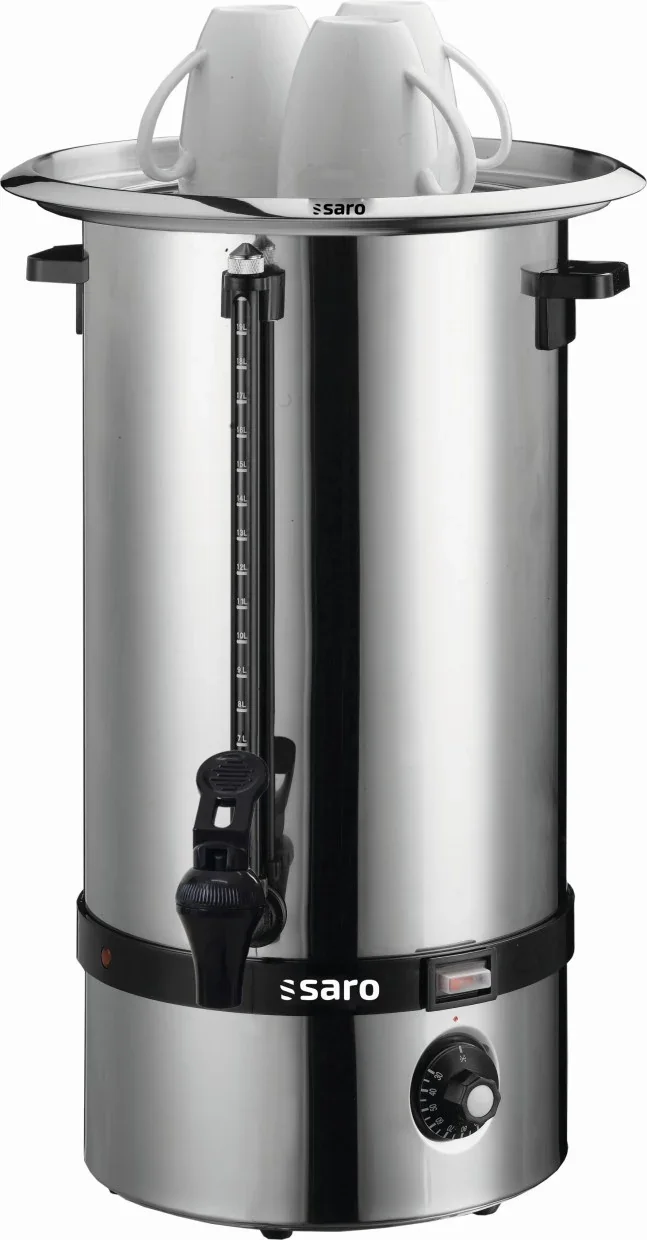
Chilled drinks are essential. Alongside beer and non-alcoholic options, homemade lemonade or iced tea are great choices. For cooler evenings or the start and end of BBQ season, hot punch is ideal.
A practical helper for preparing larger quantities of hot drinks is the
The right lighting and seating
Good lighting around the grill is an important safety feature. Lanterns, solar lights or permanently installed spotlights create a welcoming atmosphere and help prevent accidents.
Sturdy, weather-resistant seating invites you to linger. Make sure you have enough tables for drinks and dinnerware. This turns a meal into a relaxed evening with friends.
With these tips, you can make any BBQ a success. Preparation and respect for the heat are key. Practice indirect grilling, experiment with different woods for smoking and invest in a good thermometer.
Whether you love the classic charcoal flavor or appreciate the control of a gas grill, the principles are the same. Cleanliness, temperature control and patience lead to success. Find everything else you need for your outdoor space in the shop.
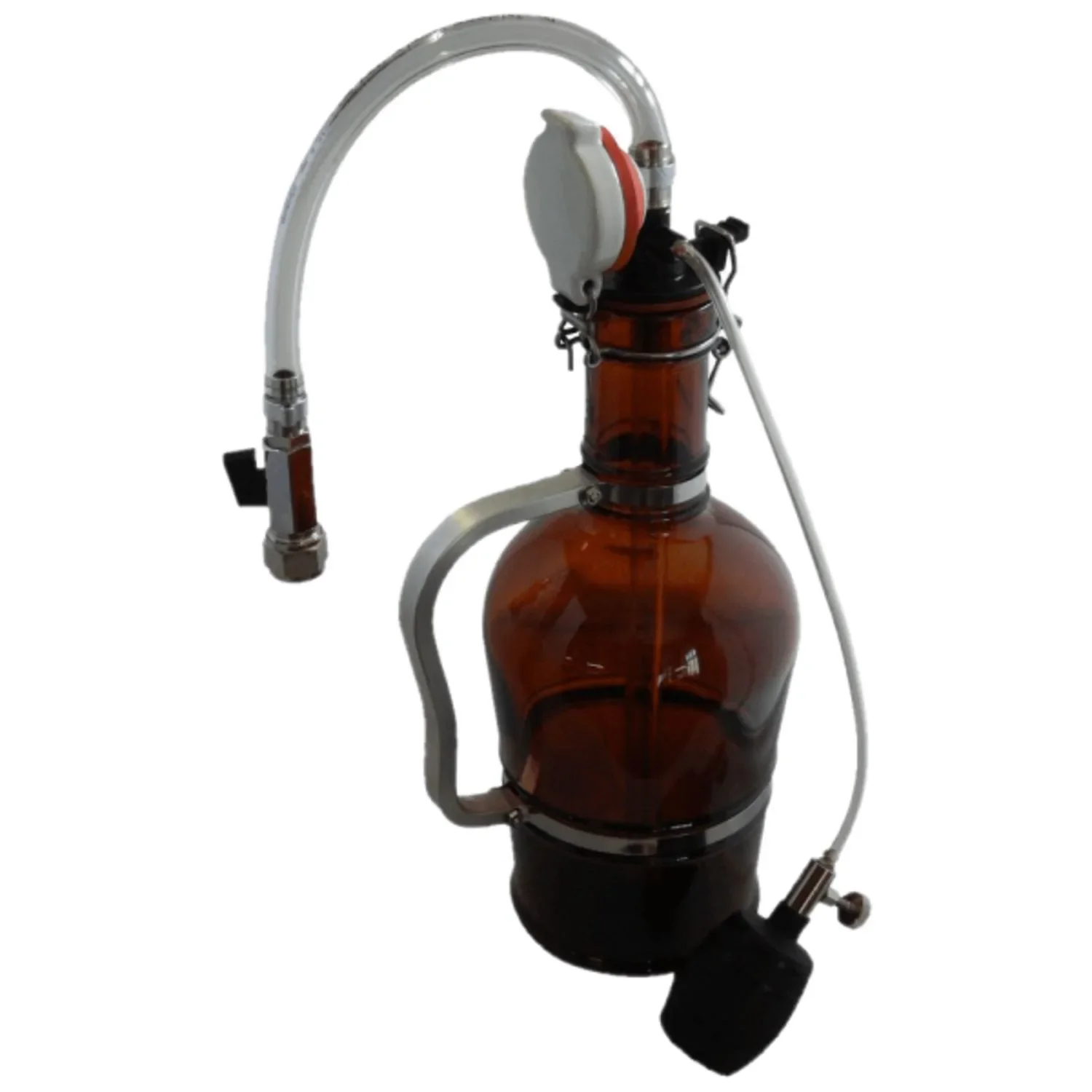
To enjoy a perfectly poured beer on the go or on the patio, the
Frequently Asked Questions
- How long should I preheat a charcoal grill?
- Preheat a charcoal grill for at least 30-45 minutes, until the coals are glowing and covered with a layer of white ash. This even bed of coals provides consistent heat, prevents flare-ups and helps keep food from burning or sticking.
- Which is better for grilling: gas or charcoal?
- It comes down to personal preference. Charcoal delivers authentic smoky flavor and intense radiant heat for a perfect sear. A gas grill heats up quickly, offers precise temperature control and needs less preheating time. Choose the flavor of charcoal or the convenience and control of gas. Many BBQ fans own both for different occasions.
- How can I keep meat from sticking to the grill grate?
- A clean, hot grate is your best defense. Brush the grate after every BBQ and heat it thoroughly before adding the meat. Oil the food, not the grate. Let excess marinade drip off before placing the meat on the grate. For a new grate, it’s a good idea to season it with oil several times.
- How do you measure the temperature correctly when grilling?
- Don’t rely on guesswork or the thermometer in the grill lid. Use a digital meat thermometer with a probe. Insert it into the thickest part of the meat without touching the bone. This gives you an accurate reading so you can cook the meat to your preferred doneness without leaving it undercooked or dry and overdone.
- Why does grilled meat need to rest after cooking?
- During grilling, the meat fibers contract and push the juices toward the center. Letting the meat rest for 5-15 minutes, depending on its size, allows the fibers to relax and the juices to redistribute. This keeps the meat juicy when you cut into it.