
Kurz erklärt: Eine effiziente Heizung erfordert regelmäßige Wartung. Sie können einfache Aufgaben wie das Entlüften der Heizkörper und die Kontrolle des Wasserdrucks selbst durchführen, um die Leistung zu verbessern und Kosten zu senken. Für komplexe Einstellungen und die jährliche Inspektion, besonders bei Gasanlagen, sollten Sie jedoch immer einen qualifizierten Fachbetrieb beauftragen.
Eine funktionierende Heizung ist der Kern eines behaglichen Zuhauses, besonders in den kalten Monaten. Doch viele Anlagen arbeiten ineffizient und treiben die Energiekosten unnötig in die Höhe. Mit gezielter Wartung und einigen einfachen Handgriffen steigern Sie die Effizienz, sparen bares Geld und verlängern die Lebensdauer Ihres Heizsystems. Verstehen Sie die Technik hinter Ihrer Wärmeversorgung und nehmen Sie die Optimierung selbst in die Hand.
Warum ist eine regelmäßige Heizungswartung so wichtig?
Ihre Heizungsanlage ist ein komplexes System, das über Monate hinweg im Dauereinsatz ist. Wie ein Auto benötigt es regelmäßige Pflege, um optimal zu funktionieren. Vernachlässigen Sie die Wartung, riskieren Sie nicht nur höhere Kosten, sondern auch plötzliche Ausfälle, wenn Sie die Wärme am dringendsten brauchen.
Eine professionelle Inspektion sichert die drei wichtigsten Aspekte Ihres Heizsystems: Effizienz, Sicherheit und Langlebigkeit. Ein Fachmann reinigt Brenner und Wärmetauscher, prüft alle sicherheitsrelevanten Bauteile und misst die Abgaswerte. Rußablagerungen von nur einem Millimeter Dicke können den Energieverbrauch bereits um bis zu fünf Prozent erhöhen. Die regelmäßige Wartung sorgt dafür, dass Ihr System mit optimalem Wirkungsgrad läuft.
Besonders bei Gasheizungen ist der Sicherheitsaspekt entscheidend. Der Experte prüft auf kleinste Lecks und stellt sicher, dass die Verbrennung sauber abläuft. Das schützt vor der Gefahr von Kohlenmonoxid. Gleichzeitig erkennt er Verschleißteile frühzeitig und kann sie austauschen, bevor ein teurer Defekt die gesamte Anlage lahmlegt. So investieren Sie in die Zukunftssicherheit Ihres Systems.
Rund 80 Prozent der Heizungsanlagen in Deutschland sind nicht optimal eingestellt. [...] Das Sparpotenzial liegt je nach Gebäudezustand und Anlage bei zehn bis 15 Prozent.
Was können Sie selbst an Ihrer Heizung machen?
Zwischen den jährlichen professionellen Wartungen gibt es mehrere Aufgaben, die Sie problemlos selbst erledigen können. Diese einfachen Maßnahmen haben einen großen Einfluss auf die Effizienz und den Komfort in Ihrem Zuhause. Sie benötigen dafür nur wenige Werkzeuge und ein grundlegendes Verständnis der Zusammenhänge.
Heizkörper entlüften: Schluss mit dem Gluckern
Ein gluckernder Heizkörper, der im oberen Bereich kalt bleibt, ist ein klares Zeichen für Luft im System. Luft verhindert, dass das heiße Wasser den gesamten Heizkörper durchströmen kann. Die Wärmeabgabe sinkt, der Raum wird nicht richtig warm und die Heizungspumpe verbraucht unnötig viel Energie. Das Entlüften ist eine Sache von Minuten.
Stellen Sie zuerst die Umwälzpumpe Ihrer Heizung ab und warten Sie etwa eine Stunde, damit sich die Luft an den höchsten Punkten der Heizkörper sammeln kann. Halten Sie ein Tuch und ein kleines Gefäß unter das Entlüftungsventil, das sich meist an der dem Thermostat gegenüberliegenden Seite befindet. Mit einem speziellen Werkzeug wie dem
Heizkörperentlüfter öffnen Sie das Ventil langsam, bis Luft mit einem Zischen entweicht. Sobald ein lückenloser Wasserstrahl austritt, schließen Sie das Ventil wieder. Wiederholen Sie diesen Vorgang für alle Heizkörper im Haus, beginnend im untersten Stockwerk.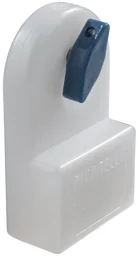
Wichtiger Hinweis
Nach dem Entlüften mehrerer Heizkörper sinkt oft der Wasserdruck im System. Prüfen Sie den Druck am Manometer Ihrer Heizungsanlage und füllen Sie bei Bedarf Wasser nach. Ein zu niedriger Druck kann die Funktion der gesamten Anlage beeinträchtigen.
Wasserdruck prüfen und nachfüllen
Der richtige Wasserdruck ist entscheidend für die Wärmeverteilung. Werfen Sie einen Blick auf das Manometer an Ihrer Heizungsanlage. Der Zeiger sollte sich im grünen Bereich befinden, der meist zwischen 1,5 und 2,0 Bar liegt. Fällt der Druck darunter, kann das Wasser die obersten Heizkörper nicht mehr erreichen. Dies ist nach dem Entlüften ein normaler Vorgang.
Das Nachfüllen von Wasser ist bei vielen Anlagen möglich, erfordert aber Sorgfalt. Konsultieren Sie unbedingt die Bedienungsanleitung Ihres Heizkessels. Sie benötigen einen Füllschlauch, der an einen Wasserhahn und den Füllstutzen der Heizung angeschlossen wird. Öffnen Sie langsam beide Ventile und beobachten Sie das Manometer. Ist der Solldruck erreicht, schließen Sie zuerst das Ventil an der Heizung und dann den Wasserhahn.
Heizkörper reinigen für bessere Wärmeabgabe
Staub ist ein überraschend effektiver Isolator. Eine dicke Staubschicht auf und in den Lamellen Ihres Heizkörpers behindert die Konvektion, also die Abgabe von warmer Luft an den Raum. Die Heizung muss länger laufen, um die gewünschte Temperatur zu erreichen. Eine gründliche Reinigung vor Beginn der Heizsaison steigert die Effizienz spürbar.
Saugen Sie zunächst den groben Schmutz mit einer Bürstendüse ab. Für die schwer zugänglichen Zwischenräume eignen sich spezielle Werkzeuge. Eine lange, flexible Bürste wie die
Reinigungsbürste mit Bowdenzug ist ideal, um tief zwischen die Heizrippen zu gelangen und festsitzenden Staub zu lösen. So stellen Sie sicher, dass die Wärme ungehindert in den Raum abstrahlen kann.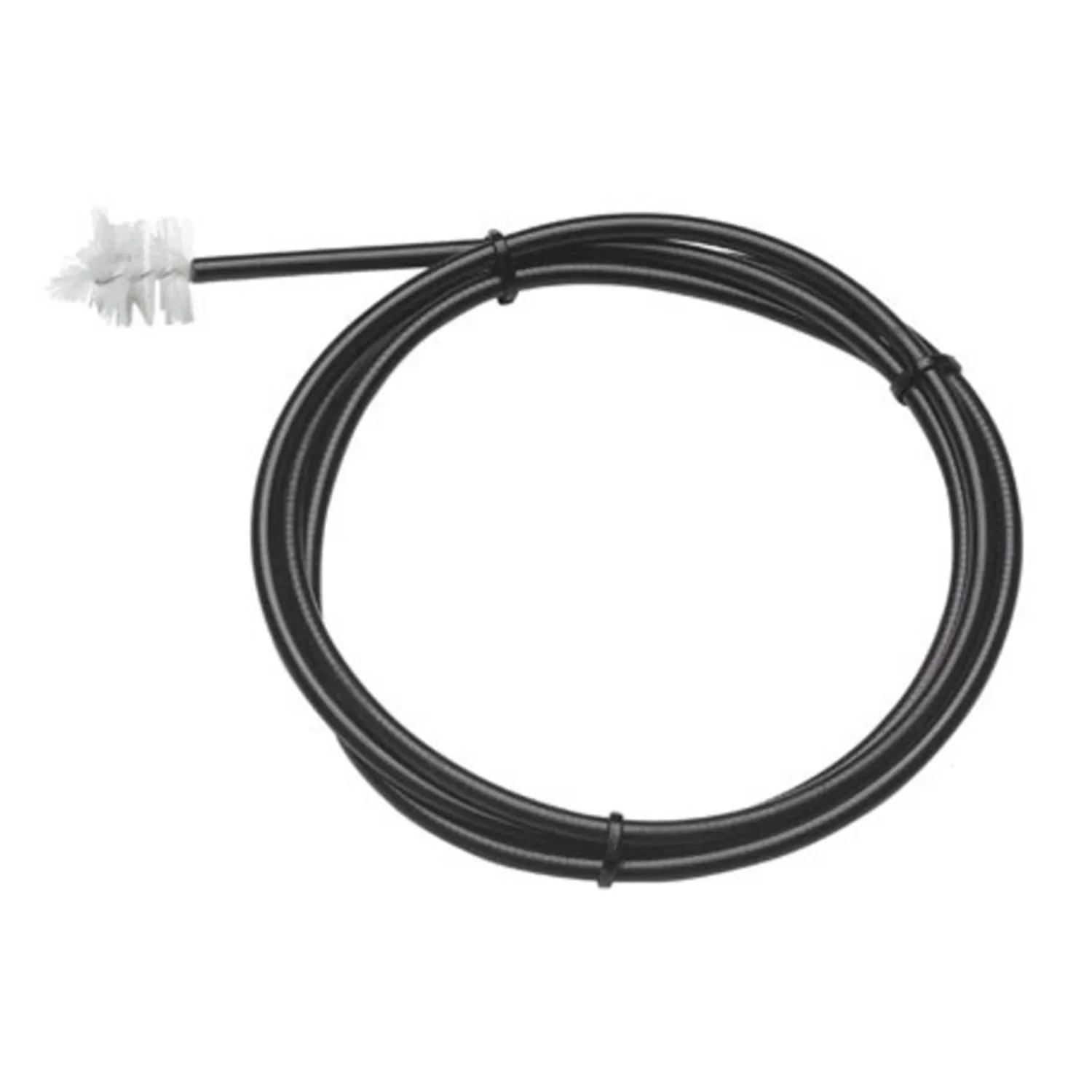
Wie optimieren Sie Ihr Heizsystem für maximale Effizienz?
Neben der direkten Wartung gibt es weitere Stellschrauben, um den Energieverbrauch Ihres Hauses zu senken. Diese Maßnahmen zielen darauf ab, die erzeugte Wärme so effizient wie möglich zu nutzen und Verluste zu minimieren. Einige erfordern einen Fachmann, andere können Sie selbst umsetzen.
Die richtige Einstellung der Heizkurve
Die Heizkurve, auch Heizkennlinie genannt, ist eine zentrale Einstellung moderner Heizungen. Sie regelt, wie hoch die Vorlauftemperatur des Heizwassers sein muss, abhängig von der Außentemperatur. Eine zu hoch eingestellte Kurve bedeutet, dass die Heizung unnötig heißes Wasser produziert, was Energie verschwendet. Eine zu niedrige Einstellung führt dazu, dass die Räume bei großer Kälte nicht mehr warm werden. Die optimale Anpassung ist ein Prozess über mehrere Tage, der sich aber durch deutliche Einsparungen bezahlt macht.
Profi-Tipp
Nutzen Sie programmierbare Thermostate, um die Raumtemperatur an Ihren Tagesablauf anzupassen. Eine Absenkung um nur ein Grad Celsius kann die Heizkosten bereits um etwa sechs Prozent reduzieren. Senken Sie die Temperatur nachts oder bei Abwesenheit gezielt ab.
Hydraulischer Abgleich: Wärme fair verteilt
In vielen Häusern werden die Heizkörper in der Nähe des Kessels sehr heiß, während weit entfernte kaum warm werden. Dieses Problem löst ein hydraulischer Abgleich. Dabei stellt ein Fachmann sicher, dass durch jeden Heizkörper genau die Wassermenge fließt, die er benötigt, um den Raum zu heizen. Dies geschieht durch die Voreinstellung der Thermostatventile. Das Ergebnis ist ein gleichmäßigeres Heizen, weniger Fließgeräusche und eine deutliche Effizienzsteigerung der Pumpe.
Rohre dämmen und Wärmeverluste minimieren
Eine der einfachsten und wirkungsvollsten Maßnahmen ist die Dämmung von Heizungsrohren. In unbeheizten Kellern, auf Dachböden oder in Schächten geben blanke Rohre einen Großteil ihrer Wärme an die Umgebung ab, bevor sie die Heizkörper überhaupt erreichen. Diese Energie ist verloren. Mit passenden Dämmschalen aus dem Baumarkt können Sie die Rohre schnell und einfach verkleiden.
Achten Sie auf einen lückenlosen Sitz der Dämmung. Diese kleine Investition amortisiert sich oft schon im ersten Winter. In unserem Sortiment finden Sie die passende Isolierung für Heizungsrohre, um dieses Projekt direkt in Angriff zu nehmen.
Welche modernen Heizsysteme gibt es und was sind ihre Vorteile?
Wenn Ihre alte Heizung in die Jahre gekommen ist, lohnt sich oft der Gedanke an eine Modernisierung. Heutige Heizsysteme sind wesentlich effizienter und umweltfreundlicher. Die Auswahl reicht von optimierten fossilen Systemen bis hin zu vollständig erneuerbaren Energien.
Die Gas-Brennwerttechnik ist der aktuelle Standard bei Gasheizungen. Sie nutzt zusätzlich die Wärme aus dem Abgas, die bei alten Kesseln ungenutzt durch den Schornstein entweicht, und erreicht so Wirkungsgrade von über 98 %. Eine Wärmepumpe entzieht der Umgebungsluft, dem Erdreich oder dem Grundwasser Wärme und hebt sie auf ein nutzbares Temperaturniveau an. Sie arbeitet besonders effizient in gut gedämmten Häusern mit Fußbodenheizung. Pelletheizungen verbrennen Holzpresslinge und heizen CO2-neutral, da nur so viel Kohlendioxid freigesetzt wird, wie der Baum zuvor gespeichert hat. Ergänzend kann eine Solarthermie-Anlage auf dem Dach die Warmwasserbereitung und teilweise auch die Heizung unterstützen.
Zusätzlicher Rat
Der Umstieg auf erneuerbare Heizsysteme wird staatlich gefördert. Informieren Sie sich über die aktuellen Programme der BAFA (Bundesamt für Wirtschaft und Ausfuhrkontrolle) und der KfW-Bank. Die Zuschüsse können die Investitionskosten erheblich senken.
Die Wahl des richtigen Systems hängt von Ihrem Gebäude, Ihrem Budget und Ihren ökologischen Zielen ab. Eine umfassende Beratung durch einen Energieberater oder Heizungsfachbetrieb ist hier unerlässlich. Eine breite Übersicht an Komponenten und Zubehör finden Sie in unserer Kategorie Sanitär + Bewässerung.
Wann sollten Sie einen Fachmann rufen?
Trotz aller Möglichkeiten zur Selbsthilfe gibt es klare Grenzen. Arbeiten an der Gasleitung, an der internen Steuerung oder am Brenner sind absolut tabu und ausschließlich zertifizierten Fachbetrieben vorbehalten. Hier geht es um Ihre Sicherheit und den Versicherungsschutz.
Arbeiten an Gasanlagen sind für Laien lebensgefährlich und gesetzlich verboten. Manipulationen können zu Gaslecks, Bränden oder Explosionen führen. Überlassen Sie diese Aufgaben ausnahmslos einem eingetragenen Installationsbetrieb.
Rufen Sie einen Profi, wenn Sie ungewöhnliche Geräusche wie lautes Brummen oder Knallen hören, die Anlage einen Fehlercode anzeigt, der sich nicht zurücksetzen lässt, oder Wasser direkt aus dem Heizkessel austritt. Auch die jährliche Inspektion sollten Sie als festen Termin einplanen. Bei kleinsten Undichtigkeiten im Heizkreislauf, etwa an einer Verschraubung, kann ein Mittel wie der
Kühler Dichter vorübergehend Abhilfe schaffen, ersetzt aber keine fachmännische Reparatur der Ursache.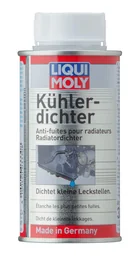
Ein gut gewartetes Heizsystem ist eine Investition, die sich mehrfach auszahlt: durch niedrigere Kosten, höhere Zuverlässigkeit und ein gutes Gefühl der Sicherheit. Mit den richtigen Handgriffen und dem Wissen, wann ein Profi ranmuss, sorgen Sie für eine effiziente und langlebige Wärmeversorgung in Ihrem Zuhause. Das passende Zubehör und nützliche Elektowerkzeuge für Ihre Projekte finden Sie bei Westfalia.
Häufige Fragen
- Wie oft sollte ich meine Heizung entlüften?
- Entlüften Sie Ihre Heizkörper bei Bedarf, typischerweise zu Beginn der Heizperiode. Wenn Sie ein Gluckern oder Plätschern hören oder der Heizkörper oben kalt bleibt, ist es Zeit. In einem gut gewarteten System ist dies oft nur einmal im Jahr notwendig. Häufigerer Bedarf kann auf ein tieferliegendes Problem hinweisen.
- Was kostet eine professionelle Heizungswartung?
- Die Kosten für eine Standardwartung durch einen Fachbetrieb liegen meist zwischen 150 und 250 Euro. Der Preis variiert je nach Anlagentyp, Region und dem Umfang der Arbeiten. Ein Wartungsvertrag kann die Kosten oft etwas senken und stellt sicher, dass Sie den jährlichen Termin nicht vergessen.
- Meine Heizung wird nicht richtig warm, obwohl sie entlüftet ist. Was tun?
- Prüfen Sie zuerst den Wasserdruck der Anlage und das Thermostatventil am Heizkörper. Ist beides in Ordnung, könnte das Ventil klemmen. Wenn auch das nicht hilft, liegt eventuell ein Problem mit dem hydraulischen Abgleich oder der Heizungssteuerung vor. Hier sollte ein Fachmann die Ursache prüfen.
- Ist das Dämmen von Heizungsrohren wirklich effektiv?
- Ja, absolut. Besonders in unbeheizten Räumen wie Kellern oder auf dem Dachboden geht über unisolierte Rohre viel Wärme verloren. Die Dämmung ist eine der kostengünstigsten und effektivsten Maßnahmen, um sofort Energie zu sparen. Die Investition amortisiert sich oft schon innerhalb von ein bis zwei Heizperioden.
- Darf ich den Wasserdruck meiner Heizung selbst nachfüllen?
- Grundsätzlich ja, wenn Sie sich an die Anleitung des Herstellers halten. Moderne Anlagen benötigen oft speziell aufbereitetes Wasser und einen Systemtrenner, um eine Verunreinigung des Trinkwassers zu verhindern. Wenn Sie unsicher sind, überlassen Sie diese Aufgabe lieber dem Fachmann bei der jährlichen Wartung.
Das könnte Sie auch interessieren
- Wie funktioniert eine Heizung? Grundlagen der Haustechnik einfach erklärt
- Heizungswartung: Kosten, Nutzen und Spartipps für Ihr Zuhause
- Heizkostenabrechnung verstehen: So sparen Sie richtig
- Heizung warten: Tipps gegen Wärmeverluste und Risse
- CO2-Emissionen beim Heizen senken: Tipps für mehr Effizienz
- Heizsysteme im Haus: Kosten und Effizienz im direkten Vergleich