
In brief: To repressurize your heating system, check the system pressure, add water if needed, then bleed the radiators. Turn off the heating. Connect a hose to the filling valve and the water supply. Slowly open both valves until the pressure gauge reaches the target pressure. Close the valves in reverse order, then bleed all the radiators.
How to Repressurize a Boiler: A Simple Guide
The pressure in your heating system is dropping, and the radiators are gurgling. Before calling a heating technician, you may be able to fix the problem yourself. Repressurizing the system and bleeding the radiators are basic maintenance tasks.
Here’s how to do it.
Why do I need to repressurize my heating system?
A sealed heating system operates under pressure. This keeps the water liquid at high temperatures and ensures it circulates evenly. Over time, air can enter the system, for example through tiny leaks or when you bleed the radiators.
Air collects in the radiators, causing the system pressure to drop. The heating system becomes less efficient and uses more energy to produce the same amount of heat. If the pressure gets too low, it can damage the heating pump or cause the whole system to shut down.
A system pressure that is 0.5 bar too low can noticeably increase a heating system’s energy consumption. The pump has to work against greater resistance.
Regular checks and occasional top-ups are therefore part of basic maintenance. They save energy and help prevent damage. You can find suitable plumbing and irrigation supplies in our range for all kinds of water supply work.
How do I check my heating system pressure?
First, check the pressure. Find the pressure gauge on your heating system. It is often located on the boiler or pump. The gauge shows the current system pressure in bar.
Take the reading when the system is cold, after the heating has been off for several hours. The ideal pressure depends on the height of your home. For a typical two-story single-family home, the target pressure is usually between 1.0 and 1.5 bar.
Important note
Always turn off your heating system before working on the water or pressure circuit. Disconnect it from the power supply or set the system switch to "Off". This helps prevent damage from the pump running dry.
If the reading is well below this range, you will probably need to add water. Make a note of the starting pressure so you can monitor the refill. You will need a sturdy water hose for the connection.
What tools and materials do I need?
You will need a suitable hose that connects your faucet to the filling connection on the heating system. Adapters are often needed.
Use demineralized water. Ordinary tap water contains limescale and salts that can build up in the system and reduce its performance. Keep a bucket or bowl handy to catch any drips, and have a cloth ready too.
To bleed the radiators afterward, you will need a radiator key or a pair of pliers for square bleed valves. Radiator bleed valves are standardized, and the right key costs very little. It is well worth having one. Keep a flat-head screwdriver handy as well.
Pro tip
Gather all your tools and materials before you start. Check that the hose fits snugly onto the connections. A leaking hose during filling can cause water damage. A quick test with tap water can give you extra peace of mind.
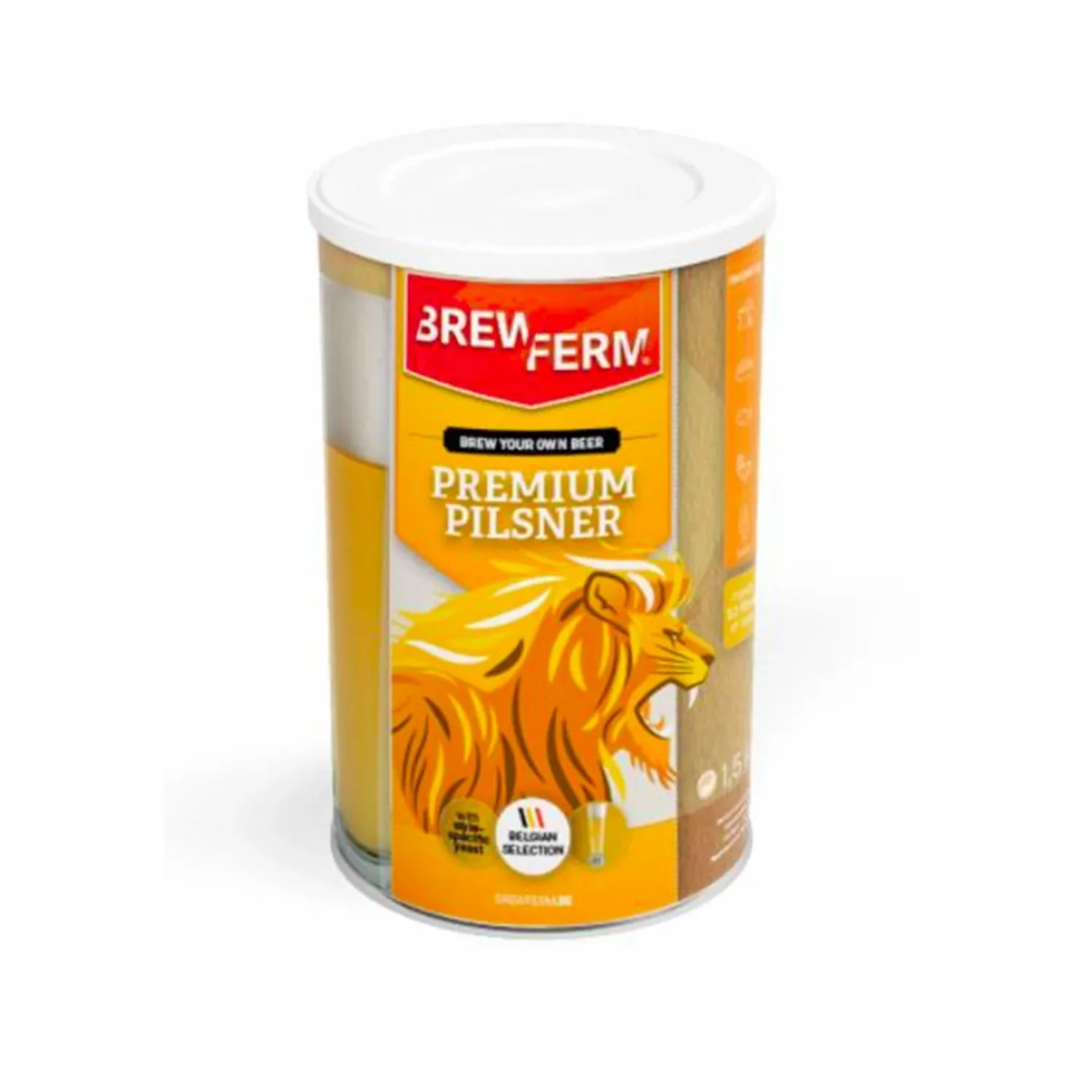
While you wait for the heating system, you could work on another project. How about brewing your own beer? The has everything you need to brew great pilsner at home.
How do I refill my heating system step by step?
Now you’re ready to get started. Follow these steps carefully.
Step 1: Turn off the heating. As noted above, turn off the system as a precaution. Turn all radiator thermostat valves fully open. This will help the water circulate properly afterward.
Step 2: Connect the hose. Connect one end of the hose to a cold-water faucet. Attach the other end to the filling connection on your heating system. This is usually a separate valve with a cap, often marked or colored blue. Tighten the union nuts by hand.
Step 3: Remove the air. Open the faucet slightly. Hold the hose near the heating connection slightly higher than the faucet. Gently squeeze the hose until water comes out of the heating valve. This pushes the air out of the line. Close the filling valve on the heating system again.
Step 4: Add water. First, open the faucet fully. Then slowly open the filling valve on the heating system. Watch the pressure gauge as the pressure rises.
Stop filling when the desired pressure is reached. Usually, 1.2 to 1.5 bar is enough. Close the filling valve on the heating system, then close the faucet.
Never refill the system while it is running, and never raise the pressure suddenly. A slow, controlled increase protects the mechanical components and the expansion vessel.
Step 5: Remove the hose. Disconnect the hose from the heating connection first. A little water will spill, so have your bucket ready. Then disconnect the hose from the faucet and let the remaining water drain into the bucket.
For better water quality in your home, you can use a water filter.
Why do I need to bleed the heating system after refilling it?
The added water contains dissolved air. This rises to the highest points in the system, usually the upper parts of the radiators. These air bubbles can block the flow of water.
Some parts of a radiator may stay cold, and you may hear gurgling or rushing noises. The whole system becomes less efficient, so bleeding the radiators is an essential second step.
After refilling the system, turn on the heating pump and let the system circulate for a few minutes. Then bleed the radiators one by one, starting on the lowest floor and working your way up.
Additional advice
Insulate your heating pipes, especially in unheated areas such as the basement. Good heating pipe insulation can noticeably reduce heat loss. This saves energy and reduces the load on your heating system, which may also help maintain the pressure.
Bleed the radiators while the pump is running so the air is carried out of the system. After bleeding, the pressure on the gauge may drop slightly. This is normal. Check it again the next day when the system is cold.
How do I bleed my radiators properly?
The procedure is the same for every radiator. Locate the bleed valve near the top, usually opposite the thermostatic radiator valve.
Place a small container or cup directly beneath the valve, and keep a cloth handy. Fit a radiator key or pliers onto the square valve head.
Slowly turn the valve counterclockwise about a quarter to half a turn. You will hear a hissing sound as air escapes. Let the air out until a steady, thin stream of water comes out.
Tighten the valve right away. Be careful, since the valve is often made of soft brass. Do not overtighten it. Repeat the process for every radiator in your home, including those in rooms you rarely use.
After bleeding all the radiators, check the system pressure on the pressure gauge again. If needed, top it up in small increments to maintain the correct pressure. Then turn the heating back on as usual. The radiators should now heat evenly and quietly.
Found more projects to tackle after bleeding your radiators? Find everything you need for the outdoors in our Garden + Outdoor category.
What should I do if problems persist?
Sometimes topping up the system and bleeding the radiators is not enough. If the pressure drops significantly again within a few days or weeks, there may be a problem.
The most common cause is a leaking expansion tank. It absorbs pressure changes caused by the heating water expanding. If its diaphragm has ruptured, the system will steadily lose pressure. A qualified heating technician can inspect and replace the tank.
Leaks at connections, valves, or even inside a radiator are another possibility. Look for damp spots or water stains beneath the pipes. A safety valve that keeps dripping also points to a problem.
In these cases, contact a heating technician. A professional inspection can identify the cause and restore your system's safe operation. Regular maintenance can catch these problems early.
Remember to check other areas of your home, too. Insects can be a nuisance in summer. The keeps them under control electronically and hygienically in a convenient twin pack.
How can I prevent pressure problems in the long term?
The best approach is to monitor the pressure regularly. Check the pressure gauge on your boiler once a month, especially at the start of and during the heating season. Keep a record of the readings.
Have your heating system serviced by a qualified professional every one to two years. The service technician cleans the burner, checks the flue gases, inspects the expansion tank, and checks the system pressure. This can significantly extend your system's service life.
Pay attention to the water hardness in your area. If the water is very hard, installing a water softener may be worthwhile. It protects your heating system and other household appliances.
Insulate exposed heating pipes. This saves energy and keeps your heating system from working harder to make up for heat loss. Bleed radiators as soon as you hear gurgling.
These simple steps can help keep your boiler pressure stable. They help you maintain an efficient heat supply and avoid costly repairs. Basic maintenance is often something you can handle yourself.
Frequently asked questions
- How can I tell if my heating system needs to be topped up?
- The main sign is low pressure on your boiler's pressure gauge, usually located on the front of the boiler or heating unit. When the system is cold, pressure should be between 1.0 and 1.5 bar, depending on the building's height. Gurgling radiators can also indicate air in the system.
- What kind of water should I use to top up my heating system?
- Ideally, use demineralized or softened water. Tap water contains minerals that can build up in pipes and the heat exchanger, reducing efficiency and potentially causing damage. You can find demineralized water at home improvement stores or specialty retailers.
- How often should I top up my heating system?
- An occasional pressure loss of 0.1 to 0.2 bar per year is normal. However, if you need to top up the system several times in one heating season, there may be a leak. Have a qualified professional inspect the system. Regular maintenance includes a pressure check.
- Can I bleed my heating system myself?
- Yes, you can usually bleed your radiators yourself. You will need a radiator key or suitable pliers. Slowly open the valve at the top of each radiator until only water comes out. Keep a container handy. The heating pump should be running while you do this.
- What happens if the pressure in my heating system is too high?
- Pressure above 2.5 bar puts excess strain on heating system components. The safety valve may open and release water. First, check whether you added too much water. If the pressure stays high, it could indicate a faulty expansion tank that should be checked by a qualified professional.
You may also be interested in
- Boiler not heating up: Find and fix the causes
- Build your own heating system: Step-by-step guide for home and garden
- Maintain your heating system: Tips to prevent heat loss and cracks
- Bleed and clean radiators: Tips for greater efficiency
- Replace radiators: How to do it properly
- Lay heating pipes: DIY guide to efficient heating