
In brief: You can cut pavers accurately with a wet saw or a paver splitter. A guide rail is ideal for straight cuts. Mark the cutting line clearly. Always wear safety goggles, hearing protection and a dust mask. Proper preparation of the base is essential for a long-lasting result.
How to Cut Pavers for Garden Paths
A garden path looks seamless only when the edge pavers fit properly. The cuts affect both its appearance and stability. This guide explains how to cut concrete and natural stone pavers accurately.
Why is precise cutting so important?
Tight joints help keep water and weeds out. Precisely cut edge pavers support the paver base and help prevent the entire surface from shifting sideways. A clean finish against the lawn or flower bed looks professional and enhances your garden design.
Rough cuts leave wide, uneven joints that are difficult to fill with jointing sand. The edges are also more likely to chip, shortening the path's lifespan. Plan each cut carefully.
The quality of the cut determines how long a paved surface lasts. A cleanly cut paver supports the jointing sand and helps prevent it from washing out too soon.
Which tool is right for each type of paver?
The right tool depends on the material and how many pavers you need to cut. An angle grinder works well for a few cuts. For larger projects, a wet saw delivers the best results.
A wet saw for clean, precise cuts
A wet saw guides a diamond blade while continuously spraying water over the cut. The water cools the blade, controls dust and leaves a smooth edge with minimal chipping. A wet saw is ideal for concrete pavers, clinker bricks and natural stone.
The machine needs a power connection and a drain. Set it up on a level surface. Its built-in guide rail helps you make cuts that follow your marking accurately.
Pro tip
Let the wet saw run for a few seconds before cutting so the blade reaches full speed. This helps create a clean start. Cut with steady, moderate pressure.
An angle grinder for flexible cutting
An angle grinder fitted with a diamond blade for stone is a versatile tool for cutting pavers. It's easy to handle and can be used almost anywhere. Its main drawback is the large amount of dust it creates. Always work outdoors and wear appropriate protective gear.
For straight cuts, use a special guide rail that clamps onto the paver. Without a guide, the cut can quickly veer off course. Make sure the blade is designed for your material. A metal-cutting blade won't cut stone efficiently.
Find suitable power tools and accessories for precise cuts with an angle grinder in our power tools category.
A hammer and chisel for traditional cutting
This manual method is suitable only for soft concrete pavers or thin clinker bricks. Mark the desired break line all the way around with a stone chisel or by scoring a groove. Then place the paver on a sharp metal edge and strike the chisel precisely with a hammer.
The result is rarely perfectly straight, but may be good enough for hidden corners. There's a high risk of the paver breaking unpredictably, so practice on a leftover piece first.
Important note
When cutting with an angle grinder or wet saw, always wear full protective gear: safety goggles, hearing protection, a dust mask (FFP2) and sturdy gloves. Make sure the tool is secure and keep the cord clear of the work area.
How do I prepare for the cut?
Good preparation is key. Start with a careful plan. Mark out the route of your garden path. Lay the full pavers in place and identify every spot that needs a cut.
Measure each paver twice. Remember to account for the joint width. A standard joint is three to five millimeters wide. Use a square and a waterproof pen or chalk marker to transfer the measurements clearly onto the paver.
Find tools for the prep work, such as measuring rods and marking pens, in our garden tools section.
How do I make the cut step by step?
1. Secure the paver. Place it on a stable, level surface. With a wet saw, secure it in the machine's vise. With an angle grinder, clamp it firmly to a workbench using screw clamps.
2. Align the guide. Position the guide rail exactly along your marking. If cutting freehand, focus on following the line.
3. Start cutting. Let the tool reach full speed. Place the blade at the outermost end of the marking. Guide it through the paver with steady, gentle pressure.
4. Finish the cut cleanly. At the end of the cut, let the blade stop completely before lifting it from the paver. For thick pavers, don't cut all the way through. Instead, break the remaining section over a sharp edge.
The most common mistake is rushing. Too much pressure can overheat the blade, dull it and leave rough edges. Let the tool do the work. Control and patience matter more than force.
How do I cut complex shapes and angles?
Curved paths and corner joints often need angled cuts. For a 45-degree angle or another set angle, use a miter guide. Attach it to your wet saw or angle grinder.
For round cutouts, such as those around pipes or tree stumps, use a jigsaw with a diamond blade or drill several holes along the curve. Carefully break out the sections between the holes with a hammer and small chisel. Then smooth the edge with a rasp or sharpening stone.
Sturdy hand tools are essential for detailed work like this. Browse our workshop supplies category for suitable accessories.
Additional advice
For complex patterns such as circles or arcs, wait to cut the pavers until you've laid all the full pavers. That way, you can get a precise fit on site. Place the paver to be cut directly over the gap, mark the outline and make the cut.
How do I cut natural stone pavers?
Granite, basalt and sandstone are harder and more irregular than concrete. Use only diamond blades rated for natural stone or hard concrete. Cutting takes noticeably longer.
Use a wet saw. Cooling is essential when cutting these materials. It protects the blade and helps prevent thermal cracks in the stone. Take your time and let the machine do the work.
What safety measures should I take?
Safety goggles and hearing protection are essential. A cutting machine can be loud enough to cause permanent hearing damage. A dust mask filters harmful silica dust from concrete pavers. Wear long sleeves and sturdy work gloves.
Secure the paver so it can't slip. Kickback, when the tool suddenly recoils, can cause serious injuries. Keep the cord behind you and away from the cutting line. Never work when you're tired or in a hurry.
Find a range of safety gear in our shop.
How do I lay cut pavers correctly?
Prepare a frost-resistant base of crushed stone or gravel and compact it thoroughly. Then add a bedding layer of fine gravel or sand about four centimeters thick.
Lay the full pavers first, then fit the cut edge pavers. Tap them into place at the same height with a rubber mallet. Keep the joints even. Finally, fill them with special jointing sand and sweep it in thoroughly.
Find all the materials you need for the base and installation in our garden equipment category.
Recommended products for your project
For precise drilling into hard materials, such as when making cutouts, a high-quality drill bit set is essential. The
features four carbide cutters for SDS-plus rotary hammers and is suitable for concrete and masonry.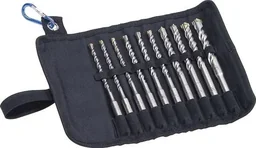
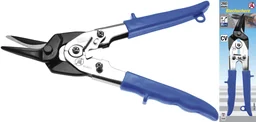
For cutting metal edge trim to size or adjusting tarps, you need a sturdy pair of tin snips. We stock both left-cutting and straight-cutting
as well as right-cutting models for precise cuts.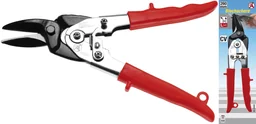
For trimming plants or removing troublesome branches while building a path, sharp one-handed bypass pruners are ideal. The
makes precise cuts and feels comfortable in your hand.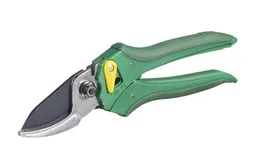
With the right tools, careful preparation and patience, you can create a garden path with cleanly cut pavers. The time you invest will pay off in a durable, attractive paved surface.
Frequently Asked Questions
- What is the best tool for cutting pavers?
- A wet saw with a diamond blade is the best tool for precise, clean cuts. It minimizes dust and helps prevent the edges from chipping. For a small number of pavers or thinner stones, you can also use an angle grinder with a suitable cutting disc, though it creates a lot of dust.
- How can I keep paver edges from chipping when I cut them?
- Score the paver from top to bottom without cutting all the way through, then snap it cleanly over a sharp edge. Use a wet saw to cool the blade and keep the cut clean. A sturdy guide rail also helps prevent the saw from slipping.
- What safety precautions should I take when cutting pavers?
- Always wear safety glasses, hearing protection, a dust mask (at least FFP2) and sturdy footwear. Make sure your equipment is stable, and keep the live power cord outside the cutting area. When using an angle grinder, hold it with both hands and use the side handle.
- Can I cut natural stone pavers such as granite or basalt?
- Yes, but you’ll need a special diamond blade for natural stone or hard concrete. Cutting takes longer and requires more pressure. A wet saw is almost essential for cutting natural stone because it controls heat buildup and protects the expensive blade.
- How do I figure out how many pavers I need to cut?
- Draw a scale plan of your garden path. Count all the full pavers, then mark the edges where cuts are needed. Allow for 5-10% waste, especially with complex patterns such as circles or diagonal layouts.
You may also be interested in
- How to Lay Pavers: A Step-by-Step Guide for Your Garden Path
- How to Choose the Right Pavers for Garden Paths and Driveways
- How to Lay Patio Slabs: A Step-by-Step Guide for Patios and Paths
- How to Cut Porcelain and Ceramic Tile
- How to Cut Clean Lawn Edges: The Complete Guide
- How to Lay a Stone Patio: A Step-by-Step Guide for DIYers