
In brief: Ferment beets with brine or their own juice in a clean jar. Lactic acid bacteria acidify the vegetables over several days and preserve them with plenty of flavor. The key factors are 2 percent salt, keeping the vegetables fully submerged, clean handling and chilling afterward. This creates a crisp homemade preserve for salads, bowls and snacks.
Ferment beets with salt, water and time. Lactic acid fermentation gives the vegetables a pleasantly tangy flavor, preserves their crisp texture and adds variety to your homemade preserves.
Fresh beets can be stored in a cellar for several weeks, but a jar of fermented beets offers a different way to use your harvest. The roots remain raw, retain their rich color and develop a savory, tangy flavor. They are delicious with sandwiches, salads, bowls and warm potato dishes.
Why is it worth fermenting beets?
Lactic acid fermentation instead of vinegar
When you ferment vegetables, vinegar is not responsible for preservation. Lactic acid bacteria break down some of the natural sugars in the vegetables and produce lactic acid. The pH level drops, the flavor becomes tangy and many unwanted microorganisms find less favorable conditions.
Beets are particularly well suited to fermentation because they contain plenty of natural sweetness. The roots remain crisp during a short fermentation. Thin sticks absorb the brine quickly, while thicker cubes take longer and develop a more intense flavor.
This process differs from canning. When canning, you heat the vegetables and then seal them. When fermenting, the beets remain raw. The live microorganisms are only preserved if you do not heat the finished vegetables extensively afterward.
Flavor, nutrients and digestibility
Beets provide fiber, folate and potassium. Fermentation is not a substitute for a balanced diet and does not turn vegetables into a remedy. It mainly changes the flavor, acidity and texture. The brine also adds salt to the finished food.
Unpasteurized ferment may contain live lactic acid bacteria. Their quantity depends on the temperature, salt content, fermentation time and storage conditions. If you use the beets in a hot soup, the flavor remains, but the heat largely reduces the live cultures.
“During lactic acid fermentation, microorganisms convert sugar into lactic acid. The pH level drops, and the vegetables develop their characteristic tangy flavor.”
Choose the right harvest
Use firm, undamaged roots without soft spots. Cut small to medium-sized beets evenly so that all the pieces ferment at a similar rate. Large, fibrous roots are better suited to grated ferments or cooked preserves.
If you would like to grow the roots yourself, you can find suitable vegetable seeds.
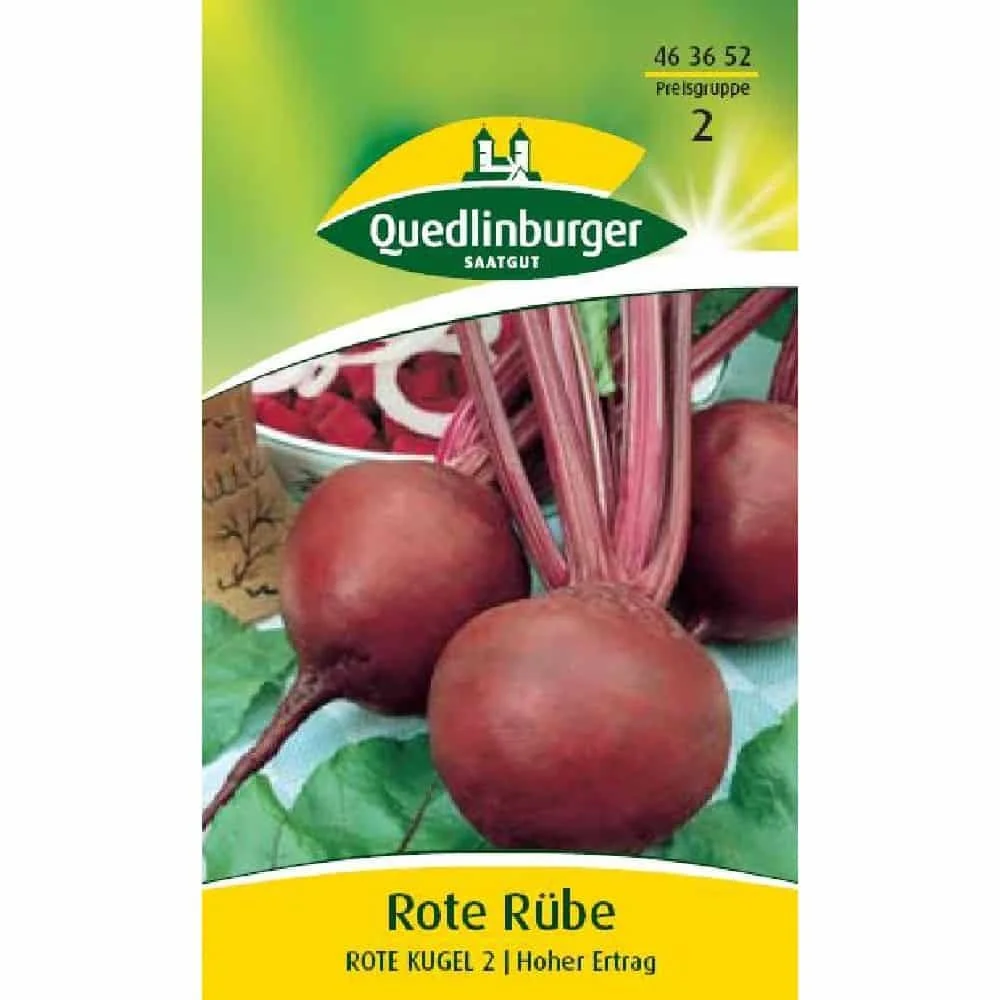
, the Moulin Rouge variety, and , Rote Kugel beets, are a perfect fit for this topic. Growing your own vegetables combines gardening with practical food preservation.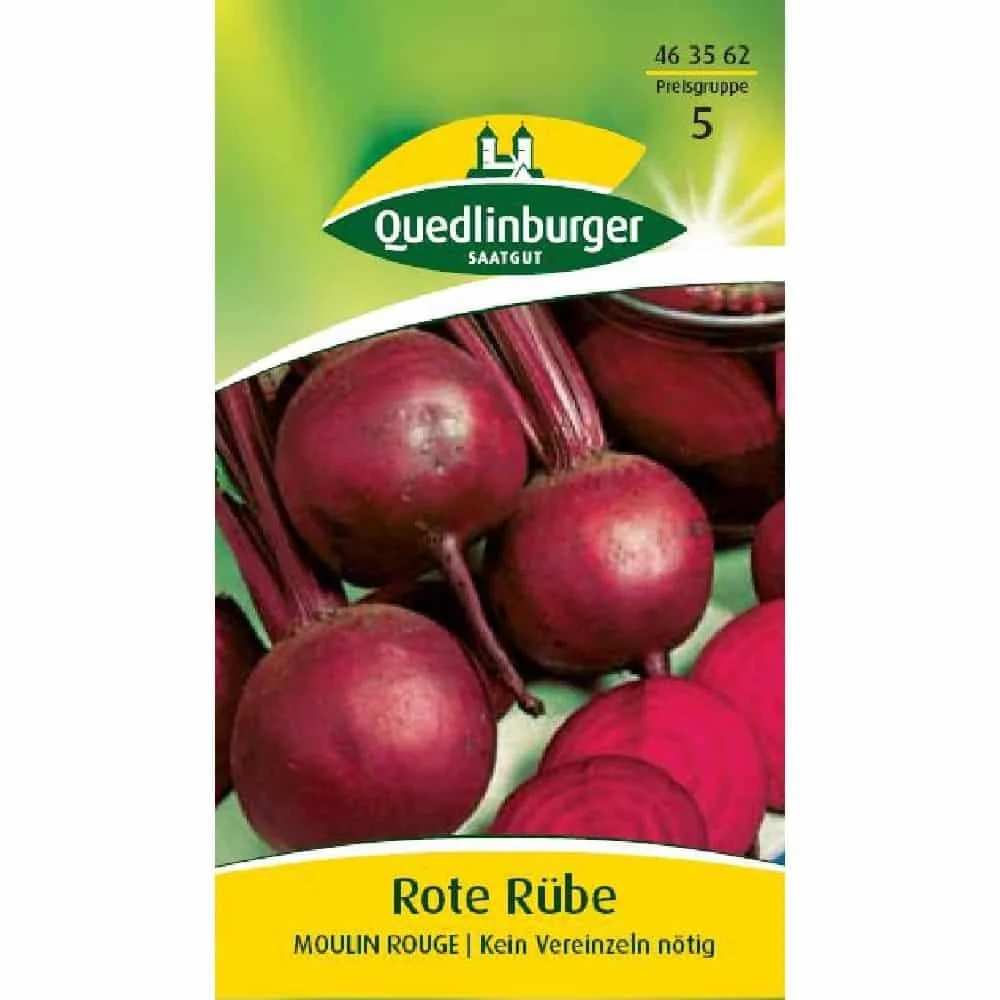
You can find the basics of storage, drying and other methods in the book
. It complements the fermentation recipe if you would like to preserve your harvest using several methods.
What ingredients and jars do you need?
The basic recipe for one jar
For about 1 kilogram of beets, prepare a 2 percent brine. Dissolve 20 grams of pure salt in 1 liter of water. You do not necessarily need the entire amount, but you should prepare enough brine to cover the vegetables completely.
- Vegetables: 1 kilogram of raw, firm beets
- Brine: 1 liter of water and 20 grams of salt
- Flavorings: optionally 1 to 2 cloves of garlic, ginger, dill, caraway, pepper or horseradish
- Jar: a clean fermentation jar with a capacity of 1 to 2 liters
- Weight: a glass fermentation weight or another food-safe weight
Weigh the salt. Depending on the grain size, a heaped tablespoon can provide different amounts. Too little salt makes the vegetables less stable and the fermentation less controlled. Too much salt strongly inhibits the lactic acid bacteria and makes the beets unnecessarily salty.
Jar, weight and tools
The jar must be clean, undamaged and heat-resistant. Rinse it with hot water or clean it in the dishwasher. Then let it dry on a clean cloth. An airtight jar with a fermentation valve makes getting started easier, but a standard clamp-top or screw-top jar works as well.
You will also need a kitchen scale, a sharp knife, a cutting board, a clean funnel and a spoon. Before filling the jar, check that the weight fits through the opening. The vegetables should not stick to the upper rim of the jar later.
For more helpers for preparation and storage, browse the Westfalia shop. When fermenting, use only materials that are suitable for food contact.
Pro tip
Mark the brine level on the jar and write down the start date. This makes it easy to see whether any liquid is missing and how long the beets have been fermenting.
How do you ferment beets in a jar?
This recipe uses beet sticks in brine. Work carefully and keep the pieces submerged after filling the jar. Oxygen at the surface encourages unwanted growth and makes fermentation uneven.
- Prepare the jar: Thoroughly clean the jar, lid, weight, knife and cutting board. Wash your hands. Rinse the beets, remove any soil, and cut off the leaves and root end.
- Prepare the brine: Weigh out 20 grams of salt and dissolve it in 1 litre of cold or room-temperature water. Stir until no salt crystals remain on the bottom. Do not use warm water if you are pouring the brine directly over the vegetables.
- Cut the beets: Peel the beets if needed and cut them into even sticks or cubes. Pieces about 0,5 to 1 centimetre thick remain pleasantly crisp and are easy to portion later. Wear kitchen gloves if you have sensitive skin, as the juice stains intensely.
- Fill the jar: Place the beets loosely in the jar. Add garlic, ginger, dill or spices between the layers if desired. Leave at least 2 to 3 centimetres of space at the top, pour in the brine and press the pieces down with a clean spoon.
- Weigh down and seal: Place the jar weight on top of the vegetables. The brine must cover all the pieces. Seal the jar, place it on a plate and keep it in a dark place at around 18 to 22 °C.
- Leave to ferment: Check the jar daily. With a regular screw-top jar, briefly loosen the lid if considerable pressure has built up, then seal it again. An airlock relieves pressure automatically.
Bubbles may rise during the first few days. The brine often becomes slightly cloudy and turns dark red. These changes are part of active fermentation. Open the jar only briefly and always use clean utensils when removing a piece for inspection.
Important note
If any beets rise above the brine, press them back down immediately. If you see fuzzy mould, notice a rotten smell or slimy liquid, or observe unusual discolouration, do not taste the ferment. Discard the entire contents and clean the jar thoroughly.
What should you do if there is not enough brine?
The vegetables absorb some liquid during the first few days. If the level drops, prepare a small amount of fresh 2-percent brine and carefully top it up. Do not use plain water, as it dilutes the salt concentration.
If the beets still float upwards despite the weight, you can use a smaller glass lid or an additional food-safe weight. Do not press down on the vegetables with an unsuitable metal object. Damaged coatings or rust must not come into contact with the ferment.
How can you tell when the beets have finished fermenting?
How long fermentation takes
At 18 to 22 °C, beets usually need five to ten days. Fermentation is slower in a cool room and considerably faster at higher temperatures. The exact duration also depends on the size of the pieces, sugar content and salt concentration.
- Days 1 to 2: The brine initially appears clear or slightly reddish. Small bubbles may begin to form.
- Days 3 to 5: The smell becomes more sour. The beets colour the brine intensely and lose some of their raw sharpness.
- From day 5: Use clean utensils to taste a small piece. The beets should taste fresh, sour and pleasantly seasoned.
- Once the desired acidity is reached: Seal the jar tightly and place it in the refrigerator. Fermentation will continue slowly there.
“During fermentation, the vegetables must remain completely submerged in the brine. The low-oxygen environment supports the desired fermentation and protects the surface.”
Distinguishing normal signs from warning signs
Bubbles, slight cloudiness and a sour smell usually indicate active lactic acid fermentation. A whitish film may also form if the surface was not completely covered. In this case, inspect everything especially carefully and discard the entire jar as soon as you have any doubts.
A deep red colour is normal for beets. The colour may appear lighter or darker at the surface if pieces have been in the brine for different lengths of time. What matters is a clean, sour smell, a firm texture and a flavour without any rotten or musty notes.
Common mistakes when fermenting
- The vegetables remain hard: Leave them to ferment for longer or cut the next batch more thinly. A very cool location slows acid production.
- The ferment tastes too salty: Briefly rinse small portions before serving. Do not reduce the amount of salt arbitrarily in the next batch; stick to the 2-percent brine.
- No bubbles form: Not every ferment produces a visibly large amount of gas. Check the smell, taste and acid development. If the smell is neutral or unpleasant, discard the batch.
- The surface dries out: Press the vegetables under the brine and add 2-percent brine if necessary. If mould is already visible, do not remove only the dry pieces from the surface.
How do you store and use fermented beets?
Store in the refrigerator
Once the beets have fermented for the desired length of time, place the jar in the refrigerator. The cold slows the activity of the lactic acid bacteria and stabilizes the flavor and crunch. Keep the jar sealed and make sure the beets remain fully covered with brine.
Fermented beets are not automatically shelf-stable. Unless you use a tested canning method, do not store the jar at room temperature. The combination of salt, acidity and refrigeration keeps the vegetables fresh for longer, but it does not replace proper hygiene controls.
Remove portions with a clean fork and reseal the jar immediately. Do not put a used fork or damp crumbs back into the brine. This helps prevent additional contamination and extends the quality of your preserved beets.
Fermented beets in the kitchen
Tangy beets require little preparation. Cut them into small cubes and add them to lamb's lettuce, potato salad or a grain bowl. A spoonful of fermented brine adds flavor to a vinaigrette when combined with oil, mustard and a little honey.
- For supper: Serve beets with cream cheese, hummus, goat cheese or hearty farmhouse bread.
- As a side dish: Pair the strips with baked potatoes, lentils, fried tofu or grilled vegetables.
- For salads: Combine the beets with apple, walnuts, arugula and a mild vinaigrette.
- For bowls: Use their vibrant color to contrast with rice, couscous, chickpeas and herbs.
- As a seasoning: Finely chop small amounts and stir them into cream cheese, quark or a yogurt dip.
Flavors and variations
Garlic gives the ferment a savory note, ginger adds heat and dill brings freshness. Caraway works well with a hearty meal, while horseradish makes the beets particularly piquant. Use only a few seasonings per jar so the natural acidity remains noticeable.
You can combine beets with cabbage, carrots or onions. Cut all the vegetables to a similar size and make sure the brine covers everything. Each additional ingredient changes the sugar content, water content and fermentation speed. Write down your mixture if you want to recreate a successful variation.
For your own garden vegetables, the Garden + Outdoor section offers useful ideas. After harvesting, clean preparation determines whether the roots become a reliable food supply.
Additional advice
Start with a small jar and a mild spice blend. Note the amount of salt, room temperature, cut size and number of fermentation days. This will help you quickly find your preferred balance of acidity, seasoning and crunch.
Fermenting beets requires just a few ingredients and clear rules: 2 percent salt, clean tools, complete submersion and refrigeration afterward. This naturally preserves your harvest and gives you a versatile DIY food for everyday cooking.
Frequently asked questions
- How much salt do I need to ferment beets?
- For beets, use 20 grams of salt per liter of water for a 2-percent brine. For grated beets, weigh the vegetables and mix in 20 grams of salt per kilogram. Use pure salt without anti-caking agents and measure it with a kitchen scale.
- How long do beets need to ferment?
- At 18 to 22 °C, beets usually ferment for five to ten days. Check the flavor and acidity from the fifth day onward. As soon as the vegetables taste pleasantly tangy, place the sealed jar in the refrigerator. Cold storage slows fermentation and preserves the desired crunch.
- Why won't my beets stay under the brine?
- If the beets rise above the brine, press them down with a fermentation weight or a suitable small, clean weight. The brine must completely cover the vegetables. If pieces float up again, briefly open the jar, remove any visible residue from the rim and weigh down the contents again.
- Can I store fermented beets at room temperature?
- No, store fully fermented beets in the refrigerator. Fermentation at room temperature is only the initial stage. Cold temperatures slow the activity of the lactic acid bacteria. Keep the jar sealed, remove portions with clean utensils and check the smell and surface before eating.
- How can I tell if fermented beets have spoiled?
- Discard the entire jar if you see fuzzy mold, notice a rotten or strongly unpleasant smell, find slimy brine or see unusual discoloration. Do not taste anything that looks suspicious. Slight cloudiness, bubbles and a tangy smell, on the other hand, are normal signs of lactic acid fermentation and indicate active fermentation.