
In brief: To grow petunias successfully, choose a sunny spot, fertilize regularly and deadhead spent flowers. Start the fine seeds indoors on a windowsill from February onward. Trim faded shoots to encourage more blooms. Avoid waterlogged soil and shade.
How to Care for Petunias: The Complete Guide
Petunias turn balconies and patios into a sea of color. They’re easy to care for if you follow a few basic rules. This guide covers sowing, choosing the right location, pruning and fertilizing to help your balcony flowers thrive from May until the first frost.
For successful petunia care, you’ll need the right supplies. In our Garden & Plant Accessories category, you’ll find pots, potting mix and tools. For watering supplies, visit Garden Irrigation.
Petunias come in many varieties, including trailing, upright and double-flowered types. Each has its own advantages. Whatever variety you choose, proper propagation and consistent care are essential.
How Do I Successfully Sow Petunias?
Growing petunias from seed is a rewarding gardening project. It saves money and gives you access to unusual varieties. Start early in the year, since petunias grow slowly.
When to Sow Petunias
Sow from mid-February through the end of March. The seeds germinate at around 20 degrees Celsius. A bright windowsill or heated mini greenhouse is ideal. You can sow as late as April, but the first flowers will appear later.
Petunia seeds are extremely fine and need light to germinate. Press them lightly into seed-starting mix, but don’t cover them with soil. Use a spray bottle to moisten the mix evenly and keep the seeds from washing away.
Expert tip
Mix fine petunia seeds with dry, fine sand. This makes it much easier to distribute them evenly in the seed tray and helps prevent seedlings from growing in dense clumps.
Step by Step: From Seed to Seedling
Fill a seed tray with low-nutrient seed-starting mix. It’s loose and sterile. Carefully scatter the seeds, then place the tray somewhere warm and bright. Keep the mix consistently moist, but not soggy. A clear cover creates a favorable microclimate.
The first seed leaves will appear after 10 to 14 days. Remove the cover and move the seedlings to an even brighter spot, keeping them out of the intense midday sun. Once the first true leaves appear after the seed leaves, it’s time to transplant them into individual pots.
Carefully separate the delicate plants and move them into small pots filled with richer potting mix. Take care not to damage the roots. A small dibber or blunt pencil can help. Water thoroughly after transplanting.
Sowing early is the key to strong petunias that bloom early. A little patience while growing them from seed pays off with a long season of abundant blooms.
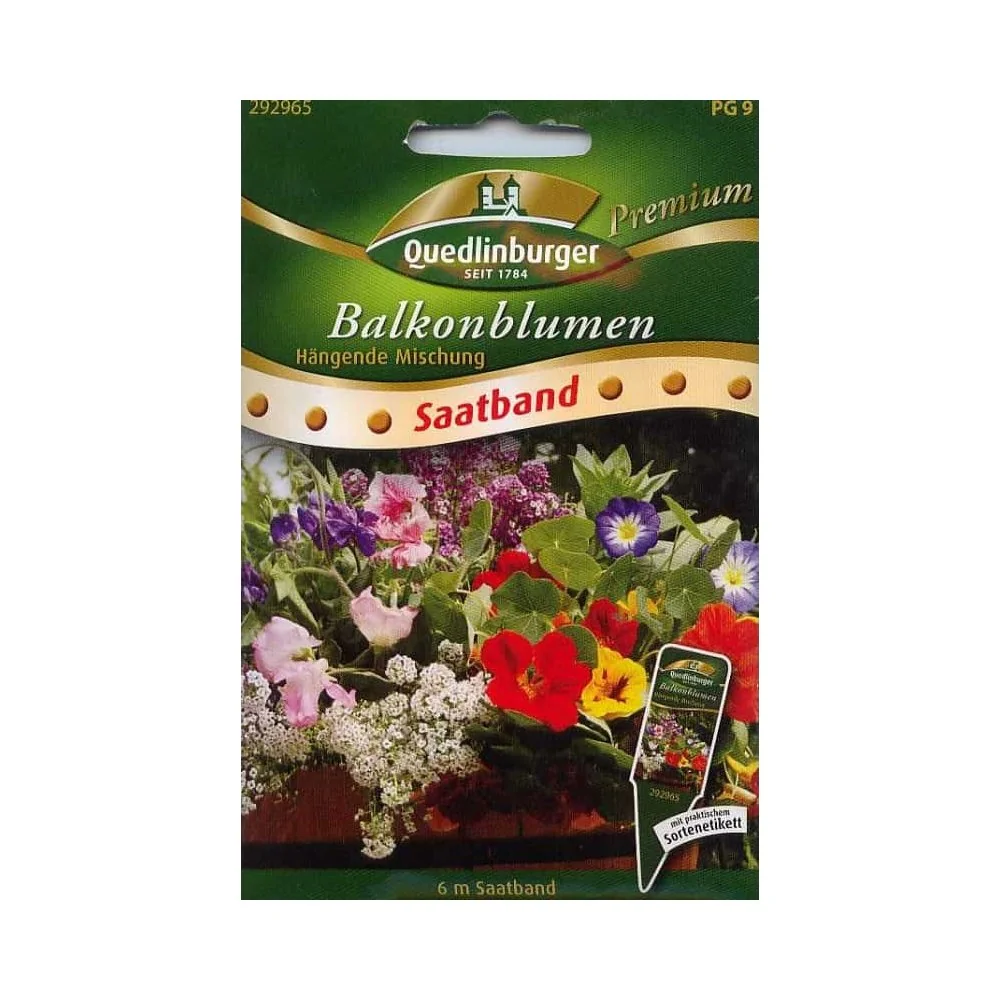
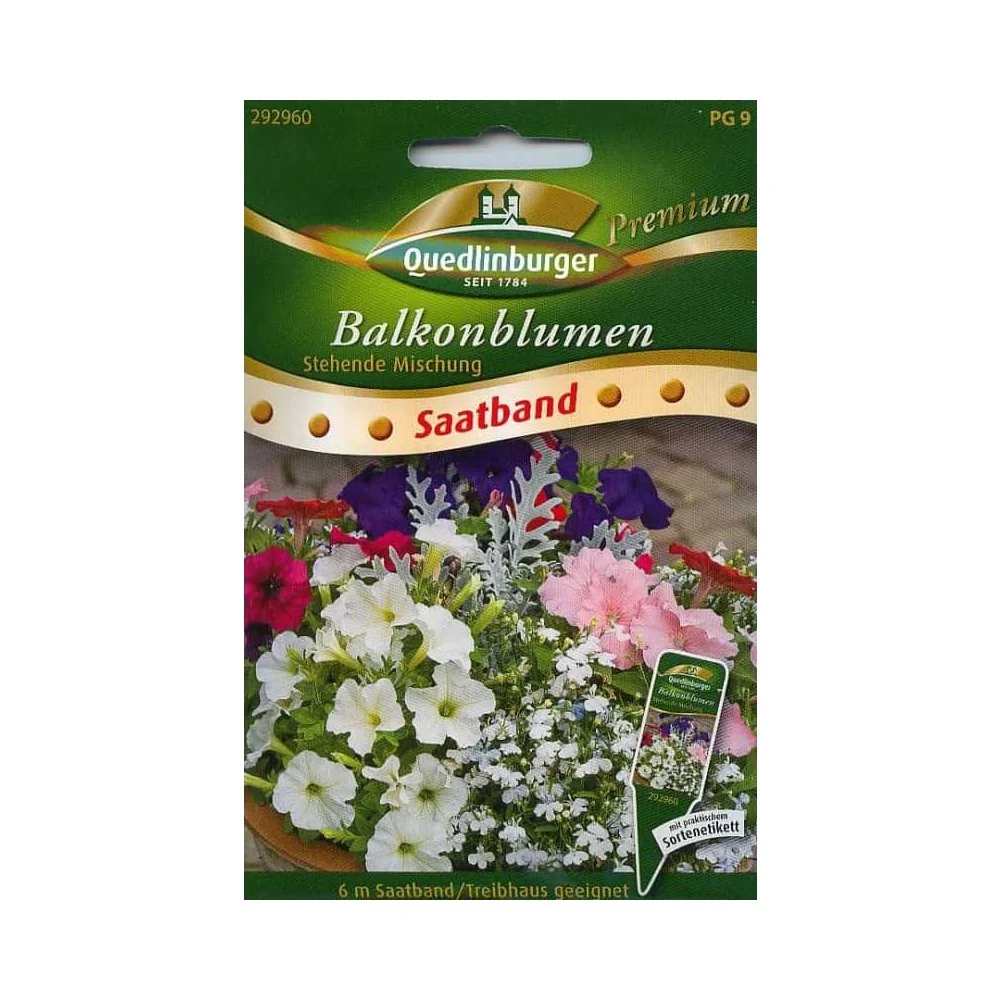
Seed tapes make it easy to sow directly into window boxes or planters. Our balcony flower seed tape, trailing mix, also contains petunias and ensures the seeds are perfectly spaced. Alternatively, the seed tape for upright flowers is another good choice.
What Is the Best Location for Petunias?
Petunias love the sun. They’re naturally suited to warm, sunny regions, so keep that in mind when choosing a spot in your garden or on your balcony.
Sunlight, Wind and Temperature
Choose a spot in full sun with at least six hours of direct sunlight a day. The more sun petunias get, the more abundantly they’ll bloom. Partial shade can lead to long, thin stems and fewer flowers. Full shade is unsuitable.
Protect petunias from strong winds and rain. Their soft stems and flowers break easily. A covered balcony, a spot against a house wall or a covered patio is ideal. Shelter from the wind also helps the potting mix stay moist longer.
Important note
Waterlogged soil is petunias’ biggest enemy. Use pots with drainage holes and a good drainage layer of expanded clay or gravel. Empty saucers promptly after watering so the roots don’t sit in water.
Petunias can’t tolerate frost. Wait until after the Ice Saints in mid-May before leaving them outdoors permanently. A sheltered spot against a heat-retaining house wall encourages growth. Find suitable containers and climbing supports in Garden Equipment.
Choose the Right Potting Mix for Lush Growth
Use high-quality potting mix made for balcony flowers. It has a stable structure, drains well and contains slow-release fertilizer. Heavy garden soil or compost isn’t suitable. It can become compacted and cause root rot.
If needed, mix in some sand or perlite to improve drainage. The potting mix should have a slightly acidic to neutral pH. Don’t fill pots to the rim. Leave about two centimeters of space for watering.
For petunias, a sunny, warm and sheltered spot matters more than an elaborate fertilizing routine. Choosing the right location can make all the difference.
How do I prune petunias for more flowers?
Pruning is more than just cosmetic. It’s essential for keeping petunias blooming profusely over a long season. Petunias tend to become bare in the center and grow long stems with few flowers.
Deadhead regularly
Remove faded flowers daily or at least once a week. Pinch off each wilted flower along with the seed pod beneath it. This prevents seed production and lets the plant put its energy into new buds instead of seeds.
Use sharp, clean scissors or your fingers. Be careful not to damage young buds or stems. The effort pays off: regularly deadheaded petunias will bloom for several weeks longer.
Find the right tools for the job in our garden tools category. A small, handy pair of garden shears is ideal for delicate cuts.
Additional tip
If your petunia stops blooming in midsummer and grows long stems, give it a rejuvenation prune. Cut all stems back by one third to one half, then fertilize thoroughly. Within two weeks, the plant will produce new, bushy growth.
Prune for bushier growth
Trim young petunia plants back slightly after planting. This encourages branching from the base, giving you a bushy, compact plant instead of a few long stems.
For trailing petunias in hanging baskets, cut back excessively long stems that no longer have flowers to short side shoots. This keeps the basket looking attractive from every angle. Always cut just above a pair of leaves or a young side-shoot bud.
For a seed mix with a variety of balcony flowers, try our balcony flower seed mix. You can practice pruning techniques on a variety of plants.
How do I fertilize and water petunias properly?
Petunias are heavy feeders. Nutrients are quickly used up in their limited root space. A consistent watering and fertilizing routine is the key to continuous blooms.
The right fertilizing schedule
Start fertilizing regularly two weeks after planting. The slow-release fertilizer in the soil won’t last the entire season. Use a liquid fertilizer for flowering plants, which is quickly absorbed by the plant.
From April to September, fertilize weekly with your watering water. Follow the manufacturer’s recommended dosage. Overfertilizing damages the roots and causes salt buildup. Stop fertilizing during extreme heat or when the plant appears stressed.
For an organic option, work horn shavings into the soil when planting. This gives the plant a gentle start. Find all fertilizers and soil amendments under fertilizers.
Watering without mistakes
Water petunias thoroughly. Let water run onto the soil until it comes out of the drainage holes at the bottom. This ensures all the roots get moisture. Shallow watering encourages shallow root growth.
The best time to water is early in the morning. The plants can use the water throughout the day. Evening watering can encourage fungal diseases during cool nights. On hot days, check the soil moisture again in the evening. Hanging baskets dry out extremely quickly.
Avoid watering the flowers and leaves. Getting them wet can cause spots and promote powdery mildew. Water directly onto the soil. A watering can with a long, narrow spout is ideal.
Common problems and how to solve them
Even with the best care, problems can arise. They’re usually a sign that conditions aren’t ideal. A quick diagnosis can help save the plant.
Yellow leaves and stunted growth
Yellow leaves often indicate a nutrient deficiency, particularly nitrogen, or waterlogged soil. First, check the soil moisture. If the soil is soaking wet, stop watering and let it dry out.
If the plant has a nutrient deficiency, start fertilizing regularly. Yellow leaves that spread upward from the bottom are a classic sign of nitrogen deficiency. A complete fertilizer will resolve the problem. Remove severely damaged leaves so the plant can put its energy into new growth.
Pests: aphids and whiteflies
Aphids mainly attack young stem tips. Wash them off with a strong stream of water. For severe infestations, organic products made with rapeseed oil or potassium soap can help suffocate the pests.
Whiteflies often appear in warm, dry air. Yellow sticky traps can reduce the infestation. Beneficial insects such as parasitic wasps offer an effective biological control method. Ensure good air circulation to help prevent an infestation.
With the right care, petunias are hardy, rewarding plants that bloom continuously. They reward attention to sowing, site selection and pruning with an abundance of flowers. Start your project with the right products from our Garden + Outdoor range.
Frequently asked questions
- When is the best time to sow petunia seeds?
- Start sowing petunia seeds indoors from mid-February to the end of March, either on a windowsill or in a heated greenhouse. The fine seeds need light to germinate and temperatures of around 20 degrees Celsius. Sowing early is important because petunias take a long time to grow into strong plants.
- How often should I water petunias?
- Water petunias in sunny locations daily, and on hot days, water them in the morning and evening. Check with your finger to see if the top layer of soil is dry. Avoid leaving standing water in the saucer, as this can cause the roots to rot. Petunias in hanging baskets or small containers dry out especially quickly.
- Why have my petunias stopped blooming?
- A lack of flowers is often a sign of nutrient deficiency or insufficient pruning. Feed your petunias weekly with a liquid fertilizer for flowering plants. Regularly remove faded flowers and long stems with few blooms. This encourages the plant to produce new buds.
- Can petunias grow in the shade?
- No, petunias love sunshine. In shade or partial shade, they grow poorly and produce far fewer flowers. For the most blooms, choose a sunny, sheltered location. They need at least six hours of direct sunlight per day for lush growth.
- Should I prune petunias that have been overwintered?
- Yes, petunias that have been overwintered need a hard prune in spring. Cut all stems back by about two-thirds before new growth begins. Remove dead and weak stems. This rejuvenates the plant and encourages bushy, flower-filled new growth.
You may also be interested in
- How to sow and care for sunflowers: Grow a summer favorite
- How to sow and start peppers: Tips for a bountiful harvest
- Caring for annual summer flowers: How to ensure an abundance of blooms
- Geranium care: Tips for beautiful blooms on your balcony and in the garden
- How to plant and care for basil: How to enjoy a plentiful harvest
- Floristry basics: How to keep your flowers fresh longer and looking perfect