
In brief: Identify garden pests by their feeding damage, discolored leaves or by spotting the insects themselves. Start with biological controls such as beneficial insects or plant teas. Use chemical products only as a last resort. The best defense is a healthy, diverse garden with resilient plants and well-maintained soil.
How to Identify and Control Garden Pests
A healthy garden depends on balance. Pests are part of the ecosystem, but they become a problem when their numbers grow too large. This guide explains how to identify common garden pests and control them with targeted, preferably biological, methods.
Contents
- How can I identify common garden pests?
- Why use biological pest control?
- How can I prevent pest infestations?
- Examples: From codling moths to vine weevils
- When should I use chemical products?
How can I identify common garden pests?
Start by making the right diagnosis. Not every hole in a leaf was made by a caterpillar, and not every discolored patch is a sign of fungal disease. Look for specific signs of damage.
Aphids and other sap-sucking insects
Aphids gather in colonies on young shoots and the undersides of leaves. Look for curled, distorted leaves and a sticky substance called honeydew. Honeydew encourages sooty mold. Spider mites leave fine webs and cause yellow speckles on leaves.
Chewing and leaf-eating pests
Slugs leave irregular holes in leaves and shiny slime trails. Caterpillars, such as cabbageworm larvae, can eat leaves down to the veins. Vine weevils are nocturnal beetles that leave distinctive semicircular notches along leaf edges. Their larvae feed on plant roots.
Expert tip
Check your plants in the early evening or on overcast days. Many pests, including slugs and vine weevils, are active then and easier to spot than in bright midday sun.
Pests that affect fruit and vegetables
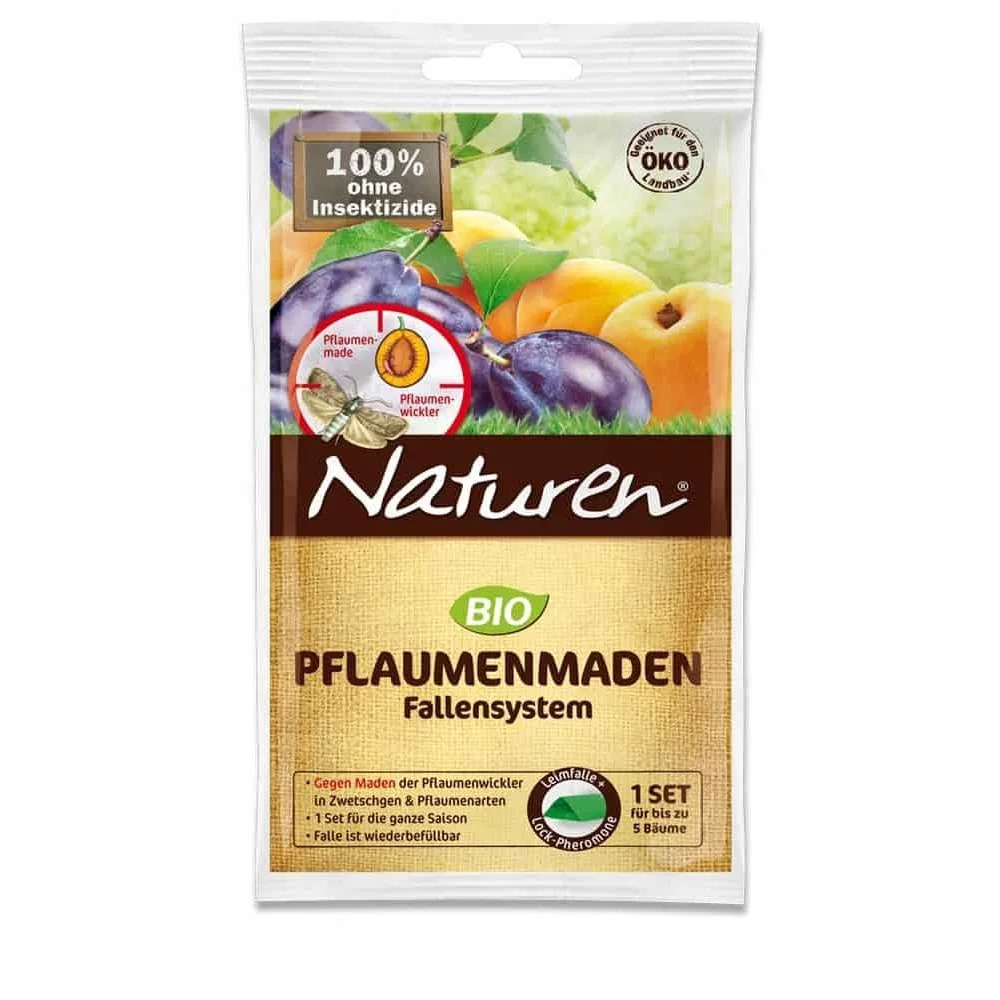
Codling moths lay their eggs on young fruit. After hatching, the larvae bore into the center. Look for small entry holes with droppings coming out. Plum fruit moths cause similar damage. Special traps can help control both, such as the
or .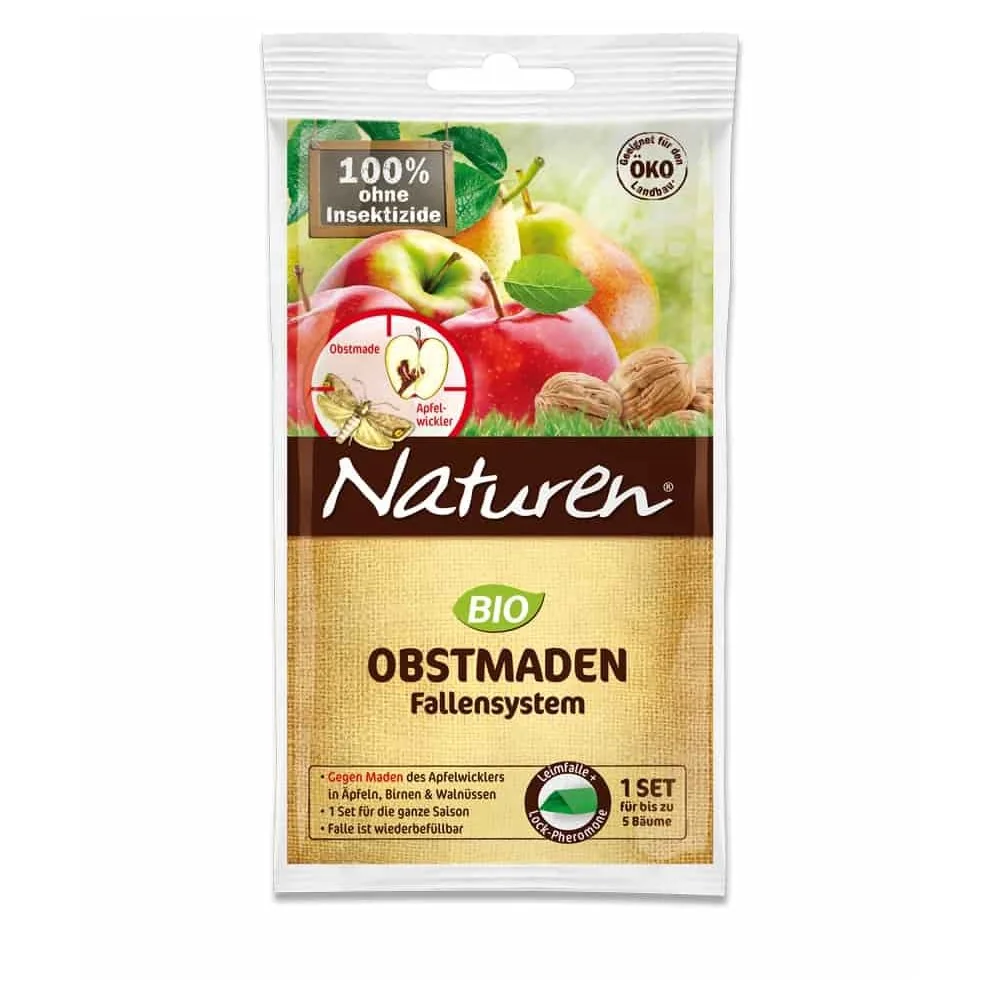
Find a wide selection of tools to care for and monitor your garden in our garden tools category.
Why use biological pest control?
Biological methods work with the garden ecosystem. They protect beneficial insects, avoid contaminating the soil and help prevent pests from developing resistance. The goal is not to eliminate every pest, but to keep their numbers at a manageable level.
Attracting and using beneficial insects
Create habitats for beneficial insects and other helpful organisms. Insect hotels, deadwood piles and native flowering plants attract ladybugs, lacewings and parasitic wasps. These beneficial insects eat large numbers of aphids and caterpillar eggs. You can also buy many kinds of beneficial insects from specialist retailers and release them in your garden.
A garden is a complex network. Broad-spectrum chemical insecticides cut many of the threads that hold it together. Biological pest control helps strengthen that network.
Plant health and home remedies
Support your plants' natural defenses by giving them the right growing conditions. Proper fertilization, a suitable location and consistent garden watering help plants grow stronger. Nettle and horsetail teas can act as natural plant tonics and mild insecticides.
Physical barriers
Slug fences, fine-mesh row covers to protect crops from cabbage flies and sticky bands around fruit tree trunks are effective physical barriers. They stop pests from reaching their host plants.
Important note
When using beneficial organisms such as nematodes, make sure the soil is at the right temperature. Soil that is too cool or too warm can greatly reduce their effectiveness. Follow the manufacturer's application instructions carefully.
How can I prevent pest infestations?
Prevention is the best form of plant protection. A healthy, thriving garden can often defend itself. Good planning and regular care lay the foundation.
Choosing the right location and caring for soil
Choose hardy varieties suited to your garden's conditions. Loosen the soil regularly and enrich it with compost. A balanced pH, which you can adjust with lawn and garden lime, supports healthy root growth. Remove diseased plants and infested fallen fruit right away.
Companion planting and crop rotation
Avoid growing the same vegetables in the same spot year after year. Crop rotation interrupts the life cycles of pests that live in the soil. In mixed plantings, different crops can help deter pests. For example, planting carrots next to onions can help repel carrot flies.
Monoculture invites pests. Diversity helps keep them in check. Make your garden as varied as possible: it benefits pollinators and other insects, and can improve your harvest.
Garden cleanup and overwintering
Clear away diseased plant material in the fall. Keep your tools clean. Protect sensitive plants and furniture from the weather with a garden furniture cover. This helps remove hiding places and breeding sites for pests that overwinter in the garden.
Additional advice
Check your garden regularly. A quick daily inspection can help you catch an infestation early. Hand-picking or spraying is often enough before pests have a chance to multiply.
Practical Examples: From Codling Moths to Vine Weevils
How to control codling moths and plum moths
The caterpillars of these moths attack pome and stone fruit. Starting in May, hang special pheromone traps such as the in your apple trees. These attract male moths and disrupt mating. For plum trees, use the . Pick up infested fallen fruit right away.
How to control vine weevils naturally
These nocturnal beetles chew notches in leaves, while their larvae destroy roots. Place clay pots filled with wood wool under infested plants (e.g. rhododendrons). The beetles will hide there during the day, making them easy to collect. HM nematodes (Heterorhabditis bacteriophora) are the go-to biological control for larvae in the soil.
How to manage ants as nuisance pests
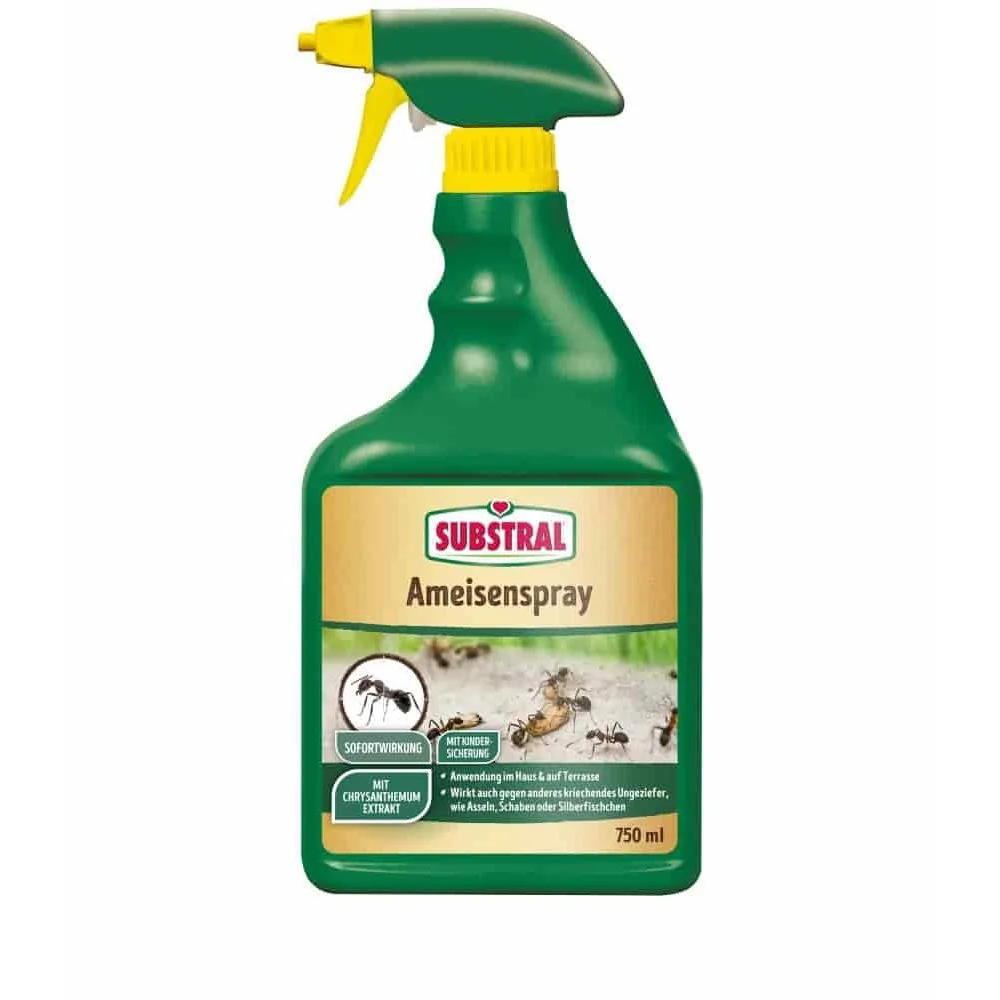
Ants rarely damage plants directly, but they encourage aphid colonies. If nests are disturbing your garden beds, you can relocate them. On paths or patios, barrier-forming products such as
, a granule that you can water in or spread. For precise application at nest entrances, use the , an ant spray for crawling insects.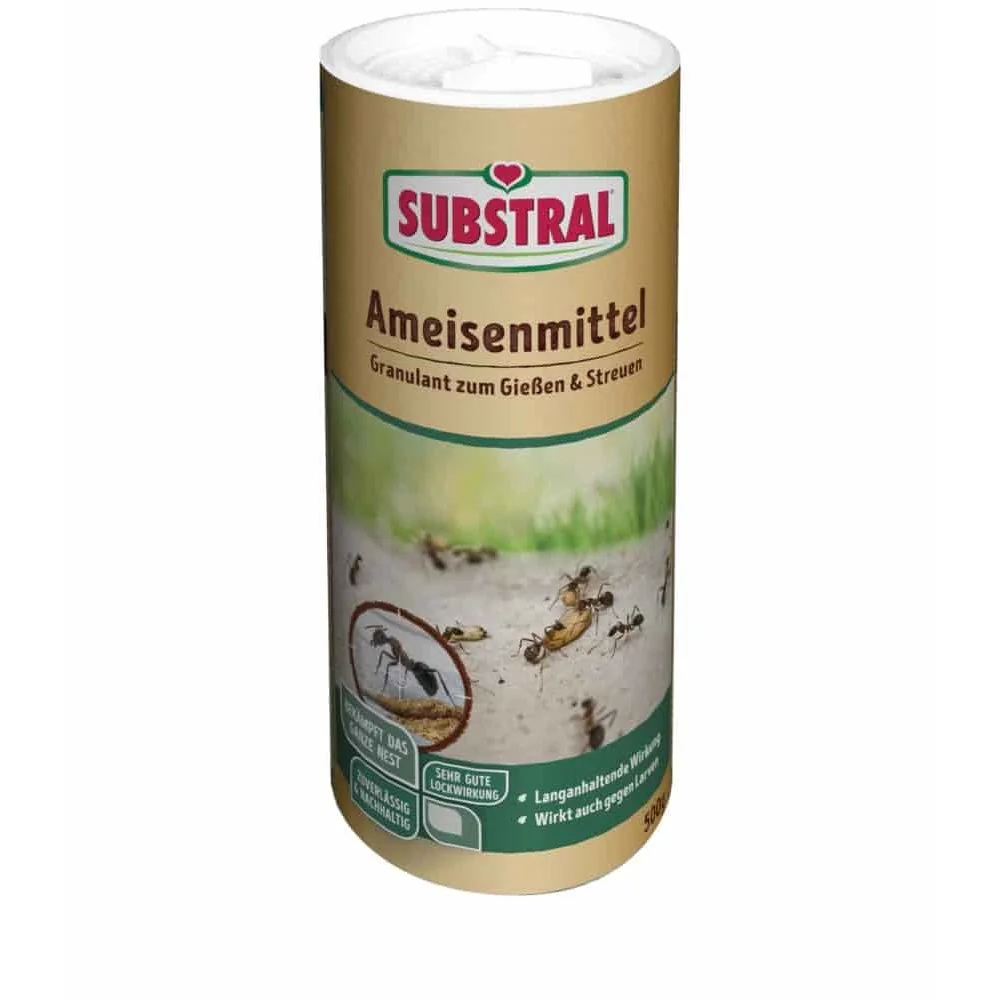
Find all our pest control products in the pest control category.
When should you use chemical products?
Chemical plant protection products should be a last resort. Use them only for severe infestations and when all other methods have failed. A wide range of products is available, and using them responsibly is essential.
Choose targeted products
Choose products that target the pest as specifically as possible while protecting beneficial insects. Broad-spectrum insecticides cause long-term damage to the garden ecosystem. Read the label carefully and follow the waiting period before harvesting.
Apply them safely and responsibly
Wear gloves and protect your respiratory system when applying these products. Never treat plants in direct sunlight or windy conditions. Spray only the infested areas, not the entire plant or garden bed. Keep any leftovers out of reach of children and pets.
Looking ahead: managing resistance
Repeated use of the same active ingredient can lead to resistance, making pests less sensitive to it. For recurring problems, alternate between different classes of active ingredients and focus on prevention and biological control. A healthy garden is the most sustainable solution.
For basic equipment and other garden care products, visit our extensive Garden + Outdoor section.
Frequently Asked Questions
- What are the most common garden pests?
- Common garden pests include aphids, slugs, cabbage white caterpillars, spider mites, and vine weevils. Aphids leave sticky leaves, while slugs leave feeding holes and slime trails. Caterpillars leave skeletonized leaves, spider mites produce fine webs, and vine weevils leave semicircular notches along leaf edges.
- How can I get rid of aphids without chemicals?
- Spray aphids off with a strong stream of water. Introduce natural predators such as ladybug larvae or lacewings. Nettle or horsetail tea can help deter them. Plant lavender or summer savory as a barrier. Cut off heavily infested shoots early and dispose of them with household trash.
- What really works against slugs in garden beds?
- Create barriers such as slug fences or copper tape. Collect slugs in the evening or early morning. Use beer traps to lure them away from plants. Encourage natural predators such as hedgehogs, toads, and ground beetles. Water in the morning so the soil is dry by evening. Mulch with materials such as sawdust, which slugs avoid.
- Can I buy beneficial insects for my garden?
- Yes, you can order many beneficial insects from specialty retailers. Common options include lacewing larvae and ladybugs for aphids, nematodes for vine weevil grubs, and parasitic wasps for whiteflies. Apply them correctly, paying special attention to temperature and timing. A wildlife-friendly garden will also attract beneficial insects naturally.
- How can I prevent pest infestations in my greenhouse?
- Ventilate regularly to prevent humid air from building up. Install insect-proof mesh over ventilation openings. Disinfect pots and tools before the season begins. Check new plants carefully for pests before bringing them inside. Use companion planting and leave enough space between plants for good air circulation.
You may also be interested in
- Effective garden pest control: tips & tricks
- Chemical-free gardening: prevent pests naturally
- How can I control diseases and pests on ornamental plants?
- Caterpillars in the garden: how to identify and control them
- Garden pests: identify pests and attract beneficial insects
- How to identify and control aphids: effective strategies for your garden