
In brief: Prune sage twice a year: hard pruning in spring after the last frost encourages new growth, while light shaping after flowering in summer maintains its form. Cut the shoots back by about two thirds, but always leave some leaves on the stem. Regularly harvesting whole shoot tips also acts as additional maintenance pruning.
Sage is a hardy and aromatic herb that belongs in every garden. To ensure your plant continues to grow vigorously and provide a plentiful harvest for years to come, regular pruning is essential. Without pruning, this subshrub becomes woody from the bottom up, turns bare and loses its vigour. This guide explains when and how to prune your sage properly to keep it healthy and productive.
Why is pruning sage so important?
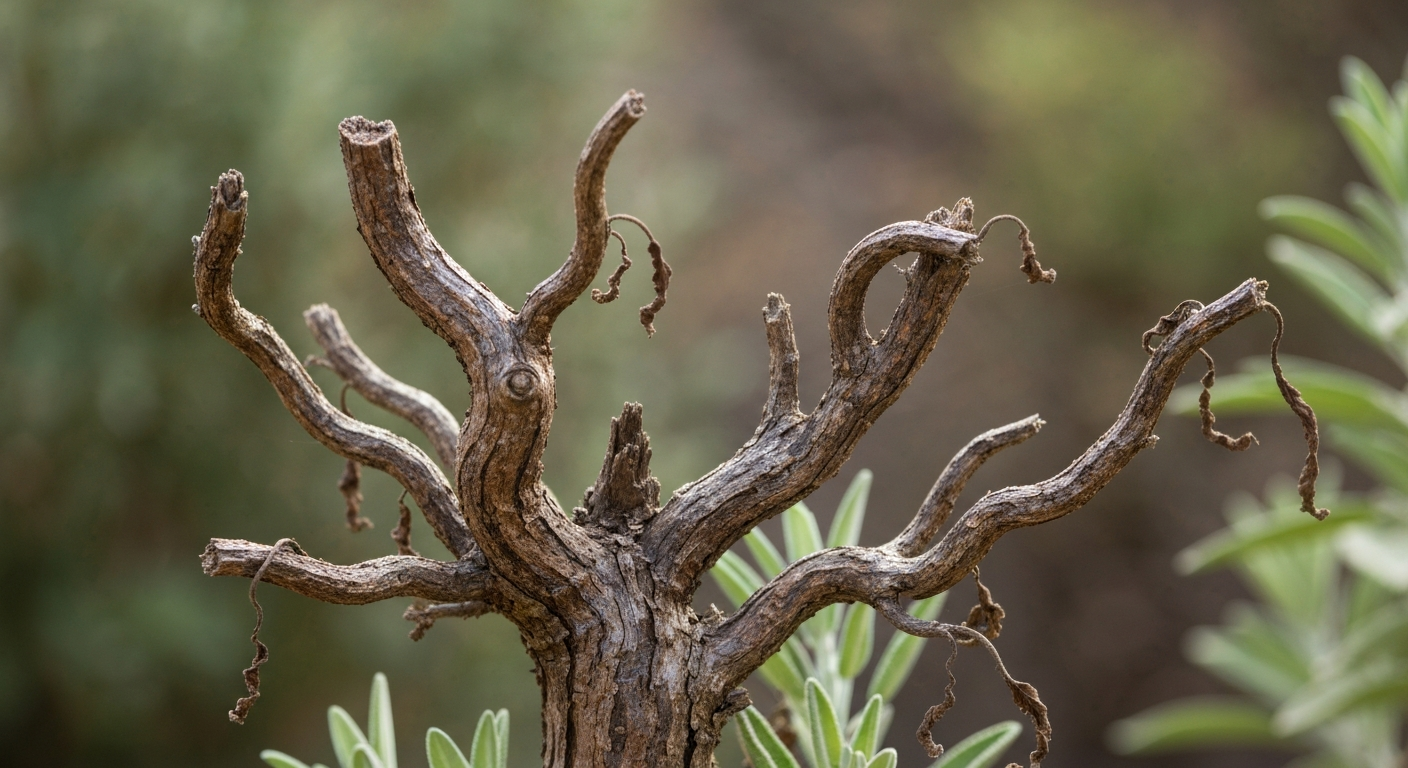
Common sage (Salvia officinalis) is what is known as a subshrub. This means its lower shoots become woody over time, while the upper parts remain herbaceous. If left to its own devices, this process continues relentlessly. The woody stems produce hardly any new leaves, even though these are essential for harvesting and flavour. The plant becomes bare and unattractive from the bottom up, with all its energy concentrated in the few shoot tips.
Targeted pruning counteracts this process. It encourages the plant to produce new, young shoots from the base. The result is a compact, bushy growth habit with an abundance of fresh, aromatic leaves. Regular pruning not only secures your harvest, but also significantly extends the life and health of your sage plant.
Every cut is a targeted intervention in a plant’s growth. It directs energy where we want it: into new shoots, more flowers or a compact shape.
When is the best time to prune sage?
Choosing the right time is crucial for successful pruning. Sage has two important pruning times in a gardener’s calendar: spring for the main pruning and summer for light shaping. Regular harvesting also supports the plant’s care.
The main pruning in spring
The most important pruning of the year takes place in spring, as soon as severe frosts are no longer expected. A good guideline is the period from late February to mid-March. Observe the plant: as soon as you can see the first new shoots emerging at the base, the ideal time has arrived. This vigorous cut, also known as rejuvenation pruning, gives the plant the impetus it needs for a strong start to the new season.
Shaping in summer
After flowering, usually in June or July, a second, lighter pruning is beneficial. Remove the faded stems to stop the plant from wasting energy on seed production. This pruning often encourages a second, although weaker, flowering and helps the sage retain its compact shape instead of falling apart. At the same time, you can harvest fresh shoots once more before autumn.
Regular harvesting as maintenance pruning
Think of every harvest as a small maintenance measure. Instead of plucking individual leaves from the stems, always cut off whole shoot tips. Cut tips around 5-8 cm long directly above a pair of leaves. The sage will branch out again at this point and grow denser and bushier. This combines harvesting flavoursome leaves with ongoing shaping.
Expert tip
Use the non-woody shoot tips cut in summer for propagation. Remove the lower leaves and place the cuttings in moist seed-starting compost. In a warm, bright location, they will form roots within a few weeks, giving you new sage plants.
How do I prune sage correctly, step by step?
Pruning itself is straightforward if you follow the basic rules. Proper preparation and making the cuts correctly are crucial for the plant’s health.
Prepare the right tools
Use sharp, clean garden shears for pruning. Blunt blades crush the shoots instead of cutting them cleanly. This creates unsightly wounds that are more susceptible to diseases and pests. Disinfect the blades before use, for example with surgical spirit, to prevent pathogens from being transferred from other plants. You will find a wide selection of suitable garden tools in our shop.
Instructions for rejuvenation pruning in spring
This pruning can and should be thorough. It is the most important measure against woody growth.
- Inspect the plant: Examine the plant carefully. Where is the new growth beginning? Identify the woody parts and last year’s shoots.
- Cut back: Shorten all shoots by around two thirds of their length. With a very compact plant, cutting back by half may be sufficient.
- Make the cut: Always cut just above a pair of leaves or a visible bud. The plant will produce new growth from these buds.
Important note
Never cut back into old, bare wood without leaves or buds. Unlike many other shrubs, sage can produce new growth from this old wood only with great difficulty, if at all. Pruning too severely can kill the plant.
Instructions for shaping in summer
Summer pruning is gentler and is intended to care for the plant after flowering.
- Remove faded flowers: Cut all faded flower stems back to the next pair of leaves on the main shoot.
- Correct the shape: Shorten shoots that have become too long or are growing across one another to maintain a harmonious, bushy shape.
- Harvest: Take the opportunity to harvest vigorous shoot tips for the kitchen.
Special case: What should you do with old, heavily woody sage?
If you have a sage plant in the garden that has not been pruned for years, it is probably heavily woody and bare at the bottom. It may be possible to save it, but there is a risk involved. Cutting radically into the old wood often does not work. Instead, proceed gradually.
Spread the rejuvenation pruning over two years. In the first spring, cut back only about half of the old shoots severely. Leave the other half in place so the plant still has enough leaf mass for photosynthesis. Once the pruned parts produce new growth, cut back the remaining old shoots the following spring. This gentle transition increases the plant’s chances of survival.
Additional advice
If a sage plant is extremely woody and shows hardly any signs of life, it is often better to replace it. Take cuttings from the few remaining shoot tips in early summer, or get new young plants or seeds from our Herbs + Spices range. This gives you a fresh start with a vigorous plant.
What should I do with the cuttings?
The cuttings produced when pruning are far too valuable for the compost heap. Sage is a valuable culinary and medicinal herb, and there are many ways to use it.
Pruning in spring is not only about shaping the plant; it also marks the start of harvesting the best and most potent leaves of the year.
Use fresh leaves straight away
The young, tender leaves from the spring pruning have the most intense flavour. Use them fresh in teas, to season meat and pasta dishes such as saltimbocca, or infuse them in oil to make a flavoursome herb oil.
Drying and preserving sage
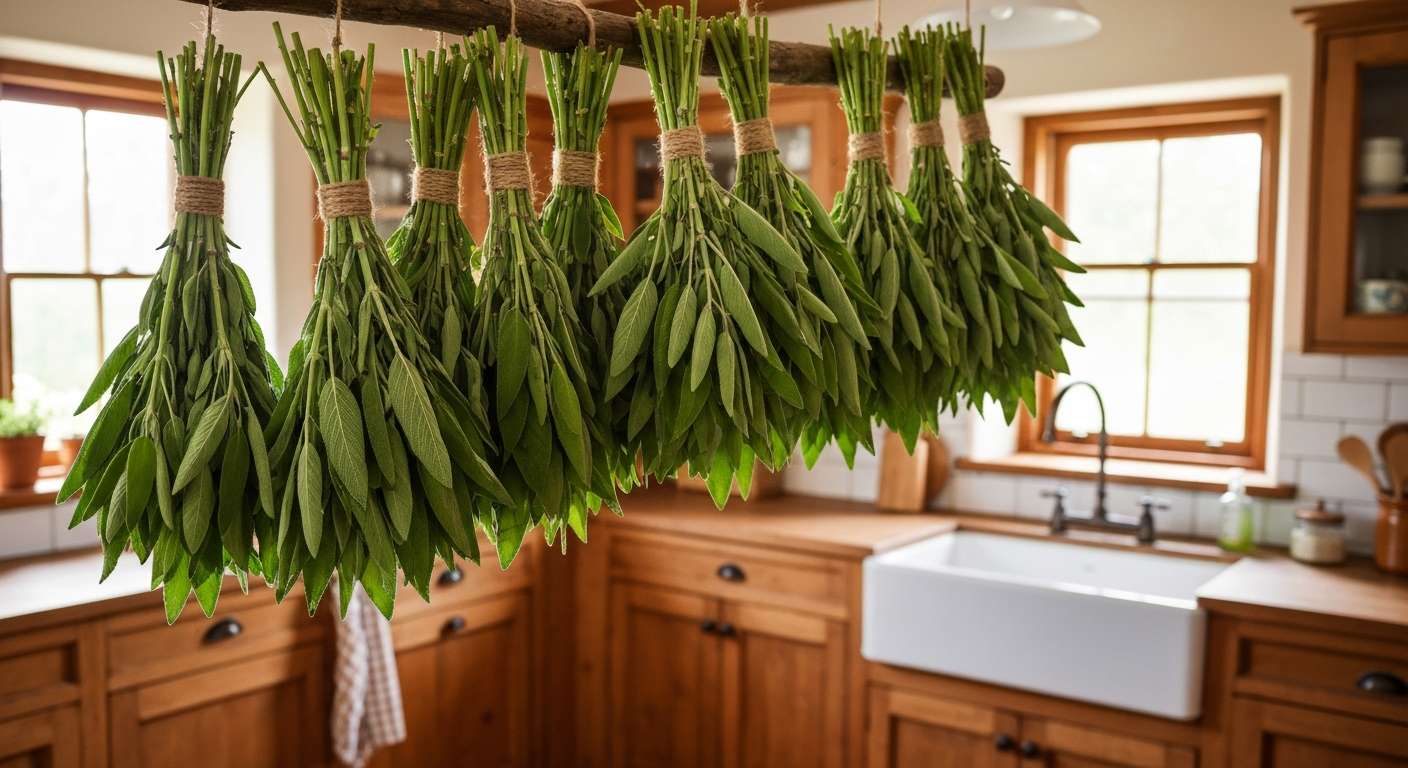
Sage is excellent for drying, providing a supply to last throughout the year. Tie the cut stems into small bunches and hang them in an airy, shaded and warm place. After a few weeks, the leaves will be completely dry and rustle when touched. Strip them from the stems and store them in an airtight, dark glass jar. This keeps the flavour intact for months.
Pruning your sage is a simple but effective way to keep the plant healthy and productive. With two targeted prunings a year and thoughtful harvesting, you are investing in the longevity of your herb and ensuring a plentiful supply of this wonderful flavour. Discover more useful garden and plant accessories for your herb garden in our Garden + Outdoor category.
Frequently asked questions
- Can sage also be pruned in autumn?
- Pruning in autumn is not recommended. Fresh pruning wounds make the plant more susceptible to frost damage. It is better to wait until spring, when the greatest risk of frost has passed. The old stems provide natural protection for the plant over winter.
- How far back can I prune sage?
- Cut sage back by no more than two thirds. The most important rule is never to cut into the old, bare wood, as no more leaves will grow from it. Always leave a few pairs of leaves or visible buds on the remaining stem so that the plant can produce new growth.
- My sage has become completely woody. Can I still save it?
- A severely woody sage plant is difficult to save. You can try hard rejuvenation pruning, cutting the stems back significantly over a period of two years. However, it is often easier and more successful to grow new plants from cuttings or buy a new plant.
- What is the difference between harvesting and pruning sage?
- Harvesting is a form of pruning. Instead of simply picking individual leaves, you should always cut off entire shoot tips. This regular “harvesting prune” encourages branching and creates a bushy habit, just like targeted shaping in summer.
- Will my sage still flower after pruning?
- Yes. The main pruning in spring encourages new shoots, which later produce flowers. A light prune after the first flowering in summer can even encourage a second, although usually weaker, flush of flowers in late summer and help keep the plant vigorous.
You may also be interested in
- Pruning tomato plants correctly: For a plentiful harvest in the garden
- Pruning houseplants: For strong growth and a good shape
- Ornamental sage: The most beautiful varieties for your garden
- Pruning buddleia: The best time for a spectacular display of flowers
- Pruning roses correctly: A guide to magnificent blooms
- Pruning trees correctly: How the right cut promotes healthy trees