
In brief: In muggy weather, the best time to ventilate is during the cooler morning and late evening hours using rapid ventilation. Avoid leaving windows tilted open. Check indoor humidity with a hygrometer. A level between 40 and 60 percent is ideal. Technical aids such as dehumidifiers provide effective support.
How to Ventilate in Muggy Weather: Tips for a Healthy Indoor Climate
Muggy weather puts a strain on your indoor climate. The air feels stagnant and moisture builds up. You can feel the stuffy atmosphere on your skin. Ventilating properly becomes a challenge. Ventilating incorrectly can actually make the problem worse. This article gives you practical strategies to follow.
You will learn how to lower humidity and effectively prevent mould. We explain the physics of ventilation and show you practical measures. Technical aids from our shop can help.
Why is muggy weather a problem for your indoor climate?
Muggy weather means high absolute humidity combined with high temperatures. The air is saturated with water vapour. Outdoors, it cannot absorb any more moisture. When this air enters your rooms, it releases moisture onto cooler surfaces.
This happens on walls, windows and furniture. Condensation forms. This moist film provides a breeding ground for mould. Your task is to replace humid air with drier air. Timing and method are crucial.
The role of relative humidity
Relative humidity measures how much water vapour the air contains compared with the maximum amount it can hold. Warm air can hold more moisture than cold air. When muggy outdoor air cools down inside your home, indoor relative humidity rises sharply.
It can quickly climb above 70 percent. The risk of mould begins at 60 percent. A hygrometer is your most important tool for monitoring humidity. Place it in the centre of the room, not directly next to a window.
“The greatest danger in muggy weather is unnoticed moisture entering the room. Every person releases up to one litre of water into the indoor air overnight. It quickly adds up.”
How should you ventilate in hot and muggy weather?
The principle is: rapid ventilation instead of leaving windows tilted open. Open windows and doors fully. Create a cross-draught. This allows the air to be exchanged within a few minutes. When windows are tilted open, it takes hours and only cools the wall.
Expert tip
Use the coolest times of day. Ventilate intensively in the early morning between 4 and 6 am and late in the evening after 10 pm. The outdoor air is then cooler and drier. Keep the windows closed around midday, when muggy conditions are at their worst.
How long should you ventilate rapidly?
When there is a significant temperature difference, five minutes is often enough. During muggy summer weather with a smaller difference, you need 10 to 15 minutes. Make sure there is a cross-draught. Open windows on opposite sides of the home.
In homes without cross-ventilation, use a fan to help. Point it towards an open window. It blows the humid air outside. You can find equipment for this task in our power tools category.
Which technical aids lower humidity?
Sometimes ventilation alone is not enough. Bedrooms, basements and bathrooms in particular may need additional support. Electric dehumidifiers actively remove moisture from the air. They collect the water in a tank.
For medium-sized rooms up to 30 m², the
. This 2-in-1 air purifier and dehumidifier combats moisture while also filtering pollen and dust. A practical all-rounder for allergy-sensitive households.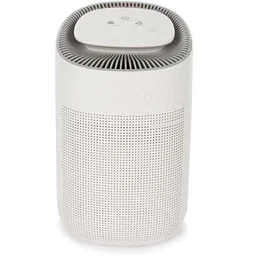
A compact solution for smaller rooms such as bathrooms or storerooms is the
. This appliance also combines dehumidification with air purification. It operates quietly and efficiently.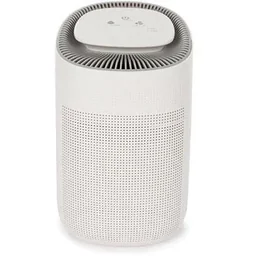
Important note
Electric dehumidifiers produce waste heat. They warm the room slightly. Therefore, do not ventilate at the same time. Keep windows and doors closed while the appliance is running. Only ventilate rapidly after switching off the appliance to replace the warmed air.
Activated carbon and other passive aids
Passive dehumidifiers are suitable for cupboards, display cabinets and small storage rooms. They contain salts or activated carbon that bind moisture. Their effectiveness is limited, but they are useful for enclosed pieces of furniture.
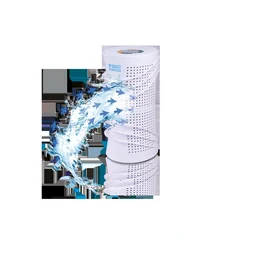
Special retrofit kits are available for the
dehumidifier, the “Secco 1000”. The are dehumidifier attachments that increase capacity. This type of garden and plant accessory can also help when storing seeds or tools.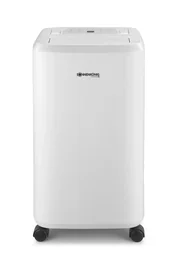
Special challenges: airing basements and bathrooms
Basements are often cooler than the outdoor air in summer. Only air them at night or very early in the morning. Warm, humid air that meets cold basement walls condenses immediately. This leads to damp walls and a musty smell.
In the bathroom, air the room immediately after every shower. Open the window wide and close the bathroom door. This allows the moisture to escape directly outdoors instead of spreading throughout the home. A fan placed by the window speeds up the process.
“A classic mistake is airing the basement on a warm day. The moisture settles on the walls and can no longer dry out. In the worst case, you may then need a building dryer.”
How to behave correctly in the kitchen
Cooking produces a lot of steam. Always switch on the extractor hood. Air the room at the same time if possible. Keep saucepan lids closed. After cooking, leave the window open for another 10 minutes.
Do not place hot pots directly on cold surfaces such as wood or linoleum. Condensation can form here too. Use trivets. Find practical helpers for your home and garden in the garden equipment range.
How can you prevent mould in the long term?
Mould develops when moisture comes into contact with organic materials. Wallpaper, wood, textiles and dust provide food for it. Your strategy needs to take two approaches: reduce moisture and remove sources of nourishment.
Keep wall surfaces clean and dry. Leave a little space between furniture and external walls. This allows air to circulate behind it. Regularly check concealed corners, behind cupboards and under windowsills.
Additional advice
Plants increase humidity through transpiration. If you have problems with muggy conditions, place fewer houseplants in the room or reduce their number. Water them moderately. Pour away any excess water in the saucer immediately.
Structural measures and insulation
Old windows with cold frames are weak points. Retrofitting insulation around the window reveal can help. Check the joints between the window and the masonry. Heating correctly as the seasons become cooler is also important.
For weatherproofing garden sheds or patio covers, you can find materials in the tarpaulins and nets category. These also protect against direct sunlight, which heats up rooms.
Long-term measures for a better indoor climate
Establish regular routines. Always air your home after getting up in the morning and before going to bed in the evening, regardless of the weather. Check the hygrometer weekly. Take action immediately if readings rise above 60 per cent.
Invest in good tools. A reliable dehumidifier such as the
, the "Vida 2", is a long-term solution for rooms up to 30 m². Its 1-litre tank and low power consumption of 18 watts make it efficient.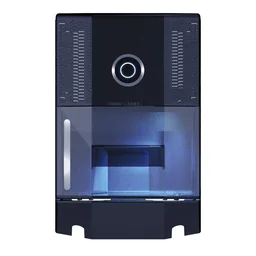
Combine manual ventilation with technical support. This will help you cope with longer periods of muggy weather too. A healthy indoor climate protects both your building and your health.
Our products and categories support all your home and garden projects. Discover more solutions in plumbing and irrigation or garden irrigation.
Frequently Asked Questions
- How often should I air my home in muggy weather?
- In warm, muggy weather, ideally air your home two to three times a day by opening the windows wide. Depending on the temperature difference, this should take between 5 and 15 minutes. Always air your home in the morning after getting up and in the evening before going to bed. An additional airing session in the late afternoon is advisable.
- Why is airing with windows tilted open bad in muggy weather?
- When windows are tilted open, the air is exchanged only very slowly. At the same time, the areas of wall around the window cool down considerably. Warm, humid outdoor air condenses on these cold surfaces. This directly encourages mould growth. Airing with windows wide open is much more efficient.
- What humidity level is ideal in summer?
- In summer, the ideal relative humidity in living spaces is also between 40 and 60 per cent. Levels above 60 per cent for extended periods carry a risk of mould. Below 40 per cent, the air can become too dry. A hygrometer helps you monitor the level and take action in good time.
- Can I air my home when it is raining?
- Yes, you can air your home when it is raining, as long as rain is not falling directly into the room. After a rain shower, the relative humidity outdoors is often even lower than during muggy heat. The temperature difference is the key factor. Open the windows wide for a short time to achieve effective air exchange.
- Which rooms are particularly at risk of mould?
- Bathrooms and kitchens are particularly at risk because of showering, cooking and washing. Bedrooms produce a lot of moisture overnight through breathing and sweating. Basements are often cooler than the outdoor air in summer, which encourages condensation. You should air and dehumidify these rooms especially consistently.
You may also be interested in
- How to air your home in hot weather: keep your home cool
- How to ventilate with a fan: regulate humidity and prevent mould
- How to air a damp basement correctly and prevent mould
- Indoor ventilation: types and benefits explained
- How to cool your home in hot weather: wet sheets as an effective trick
- Damp and mould? 5 tips for dry rooms using moisture absorber granules