
In brief: Care for evergreen plants with targeted pruning, watering as needed and nutrients suited to each plant. Prune in late winter or after flowering. Prevent waterlogged soil by ensuring good drainage. A layer of mulch protects roots from frost and drought. These steps keep plants healthy and well-shaped.
Evergreen Plant Care: Keep Your Garden Green All Year
Evergreen plants give your garden structure and color when other plants are dormant. Caring for them is easier than many people think. It comes down to three key things: pruning properly, watering as needed and providing the right nutrients.
Whether you have a conifer, boxwood or ground cover such as ivy, a few simple guidelines will help keep your plants healthy. Avoid common mistakes such as waterlogging and pruning at the wrong time. This guide shows you how.
Why is caring for evergreens different?
Evergreen plants continue to lose water through their leaves or needles in winter. Their metabolism never comes to a complete standstill. This makes them susceptible to winter burn when the ground is frozen and they cannot absorb water.
At the same time, many evergreens grow more slowly than deciduous shrubs. They often do not tolerate hard pruning. Focus on maintenance and gentle shaping instead. Find the tools you need in our garden tools category.
Expert tip
On frost-free winter days, check the soil moisture around evergreens. A light watering can be lifesaving if the root ball has dried out. Find suitable accessories in our garden watering range.
How do I prune evergreen plants correctly?
Pruning helps maintain a plant's shape, encourages new growth and removes diseased wood. The most important rule is never to cut into old, bare wood. Most evergreens will not grow back from it.
When is the best time to prune?
For most species, the main pruning takes place at the end of February or in March. The worst frosts are over, but new growth has not yet begun. This gives pruning wounds time to heal before the growing season.
Prune flowering evergreens such as photinia right after they bloom. This prevents you from cutting off the buds that will produce next year's flowers. You can make light shaping cuts through August.
“Never prune arborvitae or yew hedges in full sun. The inner needles, which have been shaded until then, can quickly scorch and turn brown when suddenly exposed. A cloudy day is ideal.”
How to prune correctly
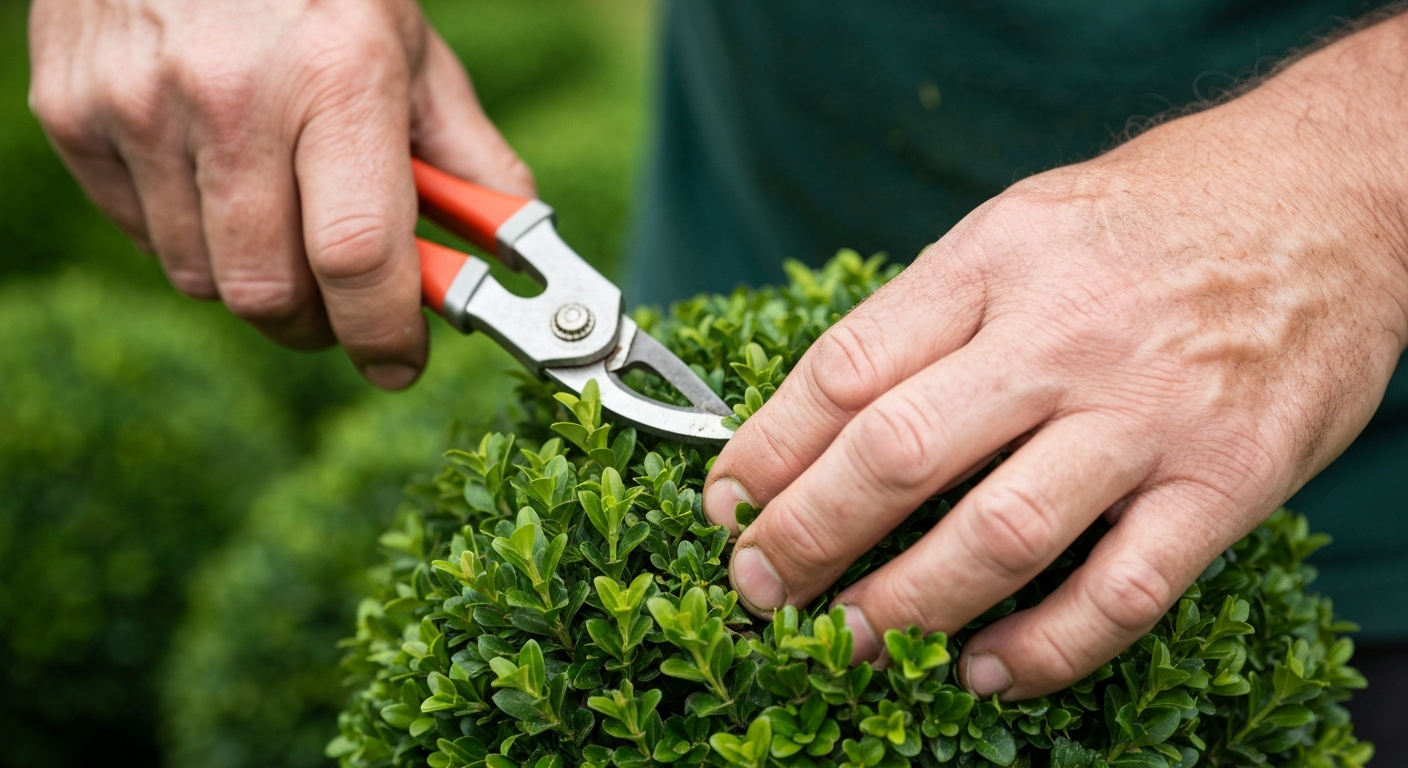
Use sharp, clean tools. Dull blades crush shoots and create entry points for fungi. Use a sharp saw to make clean cuts on thicker branches.
Always trim hedges so the base is wider than the top. This lets light reach all parts of the plant and prevents the lower sections from becoming bare. A versatile tool is the
for precise cuts on a variety of materials.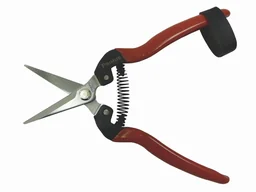
Important note
Wear gloves when pruning conifers such as yew or arborvitae. Many species are poisonous throughout. Plant sap can irritate sensitive skin. Clean your tools thoroughly after use.
What do evergreen plants need for optimal care?
Water and nutrients are the foundation of healthy green growth. Requirements vary by species and location. Ground cover beneath trees, for example, has to compete with strong roots.
Watering: Deeply rather than superficially
Water less often, but thoroughly. Deep watering encourages roots to grow downward, making plants more drought-resistant.
The first two years after planting and long dry spells in summer are particularly critical. A garden hose with a spray nozzle is ideal. Avoid keeping the foliage constantly wet to help prevent fungal diseases.
Fertilizing: Moderately and specifically
Evergreens do not shed all their leaves at once, so their nutrient needs are spread more evenly throughout the year. In spring, use a slow-release fertilizer specially formulated for evergreens or conifers.
These fertilizers often contain magnesium to give needles a rich green color. Overfertilizing does more harm than underfeeding. Find suitable products in the plant and flower fertilizer category.
“Many people forget that evergreens in containers also need regular feeding. Because the growing medium is limited, nutrients are used up quickly. I recommend applying a liquid fertilizer every four to six weeks during the growing season.”
How do I care for evergreen ground cover?
Ground covers such as evergreen euonymus and Japanese pachysandra are practical garden helpers. They suppress weeds and cover bare patches. Care mainly involves helping them get established and checking on them occasionally.
Planting and helping ground cover get established
Prepare the soil thoroughly before planting. Remove persistent root weeds such as ground elder. Mix sand into heavy soil to prevent waterlogging. This is the most important step for long-term success.
Water the plants thoroughly after planting. A layer of bark humus helps retain moisture and suppresses emerging weeds. Keep the soil evenly moist for the next few weeks.
Additional advice
Once your young ground cover plants are established, lightly trim the shoot tips to encourage branching. The plant will then put more energy into producing side shoots and cover the area faster. A sharp knife or the is useful here.
Long-term care and rejuvenation
Established ground cover plants are easy to care for. Once a year in spring, check the area for bare patches or weeds that have spread in. Remove them thoroughly.
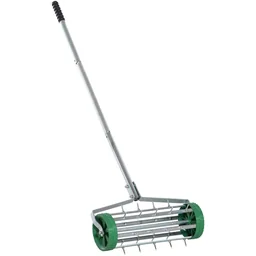
Every few years, rejuvenation pruning may be necessary. Cut the plants back to around 10 centimetres with hedge trimmers. This encourages fresh, dense growth from the base. You can conveniently dispose of the resulting green waste in a

What problems can affect evergreen plants, and how can I solve them?
Brown needles, bare patches, or pests can occur. In most cases, the causes are easy to address if you identify them early.
Browning and needle drop
Brown needles inside the plant are often part of a natural aging process. The plant sheds old needles to conserve energy. Browning at the tips or on the sunny side indicates winter burn or sunscald.
A light trim back to healthy green growth and adequate winter protection will help. For container plants, protect the root ball from freezing with bubble wrap or special frost cloth.
Pests and fungal diseases
Thrips, scale insects, and vine weevils can damage evergreen plants. Check your plants regularly, especially the undersides of the leaves. With a light infestation, spraying the plants with a strong jet of water is often enough.
Biological products for targeted control are available from specialist retailers. Find information on gentle solutions under plant protection. Strengthen the plant with proper care to help prevent problems.
Caring for evergreen plants throughout the year
A seasonal plan takes the pressure off you and benefits your plants. Here is a brief overview of the most important tasks.
Spring (March–May): Do the main pruning. Apply slow-release fertilizer. Check for frost damage. Water during dry spells.
Summer (June–August): Make light shaping cuts. Keep the soil evenly moist. Water in the morning during hot weather. Check for aphids.
Fall (September–November): Apply the final feeding with a potassium-rich fertilizer. Water thoroughly before the first frost. Protect sensitive varieties with frost cloth. Remove leaves from ground cover plants.
Winter (December–February): Water occasionally when the ground is not frozen. Shake snow off hedges. Protect container plants from winter sun. Plan for the next year.
Remember the wildlife in your garden, too.
provides birds with a valuable source of energy all year and brings the winter garden to life.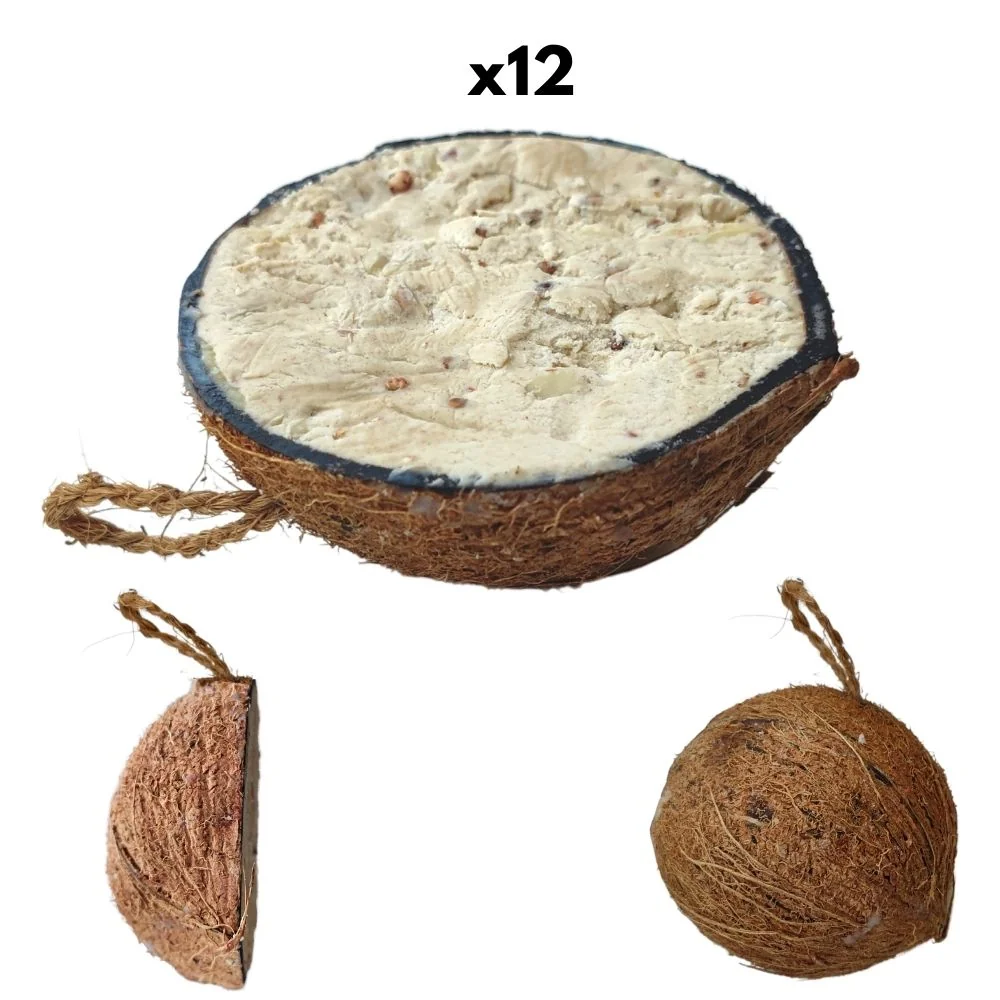
With this systematic care, your evergreen plants will stay healthy and beautiful for years to come. They form the green framework of your garden and provide an attractive sight even during the cold season. Start with the basics—the rest will almost take care of itself.
Frequently Asked Questions
- When is the best time to prune evergreen plants?
- The best time to shape them is in late winter, before new growth begins. Light trimming is also possible in summer. For frost-sensitive species, wait until after the last frost. Avoid heavy pruning in bright sunlight to prevent scorching newly exposed leaves.
- How often should I water evergreen plants?
- Water newly planted evergreens regularly during their first year so they can establish strong roots. Established plants often need extra water only during prolonged dry spells. Thorough watering in late fall before the ground freezes is important. This helps the plants enter winter with sufficient water reserves.
- Do evergreen plants need special winter protection?
- Winter protection is especially useful for young plants and those in exposed locations. Use frost cloth or fir branches to provide shade. This protects against winter water loss and frost burn. The root zone also benefits from a protective layer of leaf or bark mulch.
- Which evergreen ground covers are easy to care for?
- Low-maintenance evergreen ground covers include ivy, Japanese spurge, and barren strawberry. They effectively suppress weeds and need very little pruning. It is important to prepare the soil well and remove weeds before planting. After that, they spread reliably and need very little attention.
- Why are the leaves on my evergreen plant turning brown?
- Brown leaves on evergreen plants are often a sign of winter burn, waterlogged soil, or a nutrient deficiency. Check the soil moisture. Avoid using salt-containing grit near roads. Pruning back to healthy wood and adjusting the fertilizer with a specialized conifer fertilizer can help the plant recover.
You may also be interested in
- Balcony Plant Care: The Complete Guide to Healthy Flowers
- The Seasonal Gardening Calendar: The Right Care All Year
- Lawn Care: Keep Your Lawn Green All Year
- Effective Winter Plant Protection: Tips for Your Garden
- Understanding and Controlling Aphids: Keep Them at Bay All Year
- Proper Plant Care: The Basics for a Healthy Garden