
In brief: Optimal plant care is based on four essential pillars: proper watering, needs-based fertilizing, suitable light conditions and consistent plant protection. This helps you avoid plant stress and supports the plant's natural resilience. Healthy soil is the essential foundation for all other care measures.
Plant Care Basics for a Healthy Garden
A magnificent display of flowers, lush green foliage and a plentiful harvest are no coincidence. They are the result of consistent care tailored to the needs of your plants. These basics are not complicated. They are based on understanding four key pillars: water, nutrients, light and protection.
Forget complicated rules. Focus on these key areas. This creates the conditions your plants need to grow healthy and resilient. This article guides you through the essential practices of garden care.
Expert tip
Check your plants regularly. Discoloured leaves, limp growth or sparse flowers are early warning signs. The sooner you respond, the easier it is to fix the problem.
How do I water plants correctly?
Watering often determines whether your plants thrive or struggle. Too much water is just as harmful as too little. The roots may suffocate or dry out. The goal is evenly moist, but never waterlogged, soil.
Water thoroughly until it runs out of the drainage holes. Then wait until the top layer of soil has dried before watering again. This method encourages a deep, stable root system. Shallow, daily sprinkling, on the other hand, leads to shallow roots.
The finger test: your best guide
Push your finger about two centimetres into the soil. If it feels cool and slightly moist, the plant does not need water. If it feels dry and crumbly, it is time to water. This simple method is more reliable than following a fixed watering schedule.
Also take the season and weather into account. More water evaporates on hot, windy days. Plants need considerably less water during cool, damp spring or autumn weather. Plants in containers dry out faster than plants in garden beds.
Plants tell us what they need. We just have to learn to pay attention. Limp growth in the afternoon can indicate heat stress. If it continues until morning, it is usually a lack of water.
What nutrients do plants need?
Plants need nutrients to grow, flower and produce fruit. The three main nutrients are nitrogen (N) for leaf growth, phosphorus (P) for flowers and roots, and potassium (K) for overall strength and health. The right balance is crucial.
You will find this information as an N-P-K ratio on every fertilizer package. An all-purpose fertilizer often has a formula such as 7-3-6. Fertilizers for flowering plants contain more phosphorus, while lawn fertilizer has a high nitrogen content. You can find an overview of different products in our plant and flower fertilizers category.
Organic or mineral fertilizer?
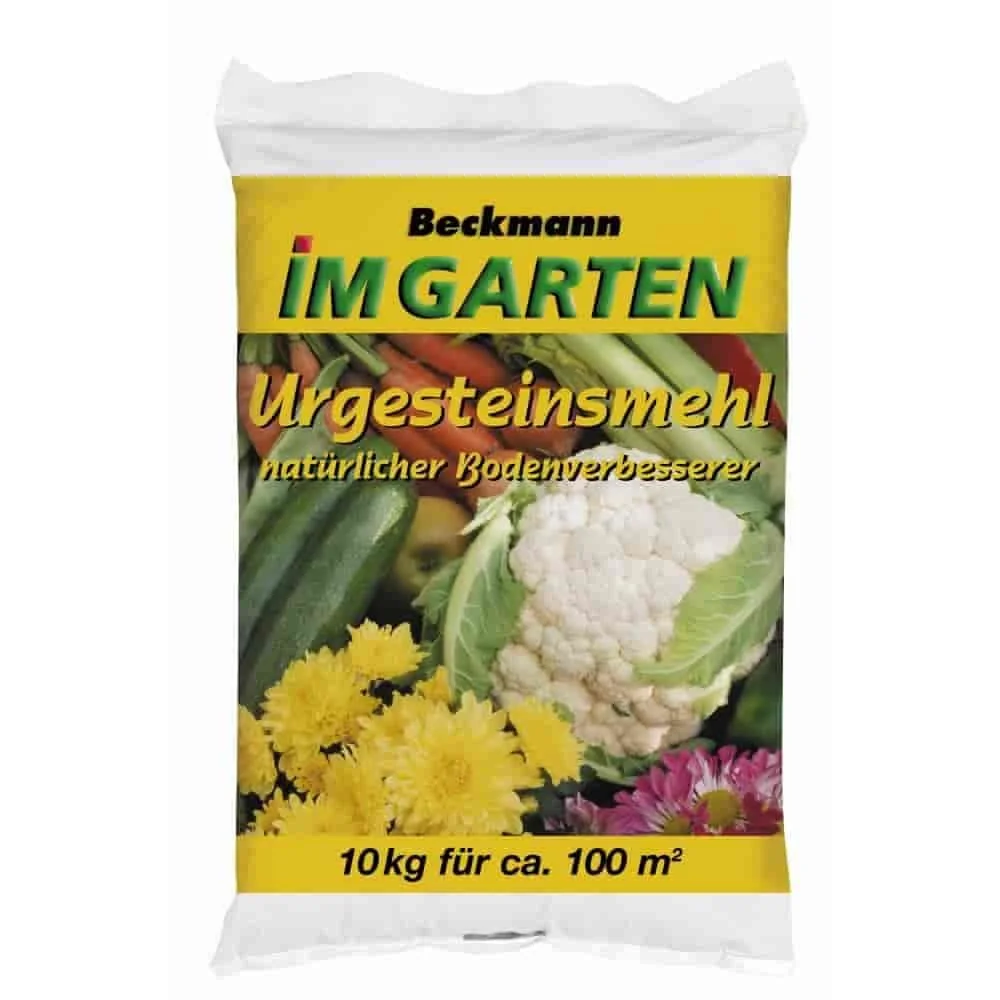
Mineral fertilizers work immediately. Their nutrients are available in water-soluble form. Organic fertilizers such as compost, horn shavings or our first have to be broken down by soil organisms. They work more slowly but last longer, while also improving the soil structure.
Fertilize mainly during the main growing season from spring to summer. Reduce applications in autumn and stop fertilizing completely in winter. Overfertilizing does more harm than underfertilizing. It can burn the roots and make plant tissue soft and vulnerable.
Important note
Never fertilize dry soil. The salt concentration can damage the roots. Always water the plant thoroughly before applying fertilizer, or fertilize after rainfall.
Why is the right amount of light so important?
Light is the energy source for photosynthesis. Without enough light, plants cannot produce nutrients. Light requirements vary greatly. A sun-loving plant such as a rose will wither in the shade. A fern will scorch in bright, direct sunlight.
When buying a plant, find out how much light it needs. The terms "full sun", "partial shade" and "shade" provide specific guidance. Full sun means at least six hours of direct midday sunlight. Partial shade means three to six hours of sun, ideally in the morning or evening.
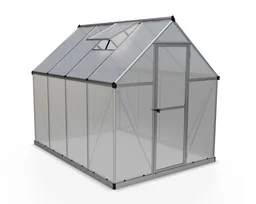
For plants with high light requirements in shady locations or to start the season early, a is an ideal solution. It creates a warmer, protected microclimate.
Many plant care problems disappear when a plant is in the right location. Light is non-negotiable. You can water and fertilize as much as you like, but a plant will never reach its full potential in the wrong light.
How to recognize signs of incorrect lighting
You can identify insufficient light by long, thin stems that stretch towards the light source ("etiolation"), pale green or yellowish leaves and a lack of flowers. Too much light causes leaf scorch: brown, dry patches, especially on the upper sides of the leaves.
How do I protect my plants from pests and diseases?
The best plant protection is a healthy, strong plant. It can defend itself better against attacks. So create the right foundation with proper care. Nevertheless, pests such as aphids and diseases such as powdery mildew can occur. Acting early is crucial.
Check your plants weekly, especially the undersides of leaves and shoot tips. Remove affected plant parts immediately. Many pests can be washed off with a strong jet of water. For precise pruning or removing diseased shoots, sharp, clean scissors such as the are essential.

For heavier infestations, use targeted products from the plant protection range. Wherever possible, choose environmentally friendly products that are safe for beneficial insects.
Additional advice
Mixed planting and a wide variety of plants in the garden make it harder for pests to spread on a large scale. For example, plant marigolds among your vegetables or lavender next to roses.
Prevention through optimal conditions
Many fungal diseases, such as powdery mildew and grey mould, spread in warm, humid weather and stagnant air. Always water directly at the roots, not over the leaves. Make sure plants have enough space between them so air can circulate.
The foundation: Healthy soil
All plant care measures only work in good soil. Soil stores water, holds nutrients and provides a habitat for roots. Loose, humus-rich soil with a good structure is essential. Compacted, clay or sandy soils need to be improved.
Work compost into the soil regularly. It supplies nutrients and supports soil life. For long-term mineral nourishment and to improve heavy soils, (rock dust) is a tried-and-tested solution. It enriches the soil with trace elements and gives it a more crumbly structure.
Mulch your beds with grass clippings, bark humus or chopped straw. The mulch layer retains moisture, suppresses weeds and gradually turns into valuable humus. You can find the right tools for these jobs in the Garden & Plant Accessories section.
How the different aspects of plant care work together
The four pillars of water, nutrients, light and protection are not isolated measures. They influence one another. A well-fertilised plant in full sun needs more water. A plant with an optimal water supply can tolerate more sun. Always consider plant care as a whole.
Start by observing your plants. Then gradually adjust your watering routine, optimise fertilisation, check the location and act early when problems arise. This will help you develop a confident feel for plant care and create the foundation for a healthy, vibrant garden that will bring you joy for years to come.
Frequently asked questions
- How often should I water my garden plants?
- Water as needed, not according to the calendar. Check the soil moisture with your finger. Most plants need water when the top 2-3 cm of soil has dried out. Deep, thorough watering is more effective than frequent small amounts. This encourages deep roots.
- Which fertiliser is best for my plants?
- The best fertiliser depends on the plant and its growth phase. All-purpose fertiliser is suitable for many ornamental plants. Flowering plants need more phosphorus, while foliage plants need more nitrogen. Organic fertilisers such as compost or horn shavings work slowly and improve the soil at the same time.
- What should I do if my plants develop yellow leaves?
- Yellow leaves are a symptom, not a diagnosis. Common causes include waterlogging, nutrient deficiencies (especially nitrogen or iron), insufficient light or a pot that is too small. Analyse the plant's location and care routine. First check the roots for rot and test the soil moisture.
- Do all plants need full sun?
- No. Plants have very different light requirements. They can be divided into three groups: full sun (more than 6 hours), partial shade (3-6 hours) and shade (less than 3 hours of direct sunlight). If plants are placed in the wrong location, this can result in stunted growth, pale leaves or sunburn.
- How can I protect my plants from pests naturally?
- Strengthen the plant with optimal care. Encourage beneficial insects such as ladybirds and lacewings with native flowering plants. In case of infestation, mechanical methods (hand-picking, spraying with water) or natural products such as soft soap or neem oil can help. Healthy soil is the best prevention.
You may also be interested in
- Natural pest control: Your guide to a healthy garden
- The best potting soil for houseplants: How to choose the right mix
- How to care for houseplants: Tips for healthy leaves
- Prevent waterlogging: Healthy plants in the garden and in pots
- Floristry basics: How to keep your flowers fresh and looking their best
- How to care for hydrangeas: Your complete guide to abundant blooms