
In brief: Maggots on the ceiling are fly larvae that crawl upward from a nearby breeding site to pupate. The cause is usually decaying organic matter such as forgotten food, an animal carcass, or clogged drains. Remove the maggots, eliminate the source, and clean the area thoroughly with a vinegar solution.
Table of contents
Finding maggots on the ceiling is unpleasant and alarming. These larvae point to an underlying problem in your home. Getting rid of them requires more than simply wiping the ceiling. You need to find the source, remove the infestation thoroughly, and take steps to prevent it from returning. This guide takes you through all the necessary steps.
Why are there maggots on the ceiling? Finding the source
Maggots are not a separate animal species but the larval stage of flies. Blowflies, houseflies, and flesh flies prefer to lay their eggs on decaying organic matter. The maggots hatch from these eggs and feed on the source. After some time, fully grown larvae look for a dry, dark, sheltered place to pupate. Ceilings, especially corners, provide ideal conditions. The maggots therefore crawl up the walls from their food source.
The most common breeding sites for fly maggots in the home
To stop the infestation, you need to find the breeding site. Search systematically for potential sources. Start in the room where you found the maggots.
- Kitchen and pantry: Check trash cans, especially under the trash bag, where liquid can collect. Look behind and underneath the refrigerator and stove. Forgotten food, such as an old potato or onion in the pantry, is a common cause. Open pet food bags or dirty pet bowls can also attract flies.
- Drains: Organic buildup in pipes can provide a breeding ground. Clogged or slow-draining traps in the kitchen or bathroom are suspicious. An intact home drainage system is essential for hygiene.
- Hidden animal carcasses: This is one of the most common causes of a sudden, severe maggot infestation. A mouse or rat that has died inside a wall, beneath floorboards, in the attic, or in a chimney flue provides flies with an ideal breeding site. A foul, sweetish smell is a strong indication.
- Other areas: Uncleaned pet cages, dirty diaper pails, or even overlooked food scraps in a child’s room can serve as a source.
Important note
If you suspect an animal carcass in a wall or false ceiling, proceed carefully. Opening walls can be labor-intensive. If there is a strong odor or you cannot find the source, it is advisable to consult a professional pest control specialist.
How do you locate the source?
Your senses are your best tools. Follow the trail of maggots to determine where they are coming from. The concentration is usually highest on the walls below the affected ceiling. Your nose can help too: a smell of decay or rot will lead you directly to the source. Lift objects and use a flashlight to inspect dark corners and cracks.
Flies that land on food, excrement, or carrion can transmit a wide range of pathogens to people and pets.
How do you remove maggots and clean the infested area?
Once you have found the source, proceed systematically. Removal consists of three steps: removing the visible maggots, eliminating the breeding site, and then disinfecting the area.
Step 1: Remove the maggots immediately
Remove all visible maggots from the ceiling and walls. The easiest way is to use a bagged vacuum cleaner. Vacuum up all the larvae thoroughly. Immediately seal the vacuum bag airtight inside an additional plastic bag and dispose of it with the household trash outside the home. Alternatively, you can sweep up the maggots and place them in boiling water before disposing of them.
Also inspect the immediate surroundings while cleaning. Are there furnishings nearby? Check lights and sockets too, as maggots hide in every crevice. A clean environment also includes intact ceiling lights where dirt cannot accumulate.
Pro tip
Use your vacuum cleaner’s crevice tool to remove maggots completely from corners, cracks, and along baseboards. To make sure all larvae and eggs in the bag are killed, you can place the bag in the freezer for a few hours before disposal.
Step 2: Thoroughly clean the breeding site
This is the most important step. Remove the source completely. It may be the spoiled contents of a trash can, old vegetables, or an animal carcass. Seal the source airtight and take it out of the house immediately. Then scrub the affected area thoroughly with hot water and a strong cleaning product or a vinegar-and-water solution (mixing ratio 1:1). Dry the area well afterward.
Step 3: Disinfect the entire surrounding area
After removing the source, clean the entire room. Wipe floors, surfaces, and walls in the affected area. Wash all textiles that may have come into contact with the maggots at a minimum of 60 °C. This includes curtains, rugs, and, if the problem occurred in a child’s room, washable baby blankets.
Which home remedies and products help get rid of maggots?
There are effective home remedies for dealing with maggots and cleaning affected areas. Chemical products should only be used selectively and with caution.
Effective home remedies at a glance
- Boiling water: The simplest and quickest way to kill maggots in a bin or drain. Simply pour a generous amount of boiling water directly over the larvae.
- Vinegar: A mixture of vinegar and water in a 1:1 ratio is an excellent cleaning agent that disinfects, while its smell repels flies. Wipe the affected areas with it.
- Salt or lime: Sprinkle salt, quicklime or rock dust directly over the maggots. These substances draw moisture from the larvae and kill them. You can then simply sweep up and dispose of the remains.
- Pepper spray: Boil water with a large amount of ground black pepper, let it cool and pour it into a spray bottle. The smell repels flies.
Additional advice
Essential oils can help keep flies away. Lavender, peppermint, eucalyptus and tea tree oil are particularly effective. Add a few drops to an oil burner or to cotton wool balls and place them near windows and doors.
Insecticides: when are they useful?
Insecticide sprays should be the last resort and used only in cases of severe infestation or in hard-to-reach areas such as cavities. Choose products specifically approved for indoor use. Read the instructions carefully and ventilate the rooms thoroughly after use. Keep children and pets away during and after application.
How can you prevent another maggot infestation?
Prevention is the best protection. Consistent hygiene and a few structural measures can significantly reduce the risk of another infestation.
The foundation: consistent household hygiene
Flies are attracted by smells. Remove the conditions they need to thrive.
- Take rubbish, especially food waste, outside every day or every two days.
- Clean bins regularly with vinegar water.
- Store food, especially fruit, vegetables and meat, in tightly sealed containers.
- Wipe up spilled liquids and food residue immediately.
- Clean your pets' bowls every day and do not leave wet food out in the open.
Keep flies out
The easiest way to prevent maggots is to stop flies from getting into your home in the first place. Fly screens on windows and doors, especially in the kitchen, are a highly effective barrier. Also check your home for cracks and gaps in the masonry or around window frames, and seal them to prevent potential pests from finding shelter.
A professional pest controller not only identifies the pest but also determines the exact cause of the infestation. This is the only way to resolve the problem sustainably and reliably prevent it from recurring.
Pest management starts in the garden
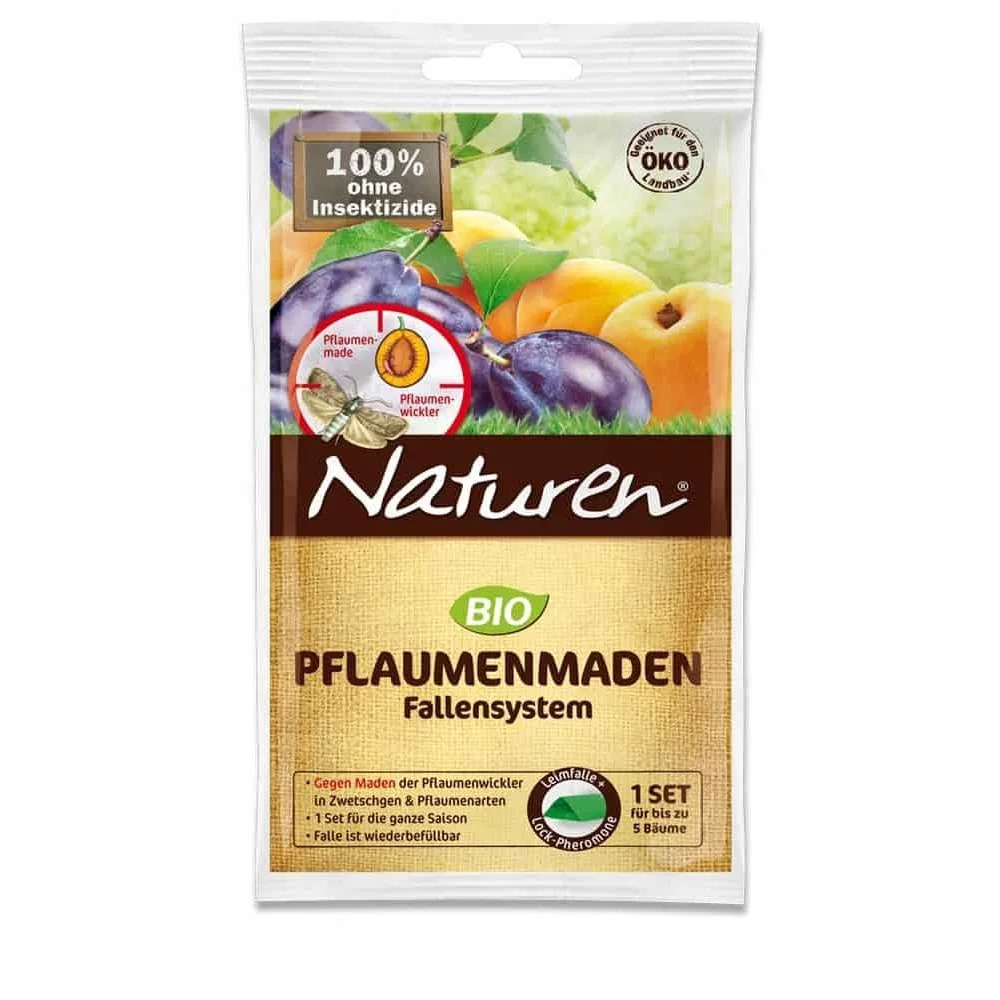
The number of flies in your home also depends on the population in the immediate area. A well-maintained garden reduces pest pressure. Keep compost heaps covered and make sure water butts are sealed. Controlling pests on fruit trees can also reduce the overall number of insects looking for a way into your home. Special traps help control fruit maggots and similar pests in the garden. With a
for cherry trees, a for apple trees or a for plum trees, you can reduce the maggot population outdoors and therefore lower the risk of the resulting moths or flies getting into your home.

Frequently Asked Questions
- What are the white worms on my ceiling?
- White worms on the ceiling are almost always maggots—the larvae of flies such as blowflies or houseflies. They crawl away from their food source, a place containing rotting organic material, to a dry, sheltered location such as the ceiling, where they pupate.
- Can maggots in the house be dangerous?
- Maggots themselves are not directly dangerous, but their presence indicates a hygiene problem. The flies that develop from them can transfer pathogens from waste to food, posing a health risk. The cause of the infestation must therefore be eliminated.
- How long does it take for maggots to turn into flies?
- The development cycle depends on the species of fly and the ambient temperature. In warm conditions, the process from egg-laying through the maggot stage to a fully developed fly can take as little as one to two weeks. That is why it is essential to act quickly when you find a maggot infestation.
- Do maggots come directly out of the ceiling?
- No, maggots do not come from the ceiling material itself. They crawl there. The actual cause is a breeding site nearby. The only exception is when a dead animal, such as a mouse, is located in the ceiling cavity. In that case, maggots can emerge through small cracks or light fitting openings.
- Does bleach help against maggots?
- Bleach can kill maggots, but it is often too harsh and harmful to health for use in living areas. A mixture of hot water and vinegar is an equally effective and safer alternative for cleaning the affected areas after removing the maggots and their food source.
You may also be interested in
- How to Get Rid of Maggots: Natural Home Remedies & Effective Tips
- How to Get Rid of Flies in the House: Home Remedies & Tips
- How to Get Rid of Fruit Flies: Effective Remedies and Prevention
- Pantry Moths: How to Identify the Nest and Get Rid of Them
- Mice in the Walls: Causes, Detection and Control
- How to Get Rid of Moths: Effective Strategies for Your Home