
In brief: The ideal mirror depends heavily on its intended use and the room. For bathrooms, slim LED mirrors or easy-care models with a water-repellent coating are particularly suitable. In living areas, large decorative mirrors add a stylish touch, while practical freestanding models offer flexibility. We compare the most important types and help you make the right choice.
A mirror is far more than a purely functional piece of furniture. It influences the lighting atmosphere, makes rooms appear larger and adds visual accents as a design feature. The choice of models, shapes and features is vast. Our 2026 test and comparison presents the best types of mirrors and explains what to look for when buying one.
Table of contents
What types of mirrors are there?
In general, mirrors can be categorised by their design and intended location. The right choice depends on your needs and the room.
Wall mirrors
The classic choice. Wall mirrors are permanently mounted on the wall. They save space and are particularly suitable for bathrooms, hallways or above consoles. Sizes and shapes vary considerably.
Freestanding mirrors
These models stand independently on the floor, often on a sturdy base or frame. They can be placed flexibly and are easy to move when needed. A freestanding mirror is a good choice for a bedroom or living room.
Make-up mirrors
Make-up mirrors are often smaller, swivel-mounted and feature a magnifying side as well as integrated lighting. They are usually placed on a table.
LED mirrors
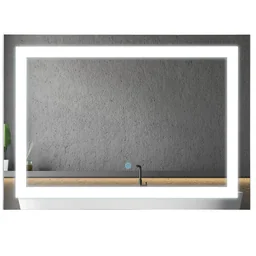
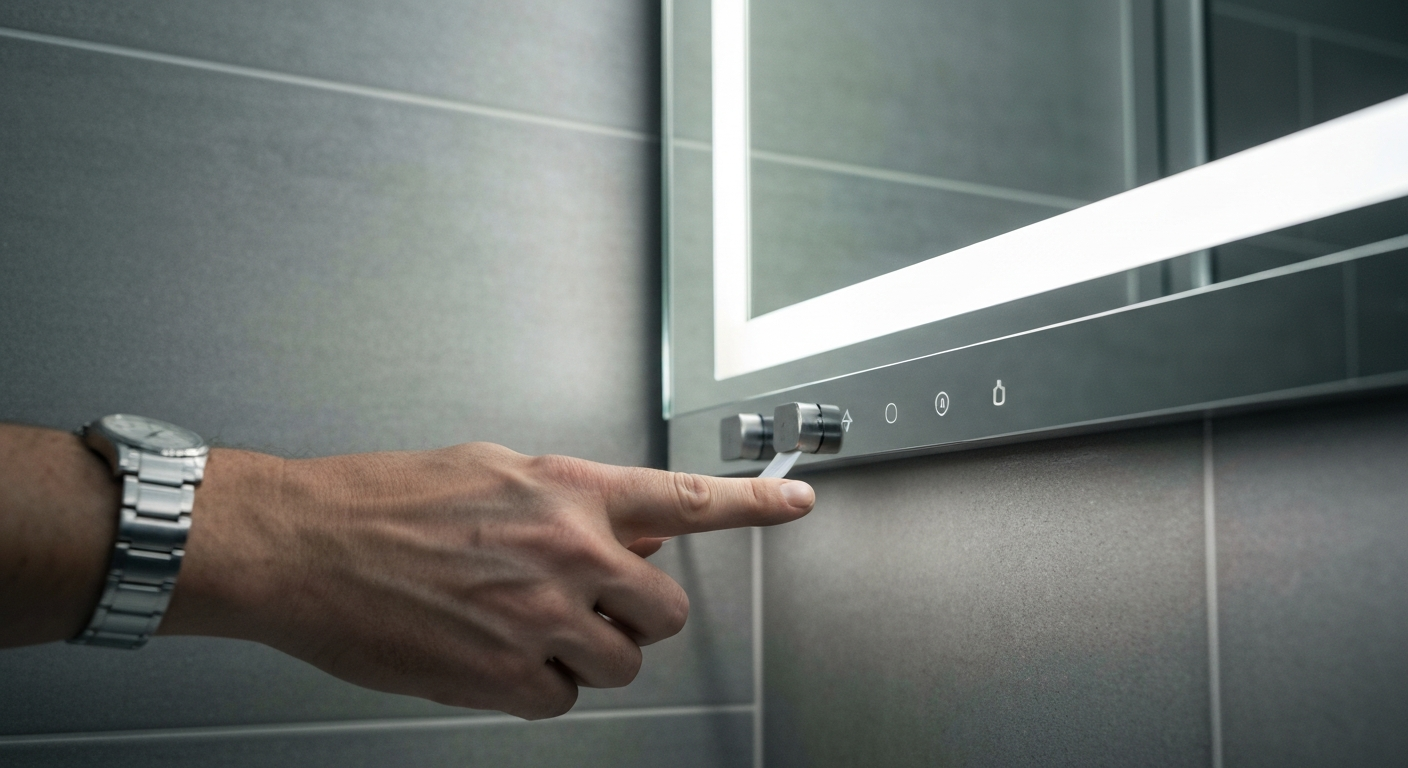
A modern option for the bathroom. The LED strips are usually integrated around the edge and provide perfect, shadow-free illumination. Many models offer additional features such as touch controls or built-in sockets.
What should you look for when buying a mirror?
Not every mirror suits every room. These criteria will help you make your decision.
Tip: Before buying, measure the intended wall area or floor space precisely. Also consider the necessary distance from furniture and sockets.
Size and proportions: The mirror should suit the size of the room and the furniture. A mirror that is too small looks lost, while one that is too large can feel overwhelming.
Shape: Round or oval mirrors create a softer look and break up angular room geometry. Rectangular models are classic and suit most interior styles.
Frame: Should you choose a frameless mirror or a model with a frame? A frame is a strong design feature. It can add colour or highlight materials such as wood, metal or plastic.
Glass quality: Look for anti-glare and scratch-resistant glass. In the bathroom, a water-repellent coating is an advantage because it reduces limescale marks.
Installation: Check whether the required accessories, such as brackets or wall plugs, are included. Heavy mirrors must be securely mounted.
Warning: When mounting the mirror on the wall, make sure you drill into a load-bearing wall or a stable surface. Special wall plugs are required for lightweight walls.
The Best Mirrors in the Test
Our 2026 comparison presents a range of outstanding models that impress with their design, functionality and workmanship.
The highest-rated mirrors in our range compared directly:
| Model | Customer rating | Availability |
|---|---|---|
| LED Bathroom Mirror Illuminated Wall Mirror 50 x 70 x4cm | – | Currently unavailable |
| Concept Mirror 62x100cm White fsc | – | Currently unavailable |
| Concept Mirror 62x60cm White fsc | – | Currently unavailable |
| Concept Mirror 62x60cm Grey fsc | – | Currently unavailable |
| Concept Mirror 62x60cm Black fsc | – | Currently unavailable |
The was particularly impressive in our test. This slim LED illuminated mirror provides even lighting and, thanks to its integrated technology, is a space-saving all-in-one solution for the modern bathroom.
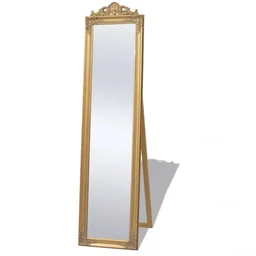
For a baroque accent in your living space, choose the opulent . Its gold frame and freestanding design make it a real eye-catcher.
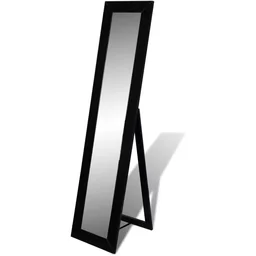
If you prefer a simple and flexible option, the is an ideal choice. The black freestanding mirror suits many interior styles and is easy to move around.
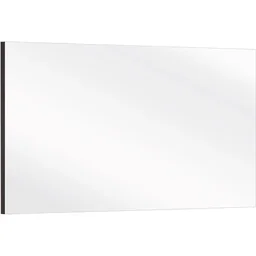
For a large wall mirror, the is a great option. Its simple, frameless look makes rooms appear larger.
The offers a practical standard size for many purposes. It is versatile and a reliable choice.

Mirrors for Different Rooms
Every room has different requirements when it comes to choosing a mirror. Here you will find suitable recommendations.
Mirrors for the Bathroom
In the bathroom, functionality is the priority. The mirror should be large enough and provide good illumination. LED mirrors are the first choice here. Make sure they are made from moisture-resistant materials.
Mirrors for the Hallway
In the hallway, you use a mirror for one last look before leaving the house. A slim, wall-mounted model is ideal. It should be robust, as it may be touched when people walk past.
Mirrors for the Living Room
Here, the mirror is primarily used for decoration and to make the room appear larger. Large, freestanding or wall-sized models are popular. They reflect daylight and make the room look brighter and more spacious.
Note: Position mirrors in your living space so that they reflect something beautiful, such as a garden, a work of art or an attractive lamp. Avoid directly reflecting radiators or untidy corners.
Installation and Care
Proper handling significantly extends the life of your mirror.
Safe installation: For wall mounting, always use the supplied or recommended fixing materials. If you are unsure, consult a professional. A falling mirror is dangerous.
Cleaning: Clean the glass surface only with soft cloths and specialist glass cleaners. Harsh chemicals can damage the coating.
Long-lasting use: Protect the mirror from extreme temperature fluctuations, for example from radiators directly opposite it or strong sunlight. This can place stress on the material.
Trends 2026
The world of mirrors is becoming smarter and more individual. We are seeing clear trends for the coming year.
Smart features: Mirrors with integrated displays for weather updates, news or use as a television are becoming increasingly popular. Models with voice control are also on the rise.
Organic shapes: Rounded corners and wavy, irregular contours are replacing strict rectangles. These shapes look softer and more natural.
Sustainable materials: Frames made from recycled wood or metal, along with mirror glass produced using particularly environmentally friendly processes, are becoming more important to environmentally conscious buyers.
Dual functions: More and more mirrors are being combined with other furniture, such as mirrors with integrated clothes rails or wardrobe doors.
Conclusion
Choosing the right mirror enhances your home both functionally and aesthetically. First decide whether you need a permanently installed wall mirror or a flexible freestanding model. Then consider the right size and the best shape for your room.
Modern LED mirrors such as the set new standards for bathroom comfort. For an individual look in the living area, large decorative models such as the are an excellent choice. One thing always applies: careful installation and regular, gentle care will keep your mirror looking its best for many years.
Browse our wide range of household products and find the mirror that perfectly suits you and your rooms.
Frequently asked questions
- What is the ideal mirror size for my bathroom?
- The right size depends on the available wall space and your height. A bathroom mirror should be at least as wide as your washbasin and tall enough for you to see yourself clearly from head to chest. Measure the available space before buying.
- What are the advantages of an LED mirror?
- An LED mirror provides even, glare-free lighting that is ideal for shaving or applying makeup. The integrated lighting saves space because no separate lamp is needed and creates a modern look.
- Can I safely install a large mirror?
- Yes, provided it is installed correctly. Use special mirror brackets or wall plugs for heavy mirrors and secure it to a load-bearing wall. For very large or heavy models, we recommend having them installed by a professional.
- Should I buy a framed or frameless mirror?
- Frameless mirrors have a modern look and can make rooms appear larger. A frame, on the other hand, adds a distinctive style and can complement your furniture design. The choice comes down to personal taste.
- How do I clean a mirror properly?
- Use a soft, lint-free cloth and a specialist glass cleaner. Never spray the cleaner directly onto the mirror; spray it onto the cloth instead to prevent liquid from running into the edge or mounting.