
In brief: Our test and comparison for 2026 shows that choosing the right mixer depends on your specific application. For frequent, demanding work on construction sites, powerful corded models such as PRODUCT_95825 are ideal. For maximum flexibility without a cable, cordless mixers such as PRODUCT_109933 or PRODUCT_104827 are a good choice. Accessories such as PRODUCT_95183 increase versatility. Professional users rely on specialised systems such as the COLLOMIX models PRODUCT_91151 or PRODUCT_86439 for efficient mixing.
A powerful mixer is essential for efficiently and thoroughly mixing building materials. Whether you are mixing tile adhesive, paint or screed, the right device saves time and effort. Our test and comparison for 2026 helps you make the best choice from the wide range of models available. We introduce different types and provide specific buying recommendations for your project.
Table of contents
What are mixers and what are they used for?
A mixer is a power tool specifically designed to homogenise liquid and paste-like building materials. Unlike a simple drill with a mixing paddle, it offers significantly higher torque and is designed for continuous use.
Applications at a glance
You can use mixers in many different areas. Typical applications include mixing tile adhesive, mortar, plaster, emulsion paint, screed and concrete. They are also used in woodworking and metalworking, for example to mix resins or polishing pastes. A look at our mixers category shows the range available.
Tip: Before buying, consider exactly which materials you will be mixing and how often. The consistency and quantity of the material largely determine the required power and the right mixing paddle.
What should you look for when buying?
Not every mixer is suitable for every task. These key criteria determine performance and ease of use.
Power and speed
The rated power in watts indicates the motor's strength. You need high power for viscous materials to prevent the motor from stalling. Adjustable speed allows you to adapt the mixing speed to the material. Electronic speed control keeps the speed constant even under load.
Power source: mains or battery
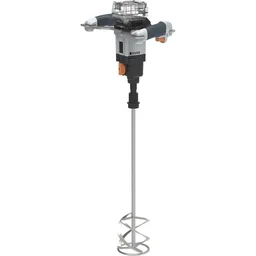
Corded models deliver consistent power without charging times. They are the first choice for stationary use where a power connection is available. Cordless mixers such as the
Warning: Never exceed the maximum bucket size or material viscosity specified by the manufacturer. This can overload the motor, damage the safety clutch and create dangerous situations.
Comparison of mixer types
There are three basic designs, each suited to different requirements.
Powerful corded mixers
These devices are the workhorses of the construction site. They have powerful motors, robust gearing and are designed for continuous operation. A typical example is the
with 1220 watts. It is ideal for regularly mixing mortar and adhesives.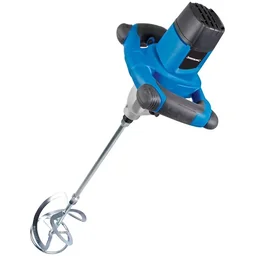
Flexible cordless mixers
You benefit from cordless freedom. Modern brushless motors, as used in the , are efficient and durable. They operate quietly and require little maintenance. Their performance is comparable to corded models, but runtime is limited by battery capacity.
Professional system mixers
For commercial use, manufacturers such as Collomix offer well-designed systems. The
(Type MK) is a compact stainless steel mixer for universal applications. The (Type MKD Duo) with two counter-rotating paddles mixes particularly quickly and thoroughly without trapping air.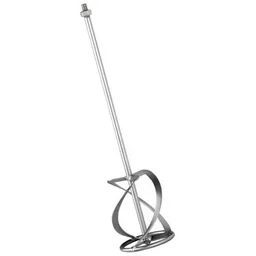
The best mortar mixers tested in 2026
Our comparison includes a selection of powerful models for different requirements. The following table summarises the most important details for you.
The highest-rated mortar mixers in our range compared directly:
| Model | Customer rating | Availability |
|---|---|---|
| 1220 W mixer, 140 mm | – | Currently unavailable |
| 18V LI-ION MIXER (BRUSHLESS MOTOR) Ø 120 MM / 590 MM / MAXXPACK COLLECTION excl. battery & charger | – | Currently unavailable |
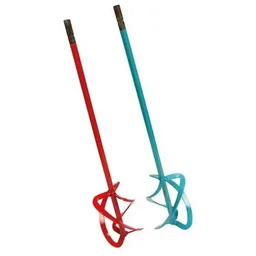
| 3-piece mixing paddle set | – | Currently unavailable |
| COLLOMIX - MIXER - TYPE MK - Ø 135 mm - M14 - STAINLESS STEEL | – | Currently unavailable |
| COLLOMIX - MIXER - TYPE MKD - DUO - Ø 190 mm - HEXAFIX | – | Currently unavailable |
Selected models in detail
: This 1220-watt mixer is a reliable all-rounder for most building materials. The 140-mm paddle covers a good bucket width. Its performance is sufficient for both DIY enthusiasts and tradespeople.
: This 18V cordless mixer with a brushless motor stands out for its mobility. The Maxxpack system promises long runtimes. It is ideal for use where no mains power is available.
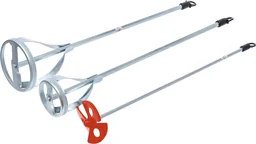
: A practical set with three different mixing paddles. This prepares you for various materials and bucket sizes. Make sure they are compatible with your mixer.
: The Collomix Type MK is a professional stainless-steel mixer. The M14 fitting is widely used. Its robust construction makes it a durable companion.
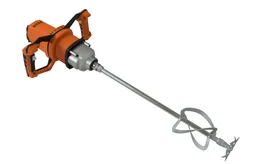
: The RLC40-10 G cordless mixer is designed for demanding commercial use. It delivers plenty of power and torque from its battery technology.
Note: The availability of the products listed may vary. Always check the latest specifications and available variants in our shop under Construction equipment.
Buying guide: How to choose the right mortar mixer
Answer these three questions to make the right choice.
Question 1: How often do you mix, and what materials do you mix?
For occasional light-duty work around the home, a powerful drill may be sufficient. For regular, demanding work on construction sites or in the trade, you need a dedicated mortar mixer. Heavy materials require high performance and robust paddles.
Question 2: Where do you mainly work?
Do you always have a power socket within reach on your construction site? Then a corded model is the most efficient choice. Do you often work on unfinished buildings or outdoors without access to electricity? Then there is hardly any alternative to a powerful cordless mixer such as the .
Question 3: Which accessories are important?
Start with a basic machine and a universal mixing paddle. For special materials, a set such as the is worthwhile. Professional users appreciate systems with quick-change mechanisms such as HEXAFIX from Collomix.
Tips for use and maintenance
With the right technique and care, your equipment will last a long time.
Safe and effective working
Place the bucket securely on a level surface. Only immerse the paddle when the machine is switched off. Start at a low speed and increase it gradually. Always hold the machine firmly with both hands, especially when starting.
Cleaning and storage
Clean the paddle and shaft with water immediately after use. A special cleaner may help with hardened material. Store the mixer in a dry, dust-free place. Regularly check the brushes (on motors with carbon brushes) and all moving parts for wear.
Conclusion
Choosing the best mortar mixer depends largely on your individual requirements. For most DIY enthusiasts and tradespeople who regularly work near a power socket, a powerful corded model is the best investment. If you need maximum flexibility, modern cordless tools are essential. Professional users benefit from the well-designed system solutions offered by renowned manufacturers. Take our buying criteria and tips into account, and you are sure to find the right mortar mixer for your projects in our comparison table.
Frequently Asked Questions
- What is the difference between a paddle mixer and a mixing paddle?
- A paddle mixer is a powerful standalone tool for mixing large quantities of viscous materials such as mortar or paint. A mixing paddle is an attachment that is often fitted into a drill and is suitable for smaller quantities of less viscous materials. For professional applications, a dedicated paddle mixer with its own motor is significantly more powerful and puts less strain on the tool.
- Should I buy a corded or cordless paddle mixer?
- Corded paddle mixers deliver consistently high performance and are ideal for long, intensive jobs near a power outlet. Cordless models offer maximum freedom of movement on construction sites without a power supply. However, their runtime is limited. Choose cordless tools primarily for flexible, shorter jobs or when no mains power is available.
- What power rating (watts) does a good paddle mixer need?
- The power required depends on the material. For lightweight emulsion paints, 600-800 watts is often sufficient. For thick tile adhesive or concrete, you should choose at least 1000-1200 watts, as with PRODUCT_95825. Higher wattage provides more power reserves, reduces strain on the motor and shortens mixing times. Also pay attention to the torque.
- What accessories should I look for?
- A versatile mixing paddle set with different diameters and shapes, such as PRODUCT_95183, is very practical. A compatible fitting system (e.g. M14 or HEXAFIX) is important for a secure fit. A dust guard is useful for dusty jobs. With cordless tools, make sure replacement or additional batteries are available.
- Can I also mix concrete with a paddle mixer?
- Yes, powerful paddle mixers with high torque and robust paddles are suitable for mixing fine render or thin concrete. However, a concrete mixer is the better choice for large quantities of solid concrete. When working with these materials, always follow the manufacturer's specifications regarding the load capacity of your paddle mixer.