
In brief: You can successfully get rid of fleas in your home using natural remedies. The key is a systematic approach: thorough vacuuming, washing textiles at a minimum of 60°C and using diatomaceous earth in carpets and crevices destroys fleas, larvae and eggs. This combination attacks the life cycle at its source and provides a sustainable solution.
Naturally Get Rid of Fleas: Home Remedies Guide
A flea infestation is not a sign of poor hygiene. Parasites often enter your home via pets, visitors or even on your own clothing. Chemical insecticides work quickly, but they can pollute indoor air and affect your health. This guide shows you effective, natural ways to control pests.
How can I tell if my home has a flea infestation?
The tiny, dark-brown insects jump away when you approach. You may find small, black specks on bedding, carpets or your pet's sleeping area. These are flea droppings.
Rub the specks onto a damp, white paper towel. If the paper turns reddish-brown, the material is digested blood. This confirms an infestation.
Itchy, clustered bites on the feet and ankles are another sign. Fleas prefer these areas.
“Fleas spend only about 5% of their time on the host. The remaining 95% live as eggs, larvae and pupae in the environment – in your carpets, upholstery and crevices.”
Why is the flea life cycle the key to effective control?
Adult fleas account for only a small part of the problem. A female lays up to 50 eggs per day. These fall off the host and end up everywhere.
The eggs hatch into larvae. They avoid light and hide deep in carpet fibres, under skirting boards or in upholstery. There, they feed on organic material, including the droppings of adult fleas.
After moulting several times, they pupate. The pupa can remain in its cocoon for months until vibrations, warmth or CO2 signal the presence of a host. The adult flea then emerges.
Pro tip
Do not focus your control efforts only on visible adult fleas. An effective strategy must target all stages – eggs, larvae, pupae and adults – at the same time. Otherwise, the cycle will start again.
The three main flea habitats in your home
You need to tackle three areas at the same time. First: textiles and upholstered furniture. This is where you will find eggs and larvae.
Second: the floor area, especially carpets and gaps in the flooring. This is the main hiding place for larvae.
Third: your pet, if you have one. It is the host and a means of transport for adult fleas.
What are the most effective natural home remedies for fleas?
1. Thorough and systematic vacuuming
This is your most powerful weapon. A vacuum cleaner mechanically removes up to 50% of eggs and 30% of larvae. Vacuum daily.
Focus on carpets, upholstered furniture, mattress edges and all hard-to-reach areas. Use the crevice tool for gaps.
Dispose of the vacuum bag or the contents of a bagless vacuum immediately after cleaning in a sealed bag in an outdoor bin. Otherwise, the fleas may hatch inside the appliance.
Important note
Do not use scented or carpet cleaner in the water when vacuuming. The moisture creates ideal conditions for larvae. Vacuum dry and dispose of the dirt immediately.
2. Diatomaceous earth – The natural contact insecticide
Diatomaceous earth consists of fossilised diatoms. The fine powder acts like microscopic shards of glass.
It damages the protective wax layer of the flea's shell. The flea dries out and dies. The powder also works against larvae.
Sprinkle a thin, even layer of food-grade diatomaceous earth over carpets, under furniture and into crevices. Leave it to work for 2-3 days, then vacuum it up thoroughly. Repeat this weekly.
“Diatomaceous earth works mechanically and does not lose its effectiveness as long as it remains dry. Unlike chemical poisons, it cannot lead to resistance.”
3. Heat: Washing, steaming and sunlight
Fleas and their developmental stages are sensitive to heat. Wash all washable textiles at a minimum of 60°C. This kills every stage.
Use a steam cleaner with a steam temperature of at least 60°C on upholstery and carpets. The pressure and heat penetrate deep into the material.
In midsummer, place smaller textiles, cushions or toys in black plastic bags and leave them in direct sunlight for a day. The heat that builds up inside the bag will be fatal.
4. Use essential oils with care
Certain oils, such as lavender, lemon or peppermint, have a deterrent effect on fleas. However, their direct killing effect is limited.
Mix a few drops with water in a spray bottle and mist textiles that cannot be washed. Test the colourfastness on an inconspicuous area first.
Place fabric sachets filled with lavender or cedarwood in cupboards and under beds. This helps keep fleas away. Make sure the ingredients are safe for your pets.
Additional advice
A mixture of salt and baking soda can create a deterrent barrier at door thresholds and windowsills. Both substances draw out moisture. Sprinkle the mixture thinly, leave it to work for several hours and then vacuum it up. It dries out larvae.
How can I treat my pet naturally?
An infested pet is the central focus of the problem. Start here. Brush your pet daily with a special flea comb over a bowl of soapy water. Drown the fleas you comb out immediately.
Wash your pet's bedding and toys weekly at 60°C. Also clean carriers and sleeping areas thoroughly.
Natural options for direct treatment of your pet are limited. A bath with mild bar soap can suffocate adult fleas. Rinse your pet thoroughly. Always ask a vet for advice, especially regarding nutrition that supports skin health.
Which mistakes can undermine flea control?
Mistake 1: Stopping too soon
You see no fleas for three days and stop. But the next generations are already waiting in their pupal cocoons. Continue all measures consistently for at least four, or preferably six, weeks.
Mistake 2: Treating only the pet
If you only free your pet from fleas, it will immediately pick up more parasites from the still-infested home. Pest control must always take a holistic approach: pet and environment.
For a thorough cleaning of all textiles, you can find suitable washable covers and pads in the cushions and textiles section.
Mistake 3: Not vacuuming often enough
Once a week is not enough. During the first week of treatment, you should vacuum every day. This interrupts the life cycle and removes freshly laid eggs before they hatch.
How can I prevent another infestation?
Regular vacuuming remains the best way to prevent fleas. This is especially important in areas where your pet spends a lot of time.
Wash pet bedding and other pet textiles regularly. Store spare blankets or toys in sealed boxes.
Technical devices can also play a role in providing long-term protection against various pests. Some households use supporting measures such as the
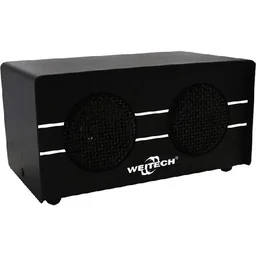
Keep your outdoor area well maintained. Short grass and a clean house drain provide fewer hiding places for fleas and other parasites.
When should I call a professional pest control service?
If home remedies have not worked after consistent use for six weeks, there may be a severe or hidden infestation.
A professional can identify the main nesting sites, often in cavities beneath floorboards or in suspended floors. They also have access to thermal treatments such as hot air, which can reach hidden pupae.
If you experience severe allergic reactions to flea bites, or if your household includes young children or people with chronic illnesses, the fast, guaranteed results of a professional are often the better choice.
For smaller problems or additional support, the pest control section also offers household products such as and . These provide a natural, physical barrier against intruders.
Conclusion: A systematic approach instead of chemicals
Getting rid of fleas in your home naturally requires a systematic approach, not chemicals. Combine daily vacuuming with the use of diatomaceous earth and targeted heat treatment.
Treat your pets and their surroundings at the same time. Be patient for several weeks. This is how you break the life cycle for good.
A clean, well-maintained home is the best protection. Also keep your outdoor area tidy, for example by using the right cover for compost or storage areas, so pests do not have an ideal habitat.
With these natural methods, you can achieve a flea-free home without polluting the indoor air with chemical toxins.
Frequently asked questions
- What home remedy kills fleas most effectively?
- Diatomaceous earth is the most effective natural contact treatment. The fine powder damages the waxy coating of the flea's exoskeleton, causing it to dry out and die. Spread it thinly in carpets, on upholstery and in cracks, leave it to work for several days, then vacuum thoroughly.
- How long does it take to get rid of fleas with home remedies?
- Complete success with home remedies requires patience. Since the life cycle from eggs to adult fleas takes several weeks, you must continue your treatment consistently for at least 4-6 weeks. This is the only way to break the cycle and eliminate all stages of development.
- Can I get rid of fleas without a vacuum cleaner?
- A vacuum cleaner is the most important tool because it mechanically removes eggs, larvae and adult fleas. If you do not have one, you will need to rely more heavily on other methods: frequently shake out and brush textiles outdoors, wash them more often at high temperatures, and apply diatomaceous earth or essential oils more intensively.
- Are essential oils such as tea tree oil really safe for pets?
- Caution is advised. Many essential oils, including tea tree oil, are highly toxic to cats and can also be dangerous for dogs and young children. Never use these oils directly on your pet or in its immediate surroundings. Safer alternatives for pets include lemon peels or lavender sachets.
- Can fleas live in a home without pets?
- Yes. Fleas can be brought in from outdoors or survive for months in carpet fibres and upholstery until a host, including a human, comes along. If necessary, they will also feed on human blood. Thorough pest control throughout the entire home is therefore necessary even without pets.
You may also be interested in
- How to effectively get rid of human fleas in your home
- How to get rid of silverfish: Effective home remedies & tips
- How to get rid of flies in your home: Home remedies & tips
- How to get rid of fruit flies: Natural home remedies
- How to get rid of mice in your home: Effective tips & solutions
- How to keep mosquitoes away: Natural methods for your home and garden